Architectural Shingles: Durable, Stylish Roofing Guide

Your roof takes constant punishment from the sun, rain, wind, and debris. Over time, basic roofing materials can wear out faster than expected, leading to repairs, leaks, and costly replacements. Many homeowners start searching for a roofing option that lasts longer and improves curb appeal.
Architectural shingles have become a popular solution for homeowners who want stronger protection without the high cost of premium materials. At Energy Roofing Companies, a GAF Master Elite® contractor (a distinction held by only about 2% of roofers nationwide), homeowners often explore this roofing upgrade when durability and long-term value matter most.
In this guide, you'll learn what architectural shingles are, how they compare to traditional shingles, how long they last, and what they typically cost. Understanding these factors can help you decide if they’re the right fit for your home.
What Are Architectural Shingles?
Architectural shingles are an upgraded type of asphalt roofing designed to provide both improved durability and enhanced appearance. Unlike traditional shingles, they are constructed using multiple laminated layers of asphalt-coated fiberglass. This layered structure creates a thicker and more dimensional roofing material.
Because of their design, architectural shingles can replicate the look of more expensive roofing materials like cedar shakes or natural slate. Homeowners often choose them because they combine premium curb appeal with the affordability and reliability of asphalt roofing.
Key Features
One of the defining characteristics of architectural shingles is their laminated construction. Instead of a single flat layer, these shingles contain several bonded layers of roofing material. This extra thickness makes them heavier, stronger, and more resistant to wear than basic asphalt shingles.
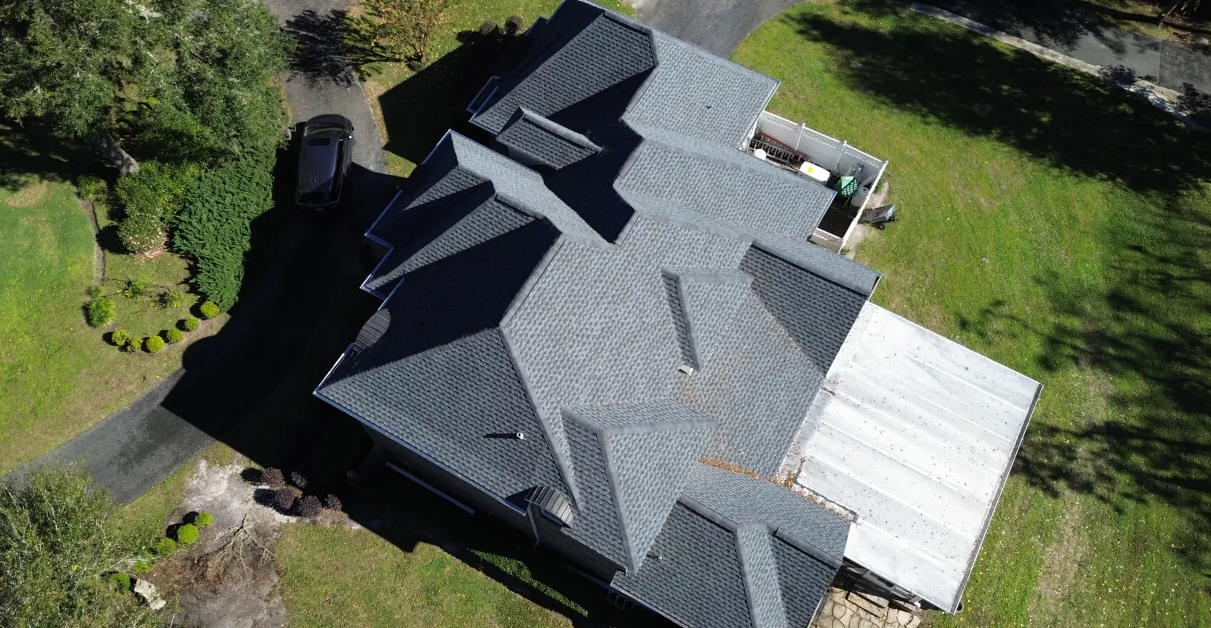
The layered design also creates a dimensional appearance, adding texture and shadow lines across the roof surface. From the street, this effect gives the roof more depth and architectural character, which can significantly improve curb appeal.
In terms of performance, architectural shingles typically last 25 to 30 years or longer with proper maintenance. Many products include stronger warranties, often ranging from 30-year protection to limited lifetime coverage.
Another major benefit is wind resistance. Many architectural shingles are rated to withstand winds of 110-130 mph, making them a strong option for homes in storm-prone areas.
Comparison With 3-Tab Shingles
Three-tab shingles have long been the standard asphalt roofing material. They consist of a single flat layer of material with evenly spaced tabs that create a uniform appearance across the roof.
By contrast, architectural shingles use multiple laminated layers to create a textured, dimensional surface. This design produces a more natural and visually interesting look, similar to traditional wood shake or slate roofs.
There is also a noticeable difference in lifespan. Standard three-tab shingles usually last 15 to 20 years, while architectural shingles can last 30 years or longer when properly installed and maintained.
Cost is another factor homeowners consider. Three-tab shingles generally cost about $3 to $4 per square foot, while architectural shingles average around $5.86 per square foot. Although the upfront cost is higher, the longer lifespan often reduces the number of replacements needed over time.
The heavier construction of architectural shingles also improves resistance to wind, impact, and general wear. This added durability can provide better protection during severe weather.
Materials Used
The structure of architectural shingles begins with a fiberglass mat core. This material provides flexibility and strength while resisting moisture penetration. Fiberglass also helps maintain the overall stability of the shingle.
Multiple layers of asphalt are applied to the fiberglass mat to create a waterproof barrier. These asphalt layers help the shingle adhere securely to the roof and provide protection against water intrusion.
The surface of the shingle is covered with ceramic-coated mineral granules. These granules protect the asphalt from UV exposure, add color to the roof, and improve fire resistance.
Some architectural shingles include specialized additives to enhance performance. Algae-resistant granules help prevent dark streaks caused by moisture and algae growth in humid climates. Impact-resistant versions use modified asphalt to provide additional protection against hail and debris.
All of these layers are permanently laminated together during manufacturing, which helps prevent separation or splitting as the shingles age.
Varieties And Styles
Homeowners have several options when selecting architectural shingles. Standard architectural shingles offer the dimensional appearance and durability that define this roofing category while remaining relatively affordable.
Luxury or designer shingles represent the premium end of the category. These shingles are thicker and often resemble materials such as slate or hand-split cedar shakes. Their deeper textures and varied patterns create a dramatic roofline.
Color selection is another advantage. Architectural shingles come in a wide range of colors, including black, gray, brown, red, green, and blue tones. Many products blend multiple shades within a single shingle to create depth and visual variation across the roof.
In hail-prone regions, homeowners may choose impact-resistant architectural shingles (UL 2218 Class 4). While these shingles cost more, they can offer additional protection and may qualify for insurance discounts in certain areas.
Some manufacturers also produce cool-roof architectural shingles that reflect more sunlight and absorb less heat. These products can help reduce cooling costs in warm climates.
Benefits Of Architectural Shingles
Architectural shingles offer several advantages over traditional asphalt roofing materials. Their combination of strength, design flexibility, and weather resistance makes them one of the most widely used roofing options today.
Enhanced Durability
One of the biggest advantages of architectural shingles is their durability. The multi-layer construction makes them significantly stronger than traditional three-tab shingles.
Many architectural shingle systems include warranties ranging from 30 to 50 years, and some premium options offer limited lifetime coverage. The thicker design helps the shingles resist cracking, curling, and other forms of wear over time.
These shingles are typically about 50 percent heavier than basic three-tab shingles. The additional weight helps them stay in place during storms and reduces the risk of wind damage.
The layered design also improves resistance to UV radiation, which helps the roof maintain its protective qualities for decades.
Improved Curb Appeal
Beyond durability, architectural shingles significantly enhance a home’s appearance. The dimensional structure creates shadow lines and visual texture that give the roof a richer, more detailed look.
This style works well with many architectural designs, from traditional homes to modern construction. Because architectural shingles mimic the appearance of wood shakes or slate, they provide an upscale aesthetic without the high cost of natural materials.
A visually appealing roof can also increase perceived property value. Homebuyers often notice roofing upgrades, and dimensional shingles tend to make a home look better maintained and more refined.
Weather Resistance
Weather performance is another major benefit of architectural shingles. Many products are designed to withstand winds between 110 and 130 mph, offering strong protection during severe storms.
Their heavier weight and layered construction help reduce the chance of shingles lifting or blowing off in high winds. The thicker structure also improves water resistance during heavy rain.
Many shingles include algae-resistant granules, which help prevent dark streaking in humid climates. For homeowners in hail-prone regions, Class 4 impact-resistant architectural shingles provide an additional level of protection against storm damage.
Installation Process
Installing architectural shingles requires careful preparation and proper roofing techniques. While the process follows standard roofing practices, attention to detail is critical to ensure long-term performance.
Preparation Steps
The installation process begins by removing the existing roofing materials down to the roof deck. Once exposed, the decking is inspected for damage. Any rotten or weakened wood must be replaced to create a stable foundation for the new shingles.
Next, a drip edge is installed along the eaves and roof edges. This metal strip directs water away from the roof structure and helps protect the underlying materials.
Roofers then install roofing felt or synthetic underlayment, starting at the bottom of the roof and overlapping each row to create a continuous moisture barrier.
In areas prone to leaks, such as valleys and around chimneys, contractors apply ice-and-water shield membranes for added protection. Chalk lines are then snapped across the roof to guide straight rows of architectural shingles.
Before installation begins, the crew gathers all necessary tools and materials, including roofing nails, nail guns, utility knives, and measuring tools.
Professional Vs. DIY Installation
Professional installation of architectural shingles typically costs $3.50 to $5.50 per square foot, including materials and labor.
Hiring experienced roofers offers several advantages. Professional crews work efficiently, follow manufacturer installation requirements, and often provide workmanship warranties that protect the homeowner.
DIY installation can reduce upfront costs, but roofing projects require proper safety equipment and construction experience. Working on steep roofs or handling complex designs with valleys and dormers can be especially challenging.
Most professionals can complete a standard residential roofing project in two to three days, while DIY projects may extend across multiple weekends.
Installation Timeline
A professional roofing crew can usually complete an average 2,000-square-foot roof within two to four days. The first day typically involves tearing off the existing roof and preparing the decking for new materials.
Once preparation is complete, contractors install underlayment and begin placing the architectural shingles. The final stage involves installing ridge caps, flashing, and finishing details.
Weather conditions can influence the timeline. Rain can delay roofing work, and shingles should not be installed when temperatures drop below 40°F, since the adhesive strips may not seal correctly.
DIY installations often take longer. Homeowners typically spend four to seven days of active work, depending on experience, roof complexity, and weather interruptions.
Lifespan And Maintenance
When properly installed and maintained, architectural shingles can provide reliable protection for decades. However, regular maintenance and proper attic ventilation play important roles in maximizing their lifespan.
Expected Service Life
In real-world conditions, most architectural shingles deliver 22 to 25 years of dependable performance. This typically represents about 80 to 85 percent of their advertised warranty period.
Environmental factors can influence longevity. Regions with intense sun, hailstorms, or heavy snowfall may see shorter lifespans, while moderate climates often allow shingles to last longer.
Proper installation is also critical. Incorrect nailing patterns or misaligned shingles can create weak spots that lead to early failure.
Attic ventilation is another key factor. Without adequate airflow, trapped heat can damage shingles from below. Balanced ventilation helps maintain stable temperatures and extends roof life.
Routine Care Tips
Regular roof inspections help homeowners identify potential problems early. Most experts recommend inspecting the roof twice per year, usually in spring and fall.
During inspections, look for granule loss, curling edges, or damaged shingles. These signs can indicate aging or weather damage. Keeping gutters clean is also important. Clogged gutters can trap water and allow moisture to back up beneath the roof edge.
Tree branches that hang over the roof should be trimmed regularly. Overhanging limbs can drop debris and scrape shingles during windy conditions. If moss or algae appear, cleaning products specifically designed for asphalt roofing can help remove the growth without damaging the shingles.
Common Issues
Over time, granule loss may appear as bare patches on shingles or excess granules in gutters. Small amounts are normal, but heavy granule loss indicates aging. Curling or cupping of shingles often occurs due to poor ventilation or natural aging of roofing materials.
Temperature fluctuations can eventually cause cracking or splitting, which may allow water to penetrate the roofing system. Storms may also dislodge shingles. Even a single missing shingle should be replaced quickly to prevent water damage to the roof deck.
Algae streaks can affect the roof’s appearance, but they usually do not indicate structural failure. Cleaning treatments or zinc strips can help prevent these streaks from returning.
Cost Considerations
While architectural shingles cost more than traditional three-tab roofing, their durability and appearance often provide strong long-term value.
Material Costs
The installed cost of architectural shingles generally ranges from $400 to $600 per roofing square (100 square feet). For a 2,000-square-foot roof, homeowners typically spend between $8,000 and $17,000, depending on material quality and roof complexity.
Higher-end shingles with longer warranties or enhanced wind ratings usually cost more. Additional components such as underlayment, starter strips, ridge caps, and flashing may add $500 to $1,500 to the total project cost.
Roofs with complex shapes, valleys, or dormers often require extra materials. Contractors typically plan for 10 to 15 percent additional shingles to account for waste during installation.
Labor Expenses
Labor typically accounts for about 60 percent of the total roofing cost. Installation rates generally range between $3 and $5 per square foot.
Several factors influence labor costs, including roof pitch, accessibility, and the presence of features like skylights or chimneys.
If the existing roof must be removed before installation, the tear-off process may add $1 to $3 per square foot to the total project cost. Labor rates also vary by region, with urban areas often seeing higher prices than rural markets.
Long-Term Value
One of the biggest advantages of architectural shingles is their long-term return on investment. With proper maintenance, these roofs can last 30 to 50 years, significantly longer than basic three-tab shingles.
Their stronger wind resistance and thicker construction reduce the likelihood of frequent repairs. Over time, this durability can help homeowners avoid repeated maintenance costs. Some architectural shingles include solar-reflective granules that help reduce heat absorption. In warm climates, this feature may lower cooling costs by 10 to 15 percent.
Homes with dimensional shingles also tend to attract more buyer interest. Many real estate professionals note that upgraded roofing materials can improve resale value and help homes sell more quickly.
Choosing The Right Protection For Your Roof
A roof is one of the most important systems protecting your home. Choosing architectural shingles can provide a balance of durability, curb appeal, and long-term value. Their layered construction, weather resistance, and wide range of styles make them one of the most reliable roofing materials available today.
For homeowners in North Central Florida, selecting the right contractor is just as important as choosing the right material. Energy Roofing Companies helps homeowners understand roofing options, navigate insurance claims, and install roofing systems designed to handle Florida’s demanding weather.
If you’re considering a roof replacement or want to explore whether architectural shingles are the right choice for your home, schedule a free roof inspection or call 855-766-3852 to speak with a roofing expert.
Frequently Asked Questions
What Makes Architectural Shingles Different From Regular Shingles?
Architectural shingles differ from traditional three-tab shingles because they are built with multiple laminated layers. This construction creates a thicker, stronger roofing material with a dimensional appearance.
Three-tab shingles are flat and uniform, while architectural shingles produce natural shadow lines and texture. This layered design improves durability, wind resistance, and overall curb appeal.
How Long Do Architectural Shingles Last?
Most architectural shingles last 25 to 30 years, though some premium products can last even longer with proper installation and maintenance.
Climate, ventilation, and roof maintenance all influence lifespan. Homes with good attic ventilation and regular inspections often see their shingles perform closer to their full warranty period.
Are Architectural Shingles Worth The Extra Cost?
For many homeowners, architectural shingles provide strong long-term value. Although they cost more upfront than three-tab shingles, their longer lifespan means fewer replacements over time.
They also offer improved durability, better wind resistance, and enhanced curb appeal. These benefits often make them a worthwhile investment for homeowners planning to stay in their homes for many years.
Can Architectural Shingles Handle Strong Winds?
Yes. Many architectural shingles are rated to withstand winds between 110 and 130 mph when installed correctly. Their heavier weight and laminated construction help them stay secure during severe weather. Proper installation and correct nailing patterns are essential for achieving these wind ratings.
Do Architectural Shingles Increase Home Value?
A roof installed with architectural shingles can improve both curb appeal and perceived home value. Their dimensional appearance often makes homes look newer and better maintained.
Real estate professionals frequently note that upgraded roofing materials can attract buyers and improve resale potential, especially compared to homes with older three-tab roofing.
Are Architectural Shingles Good For Hot Climates?
Yes. Many architectural shingles are designed to perform well in warm climates. Some products include reflective granules that reduce heat absorption and help keep roofs cooler.
In sunny regions, this feature can contribute to improved energy efficiency and lower cooling costs during hot months.
Related posts
Apartment Complex Roofing Decisions Property Managers Regret
What Gainesville Roofers Recommend Before Your First Skylight Installation
Questioning Roof Coating Services for Florida Flat Roofs
Choosing Roof Replacement After Florida Hurricane Landfall
.jpg)
How Florida Insurance, Wind Mitigation Credits, and Deductibles Affect Roof
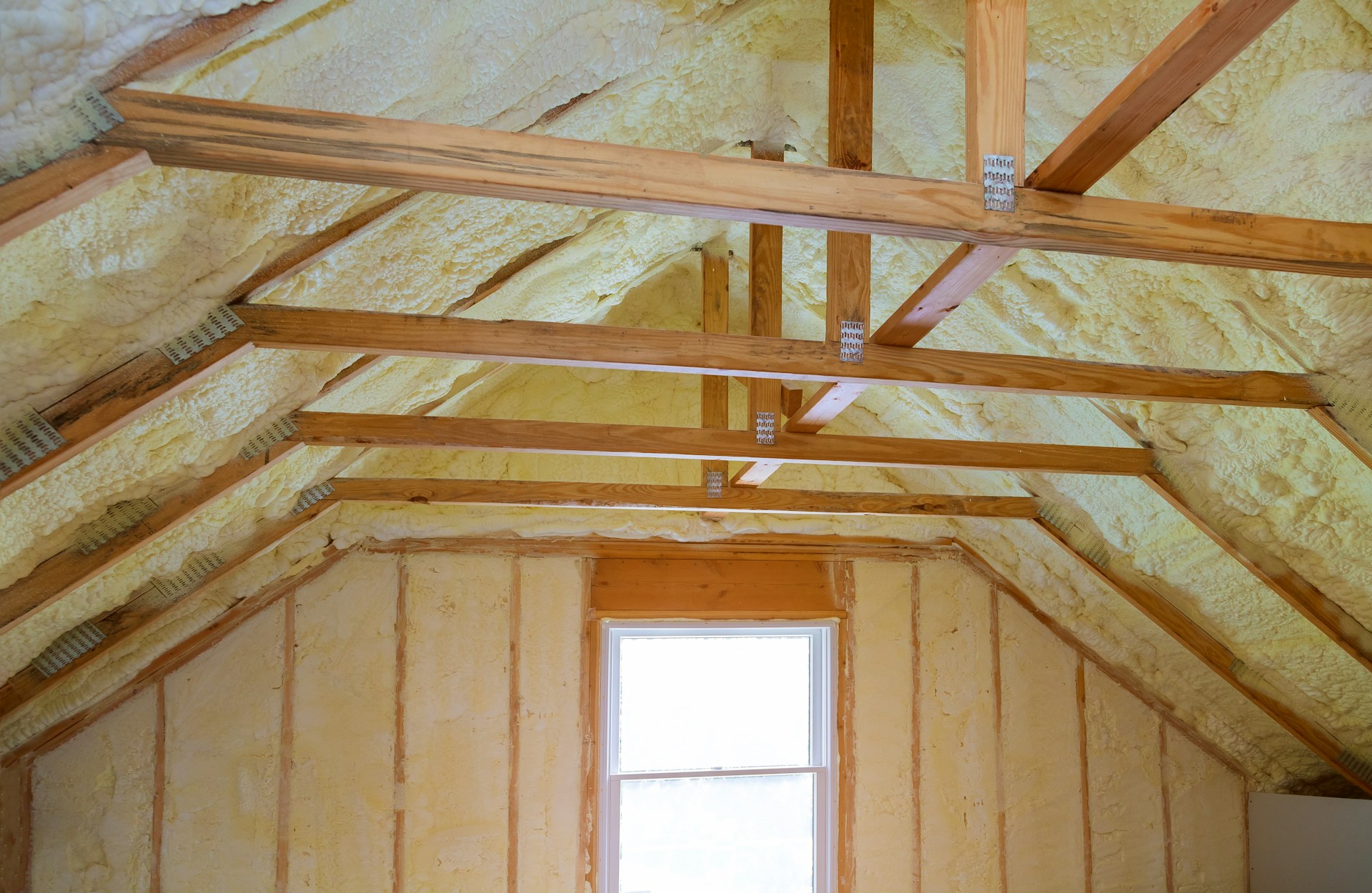
What Happens When Roof Leaks Reach Your Attic Insulation
.jpg)
Florida Rubber Roofing Myths Homeowners Should Stop Believing
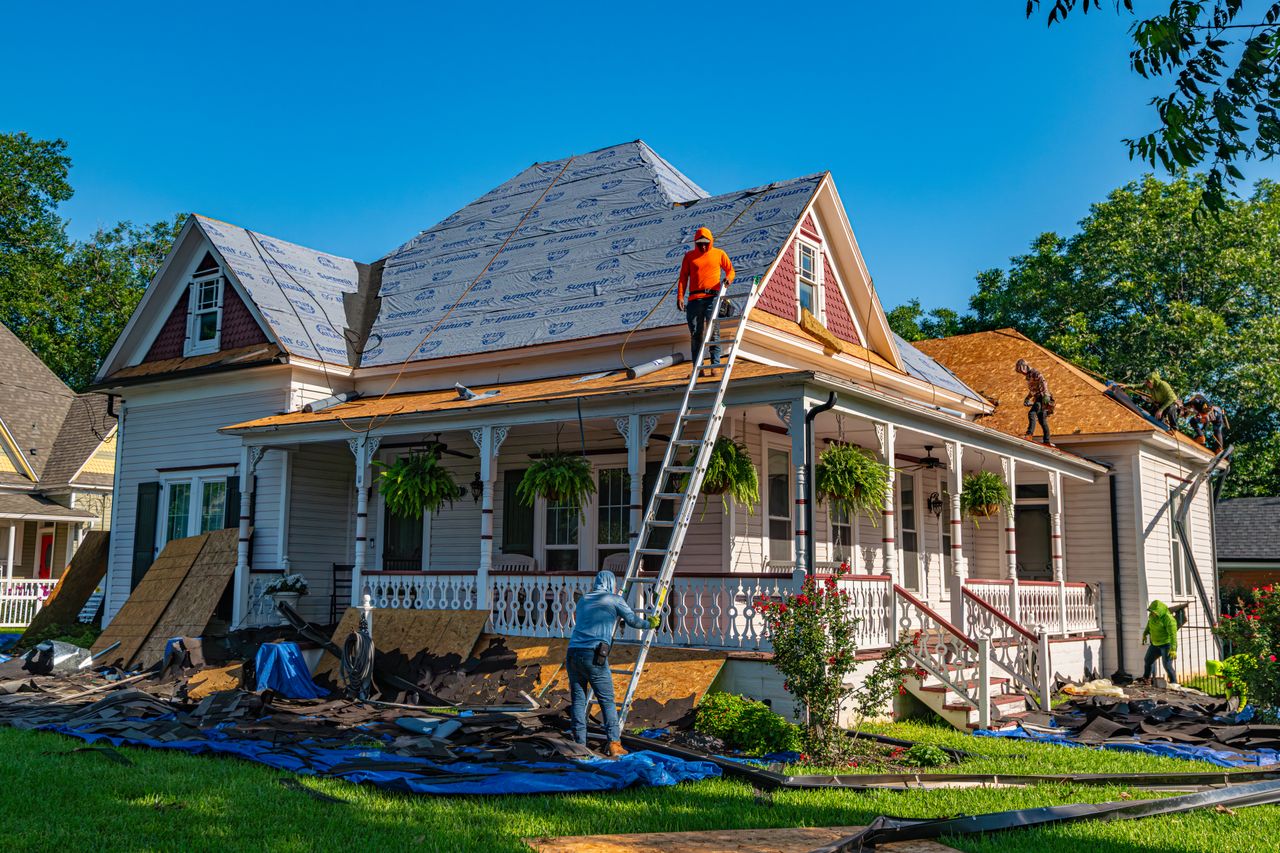
Storm Damage Roof Repairs Florida HOAs Often Underestimate
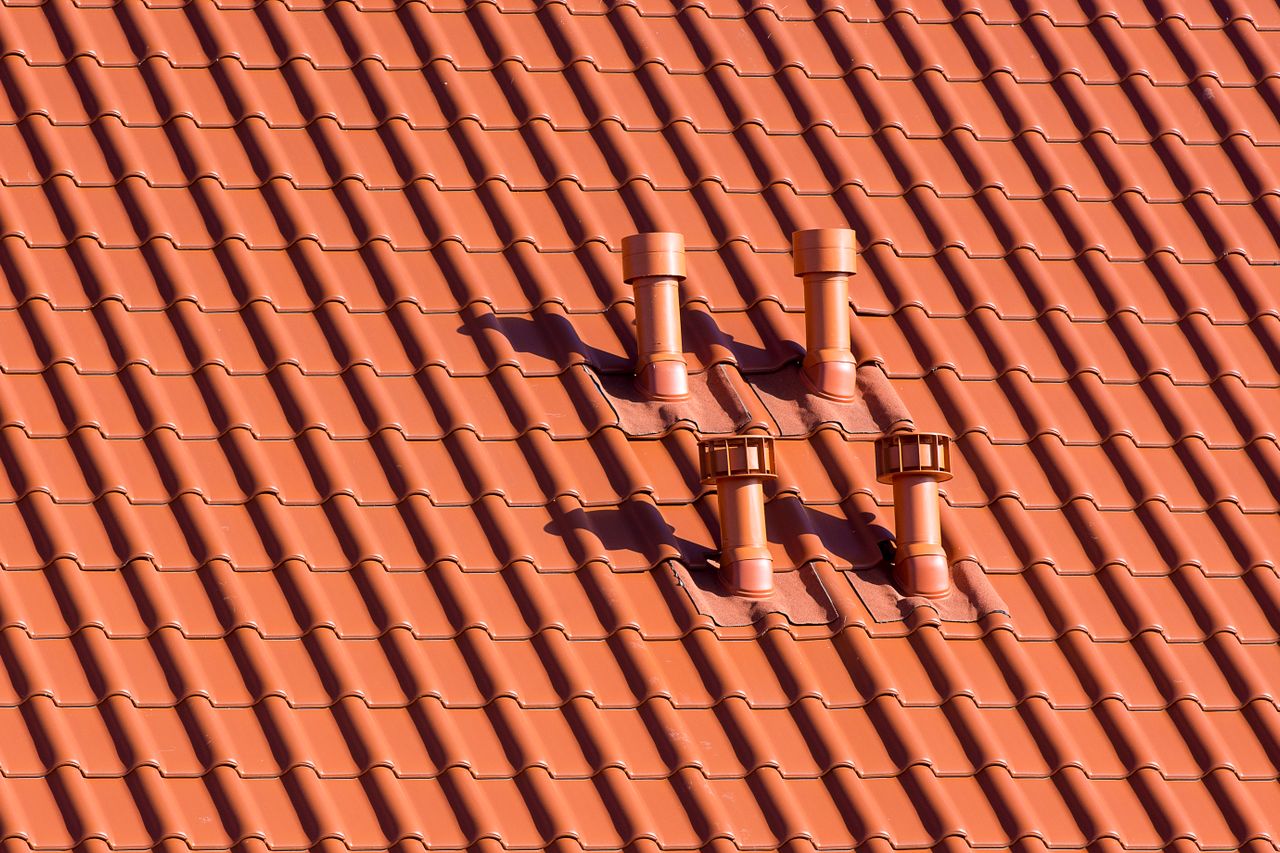
Questioning Roof Cleaning Services in Florida’s Humid Climate
Smart Roof Maintenance Plans for Florida Apartment Complexes
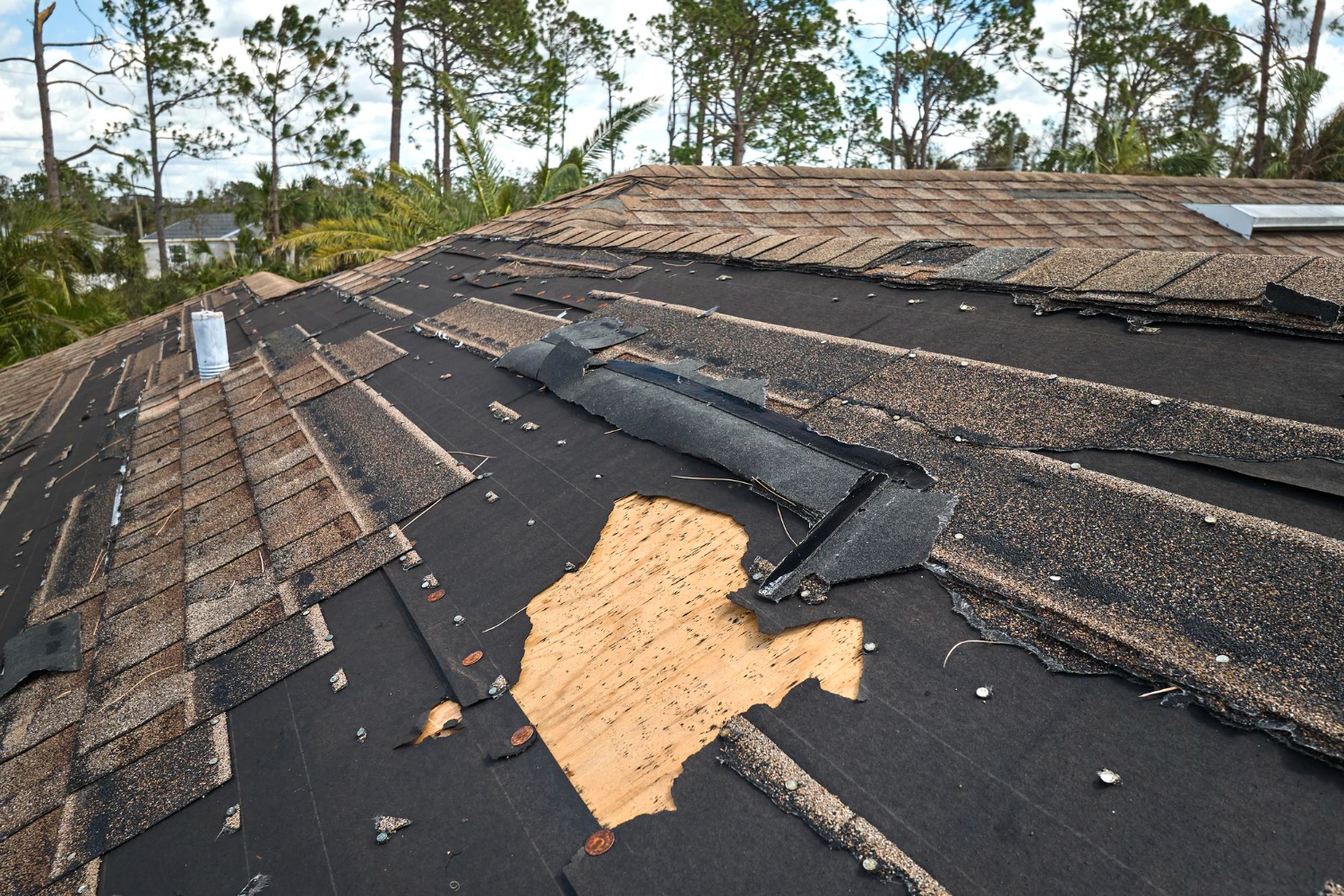
Hidden Cost Drivers in Florida Roof Replacements: Permits, Codes, Fees

Early-Morning Roof Leak Repair in Gainesville Summer Storms
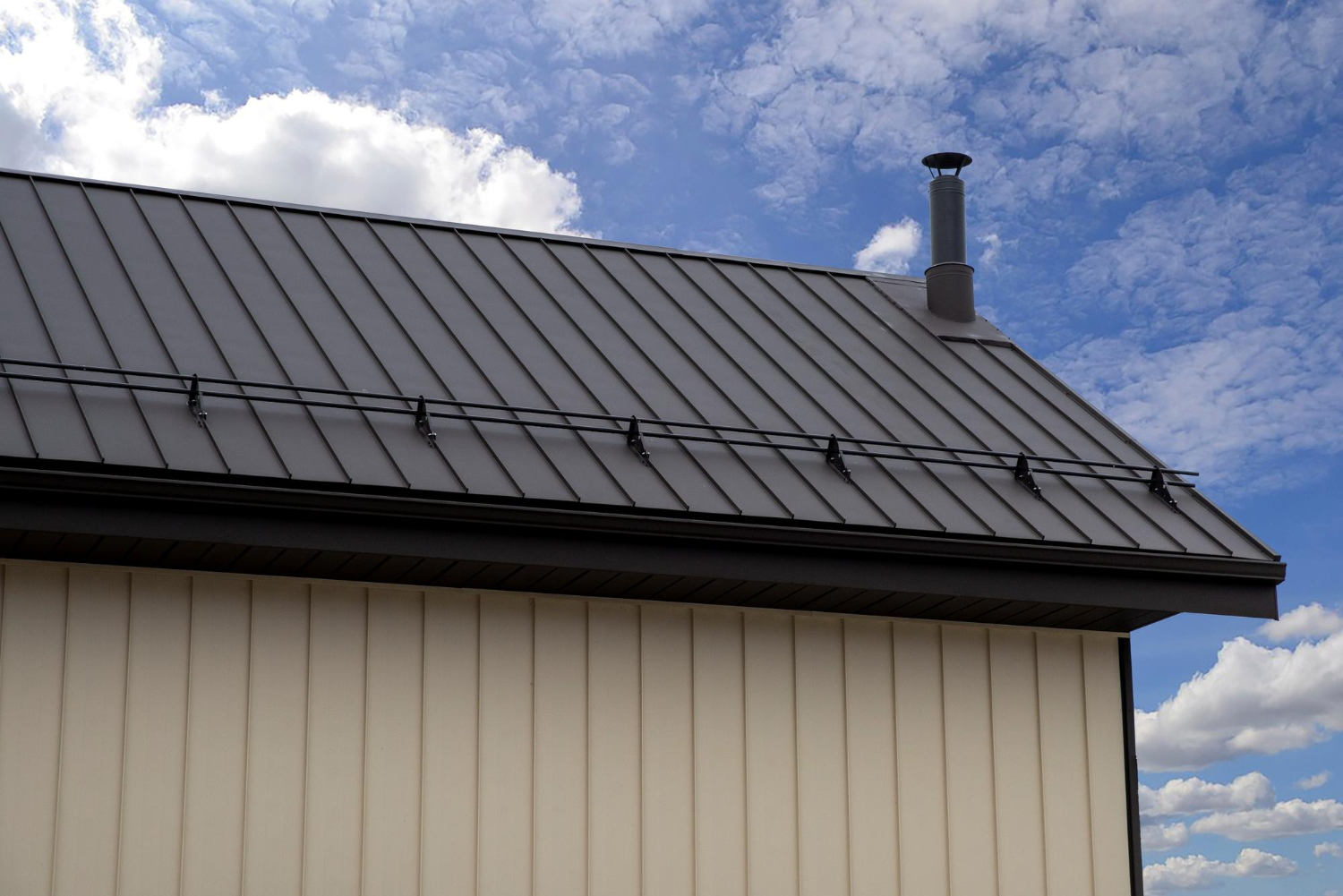
Is a Standing Seam Metal Roof Right for Florida Homes
Questioning Your Roof Warranty in Florida’s Storm Belt
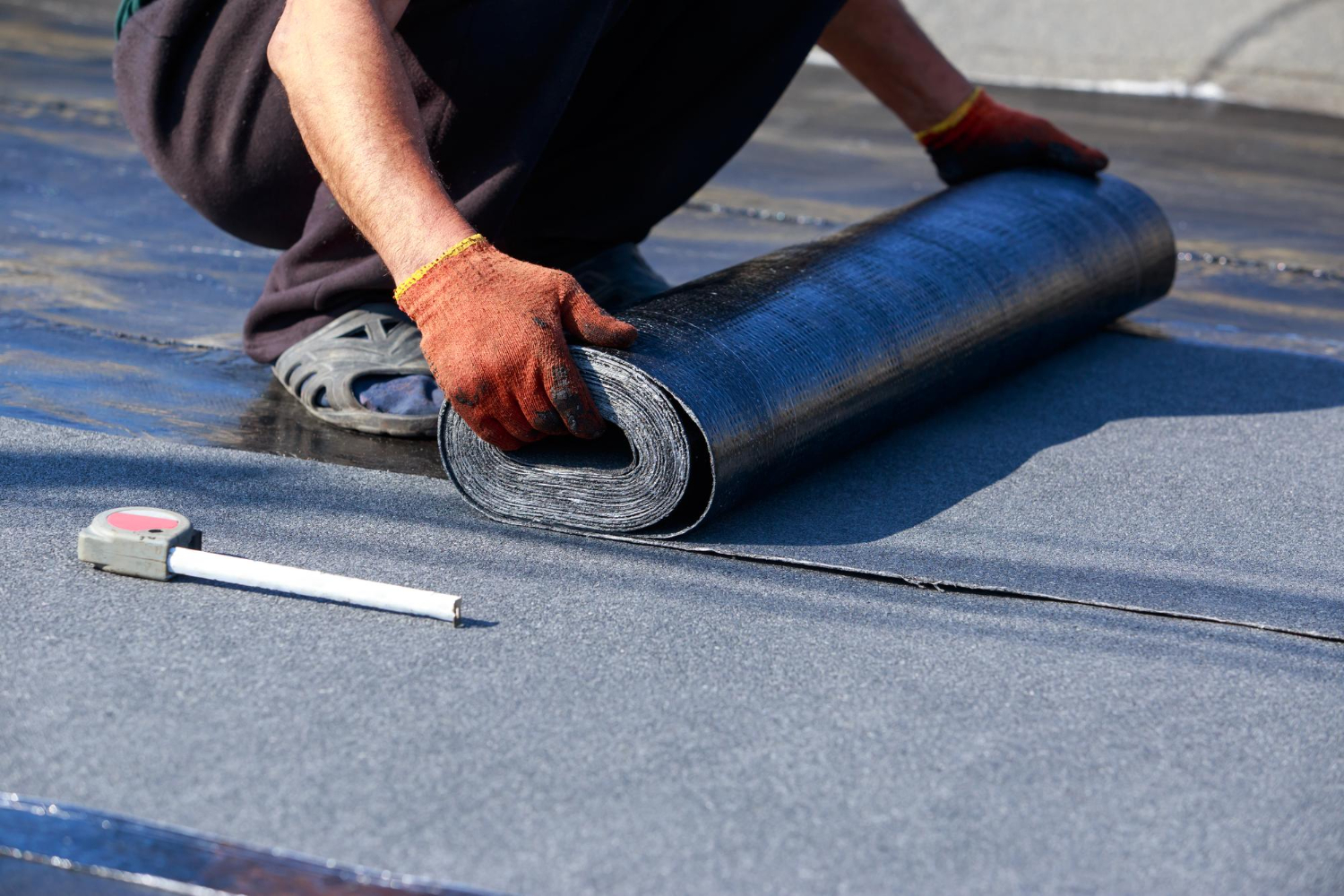
How to Choose Roof Underlayment and Waterproofing for Florida Weather
.jpg)
Why Gainesville Homebuyers Need a Dedicated Roofing Company Partner

What Gainesville Homeowners Miss in Post-Storm Roof Inspections
.jpg)
Summer Roof Maintenance Plans for Florida Homes

Roof Financing Options Florida Homeowners Should Understand

Pre-Listing Roof Inspection Tips for Gainesville Sellers
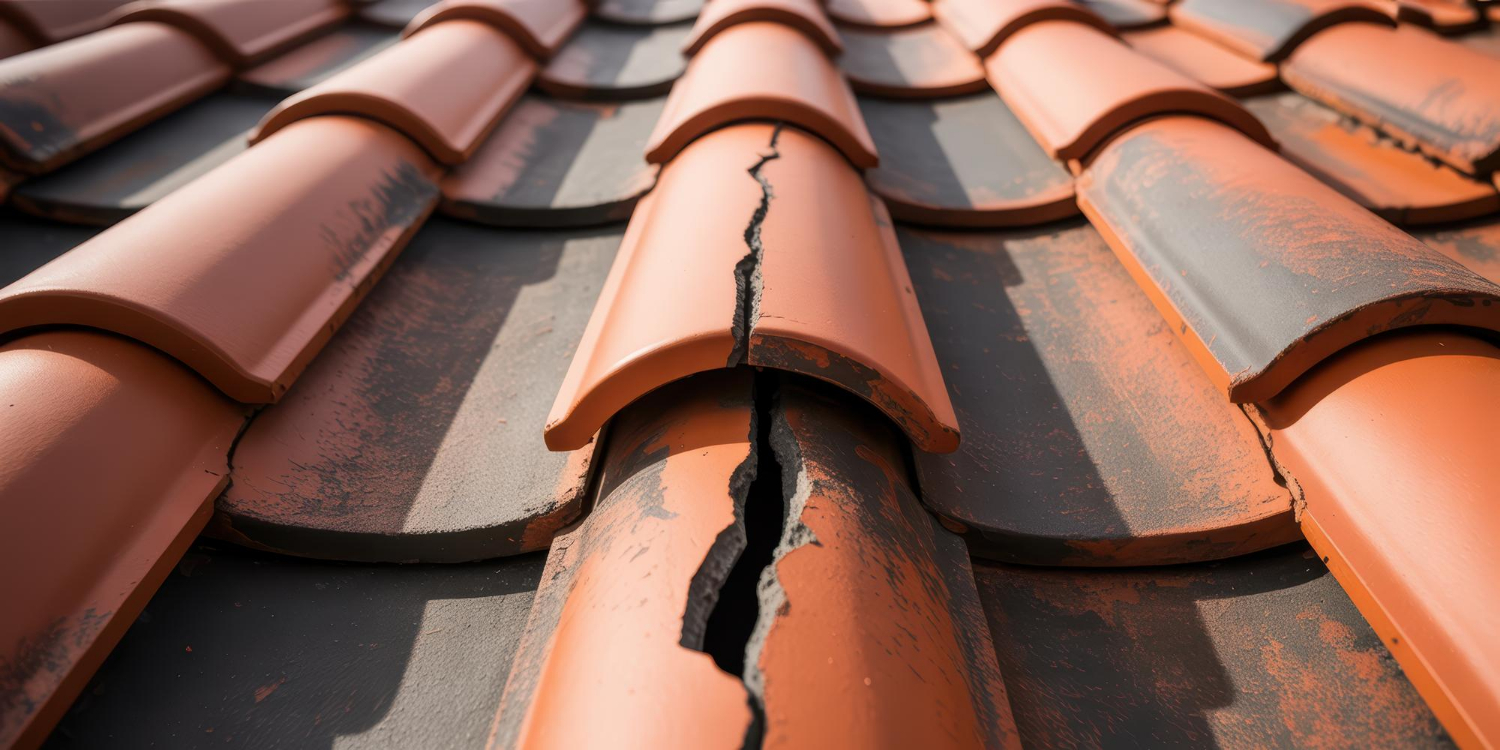
Florida Cracked Roof Tiles That Look Minor but Leak Big
Why Gainesville Roof Vent Leaks Start in the Attic First

Signs Your Florida Flat Roof Needs Professional Repair

Roof Tarping Emergency Steps for Florida Storm Nights
Understanding Hail Damage Roof Claims in Florida
.jpg)

Roof Insurance Claim Help for Florida Storm Seasons

Roof Ventilation Problems Florida Homeowners Overlook

When to Consider Roof Replacement in the Florida Climate
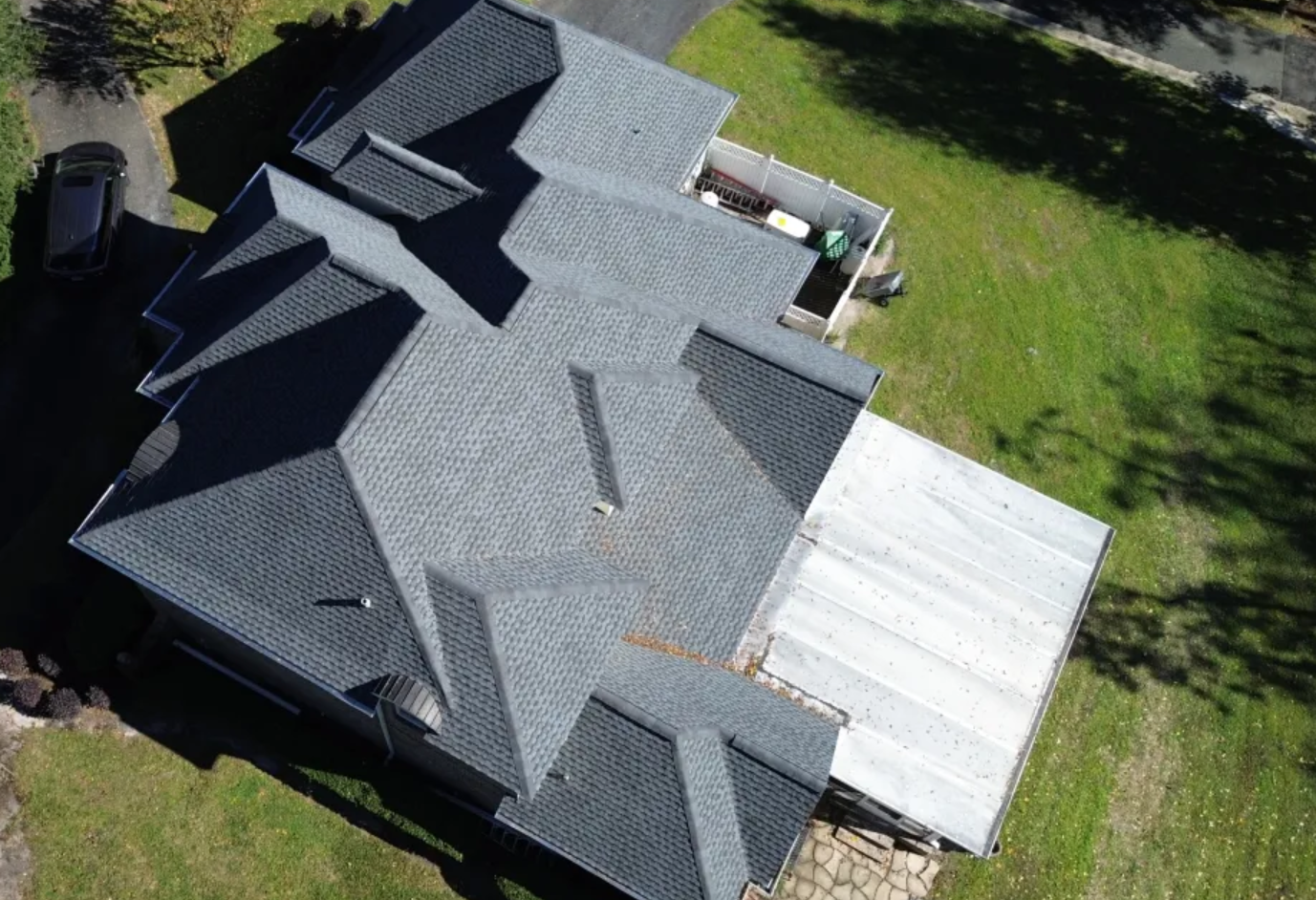
Ridge Vent Installation Guide for Better Attic Ventilation
Modified Bitumen Roofing For Flat & Low-Slope Buildings
GAF Timberline Shingles: Features, Cost, and Benefits

GAF Timberline HDZ: Complete Guide For Homeowners
EPDM Rubber Roofing: Benefits, Costs, and Installation
Dimensional Shingles: Boost Curb Appeal And Roof Protection

Clay Tile Roofing: Benefits, Costs, And Lifespan Guide

Chimney Flashing Repair: Stop Chimney Leaks Fast

Built-Up Roofing Guide for Flat Commercial Roofs
Best Roofing Material for Florida Homes: 2026 Guide

Why Attic Ventilation Matters For A Healthier Home

Standing Seam Metal Roof: Benefits, Cost, and Installation

Same Day Roof Repair: Fast Emergency Solutions For Your Home
Roofing Contractors In Ocala, FL: How To Choose With Confidence
Roofing Company In Ocala, FL: How To Choose A Trusted Pro
Roofers Gainesville, FL: How To Choose A Trusted Pro

Roof Repair In Ocala, FL: How To Choose A Trusted Contractor

Roof Repair In Gainesville, FL: Fast Help For Storms

Metal Roofing In Gainesville, FL: Durable Roofs That Cut Bills
Why Hiring A GAF Master Elite Roofer Matters

Corrugated Metal Roofing: Durable, Affordable Roof Guide

Best Shingles for Florida: Top Hurricane-Resistant Options
Architectural Shingles: Durable, Stylish Roofing Guide
24/7 Roof Repair: Fast Emergency Help When You Need It

.svg)


.svg)
.svg)
.svg)
.svg)
