Clay Tile Roofing: Benefits, Costs, And Lifespan Guide

Choosing a roofing material can be difficult when many options promise durability but fail after a couple of decades. Frequent repairs, heat buildup, and storm damage often leave homeowners searching for a roof that truly lasts. That is why many people begin considering clay tile roofing, a material known for long-term durability and protection.
In North Central Florida, roofs must withstand intense sun, heavy rain, and strong storms. Energy Roofing Companies helps homeowners understand durable roofing systems like clay tile, backed by its status as a GAF Master Elite® contractor (only 2% nationwide).
This guide explains how clay tile roofing works, how it compares to other materials, and what to expect from installation, lifespan, and maintenance.
What Is Clay Tile Roofing?
Clay tile roofing uses natural clay that is molded into tiles and fired at extremely high temperatures. This process hardens the material, transforming soft clay into a durable roofing product that can last for decades.
These tiles come in a variety of shapes and styles that influence both performance and appearance. During manufacturing, clay tiles are fired in kilns at temperatures reaching up to 1100°C, which strengthens the structure and stabilizes the color. Because of this process, clay tiles can maintain their integrity even under prolonged sun exposure.
Clay tiles are especially effective in warm and coastal climates where resistance to heat, humidity, and salt air is important. Their durability and natural composition make them well-suited for long-term residential roofing systems.
Types Of Clay Roof Tiles
Clay roof tiles are available in several styles, each offering a distinct architectural look. The design you choose can influence both the visual character of your home and how water flows across the roof surface.
Barrel Tiles
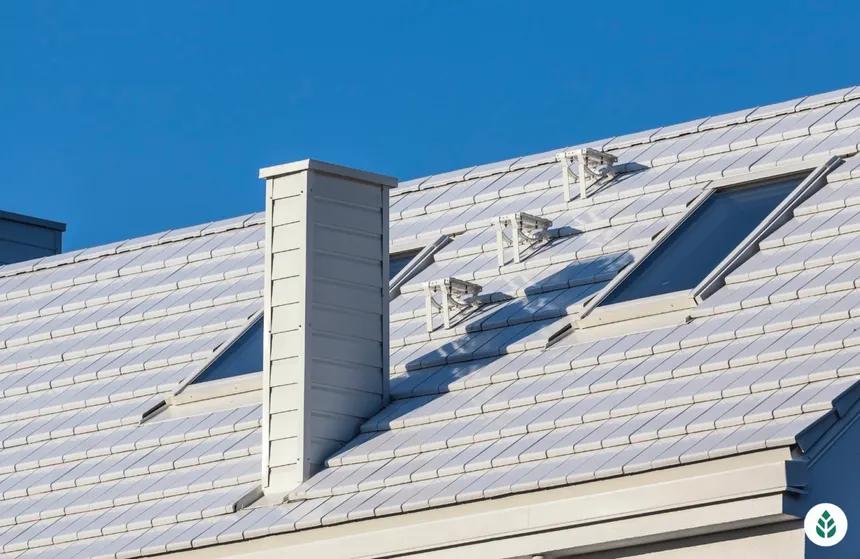
Barrel tiles have a curved, semi-circular shape that creates the classic wave-like roof pattern. Often called mission tiles or Spanish tiles, this style is commonly associated with Mediterranean and Spanish-inspired architecture and adds strong visual character to a roof.
Flat Tiles
Flat tiles sit evenly across the roof surface, creating a cleaner, more contemporary appearance. This style is often used on modern homes where a simple, streamlined roof design complements the overall architecture.
Interlocking Tiles
Interlocking tiles are engineered to connect tightly together like puzzle pieces. This design improves water resistance and wind performance while also making installation more efficient than traditional overlapping tile systems.
French Tiles
French tiles combine both flat and curved sections within a single tile. This structure forms a distinctive roof pattern and is often used in certain regional architectural styles that emphasize decorative yet durable roofing systems.
Clay tiles are available in a wide range of colors. Traditional terracotta red remains the most recognizable option, but homeowners can also choose from browns, grays, and custom shades.
Some tiles are glazed, providing a glossy finish and expanded color options, while unglazed tiles offer a more natural matte appearance.
How Clay Tiles Are Made
Clay tile production begins with natural clay that is mixed with water until it reaches a workable consistency. This material is then pressed or molded into the desired tile shape using specialized equipment.
Once shaped, the tiles are dried and placed into kilns where they are fired at temperatures between 900°C and 1100°C. The intense heat hardens the clay, creating a dense structure that can withstand decades of exposure to the elements.
The firing process also locks the tile’s color into the material, preventing fading from long-term sun exposure. In some cases, manufacturers apply a glaze coating before firing, which expands the available color range and adds an extra layer of protection.
Through this process, raw clay becomes a roofing material known for its strength, longevity, and resistance to harsh environmental conditions.
Suitability For Different Climates
Clay tile roofing performs especially well in warm and dry climates where freezing temperatures are less common. In regions such as Florida and the American Southwest, clay tiles help reflect sunlight and reduce heat absorption, which can improve indoor comfort.
These tiles are also well-suited for coastal environments because salt air does not corrode clay as it can certain metal roofing systems. This resistance makes clay tile a reliable option for homes near the ocean.
Another important advantage is natural fire resistance. Clay tiles are non-combustible, adding a layer of safety for homes in wildfire-prone regions.
However, clay tiles may be more vulnerable in areas with frequent freeze-thaw cycles. When water enters small cracks and freezes, it expands and can cause tiles to fracture. Homeowners in colder climates should carefully evaluate this factor before choosing clay tile roofing.
Benefits Of Clay Tile Roofing
Clay tile roofing offers more than just visual appeal. These roofing systems provide exceptional durability, improved energy efficiency, and a distinctive appearance that can increase home value.
Durability And Longevity
Clay tiles are designed for long-term performance. With proper care and maintenance, a clay tile roof can last 50 to 100 years or more, significantly longer than most common roofing materials.
The kiln-firing process creates tiles that resist rot, insect damage, and natural decay. Clay is also non-combustible, which provides an additional level of fire protection for homes.
Clay tile roofs perform well during heavy rain and strong winds when installed correctly. Because of their long lifespan, homeowners typically face fewer roof replacements over time compared with asphalt roofing systems.
Although the initial investment may be higher, the durability of clay tile roofing can make it a financially sound choice over the long term. Clay tiles also resist corrosion from salty coastal air, further supporting their longevity in coastal regions.
Aesthetic Appeal
One of the most recognizable advantages of clay tile roofing is its distinctive architectural character. The variety of tile shapes allows homeowners to create roofing designs that complement both traditional and modern homes.
Curved mission tiles create a Mediterranean or Spanish-inspired look, while flat tiles provide a more contemporary style. This flexibility allows clay tile roofs to match a wide range of architectural preferences.
Natural clay colors typically include terracotta, red, and brown tones that blend well with many exterior finishes. Some manufacturers also offer glazed tiles that provide additional color choices.
Because the color is baked directly into the tile during firing, it remains vibrant for decades. This durability helps maintain a home’s curb appeal without the fading that can occur with painted roofing materials.
A clay tile roof can also contribute to a higher resale value, as buyers often recognize its long lifespan and durability.
Energy Efficiency
Clay tiles naturally help regulate indoor temperatures by reducing heat transfer into the home. Their density and shape create small air pockets between the tiles and the roof deck, which improves ventilation.
This airflow can help reduce heat buildup beneath the roof during warmer months. As a result, homeowners may experience lower cooling costs, particularly in hot climates.
Clay tiles also reflect solar radiation more effectively than many darker roofing materials. By reducing heat absorption, they help keep indoor spaces more comfortable. These thermal benefits can reduce strain on air conditioning systems and help maintain more consistent indoor temperatures year-round.
Comparing Clay Tile To Other Roofing Materials
While clay tile roofing stands out for its durability and appearance, it is heavier and more expensive than some alternatives. Understanding how it compares with other roofing materials can help homeowners choose the most appropriate option for their needs.
Clay Tile Vs Concrete Tile
Clay and concrete tiles are often chosen for similar architectural styles, particularly Mediterranean or Spanish-inspired homes. Although they may appear similar from a distance, the materials differ in composition and long-term performance.
Clay tiles are made from natural clay that is molded and fired in a kiln. Concrete tiles are manufactured from a mixture of sand, cement, water, and pigments.
In terms of lifespan, clay tiles typically last 50 to 100 years, while concrete tiles generally last 30 to 50 years with proper maintenance. Clay also resists fading more effectively because its color is baked directly into the material.
Weight and cost differences also exist between the two materials. Clay tiles usually weigh slightly less than concrete tiles and typically cost $10–$18 per square foot installed, while concrete tiles often range from $8–$15 per square foot installed. Both materials require a structural assessment to ensure the roof framing can safely support the additional weight.
Clay Tile Vs Asphalt Shingles
Asphalt shingles remain the most widely used roofing material in the United States because they are relatively inexpensive and easy to install. An asphalt roof typically costs $3–$5 per square foot installed, which is significantly less than clay tile roofing.
However, asphalt shingles generally last 15–30 years, meaning homeowners may need to replace the roof multiple times during the lifespan of a single clay tile roof.
Clay tiles offer stronger fire resistance, UV protection, and long-term durability compared with asphalt shingles. They also reflect solar heat more effectively, which can improve energy efficiency in warmer climates.
While the initial investment is higher, clay tile roofing can provide longer service life and fewer replacements over time.
Clay Tile Vs Slate Roofing
Slate and clay are both considered premium natural roofing materials known for their longevity and durability. Each material can last 75 to 100 years or more when installed correctly.
Slate is made from natural stone and is the heaviest common roofing material, often weighing 800 to 1,500 pounds per roofing square. Slate roofs also tend to cost more, typically ranging from $15–$30 per square foot installed, making them more expensive than clay tile systems.
Clay tiles offer greater color flexibility because they can be glazed or produced in natural earth tones. Slate colors depend on the natural stone source and often include gray, black, green, purple, and red variations.
Both materials are extremely durable and fire-resistant. However, replacing individual clay tiles is generally easier and less complex than replacing slate pieces. Because of their weight, both roofing systems require a strong roof structure capable of supporting the load.
Installation Process For Clay Tile Roofing
Installing clay tile roofing requires careful planning and precise workmanship to ensure long-term performance. The installation process typically involves structural preparation, waterproofing layers, and proper tile placement.
Preparing The Roof Structure
Clay tiles are significantly heavier than many other roofing materials. A typical clay tile roof can weigh 800 to 1,100 pounds per roofing square, which means the roof structure must be strong enough to support the load.
Before installation begins, a professional roofer should inspect the rafters and roof decking. If the structure is not strong enough, reinforcement may be required to safely support the tiles' weight.
The roof deck should also be clean, dry, and level. Any damaged wood or areas affected by rot or water damage must be repaired before the new roofing system is installed. Clay tile roofs typically require a minimum slope of 2.5:12, meaning the roof rises 2.5 inches for every 12 inches of horizontal run. Steeper slopes often provide better water drainage and overall performance.
Underlayment And Waterproofing
Underlayment provides a critical waterproof barrier between the roof deck and the clay tiles. This layer serves as secondary protection against moisture that may pass beneath the tiles during heavy rain or severe weather.
Many roofing professionals install synthetic underlayment or heavy felt paper that meets local building codes and durability standards. Installation typically begins at the lower edge of the roof and moves upward. Each row overlaps the one below to prevent water intrusion.
Special attention is given to vulnerable areas such as roof valleys, chimneys, skylights, and ventilation openings. These areas require flashing and additional waterproofing to prevent leaks.
Laying The Tiles
Tile installation begins along the bottom edge of the roof and progresses upward in evenly aligned rows. Each tile overlaps the tile below it to create a layered water-shedding system.
Most clay tiles are secured with stainless steel nails or screws that pass through pre-drilled holes near the top of the tile. These fasteners must penetrate the roof deck to provide a stable attachment.
Hip and ridge tiles are installed along the roof peaks and edges. These tiles require careful placement and additional fastening to maintain weather protection at roof intersections.
Small gaps are intentionally left between tiles to allow for expansion and contraction as temperatures change. Proper spacing helps prevent cracking and maintains the integrity of the roofing system.
Care And Maintenance Tips
With proper care, clay tile roofing can remain durable and visually appealing for decades. Regular inspections, gentle cleaning, and prompt repairs help extend the lifespan of the roof.
Regular Cleaning Advice
A clay tile roof should be professionally cleaned every three to five years to remove dirt, debris, and environmental buildup.
Cleaning should be performed using low-pressure washing methods and biodegradable solutions. High-pressure washing can damage the tiles and may compromise the underlying roofing system.
Walking directly on clay tiles should be avoided whenever possible because excessive weight in concentrated areas can cause cracking.
Gutters and downspouts should also be cleaned at least twice per year to prevent water from backing up beneath the tiles.
Identifying And Repairing Damage
Routine roof inspections help identify minor issues before they develop into costly repairs. Homeowners should watch for cracked tiles, broken sections, or tiles that have shifted out of place. Flashing around chimneys, roof valleys, and vents should also be inspected for corrosion or gaps.
If damaged tiles are discovered, they should be replaced promptly. Even a single broken tile can allow moisture to reach the underlayment and roof decking. Professional roofers are recommended for repairs because clay tiles require specialized techniques and proper safety equipment.
Preventing Algae And Moss Growth
Moss and algae often develop in shaded or damp areas of a roof. Over time, these organisms can trap moisture against the tile surface. Trimming tree branches that extend over the roof can improve sunlight exposure and airflow, helping keep the roof dry.
If moss or algae appear, they should be removed using gentle cleaning methods. Harsh chemicals or aggressive scraping can damage the tiles.
Some homeowners install zinc or copper strips along the roof ridge. When rainwater flows over these metals, it carries small particles down the roof that naturally discourage algae and moss growth. If growth persists despite preventive measures, professional treatment with biodegradable cleaning solutions may be recommended.
Protect Your Home With Long-Lasting Clay Tile Roofing
Clay tile roofing provides a unique combination of durability, beauty, and long-term value. When installed correctly and properly maintained, this roofing system can protect a home for decades while enhancing its architectural character.
If you are considering a tile roof for your home, Energy Roofing Companies can help evaluate your property and explain whether clay tile roofing is the right solution for your needs. Schedule a free inspection or call 855-766-3852 to learn more about roofing systems designed to protect homes across North Central Florida.
Frequently Asked Questions
How Long Does Clay Tile Roofing Last?
Clay tile roofing is known for its exceptional lifespan. Most clay tile roofs last 50 to 100 years or more when properly installed and maintained.
The tiles themselves are extremely durable because they are kiln-fired at high temperatures. In many cases, the underlayment beneath the tiles may need replacement before the tiles themselves wear out. Regular inspections and maintenance help ensure the roof reaches its full lifespan.
Is Clay Tile Roofing More Expensive Than Other Materials?
Yes, clay tile roofing typically has a higher upfront cost compared to materials like asphalt shingles. Installation usually ranges from $10 to $18 per square foot, depending on roof complexity, tile type, and structural requirements. However, the long lifespan of clay tile often offsets the higher initial investment.
Because clay roofs last decades longer than many alternatives, homeowners may avoid multiple roof replacements over time.
Is Clay Tile Roofing Good For Florida Homes?
Clay tile roofing performs well in Florida’s climate because it handles heat, humidity, and strong storms effectively. Clay tiles reflect sunlight and allow air circulation beneath the tiles, which helps reduce heat buildup in the attic. They are also resistant to salt air, making them suitable for coastal environments.
When installed according to the Florida Building Code, clay tile roofs can provide long-term protection against severe weather.
Does Clay Tile Roofing Require A Stronger Roof Structure?
Yes, clay tile roofing is significantly heavier than many other roofing materials. A clay tile roof can weigh 800 to 1,100 pounds per roofing square, so the roof structure must be strong enough to support the additional load.
Before installation, a roofing professional should inspect the framing and decking. If necessary, structural reinforcement may be recommended to safely support the tile system.
Are Clay Roof Tiles Difficult To Maintain?
Clay tiles themselves require relatively low maintenance, but periodic inspections are still important. Homeowners should check for cracked or displaced tiles and ensure flashing areas remain sealed.
Professional cleaning every few years can also help remove debris, moss, or algae buildup. When damage does occur, individual tiles can usually be replaced without removing large sections of the roof.
Can Clay Tiles Withstand Strong Winds?
When properly installed, clay tile roofing can perform well in high-wind environments. Modern installation methods use mechanical fasteners and specialized underlayment systems that help secure tiles during storms.
Proper installation is essential for wind resistance. Professional installation ensures the roof meets local wind-resistance requirements and building codes.
Related posts
Apartment Complex Roofing Decisions Property Managers Regret
What Gainesville Roofers Recommend Before Your First Skylight Installation
Questioning Roof Coating Services for Florida Flat Roofs
Choosing Roof Replacement After Florida Hurricane Landfall
.jpg)
How Florida Insurance, Wind Mitigation Credits, and Deductibles Affect Roof
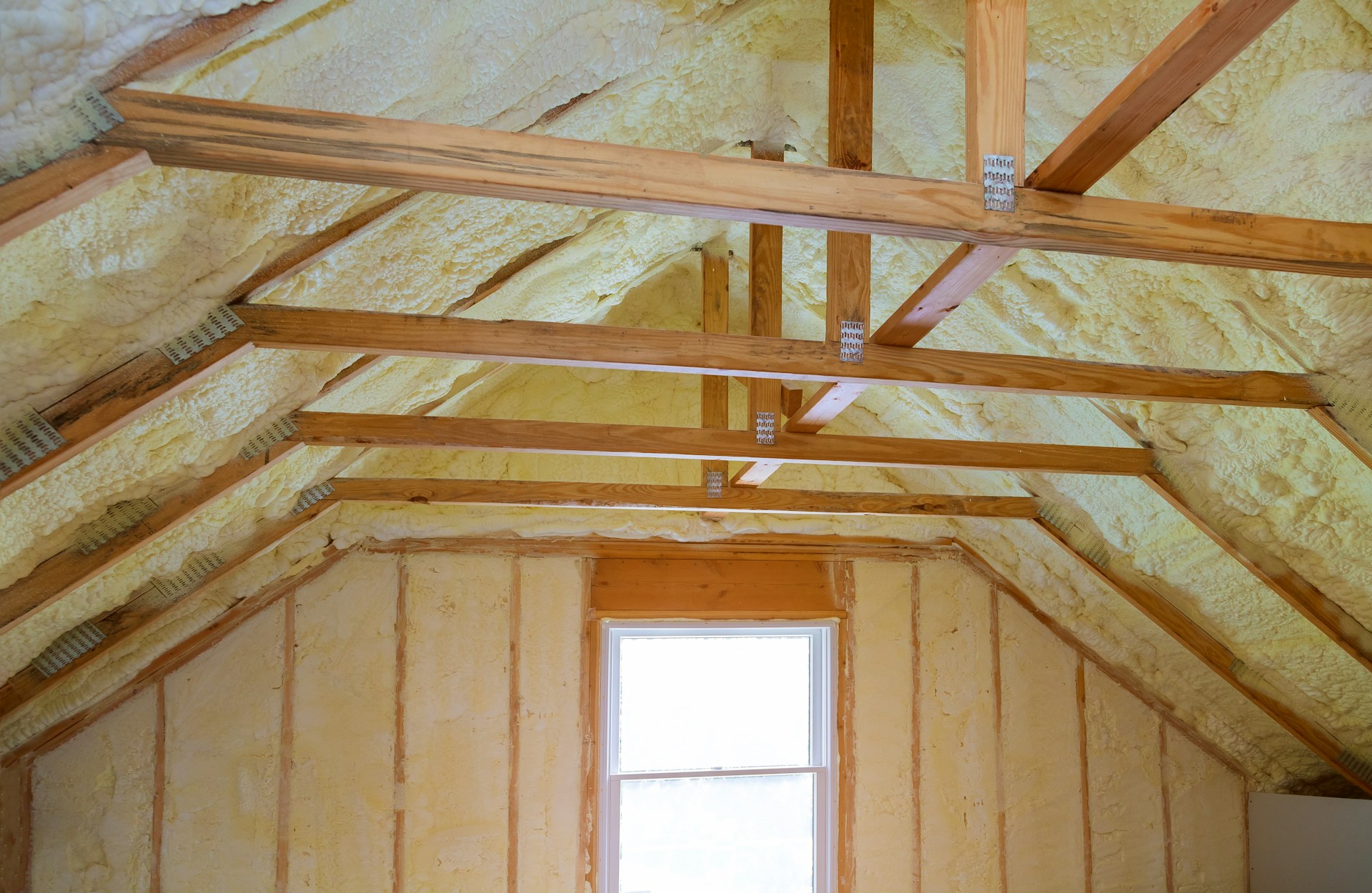
What Happens When Roof Leaks Reach Your Attic Insulation
.jpg)
Florida Rubber Roofing Myths Homeowners Should Stop Believing
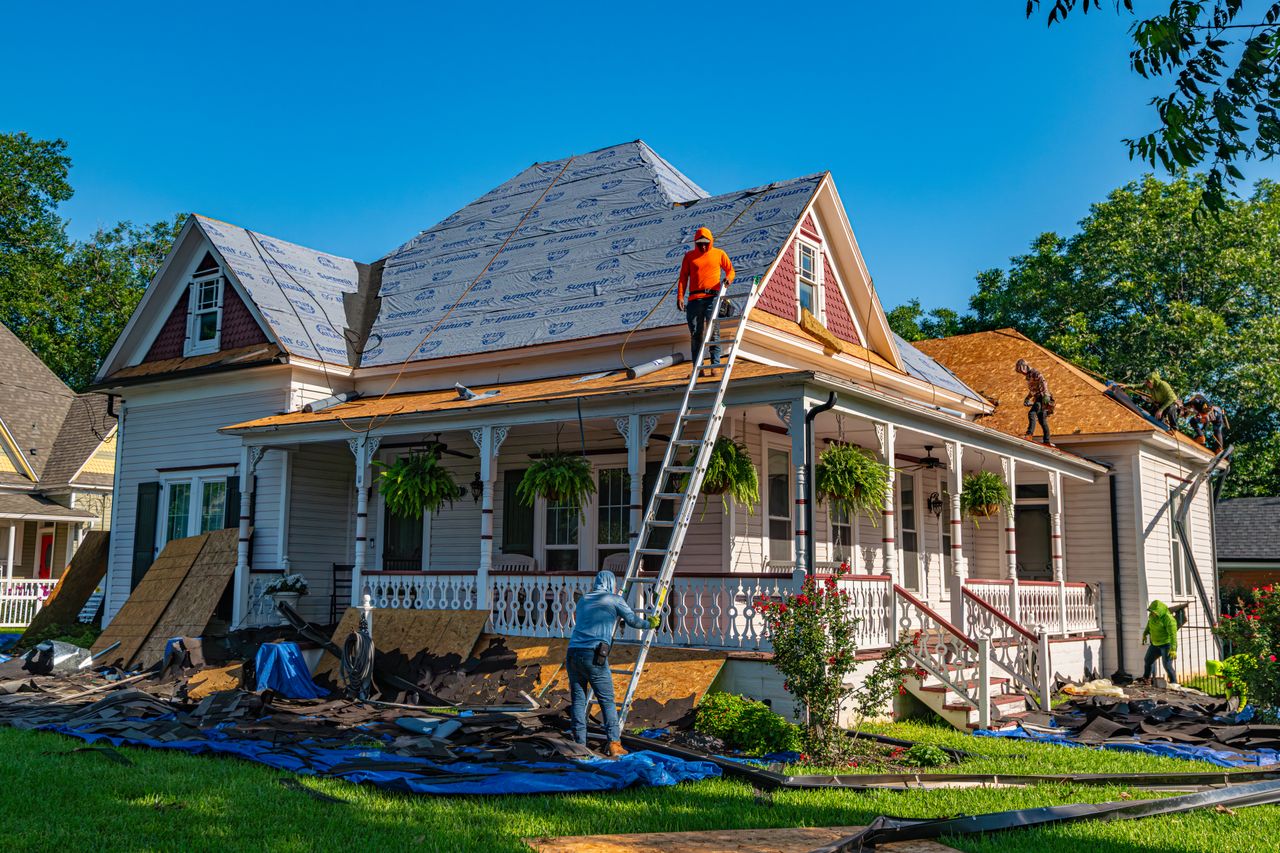
Storm Damage Roof Repairs Florida HOAs Often Underestimate
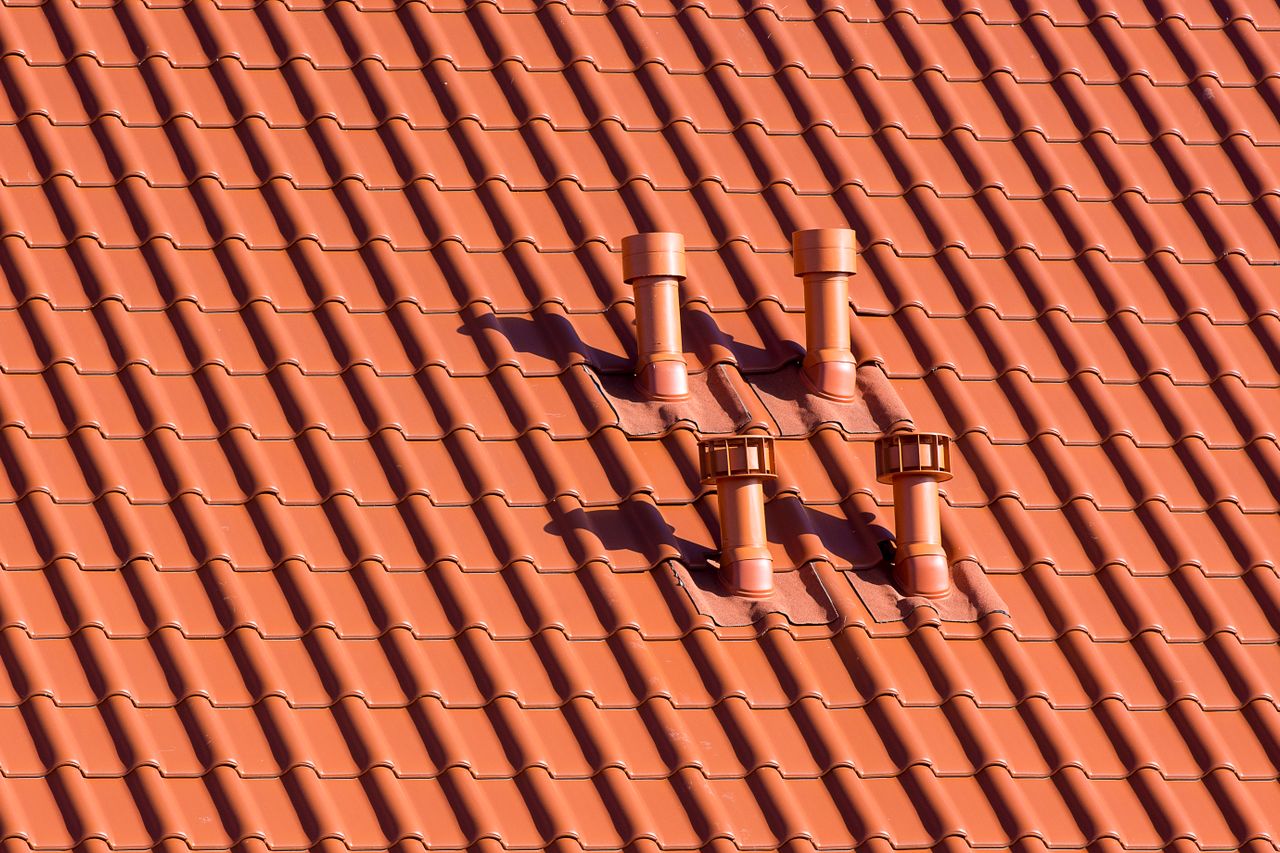
Questioning Roof Cleaning Services in Florida’s Humid Climate

Smart Roof Maintenance Plans for Florida Apartment Complexes
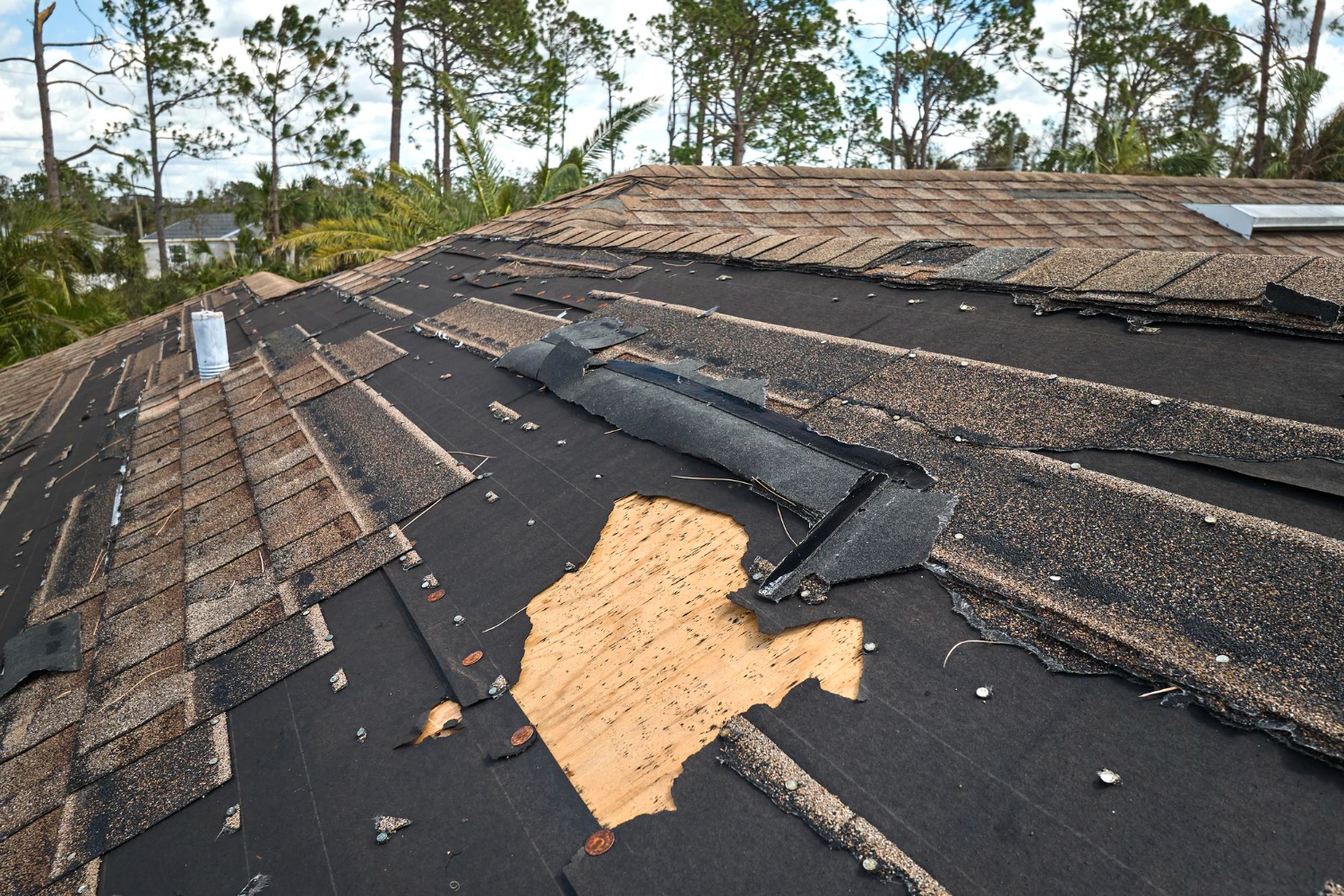
Hidden Cost Drivers in Florida Roof Replacements: Permits, Codes, Fees

Early-Morning Roof Leak Repair in Gainesville Summer Storms
Is a Standing Seam Metal Roof Right for Florida Homes
Questioning Your Roof Warranty in Florida’s Storm Belt
How to Choose Roof Underlayment and Waterproofing for Florida Weather
.jpg)
Why Gainesville Homebuyers Need a Dedicated Roofing Company Partner

What Gainesville Homeowners Miss in Post-Storm Roof Inspections
.jpg)
Summer Roof Maintenance Plans for Florida Homes

Roof Financing Options Florida Homeowners Should Understand

Pre-Listing Roof Inspection Tips for Gainesville Sellers
Florida Cracked Roof Tiles That Look Minor but Leak Big
Why Gainesville Roof Vent Leaks Start in the Attic First

Signs Your Florida Flat Roof Needs Professional Repair

Roof Tarping Emergency Steps for Florida Storm Nights
Understanding Hail Damage Roof Claims in Florida
.jpg)

Roof Insurance Claim Help for Florida Storm Seasons

Roof Ventilation Problems Florida Homeowners Overlook

When to Consider Roof Replacement in the Florida Climate
Ridge Vent Installation Guide for Better Attic Ventilation
Modified Bitumen Roofing For Flat & Low-Slope Buildings
GAF Timberline Shingles: Features, Cost, and Benefits

GAF Timberline HDZ: Complete Guide For Homeowners
EPDM Rubber Roofing: Benefits, Costs, and Installation
Dimensional Shingles: Boost Curb Appeal And Roof Protection
Clay Tile Roofing: Benefits, Costs, And Lifespan Guide

Chimney Flashing Repair: Stop Chimney Leaks Fast

Built-Up Roofing Guide for Flat Commercial Roofs
Best Roofing Material for Florida Homes: 2026 Guide

Why Attic Ventilation Matters For A Healthier Home

Standing Seam Metal Roof: Benefits, Cost, and Installation

Same Day Roof Repair: Fast Emergency Solutions For Your Home
Roofing Contractors In Ocala, FL: How To Choose With Confidence
Roofing Company In Ocala, FL: How To Choose A Trusted Pro
Roofers Gainesville, FL: How To Choose A Trusted Pro

Roof Repair In Ocala, FL: How To Choose A Trusted Contractor

Roof Repair In Gainesville, FL: Fast Help For Storms

Metal Roofing In Gainesville, FL: Durable Roofs That Cut Bills
Why Hiring A GAF Master Elite Roofer Matters

Corrugated Metal Roofing: Durable, Affordable Roof Guide

Best Shingles for Florida: Top Hurricane-Resistant Options

Architectural Shingles: Durable, Stylish Roofing Guide
24/7 Roof Repair: Fast Emergency Help When You Need It

.svg)


.svg)
.svg)
.svg)
.svg)
