Standing Seam Metal Roof: Benefits, Cost, and Installation

Choosing the right roof can feel overwhelming, especially when you want something that lasts longer than traditional shingles. Many homeowners worry about frequent repairs, storm damage, and rising energy costs.
A standing seam metal roof offers a durable alternative designed for long-term performance. At Energy Roofing Companies, homeowners often explore this option for its strong weather protection and clean, modern design.
This guide explains how a standing seam metal roof works, its benefits, installation considerations, costs, and design options. By the end, you will understand whether this roofing system fits your home and long-term plans.
What Is a Standing Seam Metal Roof?
A standing-seam metal roof uses vertical metal panels that connect at raised seams above the roof surface. The fasteners remain hidden beneath these seams, protecting them from exposure to weather while creating uninterrupted lines from ridge to edge.
Because the fasteners are concealed, water cannot easily reach attachment points. This improves durability and reduces long-term maintenance concerns.
Key Features of Standing Seam Systems
The seams are the defining feature of this roofing system. These vertical legs typically rise 1 to 2.5 inches above the panel surface and run continuously from the roof peak to the eave.
Panels lock together at these seams, forming a watertight connection. You will not see screws or fasteners on the surface because they are secured underneath the seams. This design helps keep attachment points dry and protected from the elements.
Manufacturers commonly produce panels from steel or aluminum, both of which are known for corrosion resistance and long-term durability. The interlocking design also allows the metal to expand and contract with temperature changes without damaging the roof structure.
Types of Standing Seam Panels
Several panel systems are used in standing seam metal roof installations. Each type connects panels differently and offers unique advantages depending on the roof design, climate conditions, and installation requirements.
Snap-Lock Panels
Snap-lock panels connect by clicking together without specialized crimping tools. This system installs faster than other panel types, reducing labor time. However, snap-lock systems may offer slightly less wind resistance than mechanically seamed panels in extreme weather conditions.
Mechanical Lock Panels
Mechanical lock panels require a seaming machine to crimp the panels together after installation. This creates one of the strongest and most secure panel connections available. Because of their durability, mechanical lock systems are often used on commercial buildings or roofs exposed to strong winds.
Batten Cap Panels
Batten cap panels use a separate cap piece that covers the seam between panels. This design adds an extra layer of protection while creating a bold vertical line across the roof surface. Batten cap systems are often chosen for their distinctive architectural appearance.
Nail Flange Panels
Nail flange panels attach through a concealed flange along the panel edge rather than using clips. This system simplifies installation and can reduce costs. Nail flange panels are sometimes used on lower-slope roofs, although they typically allow less movement for thermal expansion than clip-based systems.
How Standing Seam Differs from Other Metal Roofs
Traditional metal roofing systems often use exposed fasteners across the panel surface. Over time, the rubber washers around these screws can degrade, allowing leaks to develop.
A standing seam metal roof keeps fasteners hidden beneath the panels. This protects them from UV exposure and moisture, helping the roof last longer.
Additionally, other metal roofing systems use overlapping panels that lie flat against the roof surface. Standing seam systems connect vertically with raised seams, which improves water shedding and allows for better movement during temperature changes.
Benefits of Standing Seam Metal Roofs
A standing seam metal roof offers long-term value through durability, energy performance, weather protection, and minimal maintenance requirements.
Durability and Longevity
Standing seam metal roofs often last 40 to 70 years when properly installed and maintained. This is significantly longer than asphalt shingles, which typically last 15 to 20 years.
The vertical panel design and raised seams create a strong roofing system that resists cracking, curling, and deterioration. Metal panels also perform well against hail and falling debris. Because the fasteners remain hidden beneath the seams, they avoid exposure to sunlight and weather. This helps prevent leaks and extends the overall lifespan of the roof.
Energy Efficiency Advantages
A standing seam metal roof reflects solar heat rather than absorbing it. This helps keep attic spaces and living areas cooler during hot weather. Homeowners may see cooling cost reductions of 10 to 25 percent, depending on insulation and climate conditions.
Many metal panels also support cool roof coatings that increase reflectivity. These coatings can reduce roof surface temperatures by 50 to 60 degrees on sunny days.
The roofing system also allows space for additional insulation beneath the panels, improving indoor comfort and energy performance year-round.
Weather Resistance
Standing seam systems perform well in challenging weather conditions. The interlocking panels create tight seals that help prevent rain intrusion.
When properly installed, these roofs can withstand winds of up to 140 miles per hour. The raised seams and concealed fasteners reduce the number of points where wind can lift panels.
Metal roofing also carries a Class A fire rating, the highest available. The material does not ignite from lightning strikes or nearby fires, and snow or ice typically slides off the smooth surface.
Low Maintenance Requirements
Maintenance for a standing seam metal roof is relatively simple. Annual inspections and occasional cleaning are usually sufficient.
Homeowners should remove leaves or debris from roof valleys and around vents once or twice per year. Because the fasteners remain hidden, there are no exposed screws that require tightening or replacement. Metal roofing also naturally resists moss, algae, and mildew, reducing the need for chemical treatments.
Installation Considerations
Installing a standing seam metal roof requires careful planning and precise workmanship. The installation process uses specialized tools and techniques that differ from traditional roofing systems.
Overview of the Installation Process
Installation begins with preparing a solid roof deck, typically made from plywood or OSB. This surface provides the support needed for metal panels.
Next, installers apply a moisture barrier or underlayment to protect the structure beneath the roof. Metal panels are then installed, starting from one edge of the roof. Each panel locks into the next through clips and seams.
Clips attach the panels to the roof deck at intervals of 12 to 24 inches. These clips allow the metal to move slightly as temperatures change while keeping fasteners hidden beneath the panels.
A mechanical seamer may then crimp the seams together to create a watertight connection. Installers use metal brakes to form trim pieces for edges, valleys, and penetrations. Finally, ridge caps seal the roof peak and complete the system.
Professional vs. DIY Installation
Professional installation typically ranges between $9 and $16 per square foot, including labor and materials.
Hiring experienced professionals is important because this roofing system requires specialized equipment such as seamers and metal brakes. Proper clip spacing and installation methods are also required to maintain manufacturer warranties.
While some homeowners consider DIY installation, the process can be complex. Incorrect seam crimping, panel alignment, or clip spacing may lead to leaks or warranty issues. Roof complexity also matters. Simple gable roofs with few penetrations are easier to install than roofs with multiple angles, skylights, or dormers.
Common Mistakes to Avoid
One common installation mistake is incorrect clip spacing. If clips are placed too far apart, panels may shift or buckle. If they are too close together, the metal may not expand properly with temperature changes.
Another issue occurs when installers skip the solid deck. Without continuous support, panels may develop visible waviness called oil canning.
Improper seam crimping can also allow water infiltration. Mechanical seamers must apply even pressure along the entire seam.
Ignoring thermal expansion is another risk. Metal roofing expands and contracts as temperatures fluctuate, so fastening systems must allow for that movement. Failure to follow building codes or manufacturer specifications may also lead to warranty problems or safety concerns.
Cost and Value
A standing seam metal roof involves a higher initial investment than traditional roofing materials. However, many homeowners consider the long-term value worthwhile.
Material and Labor Costs
Professionally installed standing seam metal roofing usually costs $8 to $14 per square foot. For a typical 2,000-square-foot home, this results in an estimated cost between $16,000 and $28,000.
Material choice significantly affects price. Steel and aluminum panels are more affordable, while copper and zinc systems cost more. Panel thickness and protective finishes also influence cost.
Roof complexity can increase labor requirements. Roofs with multiple valleys, dormers, or skylights require additional cutting, flashing, and installation time.
Return on Investment
A standing-seam metal roof may recover 85 to 95 percent of its installation cost at resale. This return often exceeds that of many premium roofing materials. Durability and long warranties make metal roofing appealing to buyers. In regions prone to severe weather, these benefits can increase property value.
Energy efficiency can also influence resale value. Homes with energy-efficient roofing systems may attract buyers looking for lower operating costs.
Long-Term Savings
Long-term savings come from reduced maintenance and fewer replacements. While asphalt shingles often require replacement every 15 to 25 years, metal roofing can last 40 to 60 years or longer.
Metal roofs reflect up to 70 percent of solar radiation, which can reduce cooling costs by 10 to 25 percent in warmer climates.
Insurance companies may also offer discounts for metal roofing because of its fire resistance and durability. Some homeowners see premium reductions between 10 and 30 percent, depending on the insurer.
Design Options and Customization
A standing-seam metal roof offers flexibility in appearance through various panel profiles, finishes, and colors. This allows homeowners to match the roof with their architectural style.
Panel Profiles and Finishes
Panel profile influences both appearance and performance. Many manufacturers offer seam heights ranging from 1 to 3 inches, with taller seams providing stronger weather protection.
Common panel widths include:
- 12 inches for a narrow, traditional look
- 16 inches, the most common residential size
- 18 inches for a wider, modern appearance
Homeowners can choose between snap-lock systems and mechanical seam systems. Snap-lock panels install faster, while mechanical seams offer stronger weather resistance.
Protective finishes are also important. Kynar 500® and Hylar 5000® coatings provide long-lasting color protection and resist fading, chalking, and corrosion.
Color Choices and Aesthetic Appeal
Modern metal roofing offers a wide range of color choices. Many manufacturers provide 30 or more standard colors, allowing homeowners to match roofing with siding, trim, or surrounding landscapes.
Popular colors include charcoal gray, slate blue, forest green, and various brown tones. These colors often complement natural surroundings.
Lighter shades such as white, tan, and light gray reflect more sunlight and can help improve cooling efficiency in warm climates. Metallic finishes create reflective highlights, while matte finishes offer a softer and more subtle appearance.
Compatible Architectural Styles
A standing seam metal roof works well with many architectural styles. Modern and contemporary homes often feature wider panels in dark shades such as black or charcoal gray. These colors highlight clean lines and minimalist design.
Traditional and farmhouse homes often use narrower panels in classic colors such as red, green, or charcoal. Earth-tone panels also complement Craftsman homes with wood or stone accents.
Standing seam systems are also common on barns, agricultural buildings, and commercial properties. The vertical panel lines add visual interest while delivering strong weather protection.
A Long-Term Roofing System Built for Performance
A standing seam metal roof offers durability, energy efficiency, and strong weather resistance. Its hidden fasteners, vertical seams, and long lifespan make it a reliable option for homeowners who want lasting protection and modern design.
For homeowners in North Central Florida, Energy Roofing Companies helps evaluate whether this roofing system fits your property, budget, and long-term goals. The team provides inspections, material guidance, and installation expertise built around Florida building standards.
If you are exploring a metal roofing upgrade, the next step is understanding your roof’s condition and design options. Schedule a free inspection to learn more about installing a standing-seam metal roof on your home.
Frequently Asked Questions
How Long Does A Standing Seam Metal Roof Last?
A standing seam metal roof typically lasts between 40 and 70 years when properly installed and maintained. This lifespan is significantly longer than that of asphalt shingles, which often need replacement after 15 to 25 years.
The longevity comes from the system’s concealed fasteners and interlocking panels, which reduce exposure to weather and limit common leak points. Regular inspections can help ensure the roof performs well for decades.
Is A Standing Seam Metal Roof More Expensive?
Yes, a standing seam metal roof usually costs more upfront than traditional roofing materials. Most installations range between $8 and $14 per square foot, depending on metal type, roof complexity, and labor.
However, the longer lifespan, lower maintenance, and potential energy savings often help balance the higher initial investment over time.
Is A Standing Seam Metal Roof Good For Hot Climates?
A standing seam metal roof performs well in warm climates because metal reflects solar heat instead of absorbing it. This reflective property helps reduce attic heat buildup and improve indoor comfort.
Many systems also support cool roof coatings, which can further improve energy efficiency and reduce cooling costs during the hottest months.
Can A Standing Seam Metal Roof Withstand Strong Winds?
When installed correctly, a standing seam metal roof offers strong wind resistance. Many systems are rated to handle winds up to 140 miles per hour, depending on panel type and installation method.
The raised seams and concealed fasteners create fewer points where wind can lift panels compared to roofing systems with exposed screws.
Does A Standing Seam Metal Roof Require Maintenance?
Maintenance requirements for a standing seam metal roof are minimal. Most homeowners only need annual inspections and occasional cleaning to remove debris from valleys or roof penetrations.
Because the fasteners are hidden, there are no exposed screws that typically require tightening or replacement over time.
Can Solar Panels Be Installed On A Standing Seam Metal Roof?
Yes, solar panels can often be installed on a standing seam metal roof using specialized clamps that attach directly to the seams. This method avoids drilling holes into the roof panels. Because no penetrations are required, the roof’s waterproof integrity remains intact while supporting solar energy systems.
Related posts
Apartment Complex Roofing Decisions Property Managers Regret
What Gainesville Roofers Recommend Before Your First Skylight Installation
Questioning Roof Coating Services for Florida Flat Roofs
Choosing Roof Replacement After Florida Hurricane Landfall
.jpg)
How Florida Insurance, Wind Mitigation Credits, and Deductibles Affect Roof
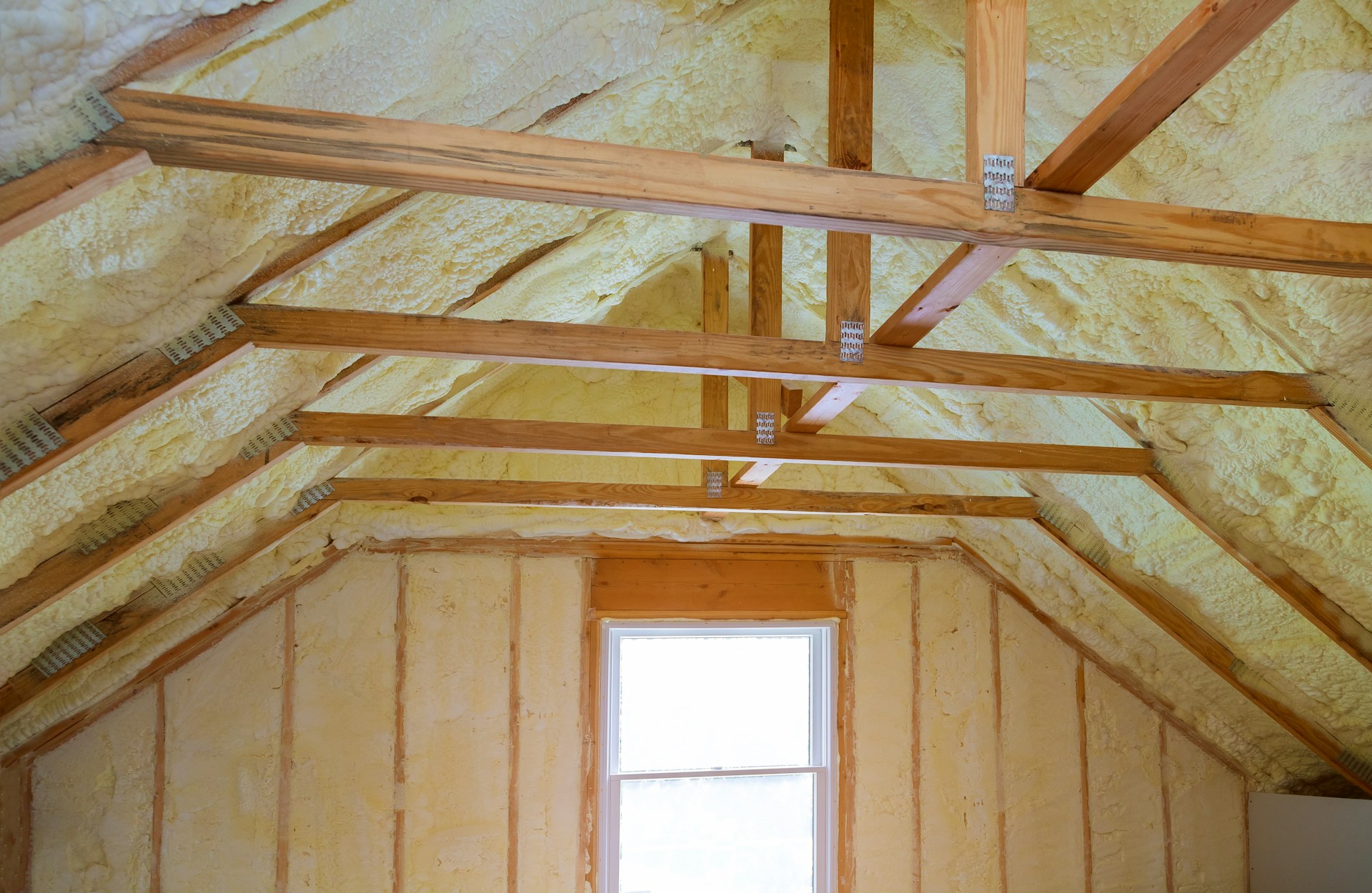
What Happens When Roof Leaks Reach Your Attic Insulation
.jpg)
Florida Rubber Roofing Myths Homeowners Should Stop Believing
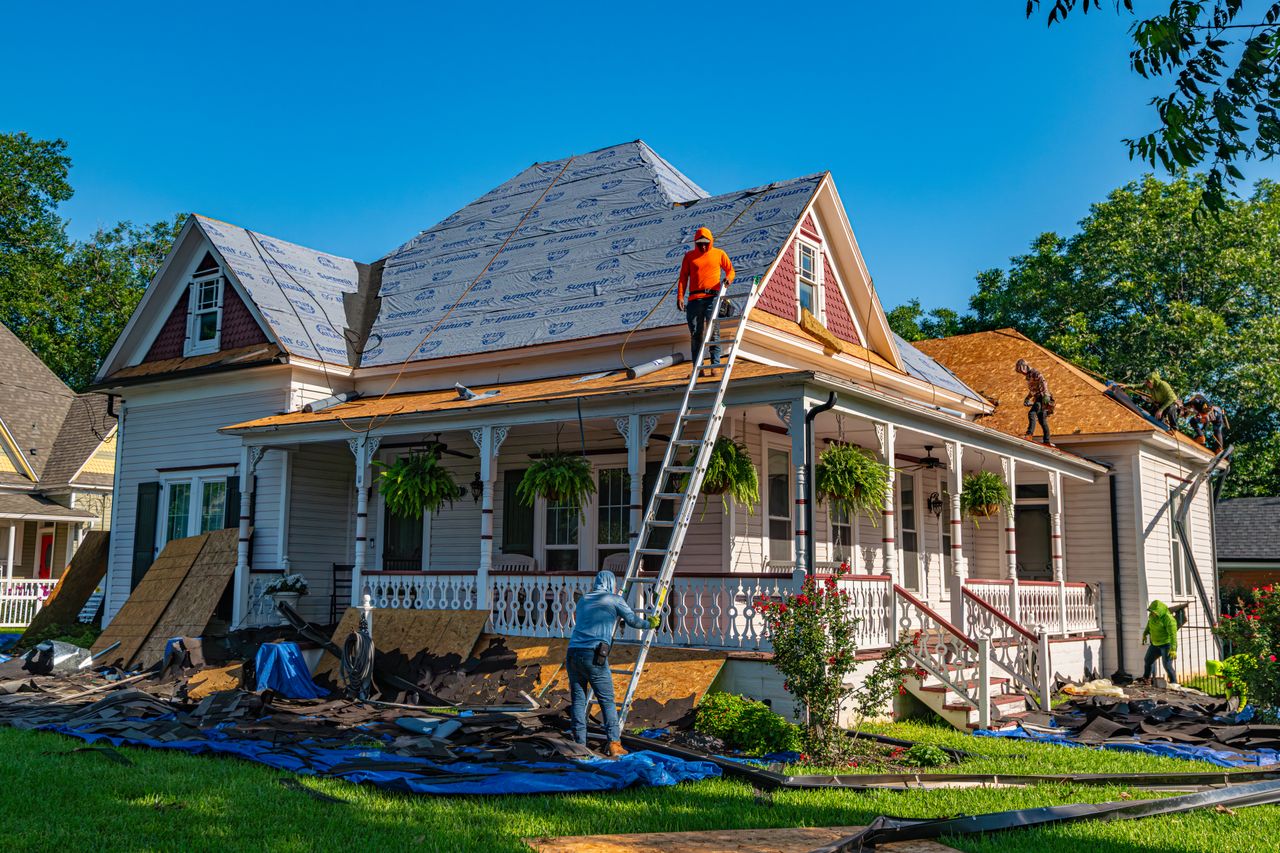
Storm Damage Roof Repairs Florida HOAs Often Underestimate
Questioning Roof Cleaning Services in Florida’s Humid Climate
Smart Roof Maintenance Plans for Florida Apartment Complexes
Hidden Cost Drivers in Florida Roof Replacements: Permits, Codes, Fees

Early-Morning Roof Leak Repair in Gainesville Summer Storms
Is a Standing Seam Metal Roof Right for Florida Homes
Questioning Your Roof Warranty in Florida’s Storm Belt
How to Choose Roof Underlayment and Waterproofing for Florida Weather
.jpg)
Why Gainesville Homebuyers Need a Dedicated Roofing Company Partner

What Gainesville Homeowners Miss in Post-Storm Roof Inspections
.jpg)
Summer Roof Maintenance Plans for Florida Homes

Roof Financing Options Florida Homeowners Should Understand

Pre-Listing Roof Inspection Tips for Gainesville Sellers
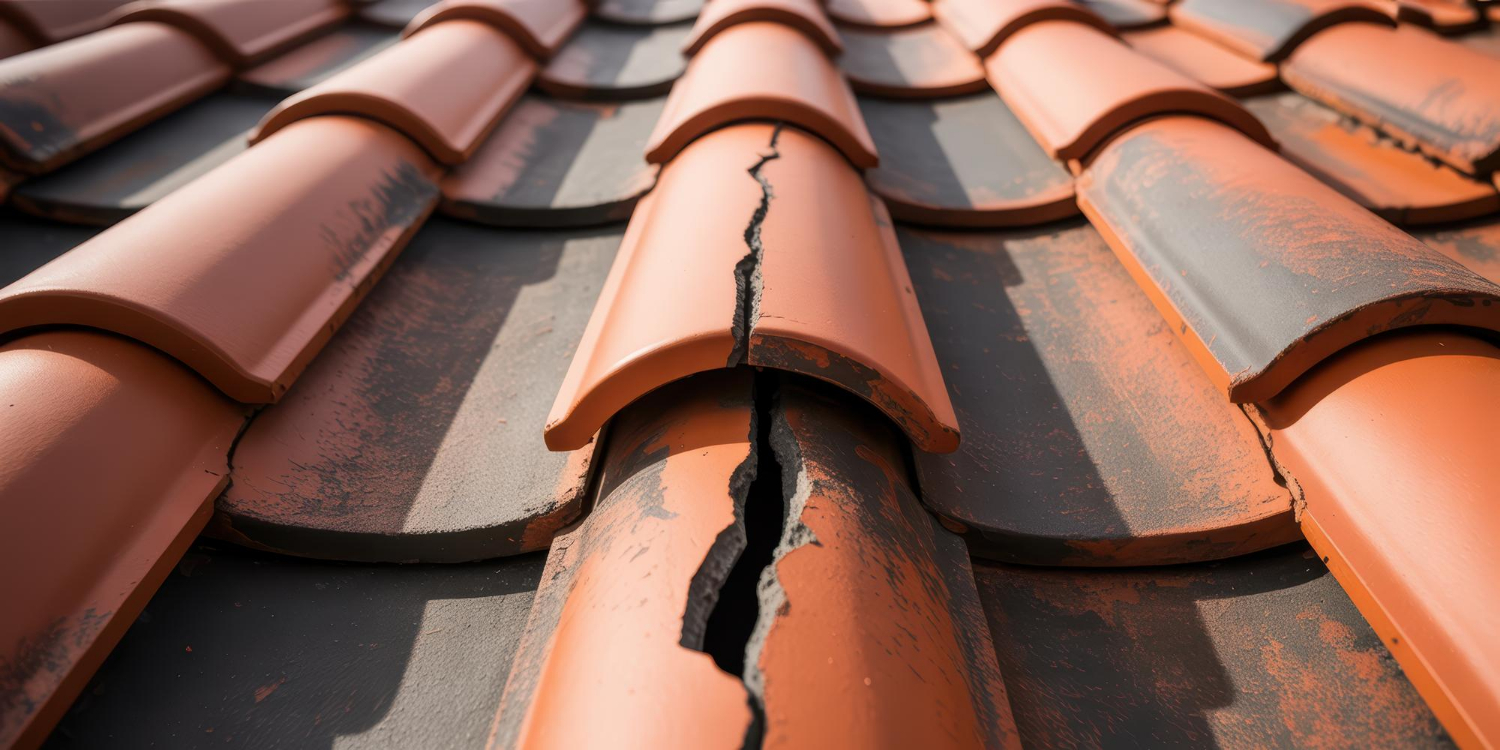
Florida Cracked Roof Tiles That Look Minor but Leak Big
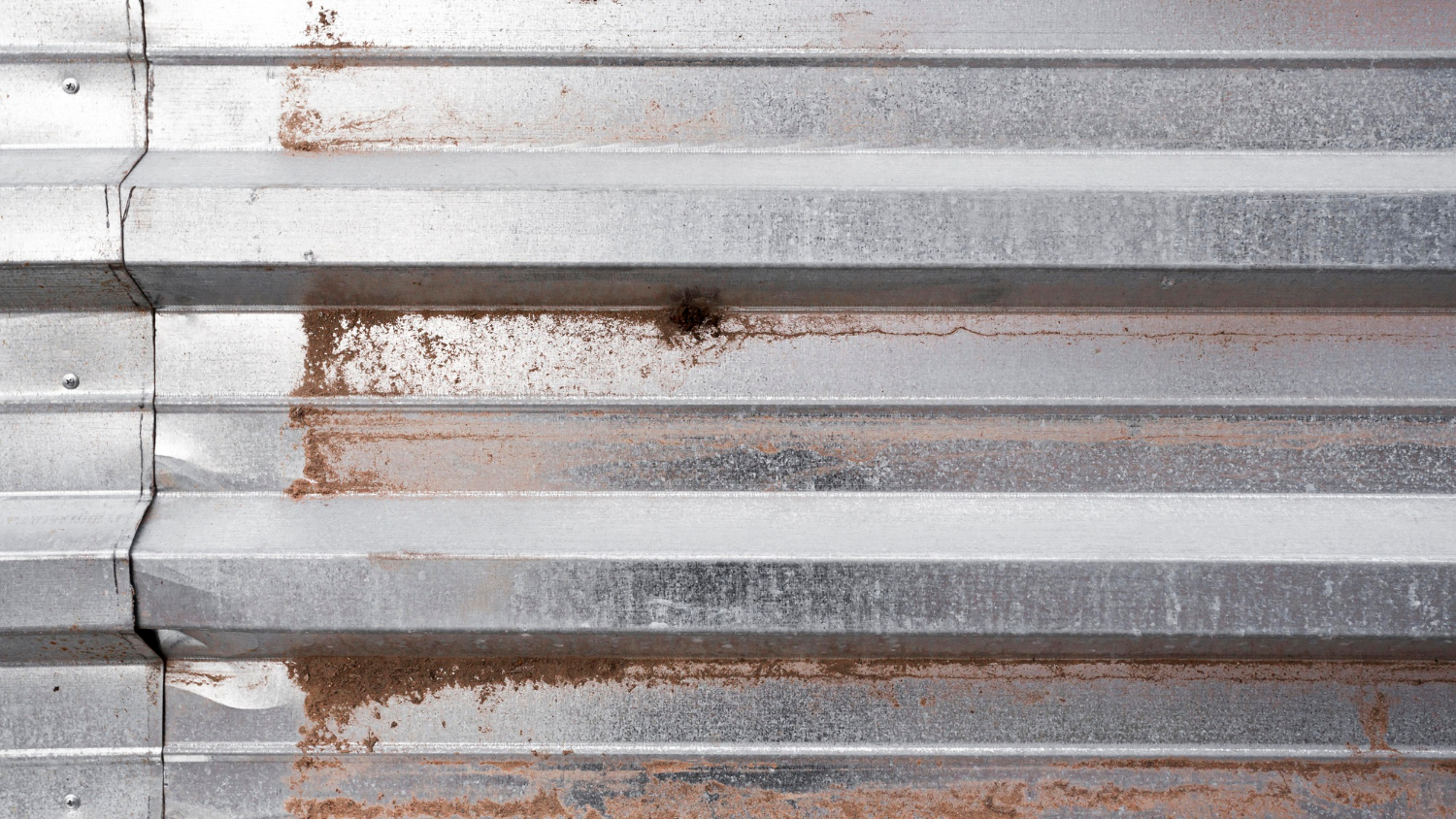
Why Gainesville Roof Vent Leaks Start in the Attic First

Signs Your Florida Flat Roof Needs Professional Repair

Roof Tarping Emergency Steps for Florida Storm Nights
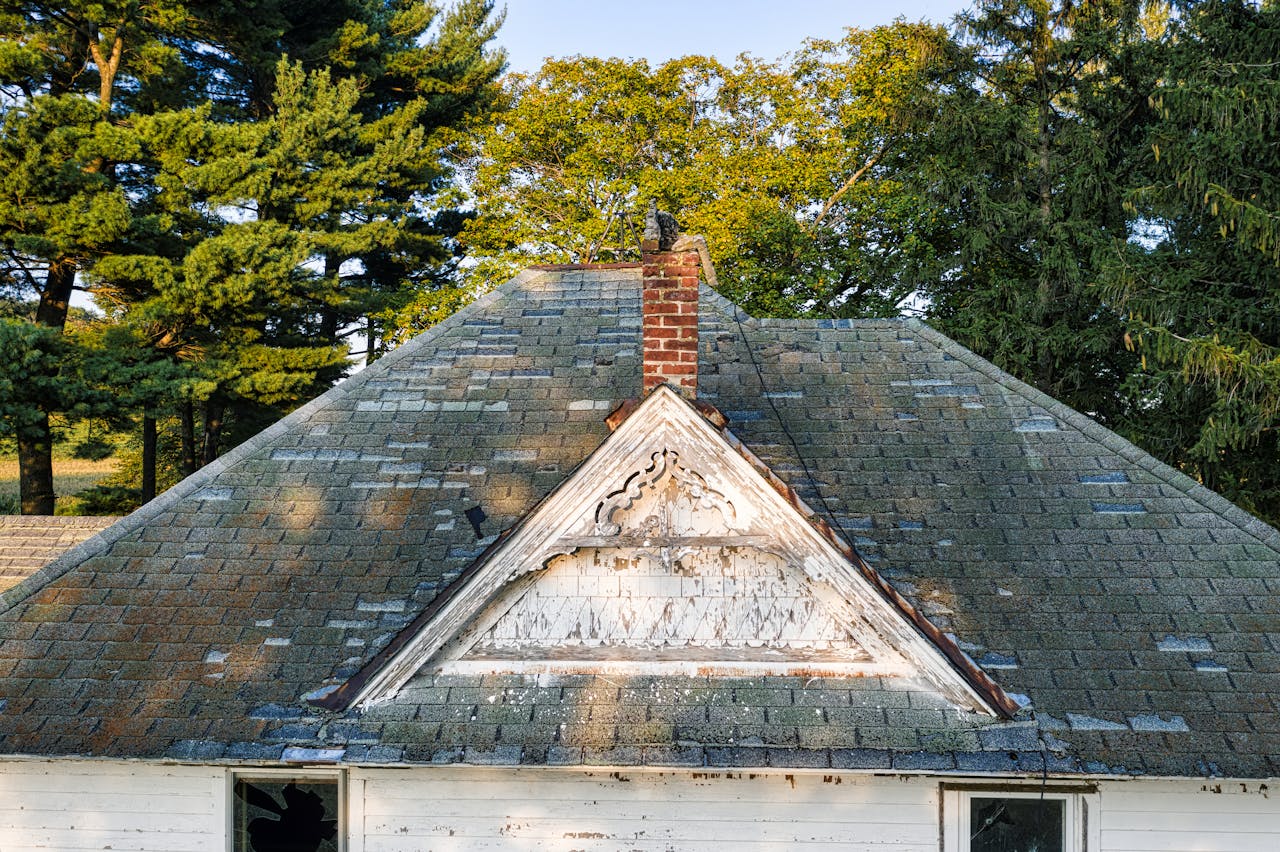
Understanding Hail Damage Roof Claims in Florida
.jpg)

Roof Insurance Claim Help for Florida Storm Seasons

Roof Ventilation Problems Florida Homeowners Overlook

When to Consider Roof Replacement in the Florida Climate
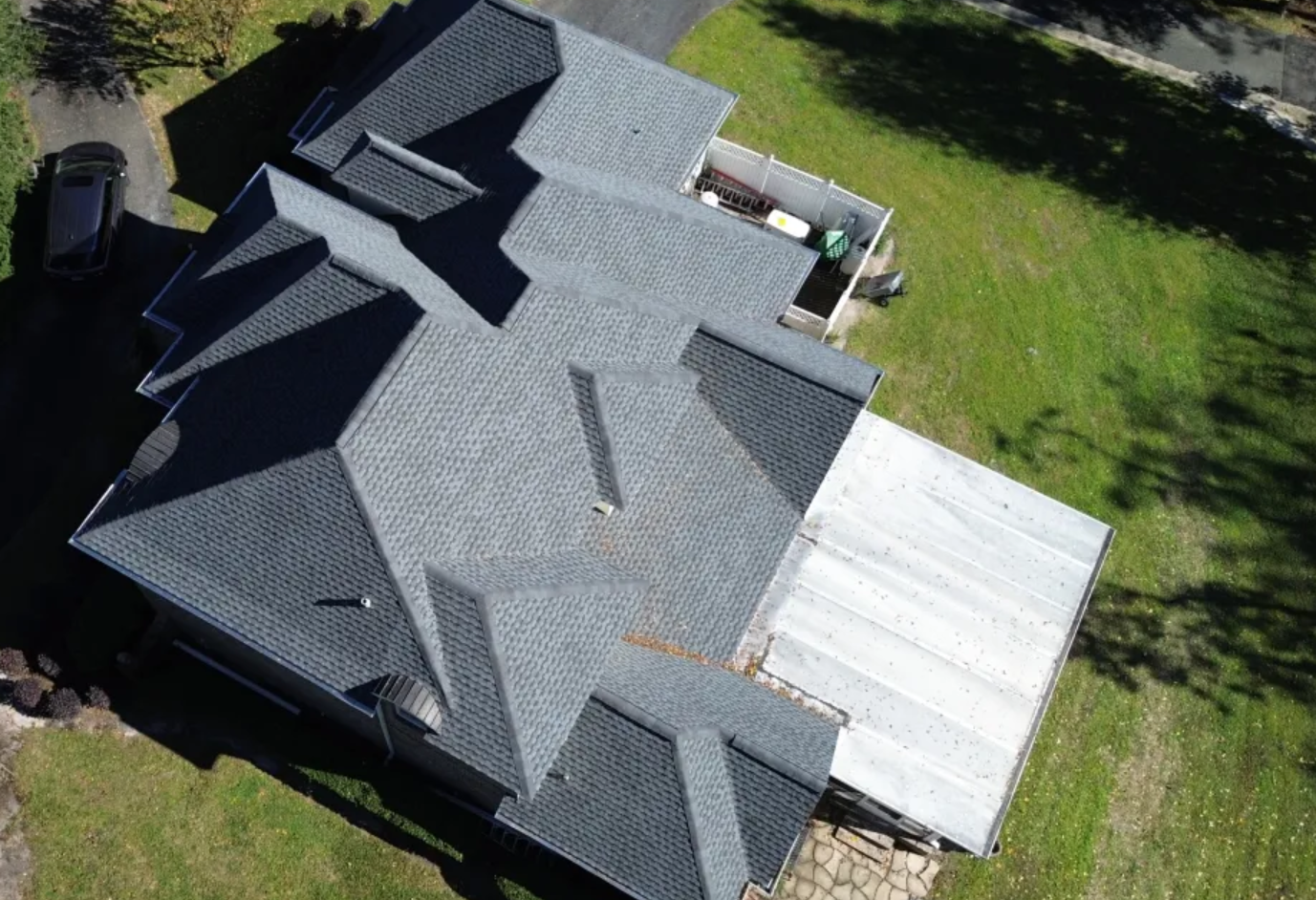
Ridge Vent Installation Guide for Better Attic Ventilation
Modified Bitumen Roofing For Flat & Low-Slope Buildings
GAF Timberline Shingles: Features, Cost, and Benefits

GAF Timberline HDZ: Complete Guide For Homeowners
EPDM Rubber Roofing: Benefits, Costs, and Installation
Dimensional Shingles: Boost Curb Appeal And Roof Protection

Clay Tile Roofing: Benefits, Costs, And Lifespan Guide

Chimney Flashing Repair: Stop Chimney Leaks Fast

Built-Up Roofing Guide for Flat Commercial Roofs
Best Roofing Material for Florida Homes: 2026 Guide

Why Attic Ventilation Matters For A Healthier Home
Standing Seam Metal Roof: Benefits, Cost, and Installation

Same Day Roof Repair: Fast Emergency Solutions For Your Home
Roofing Contractors In Ocala, FL: How To Choose With Confidence
Roofing Company In Ocala, FL: How To Choose A Trusted Pro
Roofers Gainesville, FL: How To Choose A Trusted Pro

Roof Repair In Ocala, FL: How To Choose A Trusted Contractor

Roof Repair In Gainesville, FL: Fast Help For Storms

Metal Roofing In Gainesville, FL: Durable Roofs That Cut Bills
Why Hiring A GAF Master Elite Roofer Matters

Corrugated Metal Roofing: Durable, Affordable Roof Guide

Best Shingles for Florida: Top Hurricane-Resistant Options

Architectural Shingles: Durable, Stylish Roofing Guide
24/7 Roof Repair: Fast Emergency Help When You Need It

.svg)


.svg)
.svg)
.svg)
.svg)
