GAF Timberline Shingles: Features, Cost, and Benefits
Choosing the right roof can feel overwhelming, especially when you want something that lasts without sacrificing curb appeal. Many homeowners struggle to balance durability, cost, and style when comparing roofing materials.
That’s why GAF Timberline shingles have become a popular option for many homes. At Energy Roofing Companies, we often recommend architectural shingles like these because they provide dependable performance while maintaining a clean, dimensional look.
In this guide, you’ll learn what makes Timberline shingles unique, how they perform in real-world conditions, and what to consider before choosing them for your roof.
What Are GAF Timberline Shingles?
GAF Timberline shingles are architectural asphalt shingles manufactured by GAF, a roofing company based in New Jersey. The company has produced the Timberline line since 1967, and more than 130 million square feet have been installed across North America.
Each shingle is built with a fiberglass mat core coated in asphalt and ceramic granules. This layered construction improves strength while helping protect the shingle from moisture, sunlight, and temperature changes.
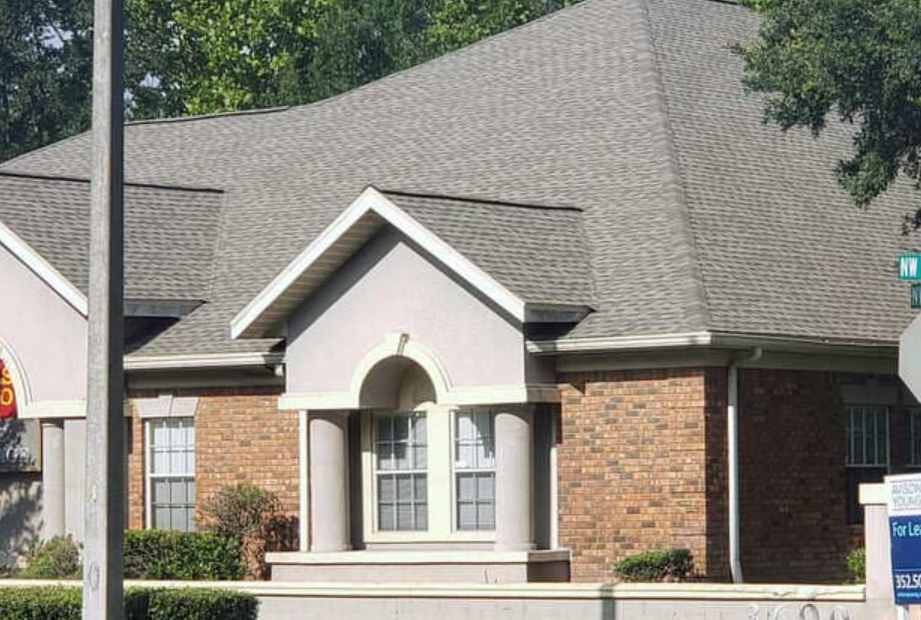
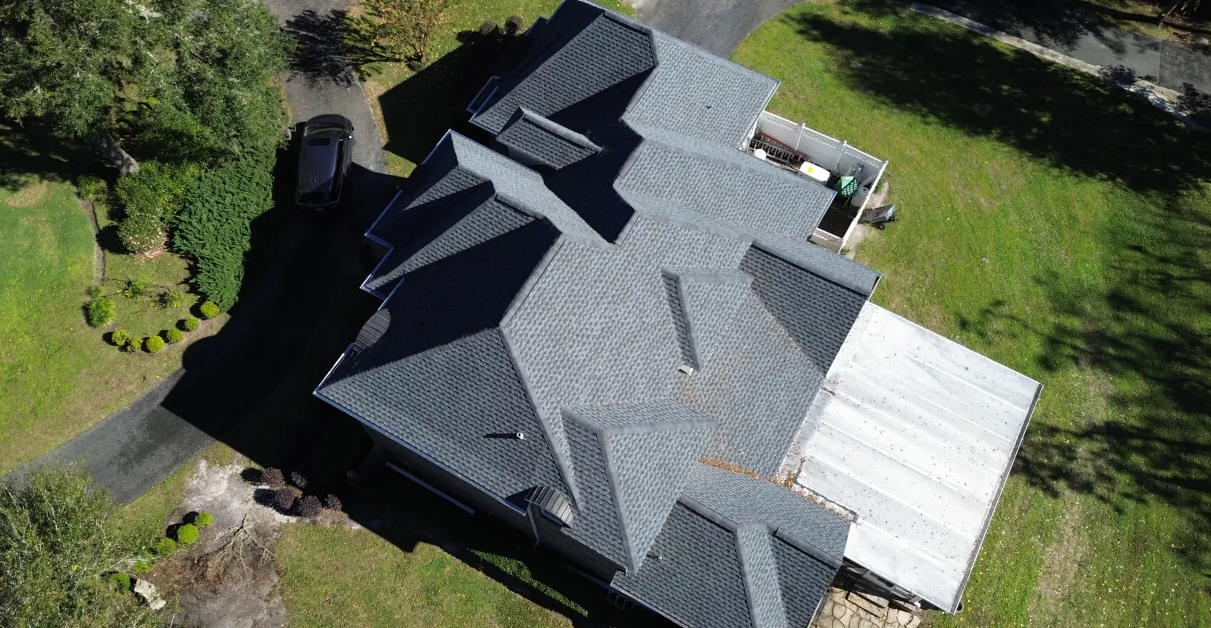
The dual-layer structure also creates the dimensional appearance homeowners often associate with higher-end roofing materials. Instead of the flat look of three-tab shingles, Timberline shingles provide depth and texture similar to traditional wood shake roofs.
Benefits of Choosing GAF Timberline
Homeowners often choose GAF Timberline shingles because they offer a strong balance between performance and cost. Many products include a transferable lifetime limited warranty, which helps protect your investment and may add resale value to your home.
These shingles are also designed to handle challenging weather conditions. Many models feature Dura Grip adhesive seals, which help shingles resist high winds when installed correctly.
Another advantage is fire protection. Timberline shingles carry a Class A fire rating, the highest fire resistance classification available for roofing materials.
Because they combine durability, attractive design, and dependable warranties, Timberline shingles often represent a practical middle ground between budget roofing and premium designer options.
Types of GAF Timberline Shingles
Several versions of GAF Timberline shingles are available to suit different budgets and performance goals.
Timberline HDZ is the flagship architectural shingle in the lineup. It offers enhanced installation technology and a wide range of color options, giving homeowners greater flexibility when matching their roof to their home’s exterior.
For homeowners seeking a thicker, more premium appearance, Timberline Ultra provides a heavier design. These shingles are roughly 25 percent thicker and heavier than standard Timberline products, which creates a deeper shadow effect and more pronounced texture.
While the product lines share the same architectural concept, they differ in weight, thickness, warranty coverage, and aesthetic impact. Choosing the right version often depends on your budget, design preferences, and long-term performance goals.
Product Features and Technology
One reason GAF Timberline shingles remain so widely used is their combination of design features and proprietary technologies. These innovations are designed to improve durability, enhance appearance, and help roofs perform reliably over time.
Advanced Protection Shingle Technology
Advanced Protection Shingle Technology focuses on creating shingles that balance strength, weight, and durability. The goal is to produce roofing materials that can withstand common stress factors without becoming excessively heavy.
This engineering approach helps shingles resist cracking, splitting, and impact damage. The materials remain flexible enough to adapt to temperature changes, which reduces the risk of premature wear.
Another key component is LayerLock Technology, which strengthens the bond between overlapping shingle layers. This design helps create a more stable roofing system that resists lifting during high winds.
Because the shingles are engineered to flex slightly with seasonal temperature changes, they can better withstand the constant expansion and contraction that roofs experience throughout the year.
Color and Style Options
GAF Timberline shingles are known for their high-definition appearance, which resembles traditional wood shake roofing. The dimensional design creates shadow lines that add visual depth to the roof surface.
Homeowners can choose from a wide range of color options to complement their home’s architecture. Popular selections include neutral tones, warm browns, cool grays, and deep charcoal shades.
The shingles also feature StainGuard Plus Time-Release Technology, which helps prevent algae growth that can cause dark streaks on roofs. This feature is particularly valuable in humid climates where algae can develop quickly.
By combining dimensional design with color variety and algae resistance, Timberline shingles help maintain a roof’s appearance over time.
Durability and Weather Resistance
Durability is one of the defining characteristics of GAF Timberline shingles. The layered design helps protect roofs from sun exposure, heavy rainfall, and temperature fluctuations that can damage weaker materials.
When installed correctly, these shingles are capable of resisting strong winds and common weather stresses. Impact resistance also provides protection against hail or small falling debris.
Warranty coverage reflects this focus on durability. Depending on the specific series selected, warranties can range from 25 years to limited lifetime coverage.
Timberline shingles are available in several series, with prices typically ranging from $90 to $150 per roofing square, allowing homeowners to choose a product that fits both their performance needs and their budget.
Installation Process
Installing GAF Timberline shingles requires a structured process that ensures the roof performs as a complete protective system. Careful preparation, proper installation methods, and attention to detail all contribute to long-term performance.
Preparation and Planning
Every installation begins with a clean, dry, and structurally sound roof deck. Contractors typically remove old shingles and inspect the decking underneath to identify any damaged areas that need repair.
Once the deck is prepared, installers apply roofing underlayment across the entire surface. This protective layer acts as a moisture barrier and helps support the roof’s fire resistance rating.
Before installation begins, gather all required materials, including shingles, starter strips, underlayment, nails, and roofing cement. Having materials ready ensures a smoother installation process.
Weather conditions also play an important role. Roofing materials should remain dry, and installation should be avoided during rain, snow, or freezing temperatures that could interfere with sealing.
Installation Steps
Installation typically begins at the lower edge of the roof, where starter strip shingles create a secure base for the first row. A small bead of roofing cement may be applied along the edge to help anchor the starter course.
The first row of GAF Timberline shingles is installed directly above the starter strips. Roofers maintain a consistent spacing of roughly one-third to one-half inch between shingles to allow proper alignment.
As installation continues upward, each shingle overlaps the previous one by approximately two to three inches. This overlapping pattern creates a layered system that channels water down the roof.
Timberline shingles include a thermal sealant strip that activates when exposed to sunlight, bonding shingles together for additional wind resistance. To complete the installation, ridge cap shingles are placed along the roof peak. These caps protect the ridge line where two roof planes meet and help finish the roof system.
Common Mistakes to Avoid
Certain installation mistakes can reduce the performance of GAF Timberline shingles. One of the most common errors is installing shingles over unsuitable surfaces, such as insulation or unsupported decking.
Shingles require a solid, stable roof deck to perform correctly. Installing them on an unstable base can lead to premature failure. Cold-weather installation can also create problems because the thermal sealant requires warmth to activate. Without adequate sunlight or temperature, shingles may not bond properly.
Another mistake involves using excessive roofing cement. Applying more than one-eighth inch of cement can interfere with proper shingle adhesion. Finally, skipping underlayment can expose the roof deck to water damage and may also affect warranty coverage and compliance with fire ratings.
Maintenance and Longevity
With proper maintenance, GAF Timberline shingles can last 20 to 30 years, and some product lines offer warranties extending up to 50 years. Regular inspections and simple care routines can help homeowners protect their investment.
Cleaning and Care Tips
Roof maintenance should begin with biannual inspections, ideally during spring and fall. During these inspections, homeowners should look for debris such as leaves, branches, or dirt that may trap moisture.
Removing debris is best done with a leaf blower or soft-bristled broom, which clears the surface without damaging the protective granules. Pressure washing should be avoided because it can strip away these granules.
Routine maintenance tasks include clearing gutters and downspouts, trimming overhanging branches, and checking roof vents for blockages.
If algae or dark streaks appear, a 50-percent mixture of water and bleach can be applied gently using a garden sprayer. After allowing the solution to sit for 15 to 20 minutes, the roof can be rinsed with a low-pressure hose.
Signs of Wear and When to Replace
Over time, roofs may show signs of wear that indicate repairs or replacement may be needed. Missing or cracked shingles are among the most obvious warning signs.
Homeowners may also notice granules accumulating in gutters, which suggests the protective layer of the shingles is beginning to wear away. Other warning signs include curling shingles, buckling areas of the roof, or dark stains on interior ceilings that indicate water intrusion.
More serious structural indicators include daylight visible through roof boards, sagging sections of the roof deck, or widespread shingle loss after storms. While small repairs can often wait for favorable weather, active roof leaks require immediate professional attention to prevent interior damage.
Maximizing Shingle Lifespan
One of the most important factors in extending the life of GAF Timberline shingles is proper attic ventilation. Good airflow helps prevent heat and moisture buildup that can accelerate roofing deterioration.
Ideally, attic temperatures should remain close to the outdoor air temperature. Excess heat trapped in the attic can cause shingles to deteriorate faster from underneath.
Homeowners should also consider scheduling professional roof inspections every three to five years, as well as after major storms.
Addressing minor damage quickly helps prevent larger structural problems. Keeping records of inspections, repairs, and maintenance can also help support warranty claims and improve resale value.
Cost and Warranty Information
The cost of installing GAF Timberline shingles can vary widely depending on the size and complexity of the roof. In many cases, homeowners spend between $12,900 and $23,700 for a full roof replacement.
Pricing Factors
Several factors influence the total price of a roofing project. The most significant factor is the overall size of the roof, since larger roofs require more materials and labor.
Roof complexity also plays a role. Steep slopes, multiple valleys, dormers, and chimneys increase installation difficulty and labor time. Labor costs can also vary depending on regional contractor rates and market demand.
Finally, the specific Timberline product selected affects the final price. For example, Timberline Foundation shingles cost less than Timberline HDZ, which offers upgraded features and stronger warranties.
Warranty Coverage Details
Warranty coverage is an important consideration when selecting GAF Timberline shingles. The standard GAF Shingle & Accessory Limited Warranty protects against manufacturing defects that could lead to leaks.
Homeowners may qualify for enhanced coverage when installing a complete roofing system through certified contractors. The highest level of protection is the Golden Pledge Limited Warranty, which can provide 50 years of material defect coverage when installed by qualified professionals.
This warranty may also be transferable to future homeowners, which can increase the resale value of the property. Certain Timberline products also include a 15-year WindProven limited wind warranty when installed with approved accessories such as starter strips, ridge cap shingles, and roof deck protection.
Comparing Value to Other Shingles
Compared with other asphalt roofing products, GAF Timberline shingles generally fall within the mid-to-upper price range. They cost more than basic three-tab shingles but remain more affordable than designer or luxury roofing materials.
Their architectural design provides greater curb appeal and dimensional texture, helping homes achieve a more refined exterior appearance. In addition, the dual-layer construction used in Timberline HDZ models improves durability compared with standard asphalt shingles.
For many homeowners, Timberline shingles offer a practical balance between cost, performance, and appearance. When installed correctly and maintained properly, they provide long-lasting protection and reliable value.
A Reliable Roofing Choice for Long-Term Protection
GAF Timberline shingles remain a trusted option for homeowners seeking durability, strong warranties, and enhanced curb appeal. Their dimensional design and advanced protection features help roofs perform well across a variety of climates.
When installed correctly and maintained over time, these shingles provide dependable protection while enhancing the look of your home. Understanding their features and maintenance needs can help you make a confident roofing decision.
If you’re considering a roof replacement or inspection, Energy Roofing Companies can help you determine if Timberline shingles are the right fit. Schedule a free inspection to protect your home and extend your roof's lifespan.
Frequently Asked Questions
How Long Do GAF Timberline Shingles Last?
GAF Timberline shingles typically last between 20 and 30 years when installed correctly and properly maintained. Some product lines include limited lifetime warranties, which provide extended protection depending on the roofing system used.
Factors such as climate, attic ventilation, installation quality, and routine maintenance all influence how long a roof will perform effectively.
Are GAF Timberline Shingles Good for High Winds?
Yes, many GAF Timberline shingles are designed with strong wind resistance in mind. When installed with the full roofing system and proper nailing patterns, certain Timberline models can achieve wind ratings up to 110 mph or higher.
This wind resistance is supported by adhesive technologies that help shingles bond securely to each other and the roof deck.
What Makes GAF Timberline Shingles Different From 3-Tab Shingles?
The main difference is their architectural, dual-layer design. Unlike flat three-tab shingles, GAF Timberline shingles create a dimensional look that resembles wood shakes. This layered construction also improves durability and wind resistance compared to basic three-tab roofing products.
Do GAF Timberline Shingles Resist Algae and Staining?
Many Timberline products include StainGuard Plus Time-Release Technology, which helps prevent algae growth that causes dark streaks on roofs. This protection is especially useful in humid climates, where algae can develop more quickly on roofing surfaces.
How Much Do GAF Timberline Shingles Cost?
The cost of installing GAF Timberline shingles varies depending on roof size, complexity, and local labor rates. On average, homeowners may spend $12,900 to $23,700 for a full roof replacement. Higher-end Timberline products or more complex roof designs may increase total project costs.
Are GAF Timberline Shingles Worth the Investment?
Many homeowners choose GAF Timberline shingles because they offer a strong balance of durability, appearance, and warranty protection. Compared to basic asphalt shingles, they provide better curb appeal and improved performance, while still remaining more affordable than luxury roofing materials
Related posts
Apartment Complex Roofing Decisions Property Managers Regret
What Gainesville Roofers Recommend Before Your First Skylight Installation
Questioning Roof Coating Services for Florida Flat Roofs
Choosing Roof Replacement After Florida Hurricane Landfall
.jpg)
How Florida Insurance, Wind Mitigation Credits, and Deductibles Affect Roof
What Happens When Roof Leaks Reach Your Attic Insulation
.jpg)
Florida Rubber Roofing Myths Homeowners Should Stop Believing
Storm Damage Roof Repairs Florida HOAs Often Underestimate
Questioning Roof Cleaning Services in Florida’s Humid Climate
Smart Roof Maintenance Plans for Florida Apartment Complexes
Hidden Cost Drivers in Florida Roof Replacements: Permits, Codes, Fees

Early-Morning Roof Leak Repair in Gainesville Summer Storms
Is a Standing Seam Metal Roof Right for Florida Homes
Questioning Your Roof Warranty in Florida’s Storm Belt
How to Choose Roof Underlayment and Waterproofing for Florida Weather
.jpg)
Why Gainesville Homebuyers Need a Dedicated Roofing Company Partner

What Gainesville Homeowners Miss in Post-Storm Roof Inspections
.jpg)
Summer Roof Maintenance Plans for Florida Homes

Roof Financing Options Florida Homeowners Should Understand

Pre-Listing Roof Inspection Tips for Gainesville Sellers
Florida Cracked Roof Tiles That Look Minor but Leak Big
Why Gainesville Roof Vent Leaks Start in the Attic First

Signs Your Florida Flat Roof Needs Professional Repair

Roof Tarping Emergency Steps for Florida Storm Nights
Understanding Hail Damage Roof Claims in Florida
.jpg)

Roof Insurance Claim Help for Florida Storm Seasons

Roof Ventilation Problems Florida Homeowners Overlook

When to Consider Roof Replacement in the Florida Climate
Ridge Vent Installation Guide for Better Attic Ventilation
Modified Bitumen Roofing For Flat & Low-Slope Buildings
GAF Timberline Shingles: Features, Cost, and Benefits

GAF Timberline HDZ: Complete Guide For Homeowners
EPDM Rubber Roofing: Benefits, Costs, and Installation
Dimensional Shingles: Boost Curb Appeal And Roof Protection

Clay Tile Roofing: Benefits, Costs, And Lifespan Guide

Chimney Flashing Repair: Stop Chimney Leaks Fast

Built-Up Roofing Guide for Flat Commercial Roofs
Best Roofing Material for Florida Homes: 2026 Guide

Why Attic Ventilation Matters For A Healthier Home

Standing Seam Metal Roof: Benefits, Cost, and Installation

Same Day Roof Repair: Fast Emergency Solutions For Your Home
Roofing Contractors In Ocala, FL: How To Choose With Confidence
Roofing Company In Ocala, FL: How To Choose A Trusted Pro
Roofers Gainesville, FL: How To Choose A Trusted Pro

Roof Repair In Ocala, FL: How To Choose A Trusted Contractor

Roof Repair In Gainesville, FL: Fast Help For Storms

Metal Roofing In Gainesville, FL: Durable Roofs That Cut Bills
Why Hiring A GAF Master Elite Roofer Matters

Corrugated Metal Roofing: Durable, Affordable Roof Guide

Best Shingles for Florida: Top Hurricane-Resistant Options

Architectural Shingles: Durable, Stylish Roofing Guide
24/7 Roof Repair: Fast Emergency Help When You Need It

.svg)


.svg)
.svg)
.svg)
.svg)
