Storm Damage Roof Repairs Florida HOAs Often Underestimate
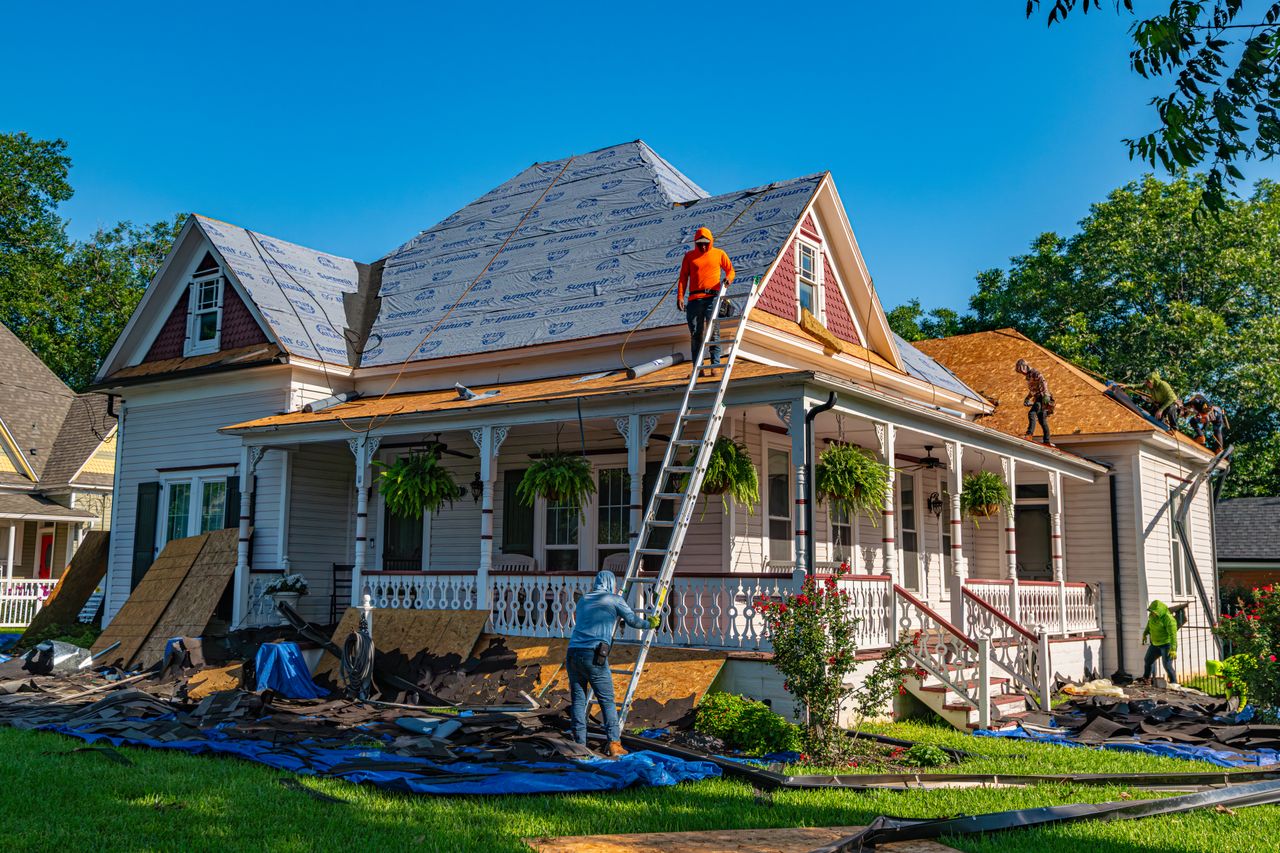
Why Florida HOAs Underestimate Storm Roof Damage
Storm season rolls through, the trees bend, the rain hits sideways, and by the next morning everything looks mostly fine. The roofs are still there, no big holes, no shingles in the parking lot. Many boards decide it was a minor event and move on. Months later, leaks show up in top-floor units, stains spread across clubhouse ceilings, and what seemed small turns into a major roof problem.
Storm damage roof repair in Florida is tricky because so much of the real damage hides under the surface. High winds, wind-driven rain, intense sun, and repeated storms all work together. Roofs can be weakened without showing obvious signs from the ground. When boards rely only on quick visual checks or wait for residents to complain, serious problems stay hidden and roof life gets shorter.
As a licensed residential and commercial roofing contractor, we understand how this plays out for HOAs across Florida and nearby states. Our goal here is simple: help boards and managers spot the damage that usually gets overlooked, avoid insurance and legal headaches, and plan smarter roof work before the most active part of storm season hits.
Hidden Roof Damage After Summer Storms
After a summer storm, the roof might look fine from the parking lot. But up close, we often see damage that does not show up right away inside the building. Some of the most common hidden problems are:
- Lifted or loosened shingles that settle back down but no longer seal tight
- Compromised fasteners that are pulled up or twisted but still covered
- Damaged or wrinkled underlayment that you cannot see from above
- Small punctures from flying debris that are too tiny to notice at first
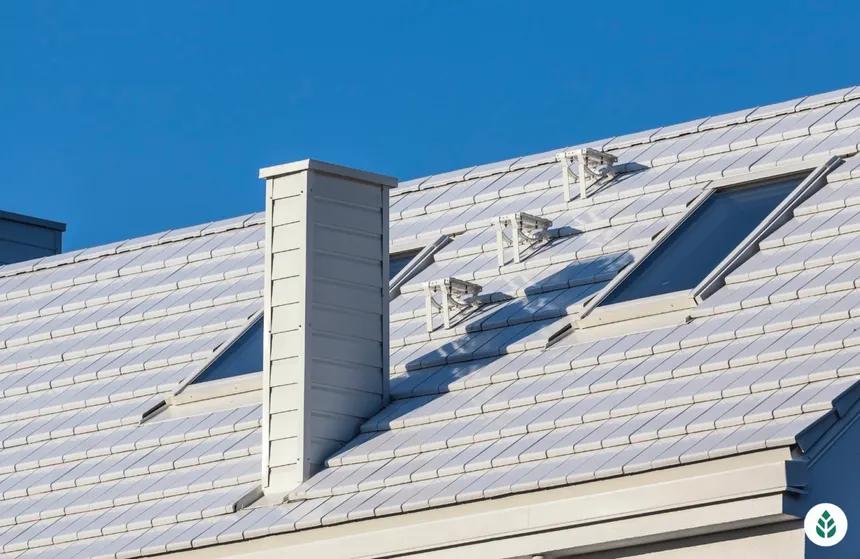
- Cracked seals around vents, skylights, and pipes that let in water slowly
These issues might not leak during the next light rain. The roof might even handle a few more storms before anything shows. But as wind and rain keep pushing on those weak spots, water finds its path. What started as a small lifted shingle in July can turn into interior ceiling damage weeks or months later.
For HOAs with large buildings, the risk is even higher. Many communities have low-slope or flat roofs on:
- Multifamily buildings or condo blocks
- Clubhouses and amenity centers
- Maintenance buildings and storage areas
On these roofs, trouble signs are easy to miss. Ponding water can sit out of sight, hidden membrane blisters can grow, and seams can start to separate along long runs. None of this is obvious from the ground or a quick walk on the edge.
When boards depend on drive-by inspections or only look for missing shingles, they get a false sense of security. Professional inspections, on the other hand, focus on the details. A roofer who understands storm damage roof repair in Florida can spot those minor issues, document them, and plan repairs before a section fails under the next strong system.
Insurance, Deadlines, and Documentation Risks
Storms are not just a maintenance issue; they are an insurance issue too. Many Florida policies have clear rules about what must happen after a storm. These often include:
- Notifying the carrier within a certain time after damage is suspected
- Providing proof of loss with photos and written descriptions
- Showing that the association took reasonable steps to protect the property
What often happens is this: a board sees no obvious damage and decides to wait and see. Months later, leaks appear, the roof looks worse, and only then someone calls the carrier. By that time, important deadlines may be close or passed, and the damage looks like it could be from wear and tear instead of that earlier storm.
Another problem is poor documentation. Many HOAs do not have:
- Clear photos of the roof condition before storm season
- Organized post-storm inspection reports
- Consistent photos taken by the same person or company
With Florida insurance carriers looking more closely at roof claims, this lack of records can hurt. Adjusters want to see a clear story, what the roof looked like before, what changed after the storm, and how that ties to the claim. Professional reports from a licensed roofing contractor carry more weight because they are detailed, consistent, and focused on actual roof conditions.
When a roofer documents the roof with photos, notes, and repair recommendations, it gives the HOA stronger support for any future claim. It also shows the carrier that the board is taking roof care seriously.
How Underestimating Damage Hurts Budgets and Owners
From a budget point of view, small ignored issues often become large surprise projects. A tiny leak that drips into a stairwell once or twice might feel like a nuisance, not an emergency. But if that leak is coming from a split in the membrane or a damaged flashing, it will not fix itself. Over time, water can:
- Rot wood decking under the roofing
- Damage insulation that then holds moisture
- Spread across units or common areas
What could have been a focused repair can grow into a full section replacement plus interior restoration. Emergency work during peak hurricane season or late summer storms also tends to be harder to schedule, and the disruption to residents is greater.
Owner relations also take a hit when roofs are not handled early. People notice stains on ceilings, tarps on buildings, and repeat leaks in the same spots. That can lead to more complaints at meetings and sometimes legal frustrations if owners feel the board did not act in a timely way.
When roof condition is underestimated, reserve planning gets off track. Reserves can end up underfunded, and the board may be forced to levy special assessments with little notice. That kind of financial stress affects everyone and can hurt property values.
With proactive inspections and timely repairs, boards can plan roof work ahead of time, spread projects over several years, and keep dues more stable. That makes life easier for both the board and the owners.
Smarter Storm Season Strategy for Florida HOAs
A smart plan for storm season does not start when the first big system shows up on the radar. It starts earlier in the summer, when there is still time to inspect and plan. For many communities, a good rhythm is:
- A professional inspection before the most active part of hurricane season
- Targeted inspections after any major storm that hits the area
A thorough HOA roof assessment should include:
- Photo documentation of each building and roof area
- Moisture checks where leaks are suspected or likely
- Review of attachments, such as fasteners and seams
- Close inspection of flashings, drains, scuppers, and penetrations
Working with one trusted contractor across the community helps build a clear history. When the same roofing company inspects year after year, small changes stand out. They know which areas have been repaired, which sections are aging faster, and where the community should focus its next round of work.
It also helps to set up a simple roofing response protocol so everyone knows what to do, such as:
- Who on the board or management team calls the roofer after a storm
- How residents report leaks and what details they should include
- How access to roofs and locked areas is provided
- Where inspection reports and photos are stored for future use
HOAs often have a mix of building types, from townhomes to condos to shared clubhouses. A licensed roofing specialist familiar with both residential-style roofs and commercial-style low-slope roofs can look at the entire community as one system, not as separate random projects.
Take Control of Your Community’s Next Storm Season
By the time midsummer arrives, storm planning should be in motion, not just starting. Waiting for the first big leak puts the board in constant crisis mode. Hidden damage is common, insurance timelines are real, and early action usually means fewer surprises and smoother projects.
Energy Roofing Companies works with HOAs on roof inspections, documentation, and repairs so boards can make informed choices and protect their communities. Using a detailed inspection to update reserve studies, adjust maintenance plans, and communicate with homeowners gives everyone a clearer picture of how the roofs are doing and what comes next. Treating storm damage roof repair in Florida as a planned, ongoing process instead of a reaction to emergencies, is one of the best ways to safeguard both your buildings and your budget.
Protect Your Home With Fast, Reliable Roof Repairs Today
When a storm hits, quick action can prevent minor roof issues from turning into major structural problems. At Energy Roofing Companies, we provide expert storm damage roof repair in Florida to restore your roof’s integrity and keep your home safe. If you are seeing leaks, missing shingles, or other signs of damage, reach out so we can inspect and repair your roof promptly. Have questions or want to schedule service now, just contact us.
Related posts
Apartment Complex Roofing Decisions Property Managers Regret
What Gainesville Roofers Recommend Before Your First Skylight Installation
Questioning Roof Coating Services for Florida Flat Roofs
Choosing Roof Replacement After Florida Hurricane Landfall
.jpg)
How Florida Insurance, Wind Mitigation Credits, and Deductibles Affect Roof
What Happens When Roof Leaks Reach Your Attic Insulation
.jpg)
Florida Rubber Roofing Myths Homeowners Should Stop Believing
Storm Damage Roof Repairs Florida HOAs Often Underestimate
Questioning Roof Cleaning Services in Florida’s Humid Climate

Smart Roof Maintenance Plans for Florida Apartment Complexes
Hidden Cost Drivers in Florida Roof Replacements: Permits, Codes, Fees

Early-Morning Roof Leak Repair in Gainesville Summer Storms
Is a Standing Seam Metal Roof Right for Florida Homes
Questioning Your Roof Warranty in Florida’s Storm Belt
How to Choose Roof Underlayment and Waterproofing for Florida Weather
.jpg)
Why Gainesville Homebuyers Need a Dedicated Roofing Company Partner

What Gainesville Homeowners Miss in Post-Storm Roof Inspections
.jpg)
Summer Roof Maintenance Plans for Florida Homes

Roof Financing Options Florida Homeowners Should Understand

Pre-Listing Roof Inspection Tips for Gainesville Sellers
Florida Cracked Roof Tiles That Look Minor but Leak Big
Why Gainesville Roof Vent Leaks Start in the Attic First

Signs Your Florida Flat Roof Needs Professional Repair

Roof Tarping Emergency Steps for Florida Storm Nights
Understanding Hail Damage Roof Claims in Florida
.jpg)

Roof Insurance Claim Help for Florida Storm Seasons

Roof Ventilation Problems Florida Homeowners Overlook

When to Consider Roof Replacement in the Florida Climate
Ridge Vent Installation Guide for Better Attic Ventilation
Modified Bitumen Roofing For Flat & Low-Slope Buildings
GAF Timberline Shingles: Features, Cost, and Benefits

GAF Timberline HDZ: Complete Guide For Homeowners
EPDM Rubber Roofing: Benefits, Costs, and Installation
Dimensional Shingles: Boost Curb Appeal And Roof Protection

Clay Tile Roofing: Benefits, Costs, And Lifespan Guide

Chimney Flashing Repair: Stop Chimney Leaks Fast

Built-Up Roofing Guide for Flat Commercial Roofs
Best Roofing Material for Florida Homes: 2026 Guide

Why Attic Ventilation Matters For A Healthier Home

Standing Seam Metal Roof: Benefits, Cost, and Installation

Same Day Roof Repair: Fast Emergency Solutions For Your Home
Roofing Contractors In Ocala, FL: How To Choose With Confidence
Roofing Company In Ocala, FL: How To Choose A Trusted Pro
Roofers Gainesville, FL: How To Choose A Trusted Pro

Roof Repair In Ocala, FL: How To Choose A Trusted Contractor

Roof Repair In Gainesville, FL: Fast Help For Storms

Metal Roofing In Gainesville, FL: Durable Roofs That Cut Bills
Why Hiring A GAF Master Elite Roofer Matters

Corrugated Metal Roofing: Durable, Affordable Roof Guide

Best Shingles for Florida: Top Hurricane-Resistant Options

Architectural Shingles: Durable, Stylish Roofing Guide
24/7 Roof Repair: Fast Emergency Help When You Need It

.svg)


.svg)
.svg)
.svg)
.svg)
