Dimensional Shingles: Boost Curb Appeal And Roof Protection

Choosing the right roofing material can feel confusing, especially when you want something that looks great and lasts through Florida storms. Many homeowners hear about dimensional shingles but aren’t sure if they’re truly better than standard shingles.
At Energy Roofing Companies, dimensional shingles are a popular choice because they offer stronger durability and better curb appeal than basic options. As a GAF Master Elite® contractor (only 2% nationwide), we help homeowners choose roofing systems designed for long-term protection.
In this guide, you’ll learn what dimensional shingles are, how they compare to traditional shingles, and what benefits they offer. We’ll also cover installation, maintenance, and cost so you can decide if they’re the right fit for your home.
What Are Dimensional Shingles?
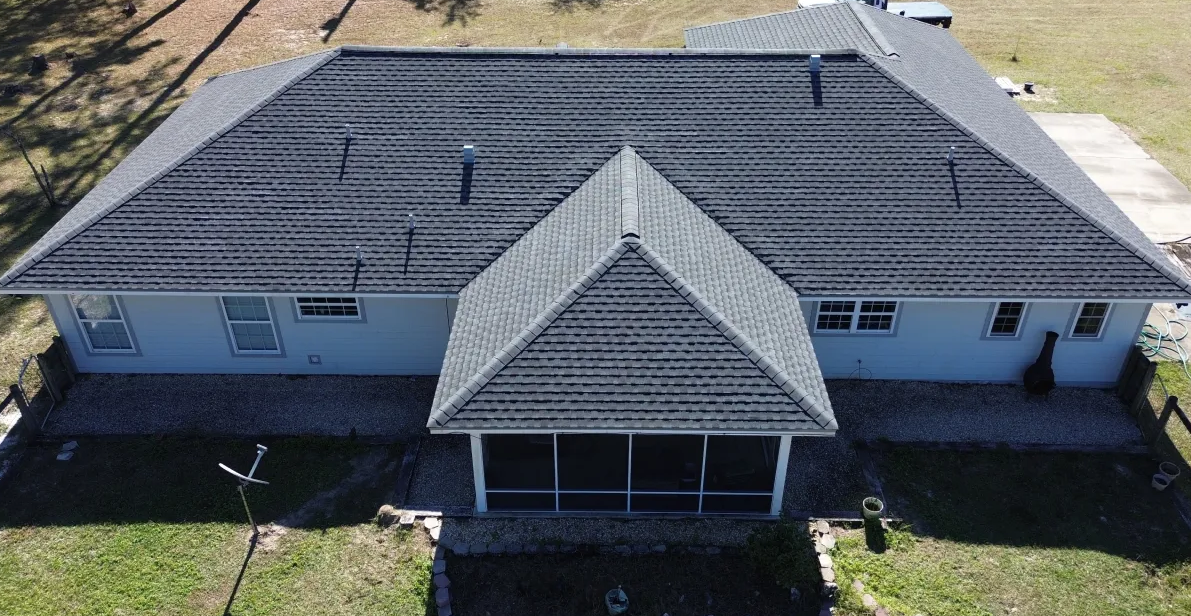
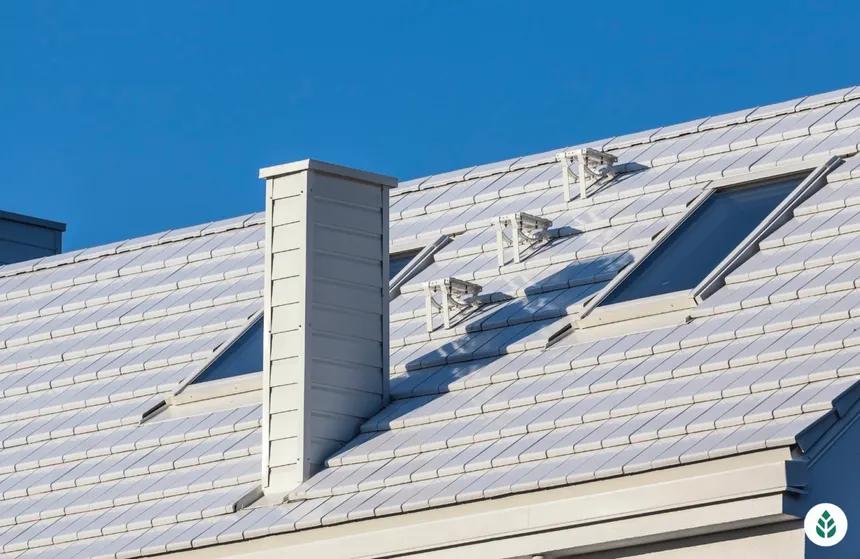
Dimensional shingles are asphalt roofing shingles made with two or more bonded layers of material. This layered construction creates depth and texture that gives your roof a more refined appearance than standard flat shingles.
This design helps replicate the appearance of natural roofing materials such as wood shakes or slate tiles. Homeowners often choose them because they deliver an upgraded look without the high cost of those materials.
Over time, dimensional shingles have become one of the most widely installed roofing materials in North America. Many homeowners appreciate the way they improve curb appeal while remaining relatively budget-friendly.
How Dimensional Shingles Differ From Traditional Shingles
Traditional 3-tab shingles have a flat and uniform design. They consist of a single asphalt layer and create a repeating pattern across the roof. In contrast, dimensional shingles use multiple bonded layers that produce shadows and texture. This creates a more natural and varied appearance across the roof surface.
Because of the layered construction, dimensional shingles are thicker and heavier than standard 3-tab shingles. This extra thickness contributes to both durability and visual depth.
The difference is noticeable from the street. A roof installed with dimensional shingles typically appears more detailed and architectural. They also tend to last longer than traditional 3-tab shingles because of their stronger layered design.
Types Of Dimensional Shingles
Most dimensional shingles are made from asphalt, but their design, performance features, and warranty coverage can vary. Standard architectural shingles offer the classic multi-layer construction that improves both durability and appearance. They provide a strong balance between cost and performance.
Premium dimensional shingles include added features such as higher wind ratings, impact resistance, or specialized protective coatings. Some products incorporate advanced technologies that improve performance and simplify installation.
You’ll also find different aesthetic styles available. Some designs emphasize deeper shadow lines for a dramatic look, while others are crafted to closely resemble cedar shakes or natural slate roofing.
Benefits Of Installing Dimensional Shingles
Dimensional shingles offer several advantages for homeowners. They combine improved curb appeal with stronger weather protection and long-term performance.
Enhanced Curb Appeal
One of the biggest reasons homeowners choose dimensional shingles is the visual upgrade they provide. Unlike flat shingles, layered shingles create depth and shadow. This adds architectural character and makes your roof stand out.
The appearance often resembles premium roofing materials such as wood-shake or slate. You get the look of a high-end roof without the high-end price tag. Manufacturers also offer a wide variety of colors and blends.
Popular options include earth tones, grays, and darker shades that complement many home styles. A more attractive roof can also increase resale appeal. Buyers often notice a roof's condition and appearance immediately when viewing a home.
Durability And Weather Resistance
Dimensional shingles are built with multiple layers of asphalt, making them thicker and stronger than basic shingles. This layered construction helps them resist damage from wind, rain, and everyday weather exposure.
Many dimensional shingles last between 30 and 50 years when properly installed and maintained. That’s significantly longer than typical 3-tab shingles, which often last 15 to 20 years.
They also perform better during severe weather. The extra weight and design help them stay secure during strong winds. Many products carry wind ratings of 110 mph or higher, and thicker material helps resist hail or debris impact damage.
Over time, this durability can reduce repair needs and extend the overall life of your roofing system.
Energy Efficiency
The layered structure of dimensional shingles can also help improve energy performance. Their textured surface creates small shadow lines that reduce direct heat absorption from sunlight.
Some manufacturers produce cool-roof versions of dimensional shingles that include reflective granules designed to reflect more solar heat away from your home.
This can help keep your attic cooler during the summer months. When attic temperatures stay lower, your air conditioning system doesn’t need to work as hard. Over time, that improved efficiency can contribute to lower cooling costs and a more comfortable indoor environment.
Installation Process For Dimensional Shingles
Installing dimensional shingles requires careful roof preparation, precise placement, and attention to detail. Proper installation techniques help ensure long-term durability and weather protection.
Preparing The Roof Surface
Installation begins with a clean and dry roof deck. Any old roofing materials, nails, or debris must be removed first. Next, the roof deck should be inspected for damage such as rot or warping. Damaged sections are typically replaced with new plywood or OSB sheathing.
A drip edge is installed along the eaves to protect the roof edges from water infiltration. This metal flashing directs water away from the roof deck.
Roofing underlayment is then applied across the roof surface. Installers usually begin at the bottom and work upward, overlapping each row by at least six inches.
Ice and water shield is typically installed in vulnerable areas such as valleys, eaves, and around roof penetrations like chimneys or skylights. This waterproof barrier provides additional leak protection where water tends to collect.
Application Techniques
The first course of dimensional shingles begins along the bottom edge of the roof. A starter strip or modified shingle row is placed along the eave with the tabs facing upward. This provides a secure base for the first full row.
From there, installers apply dimensional shingles from the bottom upward and from left to right. Most shingles require four to six nails per shingle, depending on roof slope and local building codes.
Key nailing guidelines include:
- Drive nails straight and flush with the shingle surface
- Avoid overdriving nails through the shingle material
- Do not leave nail heads raised above the surface
Proper alignment is also critical. Many shingles include alignment marks to help installers keep rows straight. Typically, 5 to 6 inches of shingle exposure is maintained according to manufacturer specifications.
Common Installation Mistakes
One common mistake is incorrect nail placement or using too few nails. Improper nailing can cause shingles to loosen during storms. Misaligned shingles are another frequent issue. If installers rush the layout, the roof can develop uneven patterns and reduced weather resistance.
Using chalk lines every few rows helps keep shingle placement straight and consistent. Extreme temperatures can also create problems during installation. Cold weather may prevent shingles from sealing properly, while excessive heat can soften materials.
Most manufacturers recommend installing dimensional shingles when temperatures fall between 40°F and 85°F. Proper attic ventilation is equally important. Poor ventilation can trap heat and moisture, which may shorten the lifespan of roofing materials.
Maintenance And Longevity
Dimensional shingles often last 25 to 30 years or more with proper care. Regular inspections and maintenance help extend their lifespan and protect your investment.
Routine Care Tips
Inspect your roof at least twice each year, ideally during spring and fall. Look for loose shingles, damaged flashing, and debris buildup in roof valleys or gutters.
Keeping gutters clean prevents water from backing up under your shingles. Remove leaves, twigs, and other debris regularly. Trim tree branches that hang over the roof. This reduces falling debris and helps limit the growth of moss or algae caused by excess shade.
If you notice moss or algae, address it quickly. These growths hold moisture against roofing materials and can shorten their lifespan. Zinc or copper strips installed near the ridge can help prevent future algae growth.
Avoid walking on your roof whenever possible. Foot traffic can damage protective granules on dimensional shingles. If roof access is necessary, wear soft-soled shoes and step carefully on flatter sections.
Proper attic ventilation should also be maintained. Balanced ventilation helps remove heat and moisture that could prematurely age roofing materials.
Signs Of Wear Or Damage
Curling or buckling shingles often indicate aging or moisture problems. Edges may lift, or the shingle surface may appear uneven. Granule loss can appear as bare spots on shingles or granules collecting in gutters.
Missing shingles expose the roof deck to weather and should be replaced quickly. Cracked or broken shingles may appear after severe storms with strong winds or hail.
Dark streaks usually indicate algae growth, while green patches suggest moss development. Inside the home, water stains on ceilings or walls may signal a roof leak. Sagging areas on the roof surface can indicate structural problems that require professional evaluation.
When To Replace Dimensional Shingles
Most roofs with dimensional shingles eventually require replacement after about 25 to 30 years. If large areas show curling, granule loss, or repeated leaks, replacement may be more practical than continued repairs.
When more than 30% of the roof surface shows damage, installing a new roof often becomes the more cost-effective solution. Severe storm damage may also require full replacement instead of patch repairs.
Increasing energy bills can sometimes signal roofing problems as well. Older roofs may lose insulation performance over time. If nearby homes built around the same time are replacing their roofs, yours may be approaching the same stage of its lifespan.
Cost Considerations And Warranty Options
Choosing dimensional shingles involves evaluating both the upfront investment and the long-term protection they provide.
Initial Investment
Most dimensional shingles cost between $3 and $6 per square foot installed. This is typically about 20 percent higher than traditional 3-tab shingles.
Several factors influence the final cost. The manufacturer, color selection, and product features can all affect pricing. Roof size, pitch, and complexity also play a role in labor costs. Homes with multiple valleys, dormers, or steep slopes usually require more installation time.
Material quality can also impact the total investment. Premium dimensional shingles with enhanced features tend to sit at the higher end of the price range. Regional labor costs and material availability may also affect pricing.
Long-Term Value
Although the upfront cost is higher, dimensional shingles often deliver stronger long-term value. Their lifespan of 30 to 50 years significantly exceeds that of basic 3-tab shingles. Because they resist wind and weather damage more effectively, homeowners often spend less on repairs over time.
A newer roof can also increase resale value. Buyers frequently see a high-quality roof as a major advantage when comparing homes. Energy efficiency improvements may also contribute to lower heating and cooling costs.
Warranty Coverage
Most dimensional shingles include two types of warranties. The first is a manufacturer's material warranty, which protects against defects in the roofing materials.
The second is a workmanship warranty provided by the contractor who installs the roof. Material warranties commonly range from 30 to 50 years, though coverage terms may change over time.
Enhanced warranty plans often cost less than 10 percent of the total roofing investment but provide stronger protection. These upgraded plans may include coverage for wind resistance, algae protection, and manufacturing defects.
It’s important to review warranty requirements carefully. Some warranties require specific installation methods or periodic inspections to remain valid. Transferable warranties can also increase your home's value if you decide to sell in the future.
Protecting Your Home With The Right Roofing Choice
Choosing dimensional shingles can significantly improve both the appearance and durability of your roof. Their layered design delivers stronger protection while enhancing curb appeal.
If you’re considering a roof replacement or want expert guidance, Energy Roofing Companies can help you evaluate your options and understand what works best for your home. You can schedule a free inspection or call 855-766-3852 to discuss your roofing needs with a knowledgeable professional.
Frequently Asked Questions
What Are Dimensional Shingles?
Dimensional shingles are asphalt roofing shingles made with two bonded layers of material. This layered design creates a textured, three-dimensional appearance that adds depth to your roof. They’re also commonly called architectural shingles or laminated shingles.
How Long Do Dimensional Shingles Last?
Most dimensional shingles last between 30 and 50 years when properly installed and maintained. Their thicker construction makes them more durable than traditional 3-tab shingles, which typically last 15 to 20 years.
Are Dimensional Shingles Better Than 3-Tab Shingles?
In many cases, yes. Dimensional shingles are thicker, more durable, and provide a more attractive appearance than standard 3-tab shingles. They also tend to have higher wind ratings and longer manufacturer warranties.
Do Dimensional Shingles Cost More?
Yes, dimensional shingles usually cost more than basic 3-tab shingles. However, the longer lifespan, stronger weather resistance, and improved curb appeal often make them a better long-term value.
Are Dimensional Shingles Good For Storm Protection?
Many dimensional shingles are designed to handle strong winds and severe weather. Some products are rated to withstand winds of 110 mph or higher, making them a reliable choice for areas that experience frequent storms.
Can Dimensional Shingles Increase Home Value?
A roof installed with dimensional shingles can improve curb appeal and make your home more attractive to potential buyers. Because they last longer and look more premium, they often contribute positively to resale value
Related posts
Apartment Complex Roofing Decisions Property Managers Regret
What Gainesville Roofers Recommend Before Your First Skylight Installation
Questioning Roof Coating Services for Florida Flat Roofs
Choosing Roof Replacement After Florida Hurricane Landfall
.jpg)
How Florida Insurance, Wind Mitigation Credits, and Deductibles Affect Roof
What Happens When Roof Leaks Reach Your Attic Insulation
.jpg)
Florida Rubber Roofing Myths Homeowners Should Stop Believing
Storm Damage Roof Repairs Florida HOAs Often Underestimate
Questioning Roof Cleaning Services in Florida’s Humid Climate

Smart Roof Maintenance Plans for Florida Apartment Complexes
Hidden Cost Drivers in Florida Roof Replacements: Permits, Codes, Fees
Early-Morning Roof Leak Repair in Gainesville Summer Storms
Is a Standing Seam Metal Roof Right for Florida Homes
Questioning Your Roof Warranty in Florida’s Storm Belt
How to Choose Roof Underlayment and Waterproofing for Florida Weather
.jpg)
Why Gainesville Homebuyers Need a Dedicated Roofing Company Partner

What Gainesville Homeowners Miss in Post-Storm Roof Inspections
.jpg)
Summer Roof Maintenance Plans for Florida Homes

Roof Financing Options Florida Homeowners Should Understand

Pre-Listing Roof Inspection Tips for Gainesville Sellers
Florida Cracked Roof Tiles That Look Minor but Leak Big
Why Gainesville Roof Vent Leaks Start in the Attic First

Signs Your Florida Flat Roof Needs Professional Repair

Roof Tarping Emergency Steps for Florida Storm Nights
Understanding Hail Damage Roof Claims in Florida
.jpg)

Roof Insurance Claim Help for Florida Storm Seasons

Roof Ventilation Problems Florida Homeowners Overlook

When to Consider Roof Replacement in the Florida Climate
Ridge Vent Installation Guide for Better Attic Ventilation
Modified Bitumen Roofing For Flat & Low-Slope Buildings
GAF Timberline Shingles: Features, Cost, and Benefits

GAF Timberline HDZ: Complete Guide For Homeowners
EPDM Rubber Roofing: Benefits, Costs, and Installation
Dimensional Shingles: Boost Curb Appeal And Roof Protection

Clay Tile Roofing: Benefits, Costs, And Lifespan Guide

Chimney Flashing Repair: Stop Chimney Leaks Fast

Built-Up Roofing Guide for Flat Commercial Roofs
Best Roofing Material for Florida Homes: 2026 Guide

Why Attic Ventilation Matters For A Healthier Home

Standing Seam Metal Roof: Benefits, Cost, and Installation

Same Day Roof Repair: Fast Emergency Solutions For Your Home
Roofing Contractors In Ocala, FL: How To Choose With Confidence
Roofing Company In Ocala, FL: How To Choose A Trusted Pro
Roofers Gainesville, FL: How To Choose A Trusted Pro

Roof Repair In Ocala, FL: How To Choose A Trusted Contractor

Roof Repair In Gainesville, FL: Fast Help For Storms

Metal Roofing In Gainesville, FL: Durable Roofs That Cut Bills
Why Hiring A GAF Master Elite Roofer Matters

Corrugated Metal Roofing: Durable, Affordable Roof Guide

Best Shingles for Florida: Top Hurricane-Resistant Options

Architectural Shingles: Durable, Stylish Roofing Guide
24/7 Roof Repair: Fast Emergency Help When You Need It

.svg)


.svg)
.svg)
.svg)
.svg)
