Roof Repair In Gainesville, FL: Fast Help For Storms

Your roof handles intense sun, heavy rain, and sudden storms in Gainesville. When a leak starts or shingles go missing, it doesn’t take long for water to damage ceilings, insulation, and framing. Fast action makes a big difference in protecting your home.
At Energy Roofing Companies, we help homeowners with roof repair in Gainesville, FL, backed by experienced crews and 24/7 emergency support. As a GAF Master Elite® contractor (only 2% nationwide), we focus on clear communication and dependable workmanship.
In this guide, you’ll learn how to spot early warning signs, understand your repair options, and know when to call a professional. You’ll also see how cost factors and how to make smart, confident decisions for your roof.
Signs You Need Roof Repair In Gainesville, FL
Your roof takes a beating from Florida’s relentless sun, heavy rain, and humidity. Catching damage early is key. It keeps repairs manageable and shields your home from water and structural messes.
Common Roof Damage Indicators
Missing or busted shingles are usually the first thing you’ll notice. Shingles might curl, split, or just vanish after a rough storm. Sometimes you’ll spot little granules in your gutters, kind of like gritty sand, washed off from old shingles.
Water stains on your ceilings or walls mean moisture is sneaking in. Look for dark patches, weird discoloration, or even peeling paint. The attic is another giveaway. If you see sunlight poking through roof boards or feel damp insulation, something’s up.
Sagging spots on your roof are a big red flag. The deck might be weakening from long-term leaks. If you notice dips or low areas in the ground, don’t wait. Get a pro to check it immediately.
Age And Weather-Related Wear
Gainesville’s muggy, stormy climate is tough on roofs. The mix of brutal summer sun and regular thunderstorms wears out roofing materials way faster than in drier places. Florida’s UV rays make shingles brittle and strip away their protective oils.
Most asphalt shingle roofs here last about 15 to 25 years. If your roof is getting up there in age, it’s smart to schedule inspections. Hurricane season just adds more risk. High winds can rip shingles loose and drive rain underneath.
Moss or algae streaks show up as dark lines on your roof. Sure, they love the humidity, but they also trap moisture and speed up roof decay.
Potential Consequences Of Delayed Repairs
Ignore a small leak, and it’ll turn into a nightmare. Water travels along beams, soaks insulation, and creates perfect conditions for mold. Mold removal isn’t cheap, and it’s bad for your health.
Water damage weakens the roof deck and support beams. What started as a simple shingle swap can turn into major carpentry if the wood underneath rots. You might also see your energy bills creep up. Wet insulation can’t do its job.
Interior damage doesn’t stop in the attic. You could be looking at ruined ceilings, walls, or even floors. And if you ever try to sell, a bad inspection report about your roof will tank your home’s value.
Popular Roof Repair Services In Gainesville
Gainesville homeowners face roofing headaches thanks to Florida’s wild weather, hurricanes, endless sun, you name it. Local contractors offer services tailored to these issues and know how to tackle them fast.
Shingle Replacement And Leak Fixes
Missing or damaged shingles are super common around here. The sun alone can make them crack, curl, or lose their granules. Once that happens, water sneaks in and starts wrecking your home from the inside.
Gainesville roofers check your roof, spot the trouble, and swap out individual shingles or entire sections if needed. They’re good at tracking down leaks, even the sneaky ones that don’t line up with stains inside.
Most pros use materials built for Florida. These shingles shrug off UV rays and stand up to high winds better than the usual stuff. Repairs usually mean checking the underlayment and flashing too, just in case water tries to find another way in.
Storm And Wind Damage Restoration
Gainesville gets hammered by storms, tropical hurricanes, or just a random squall. Winds can rip off shingles, lift flashing, or toss debris onto your roof. Even mild storms can start problems that grow if you let them slide.
Local roofers jump into action after storms. They do a full inspection, looking for obvious damage and hidden trouble like cracked decking or weakened trusses. Many also help with insurance claims and paperwork, which is a relief.
Common storm damage repairs include:
- Swapping out ripped or missing shingles
- Fixing busted flashing around vents and chimneys
- Repairing or replacing cracked roof decking
- Securing anything that’s come loose
Emergency Repair Solutions
Roof emergencies don’t care about business hours. A sudden leak mid-storm or a branch crashing through the roof? You need help right now.
Most established Gainesville roofers offer 24/7 emergency service. They’ll send someone out fast to tarp up holes and stop leaks. These quick fixes buy you time until permanent repairs can be done safely.
Emergency work is all about damage control. Crews cover holes, lock down loose materials, and redirect water away from trouble spots. Once things calm down, they’ll come back, check the damage, and lay out a repair plan. Response times vary, but most locals arrive within a few hours.
Choosing A Reliable Gainesville Roof Repair Contractor
The contractor you choose really matters. It protects your house and your budget. You want someone licensed, insured, and with a track record of solid work in Florida’s crazy climate.
Qualities To Look For
A legit roof repair contractor needs a Florida license. That’s the bare minimum. Make sure they carry both liability and workers’ comp insurance so you’re not on the hook if something goes wrong.
Pick someone who knows Florida roofs. Gainesville’s climate is rough. Heavy rain, humidity, and storms can mess up even the best materials. Your contractor should get how these factors play out.
Check reviews on several sites, not just one. Notice how they handle problems and whether they finish on time. Local companies usually care more about their reputation. They live here too.
Ask about warranties. Good contractors back up their work with written guarantees, both on materials and labor. And don’t settle for a vague estimate. Get a detailed, written one that breaks down the costs.
Questions To Ask Before Hiring
How long have they worked in Gainesville? Local experience matters a lot. Contractors who’ve been around know the common roof issues here.
Ask for references from recent jobs like yours. A trustworthy pro will hand them over without hesitation. Actually call those references and see how things went.
What’s their repair timeline? Get it in writing, with a schedule. Ask who’ll be in charge on-site and how they handle surprises or setbacks.
Discuss payments right away. Be wary if someone wants a huge deposit upfront. Most fair payment plans use smaller deposits, with the rest due after you’re happy with the job.
Understanding Local Licensing And Insurance
Florida law says roofers need either a state-certified or locally registered license. You can check this online with the Florida Department of Business and Professional Regulation. Never hire anyone who can’t prove they’re licensed.
Liability insurance protects your property if the contractor messes something up. Workers’ comp covers injuries to their crew on your property. Ask for copies of both and make sure they’re up to date.
Your contractor should pull all the right permits for repairs, as required by Gainesville codes. Permits make sure the work’s up to safety standards. If someone skips permits, you could face fines or headaches when you sell your house.
Roof Repair Costs And Financing Options
Roof repair in Gainesville usually averages around $407, but prices swing depending on what’s wrong and what materials you need. These days, plenty of local roofers offer financing, so you don’t have to wait if money’s tight.
Factors Affecting Price
A few things decide your final bill. The size of the problem is the big one. A tiny leak costs way less than fixing a huge area or replacing structural parts.
Material choices matter. Basic asphalt shingles are cheaper than fancier options like architectural shingles or metal. Labor costs in Gainesville also play a role, as does your roof’s pitch and how easy it is to access.
Florida’s climate makes things trickier. Sun, humidity, and hurricane threats can mean you need special materials or techniques. And, naturally, bigger damaged areas cost more to fix.
Comparing Repair Vs. Replacement Costs
Repairs work for small stuff, isolated leaks, or a few bad shingles. With repairs averaging $407, it’s a bargain compared to replacing the whole thing.
A full roof replacement in Gainesville runs between $5,473 and $11,703. That only makes sense if your roof is really old or the damage is widespread. If you’re patching things constantly or over 30% of your roof is shot, replacement saves money in the long run.
Think about your roof’s age. If it’s newer and just has a few issues, repairs make sense. But if it’s pushing 20 years and has problems everywhere, replacement is probably smarter.
Financing And Payment Solutions
Most Gainesville roofers offer payment plans, so you don’t have to pay everything at once. Financing helps you get urgent repairs done now instead of putting them off.
Payment plans usually come with clear terms and fixed monthly payments. You can spread the cost over several months or even years, depending on the plan. Many contractors partner with lenders to make approval quick and easy.
Some companies keep materials in local warehouses, which can shave costs and speed up your job. Ask about financing when you get your quote. Most roofers will lay out payment options that fit your budget.
Roof Maintenance Tips For Gainesville Homeowners
A little regular roof care goes a long way in Gainesville. It keeps repair bills down and helps your roof survive Florida’s brutal weather.
Routine Inspection Advice
Check your roof at least twice a year. Spring and fall are good bets. Look for missing or busted shingles, cracks, or other wear. If you’re not into climbing ladders, binoculars work fine from the ground.
Peek in your attic for water stains, mold, or sunlight sneaking through roof boards. Trouble often starts around chimneys, vents, and skylights, so give those a close look.
Clean your gutters every few months. Clogged gutters can back up water and wreck your roof edges. Sweep off leaves, branches, and any junk that piles up on your roof. Trim back tree limbs that hang over your roof. They drop debris and can cause damage during storms.
Preventive Care For Florida Weather
Florida’s weather is tough on roofs, so you’ve got to stay on top of things. The sun here is relentless. Inspect for sun damage a little more often. Watch for algae and moss, especially in Gainesville’s humidity. These guys trap moisture and speed up roof decay. Installing zinc or copper strips near the roof peak can help keep them away.
After every big storm, give your roof a once-over for loose shingles or debris. High winds can pry up shingles and open the door for leaks. Make sure your attic’s well-ventilated too. Excess heat can warp shingles and shorten your roof’s life.
When To Schedule Professional Maintenance
Go ahead and schedule a roof inspection every 2-3 years, even if everything looks fine. There are just some things only trained roofers notice, and they can fix the small stuff before it turns into a headache.
If you spot sagging spots, lots of granules coming off your shingles, or see water damage inside, call a pro right away. Those are big red flags that need expert eyes and hands.
Try to get your maintenance done before hurricane season kicks off in June. A pre-season check helps your roof stand up to nasty weather. Plus, regular inspections by certified contractors often keep your warranty valid, which is honestly pretty important.
Your Next Step For Roof Repair in Gainesville, FL
If you’ve noticed leaks, missing shingles, or storm damage, don’t ignore the early signs. A timely inspection keeps repairs smaller and helps protect your ceilings, insulation, and framing.
Document what you’re seeing, then request a written scope that explains the materials, flashing, and underlayment checks. That detail helps you compare quotes fairly and avoid surprise add-ons later.
When you’re ready, Energy Roofing Companies can help you plan the right fix with clear communication and responsive support. Schedule a free inspection or call 855-766-3852 to talk through your repair options.
Frequently Asked Questions
How Do I Know If I Need Roof Repair In Gainesville, FL?
You may notice missing shingles, ceiling stains, damp insulation, or granules in your gutters. Even small leaks can lead to bigger structural issues if ignored. If your roof is over 15 years old or recently gone through a major storm, it’s smart to schedule an inspection.
How Much Does Roof Repair Cost In Gainesville?
Minor repairs in Gainesville often average a few hundred dollars, depending on the size of the damaged area and materials used. Costs increase if structural decking or large sections of shingles need replacement. A written estimate helps you understand exactly what’s included.
Can You Repair Just Part Of A Roof Instead Of Replacing It?
Yes, many issues can be fixed with targeted repairs. If the damage is isolated and your roof is still in good overall condition, repair is usually the most cost-effective option. Widespread damage or an aging roof may make replacement a better long-term investment.
How Quickly Should Storm Damage Be Repaired?
Storm damage should be addressed as soon as possible. High winds and heavy rain can loosen shingles and flashing, allowing water to enter your home. Prompt repairs reduce the risk of mold, wood rot, and interior damage.
Do I Need A Permit For Roof Repair In Gainesville?
Some roof repairs require permits, especially if structural components are involved. A licensed contractor will determine what’s required under local building codes and handle the permitting process for you.
How Often Should I Schedule A Roof Inspection?
It’s recommended to schedule a professional roof inspection every two to three years. You should also schedule one after major storms or if you notice signs of leaks, sagging areas, or shingle damage. Regular inspections help catch small problems before they become costly repairs.
Related posts
Apartment Complex Roofing Decisions Property Managers Regret
What Gainesville Roofers Recommend Before Your First Skylight Installation
Questioning Roof Coating Services for Florida Flat Roofs
Choosing Roof Replacement After Florida Hurricane Landfall
.jpg)
How Florida Insurance, Wind Mitigation Credits, and Deductibles Affect Roof
What Happens When Roof Leaks Reach Your Attic Insulation
.jpg)
Florida Rubber Roofing Myths Homeowners Should Stop Believing
Storm Damage Roof Repairs Florida HOAs Often Underestimate
Questioning Roof Cleaning Services in Florida’s Humid Climate
Smart Roof Maintenance Plans for Florida Apartment Complexes
Hidden Cost Drivers in Florida Roof Replacements: Permits, Codes, Fees

Early-Morning Roof Leak Repair in Gainesville Summer Storms
Is a Standing Seam Metal Roof Right for Florida Homes
Questioning Your Roof Warranty in Florida’s Storm Belt
How to Choose Roof Underlayment and Waterproofing for Florida Weather
.jpg)
Why Gainesville Homebuyers Need a Dedicated Roofing Company Partner

What Gainesville Homeowners Miss in Post-Storm Roof Inspections
.jpg)
Summer Roof Maintenance Plans for Florida Homes

Roof Financing Options Florida Homeowners Should Understand

Pre-Listing Roof Inspection Tips for Gainesville Sellers
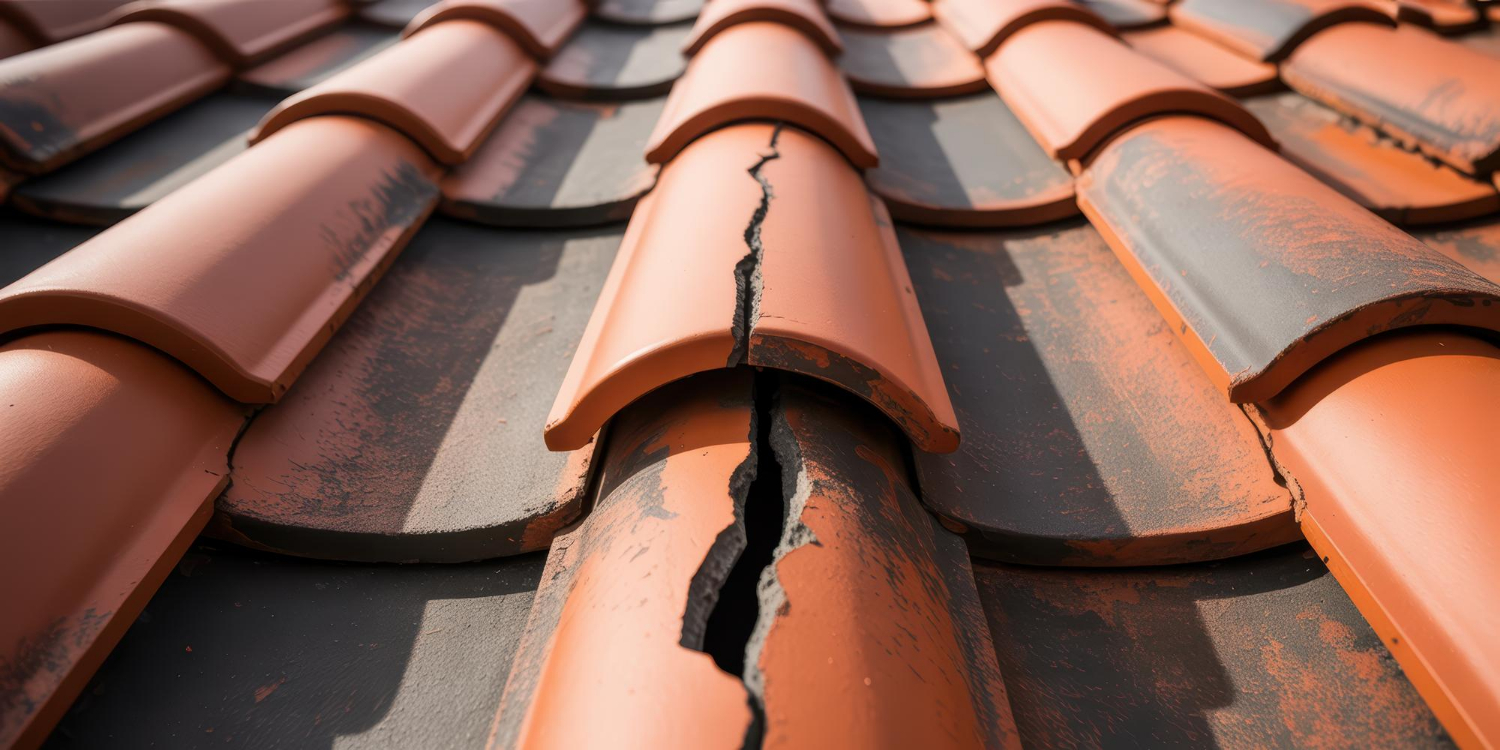
Florida Cracked Roof Tiles That Look Minor but Leak Big
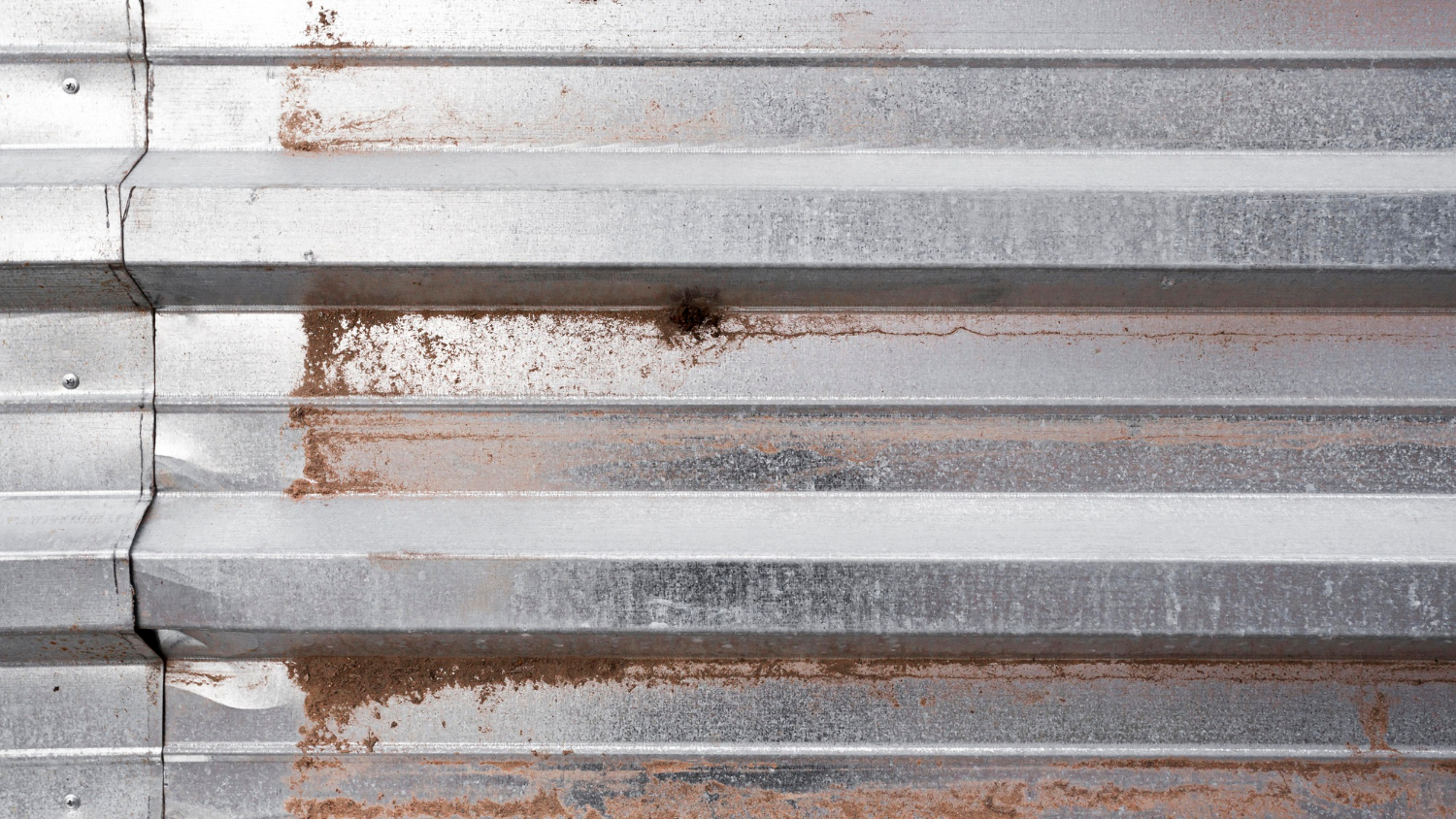
Why Gainesville Roof Vent Leaks Start in the Attic First

Signs Your Florida Flat Roof Needs Professional Repair

Roof Tarping Emergency Steps for Florida Storm Nights
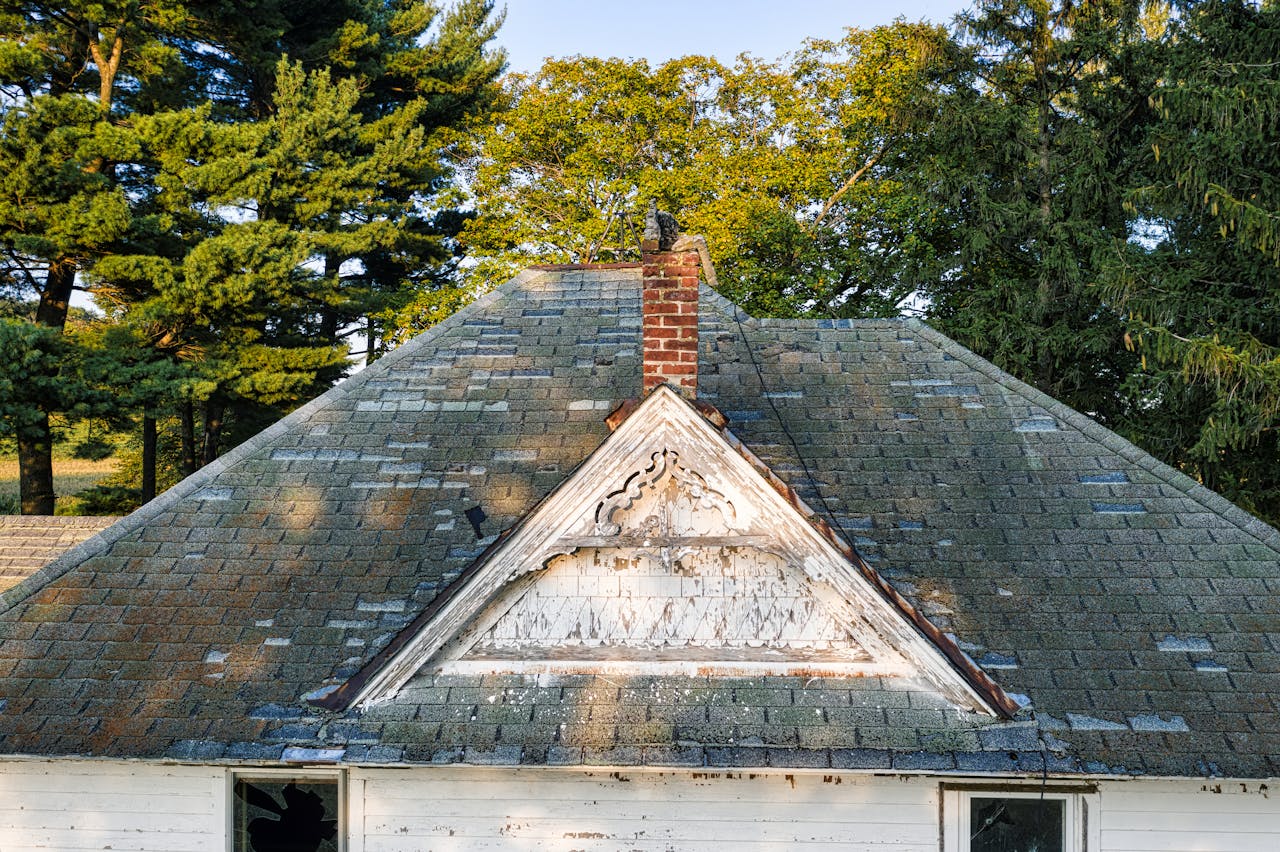
Understanding Hail Damage Roof Claims in Florida
.jpg)

Roof Insurance Claim Help for Florida Storm Seasons

Roof Ventilation Problems Florida Homeowners Overlook

When to Consider Roof Replacement in the Florida Climate
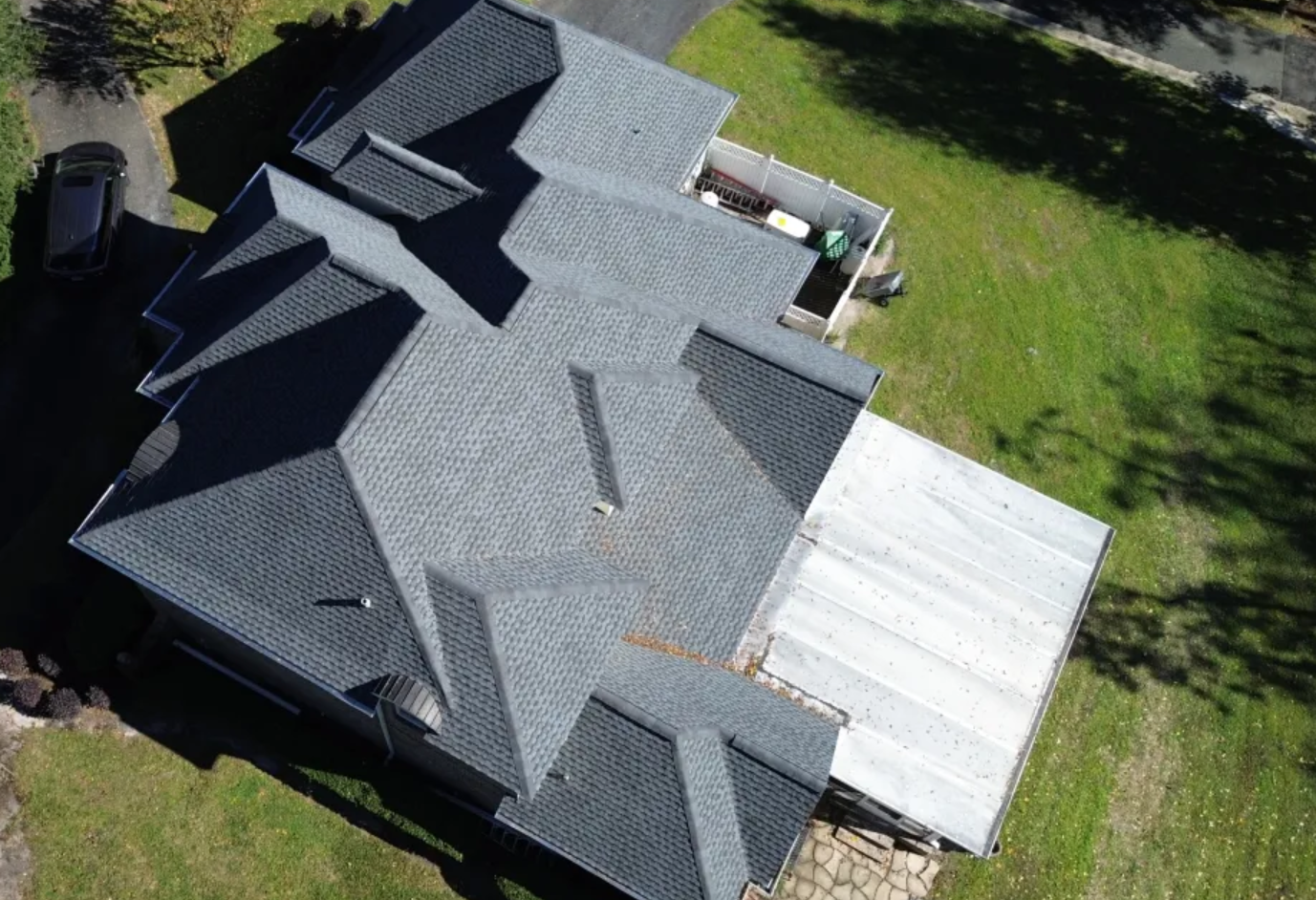
Ridge Vent Installation Guide for Better Attic Ventilation
Modified Bitumen Roofing For Flat & Low-Slope Buildings
GAF Timberline Shingles: Features, Cost, and Benefits

GAF Timberline HDZ: Complete Guide For Homeowners
EPDM Rubber Roofing: Benefits, Costs, and Installation
Dimensional Shingles: Boost Curb Appeal And Roof Protection

Clay Tile Roofing: Benefits, Costs, And Lifespan Guide

Chimney Flashing Repair: Stop Chimney Leaks Fast

Built-Up Roofing Guide for Flat Commercial Roofs
Best Roofing Material for Florida Homes: 2026 Guide

Why Attic Ventilation Matters For A Healthier Home

Standing Seam Metal Roof: Benefits, Cost, and Installation

Same Day Roof Repair: Fast Emergency Solutions For Your Home
Roofing Contractors In Ocala, FL: How To Choose With Confidence
Roofing Company In Ocala, FL: How To Choose A Trusted Pro
Roofers Gainesville, FL: How To Choose A Trusted Pro

Roof Repair In Ocala, FL: How To Choose A Trusted Contractor
Roof Repair In Gainesville, FL: Fast Help For Storms

Metal Roofing In Gainesville, FL: Durable Roofs That Cut Bills
Why Hiring A GAF Master Elite Roofer Matters

Corrugated Metal Roofing: Durable, Affordable Roof Guide

Best Shingles for Florida: Top Hurricane-Resistant Options

Architectural Shingles: Durable, Stylish Roofing Guide
24/7 Roof Repair: Fast Emergency Help When You Need It

.svg)


.svg)
.svg)
.svg)
.svg)
