What Gainesville Roofers Recommend Before Your First Skylight Installation

Adding a skylight can make a big difference in how your home feels. You get more natural light, rooms feel bigger, and you may not need to flip on the lights as often during those slightly shorter late-summer days. A skylight can turn a dark hallway, bathroom, or living room into a bright, happy space.
But cutting a hole in your roof is a big deal. Gainesville homeowners often worry about leaks in heavy rain, extra heat in the house, or a skylight that ends up in the wrong spot and causes glare. The good news is that most of those problems are avoidable. Smart planning, the right products, and a careful installer are what really make skylight installation work long term.
Let Natural Light in Without Regrets
A skylight feels simple: you want more daylight, so you put a window in the roof. The reality is, there are a few choices to make before anyone climbs a ladder. When those choices are rushed, that is when regrets show up later.
Common concerns we hear from Gainesville homeowners include:
- Water dripping around the skylight in summer storms
- Rooms heating up too much in the afternoon
- Light shining right on TV screens or computer monitors
- A skylight that looks great, but is in the wrong room
Thinking through light, heat, and weather ahead of time helps you enjoy the view overhead without worrying every time a storm pops up.
Decide If Your Roof Is Ready for a Skylight
Before you cut into a roof, you want to know that roof is in good shape. That is why we recommend a full roof check first.
Key things a roofing contractor will look at:
- Shingle condition, granule loss, curling or damage
- Flashing around pipes, vents, or chimneys
- Underlayment and any signs of past leaks
If your roof has taken a beating from recent storms, it may need repair before skylight installation makes sense. Placing a new skylight on a tired roof is like putting new tires on a car with a bent frame.
Roof structure also matters. Truss-framed roofs usually have fixed spacing that limits where a skylight can safely fit. Stick-framed roofs, built with individual rafters, often give a little more flexibility. Roof slope and valleys are important too, since water naturally runs toward those areas, and you never want a skylight sitting where water collects.
If you are already planning a roof replacement in the next few years, combining that work with skylight installation can be smart. It can:
- Help line up permits in one go
- Allow better waterproofing under and around the skylight
- Reduce repeat labor, since crews are already on the roof
Choose the Right Skylight Type for Florida Weather
Not every skylight works the same. Picking the right style for each room helps with comfort and long-term performance in our hot, humid climate.
Fixed skylights stay closed. They are great for:
- Living rooms and bedrooms where you mainly want light
- Spaces where you need the best energy performance
- Areas where moisture is not a big issue
Vented skylights can open to let in fresh air. These are helpful in:
- Bathrooms, to let steam out
- Kitchens, to release heat and cooking smells
- Any room that tends to feel stuffy
Glazing and coatings matter just as much as the frame. Impact-resistant glass helps protect against wind-blown debris and hail during storms. Low-E coatings can reduce heat gain while still allowing good light. UV filtering helps protect furniture, flooring, and artwork from fading in direct sun.
You can also add shades or tinting to control brightness and heat. Options include:
- Manual blinds you pull by hand or with a pole
- Motorized blinds you control with a switch or remote
- Smart controls that let you set schedules
- Tinting that softens glare and calms bright spaces
Plan Placement, Size, and Energy Performance
Where you place a skylight often matters more than which model you pick. A good roofer will think about how the sun moves over your home.
General orientation tips:
- North-facing skylights usually give softer, steady light
- South-facing skylights often bring stronger light and more heat
- East-facing skylights brighten rooms in the morning
- West-facing skylights can lead to hotter afternoons and more glare
Match that to how you use each room. For example, morning light can be great in a kitchen, while harsh west light may not be ideal over a TV area.
Size also matters. A rough rule is that a skylight should be only a small part of the room’s floor space. Too small and you barely notice a change. Too big and the room can feel glaring and overexposed.
Energy performance details to consider:
- U-factor, how well the skylight insulates against heat transfer
- Solar heat gain coefficient (SHGC), how much solar heat gets through
- Proper flashing and air sealing, to keep hot, humid air and rain out
When everything is installed correctly, a skylight can brighten your home without making your AC work harder than it needs to in Gainesville’s climate.
Protect Your Home From Leaks and Storm Damage
Most horror stories about skylights come down to poor waterproofing. A careful installer will:
- Use factory-made flashing kits designed for that skylight and roof type
- Install a self-adhering membrane around the opening for extra protection
- Layer shingles correctly so water flows away from the skylight
Storm strength is another key point here in Florida. Impact-rated skylights, secure fastening, and code-compliant installation help your roof stand up better to heavy wind and flying debris. This kind of planning gives you more peace of mind during late-summer and early fall storm activity.
Ventilation is not just about fresh air; it also helps handle moisture. A properly vented skylight over a bathroom or kitchen can:
- Let steam and humidity escape faster
- Reduce the chance of condensation around the opening
- Help protect drywall and paint from peeling or mold growth
Budget, Permits, and Picking a Gainesville Roofer
The cost of skylight installation can vary a lot based on:
- Type of skylight, fixed or vented
- Size of the unit
- Roof pitch and access
- Interior work, like drywall and painting around the new opening
Trying to cut corners with bargain products or rushed labor often leads to leaks, repairs, and more expense later.
Permits and code requirements matter too. Roof openings must meet local building codes for:
- Wind ratings
- Proper fastening
- Energy performance and safety glass
A licensed roofing contractor will handle the permitting process and follow Florida and Gainesville rules for roof work.
When choosing a roofer in our area, it helps to look for:
- A current state roofing license
- Local references and completed projects
- Clear experience with storm damage and repairs
- Written estimates that explain materials and installation steps
- Warranty information on both the skylight and the roof work
Working with a company that regularly installs and repairs roofs in Gainesville, like Energy Roofing Companies, helps you know the skylight is part of a complete roofing system, not just a hole cut into your home.
Brighten Your Home With Expert Skylight Installation
If you are ready to bring more natural light into your space, our team at Energy Roofing Companies is here to help you plan the ideal skylight installation for your home. We will walk you through your options, explain what to expect, and schedule work at a time that fits your routine. To discuss your project and get a customized estimate, simply contact us and we will reach out promptly.
Related posts
Apartment Complex Roofing Decisions Property Managers Regret
What Gainesville Roofers Recommend Before Your First Skylight Installation
Questioning Roof Coating Services for Florida Flat Roofs
Choosing Roof Replacement After Florida Hurricane Landfall
.jpg)
How Florida Insurance, Wind Mitigation Credits, and Deductibles Affect Roof
What Happens When Roof Leaks Reach Your Attic Insulation
.jpg)
Florida Rubber Roofing Myths Homeowners Should Stop Believing
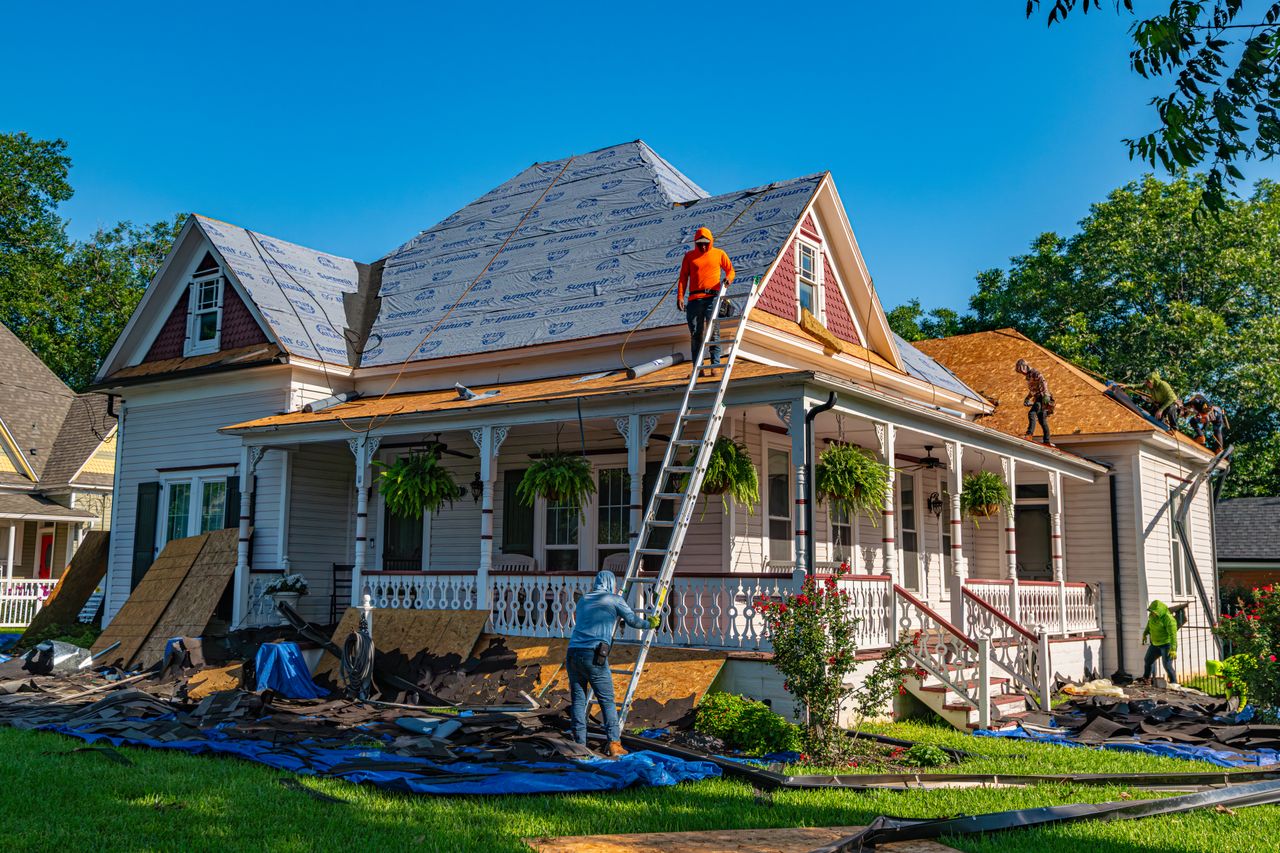
Storm Damage Roof Repairs Florida HOAs Often Underestimate
Questioning Roof Cleaning Services in Florida’s Humid Climate

Smart Roof Maintenance Plans for Florida Apartment Complexes
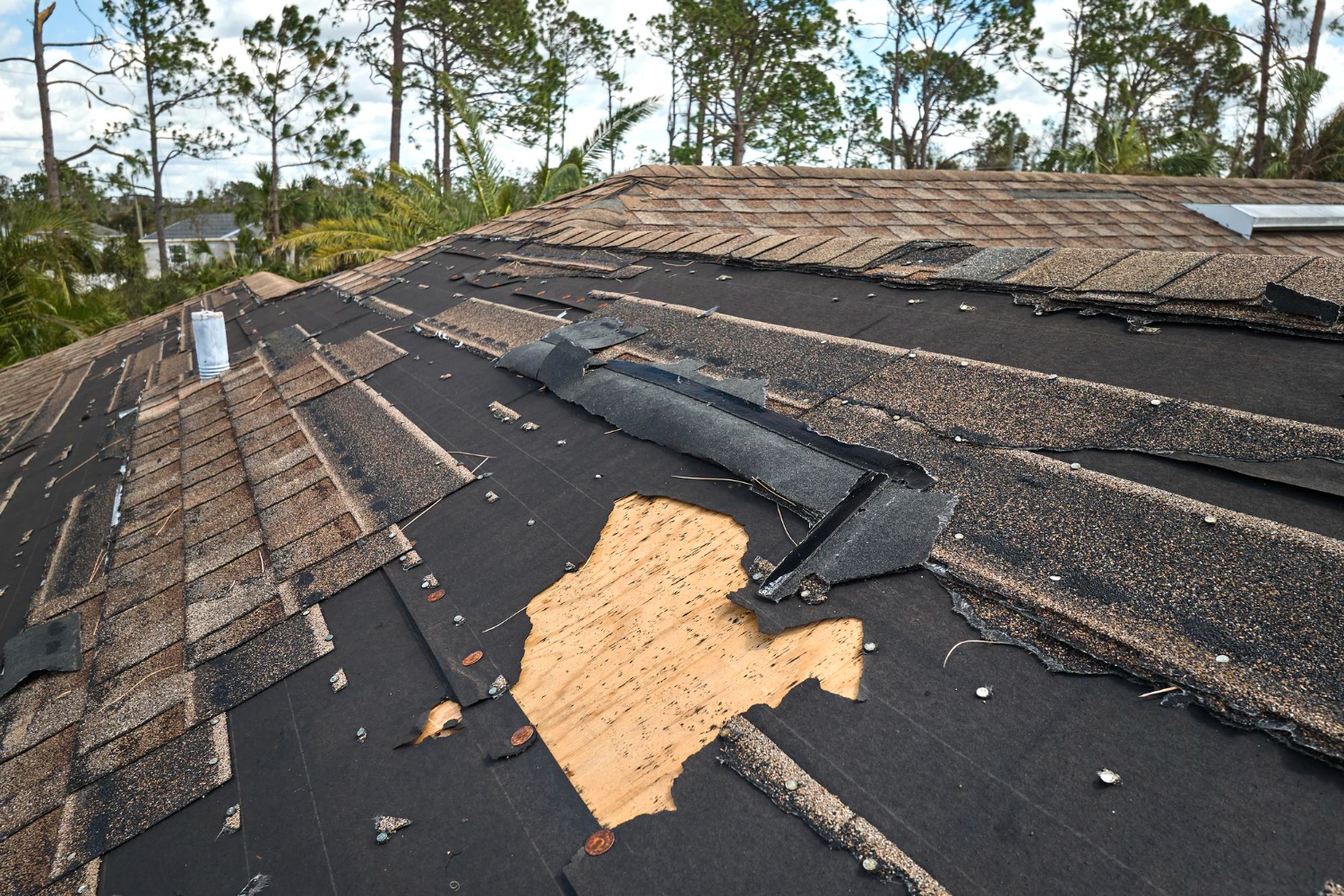
Hidden Cost Drivers in Florida Roof Replacements: Permits, Codes, Fees

Early-Morning Roof Leak Repair in Gainesville Summer Storms
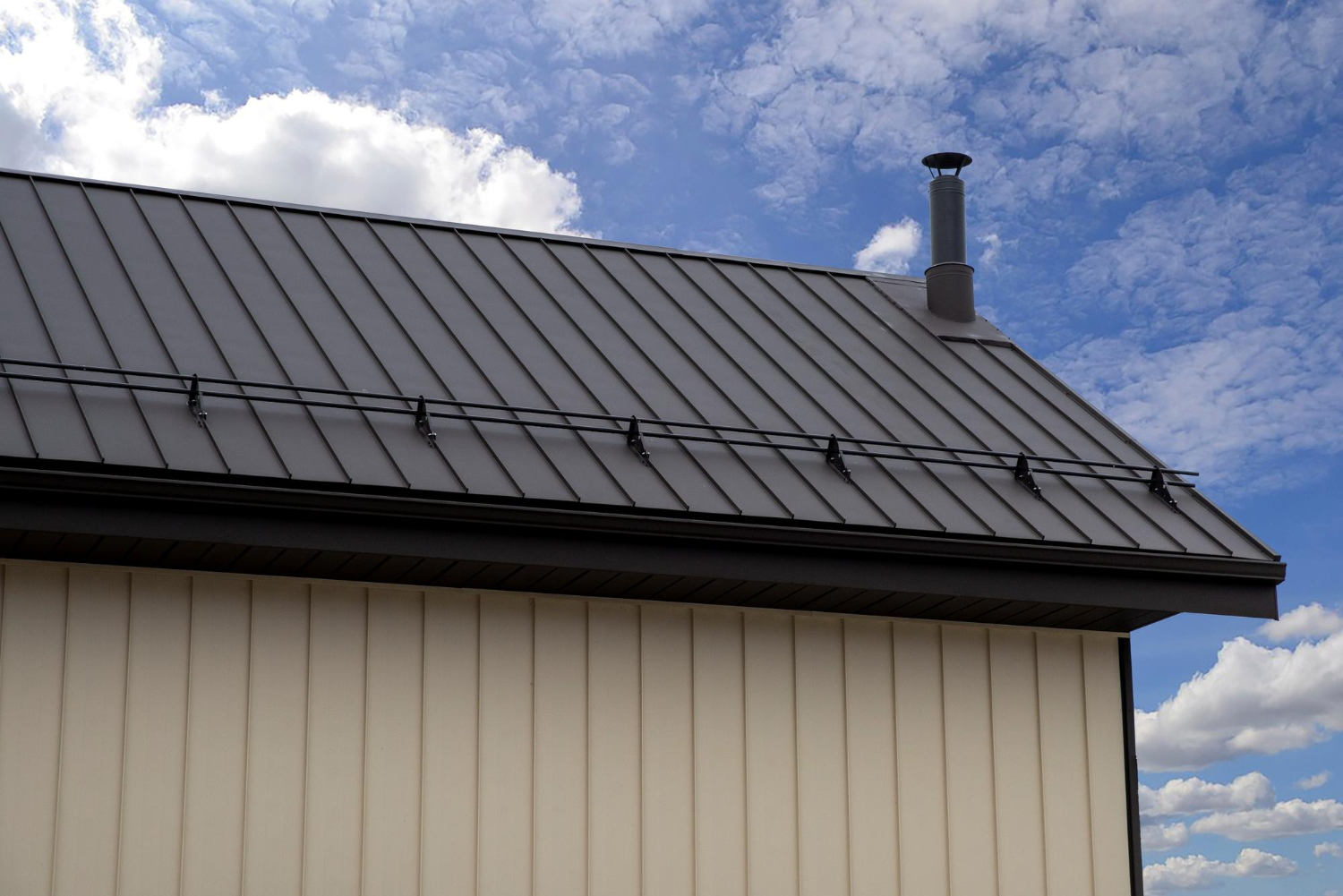
Is a Standing Seam Metal Roof Right for Florida Homes
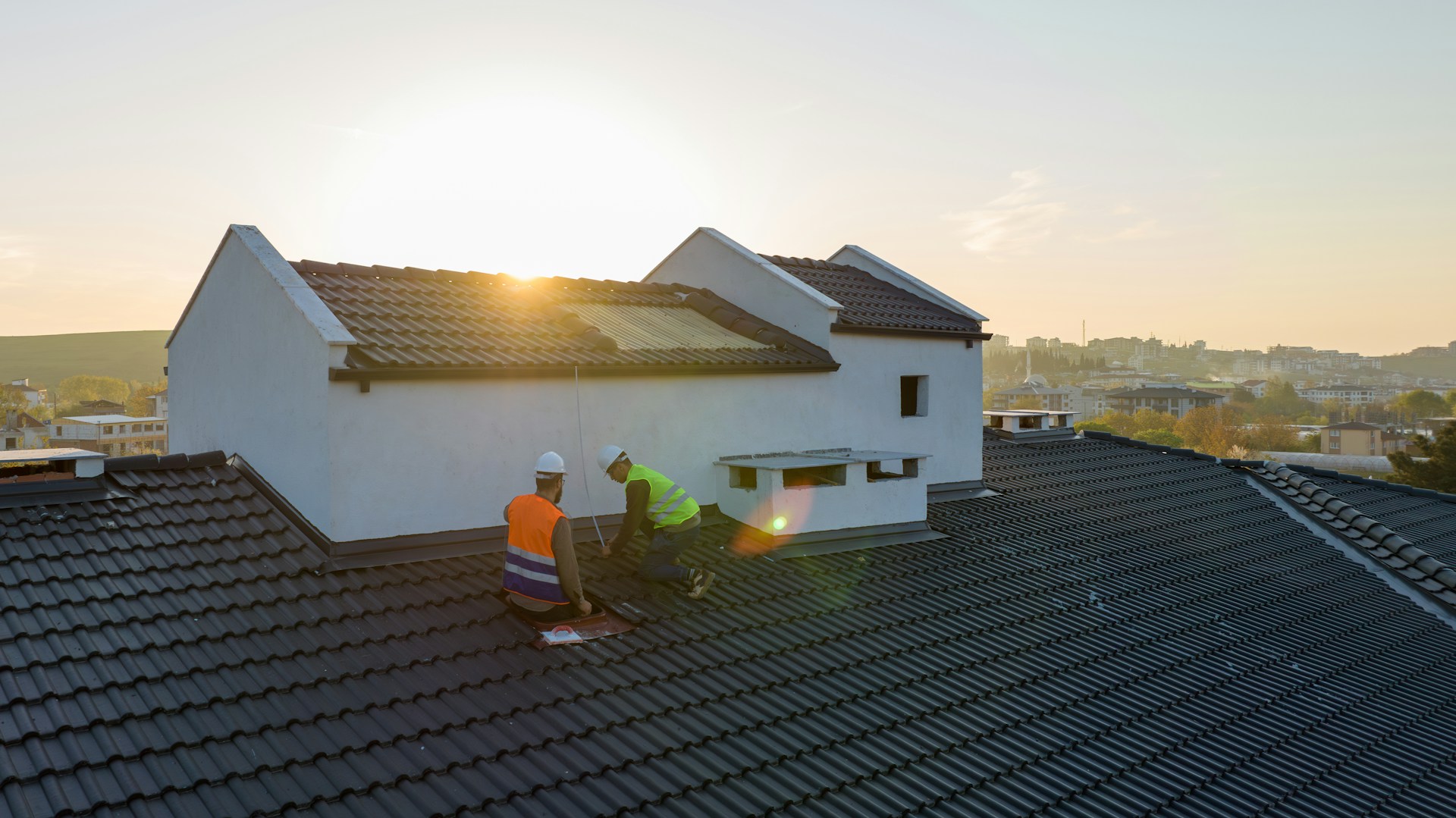
Questioning Your Roof Warranty in Florida’s Storm Belt
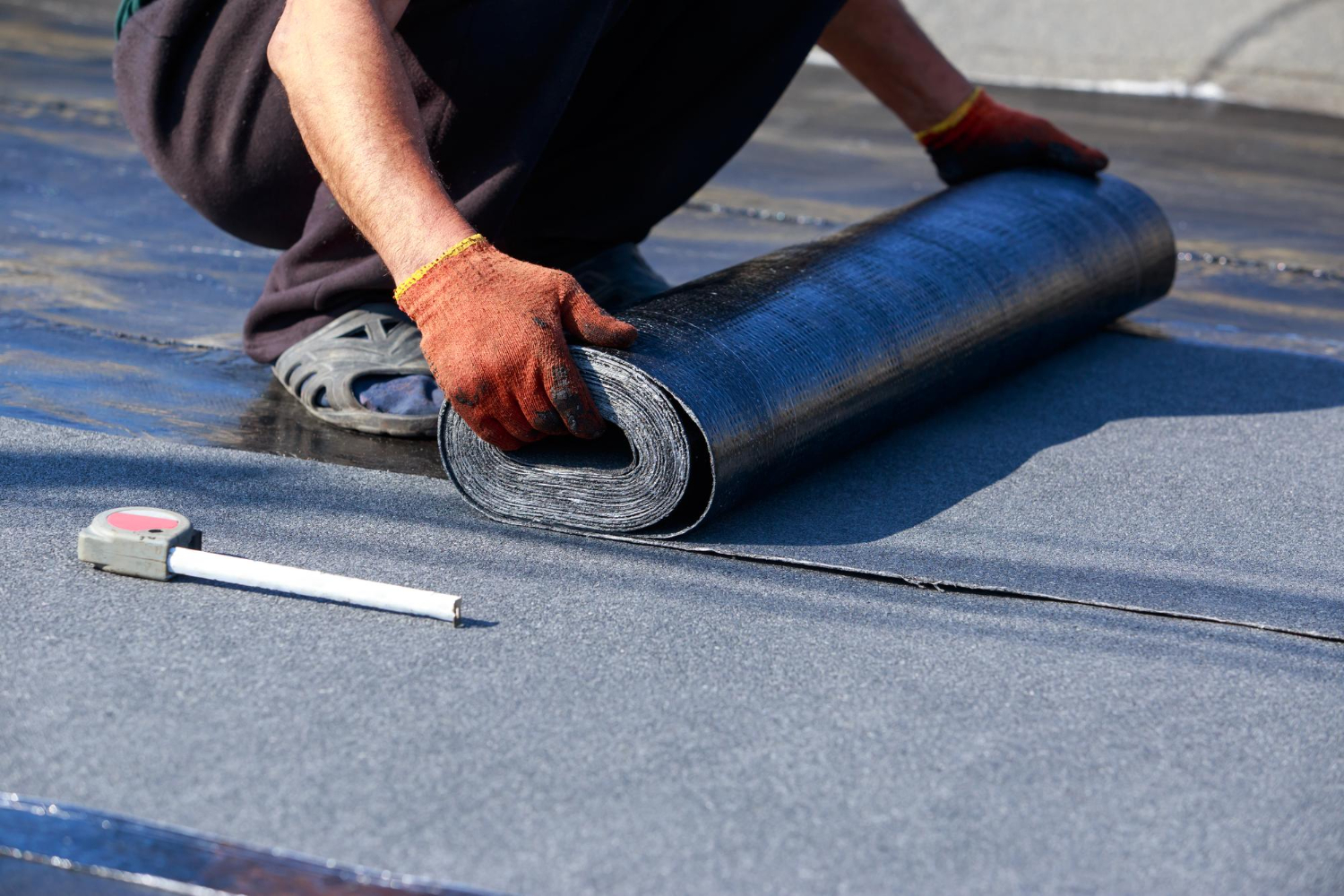
How to Choose Roof Underlayment and Waterproofing for Florida Weather
.jpg)
Why Gainesville Homebuyers Need a Dedicated Roofing Company Partner

What Gainesville Homeowners Miss in Post-Storm Roof Inspections
.jpg)
Summer Roof Maintenance Plans for Florida Homes

Roof Financing Options Florida Homeowners Should Understand

Pre-Listing Roof Inspection Tips for Gainesville Sellers
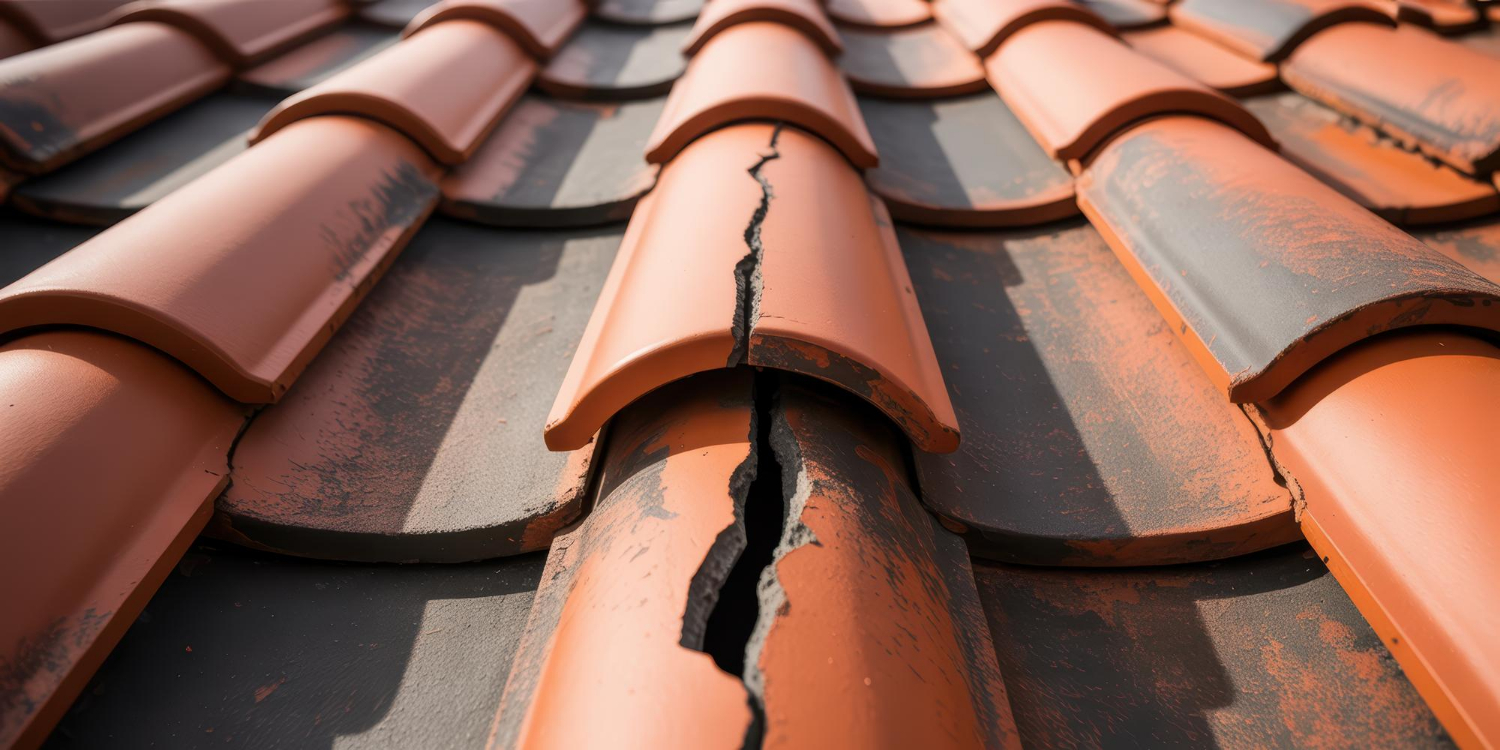
Florida Cracked Roof Tiles That Look Minor but Leak Big
Why Gainesville Roof Vent Leaks Start in the Attic First

Signs Your Florida Flat Roof Needs Professional Repair

Roof Tarping Emergency Steps for Florida Storm Nights
Understanding Hail Damage Roof Claims in Florida
.jpg)

Roof Insurance Claim Help for Florida Storm Seasons

Roof Ventilation Problems Florida Homeowners Overlook

When to Consider Roof Replacement in the Florida Climate
Ridge Vent Installation Guide for Better Attic Ventilation
Modified Bitumen Roofing For Flat & Low-Slope Buildings
GAF Timberline Shingles: Features, Cost, and Benefits

GAF Timberline HDZ: Complete Guide For Homeowners
EPDM Rubber Roofing: Benefits, Costs, and Installation
Dimensional Shingles: Boost Curb Appeal And Roof Protection

Clay Tile Roofing: Benefits, Costs, And Lifespan Guide

Chimney Flashing Repair: Stop Chimney Leaks Fast

Built-Up Roofing Guide for Flat Commercial Roofs
Best Roofing Material for Florida Homes: 2026 Guide

Why Attic Ventilation Matters For A Healthier Home

Standing Seam Metal Roof: Benefits, Cost, and Installation

Same Day Roof Repair: Fast Emergency Solutions For Your Home
Roofing Contractors In Ocala, FL: How To Choose With Confidence
Roofing Company In Ocala, FL: How To Choose A Trusted Pro
Roofers Gainesville, FL: How To Choose A Trusted Pro

Roof Repair In Ocala, FL: How To Choose A Trusted Contractor

Roof Repair In Gainesville, FL: Fast Help For Storms

Metal Roofing In Gainesville, FL: Durable Roofs That Cut Bills
Why Hiring A GAF Master Elite Roofer Matters

Corrugated Metal Roofing: Durable, Affordable Roof Guide

Best Shingles for Florida: Top Hurricane-Resistant Options

Architectural Shingles: Durable, Stylish Roofing Guide
24/7 Roof Repair: Fast Emergency Help When You Need It

.svg)


.svg)
.svg)
.svg)
.svg)
