3 Tab Shingles: Cost, Lifespan, Pros & Installation Guide
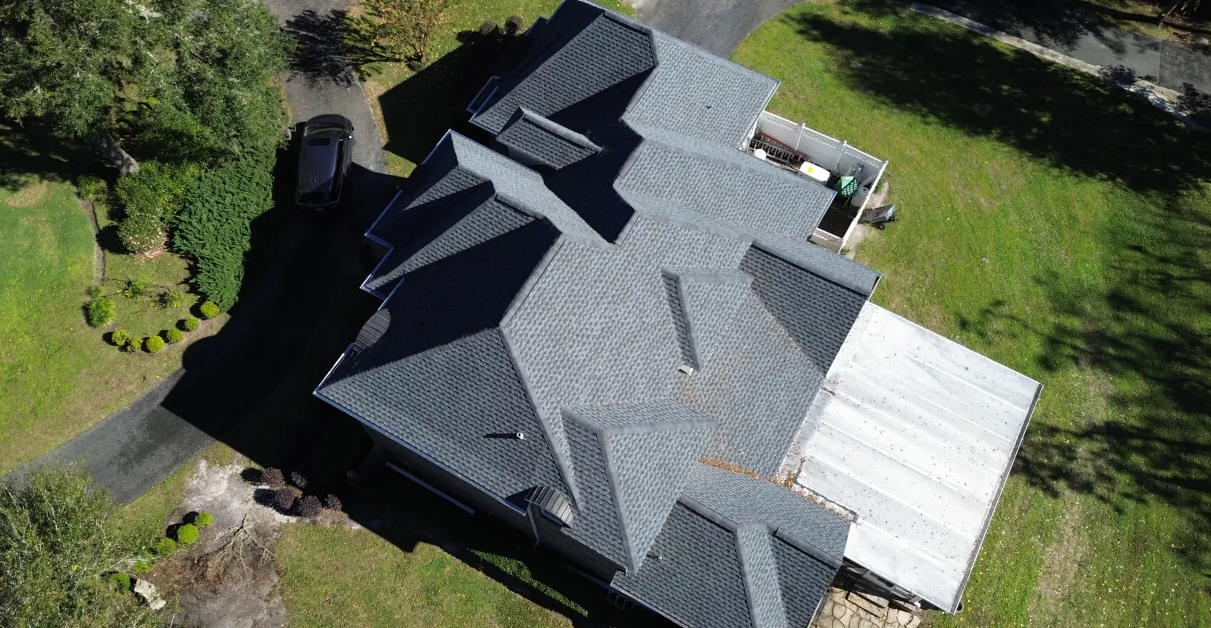
Choosing the right roofing material can feel overwhelming, especially when you're balancing cost, durability, and long-term protection. Many homeowners researching 3-tab shingles want a reliable option without stretching the budget.
At Energy Roofing Companies, we often speak with homeowners who need a roof that performs well but remains affordable. As a GAF Master Elite® contractor (a distinction earned by only 2% nationwide), we believe understanding your options helps you make confident decisions.
In this guide, you’ll learn what 3-tab shingles are, how they’re installed, how long they typically last, and when they make sense for your home. We’ll also cover key benefits and important factors to consider before choosing this roofing option.
What Are 3 Tab Shingles?
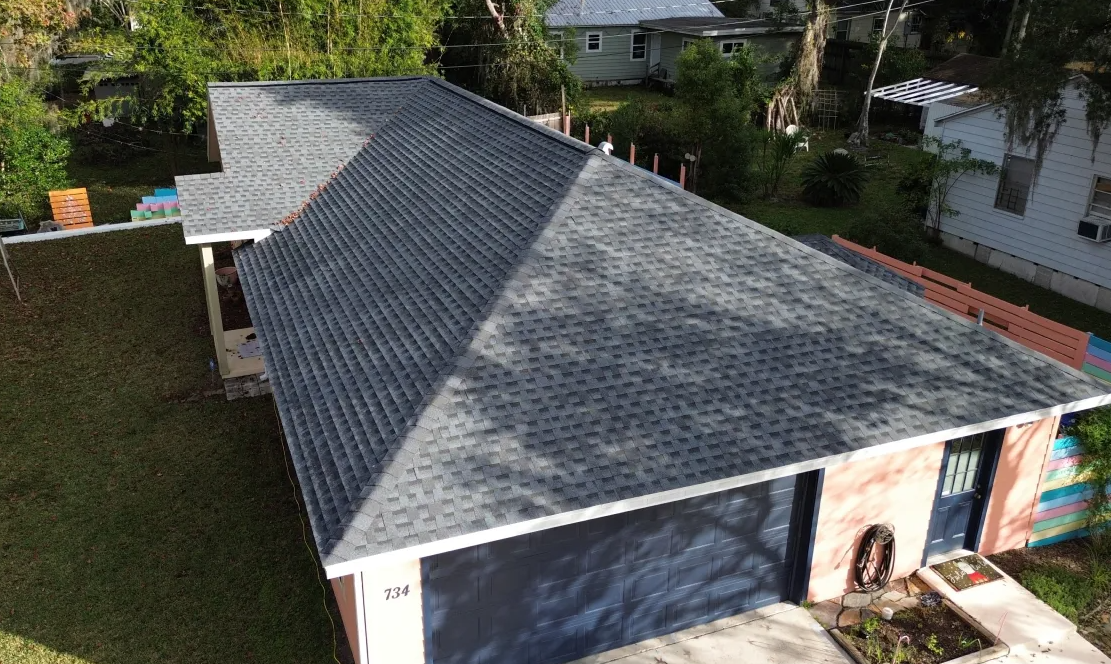
3-tab shingles are flat asphalt roofing shingles with three evenly spaced cutouts along the bottom edge. These cutouts create the appearance of three separate shingles, even though each piece is a single strip.
Basic Structure and Composition
3-tab shingles have a straightforward design that’s easy to recognize on many homes. Each shingle consists of a single flat layer with three uniform tabs that line up in straight rows during installation.
The cutouts between the tabs create a clean and consistent pattern across the roof. The basic structure includes a base mat coated with asphalt and covered with mineral granules.
The base mat is usually made of fiberglass or organic materials and helps hold the shingles together. The asphalt coating provides waterproofing and helps the shingles resist weather damage.
Mineral granules protect the asphalt from UV rays and add color to your roof. These granules also provide fire resistance and protection against algae, which helps extend the roof’s performance.
Comparison To Architectural Shingles
The main difference between 3-tab shingles and architectural shingles is their structure. 3-tab shingles are single-layer and flat, while architectural shingles use multiple layers to create a thicker, dimensional appearance.
Key differences include:
- Appearance: 3-tab shingles create a flat, uniform pattern. Architectural shingles produce deeper shadow lines and more texture.
- Weight: 3-tab shingles are lighter and thinner than architectural options.
- Cost: 3-tab shingles are often 20–30% less expensivethan architectural shingles.
- Lifespan: 3-tab shingles usually last 15–25 years, while architectural shingles may last 25–30 years or longer.
For many homeowners, the decision comes down to budget, durability expectations, and preferred appearance.
Types of Materials Used
There are two primary base materials used in 3-tab shingle construction, with fiberglass being the most common today. Fiberglass mats use woven glass fibers to create a lightweight, durable base. They resist tearing and offer better fire resistance than older materials.
Organic mat shingles use recycled paper or wood fibers. These were more common decades ago, but are rarely manufactured today because they absorb more moisture and are heavier.
Both types are coated with asphalt to provide waterproofing. In some products, the asphalt may be modified with rubber polymers to improve flexibility.
Ceramic-coated mineral granules cover the surface in shades of gray, brown, black, and green. These granules help protect the shingles from sunlight and weather exposure.
Key Benefits of 3 Tab Shingles
3-tab shingles provide homeowners with a roofing option that balances affordability and reliable performance. Their design keeps costs down while still offering dependable protection for many homes.
Affordability and Cost Savings
One of the biggest advantages of 3-tab shingles is their budget-friendly price point. They typically cost less than architectural shingles, metal roofing, or other premium materials.
Lower material costs help reduce the total price of a roof installation. This makes them a practical option for homeowners who need to replace a roof quickly or work within a set budget.
Savings can also extend to labor. Because 3-tab shingles are lighter and simpler to install, roofing crews often complete the project faster than with heavier roofing systems.
Ease of Installation
The flat design of 3-tab shingles allows roofing professionals to install them efficiently. Each shingle is a single layer with evenly spaced cutouts along the bottom edge.
Their consistent shape helps roofers maintain straight rows and predictable placement. This often allows projects to move quickly while maintaining a clean, uniform pattern.
Shorter installation times may also help reduce labor costs. The straightforward layout has helped 3-tab shingles remain a common roofing material for decades.
Versatility in Design
3-tab shingles work well with many home styles and architectural designs. They are available in a variety of colors that can match or complement exterior siding and trim. Common color options include black, gray, brown, and other neutral tones. These colors create a clean and traditional roof appearance.
When installed, the three tabs give the impression of separate shingles. This adds subtle visual interest without creating a heavy or textured roof profile.
Because of their simple design, 3-tab shingles fit both traditional and modern homes while maintaining consistent curb appeal.
Installation Process for 3 Tab Shingles
Installing 3-tab shingles requires the right tools, materials, and attention to detail. Proper preparation and correct installation steps help ensure long-term roof performance.
Tools and Materials Needed
Before starting a roofing project, you'll need several common tools. These typically include a hammer or nail gun, utility knife, chalk line, tape measure, and roofing nails. Other tools, such as a straightedge and tin snips, help with cutting and trimming shingles when needed.
Materials usually include 3-tab shingles, roof underlayment, drip edge flashing, and roofing cement. Starter strips are also required and can be purchased or made by trimming the tabs from standard shingles.
Safety equipment is essential for roof work. Non-slip footwear, gloves, safety glasses, and a roof harness are strongly recommended. Always check with your local building department about permit requirements before starting a roofing project.
Step-By-Step Guide
Installation begins with placing drip edge flashing along the eaves at the bottom of the roof. This metal edge helps protect the roof structure from water intrusion. Next, roofing underlayment is rolled out across the roof deck. Each row should overlap the previous row by about 6 inches to improve moisture protection.
Drip edge flashing is then installed along the rake edges of the roof. Starter shingles are placed along the bottom edge and typically extend ¼ to ¾ inch past the drip edge. The first full row of 3-tab shingles is installed directly above the starter strip. Each shingle is secured with four nails positioned just below the adhesive strip.
For the second row, shingles are offset by half a tab (approximately 6 inches) to create a staggered pattern. This pattern prevents water from flowing directly through vertical seams. Chalk lines are often snapped every few rows to keep the installation straight as work progresses up the roof.
Common Installation Mistakes
Incorrect nail placement is one of the most common issues during installation. Each 3-tab shingle should be secured with four nails placed in the correct location. Nails placed too high may fail to secure the next shingle properly, leading to wind damage.
Alignment is another important factor. Crooked rows or inconsistent staggering can create openings where water may enter the roof system. Improper shingle overhang at the roof edges can also cause problems. Shingles should extend about ¼ to ¾ inch past the drip edge, but not much farther.
Weather conditions also matter. Installing shingles in temperatures below 40°F can prevent adhesive strips from sealing correctly.
Durability and Longevity
3-tab shingles typically last between 15 and 20 years under normal conditions. However, their lifespan depends on installation quality, climate conditions, and routine maintenance.
Expected Lifespan
Most 3-tab shingles provide reliable protection for about 15 to 20 years. This is shorter than architectural shingles, which can often last 25 to 30 years or longer.
Homes located in areas with harsh weather may see a shorter lifespan. In milder climates, properly installed shingles may last closer to 20 years.
Modern fiberglass-based 3-tab shingles tend to last longer than older organic versions. Fiberglass improves durability and fire resistance. Many manufacturers offer warranties ranging from 20 to 25 years, though they are typically prorated over time.
Weather Resistance
3-tab shingles perform well under normal weather conditions but have limitations compared to thicker roofing systems.
Because they are thinner and lighter, they can be more susceptible to wind uplift. Many are rated for winds up to 60 mph, though higher ratings are sometimes available.
Extreme temperature swings may cause expansion and contraction that gradually weakens shingles. Heavy snow loads, hail, and ice dams can also reduce their lifespan. Constant sunlight can eventually break down asphalt and cause granule loss. This effect can be more noticeable in regions with strong sun exposure.
Maintenance Tips
Inspect your roof at least twice per year to identify potential problems early. Look for cracked shingles, curling edges, or missing granules.
Keep gutters clean so water can flow properly away from the roof system. Clogged gutters may cause water to back up under shingles.
Trim tree branches that hang over the roof to prevent debris buildup and storm damage. If you notice damaged 3-tab shingles, replacing them quickly can help prevent leaks and larger repair issues.
Choosing the Right 3 Tab Shingles
Selecting the right 3-tab shingles depends on several factors, including color preferences, climate conditions, and manufacturer reliability.
Color and Style Options
3-tab shingles are available in many colors to match different home exteriors. Popular choices include black, gray, brown, and earth tones. Many manufacturers offer 15 to 25 color variations, giving homeowners flexibility in appearance.
Lighter colors reflect more sunlight, which can help reduce heat buildup in warmer climates. Darker colors absorb heat and may be more suitable in colder regions. Because of their design, 3-tab shingles create a flat and uniform roof appearance that works with many home styles.
Factors To Consider Before Buying
Climate should be one of the first considerations when choosing 3-tab shingles. Homes in storm-prone regions should look for shingles with higher wind ratings.
Wind resistance ratings for these shingles typically range from 60 to 110 mph, depending on the product and installation method. Roof slope also matters. 3-tab shingles perform best on roofs with a pitch of at least 4:12.
Warranty coverage is another factor. Many products offer warranties between 20 and 30 years, though coverage details vary.
Homeowners should also consider how long they plan to stay in the home. For shorter ownership periods, 3-tab shingles may offer a practical and economical roofing solution.
Manufacturer Options
Several major manufacturers produce 3-tab shingles designed for residential roofing. GAF offers the Royal Sovereign line, which balances durability and cost while providing a standard 25-year warranty.
Owens Corning produces the Supreme 3-Tab shingles, which feature reinforced nail zones and a range of color options. CertainTeed offers the XT 25 line, known for its warranty coverage and broad color selection.
IKO manufactures Marathon shingles, which are often chosen for budget-friendly roofing projects.
Is A 3 Tab Shingle Roof The Right Choice For Your Home?
Choosing 3-tab shingles often comes down to balancing budget, durability, and appearance. For many homeowners, they provide a reliable roofing option that delivers protection without the higher cost of premium materials.
At Energy Roofing Companies, homeowners receive guidance from a team that understands local roofing conditions and helps you choose materials that fit your needs. Whether you're planning a roof replacement or evaluating your current roof, having the right information makes the process easier.
If you're considering 3-tab shingles or want to understand your roof’s condition, a professional inspection can help you plan your next step with confidence. Schedule a free inspection or call 855-766-3852 to get expert guidance.
Frequently Asked Questions About 3 Tab Shingles
What Are 3 Tab Shingles?
3-tab shingles are asphalt roofing shingles with three evenly spaced cutouts along the bottom edge. These cutouts create the appearance of three separate shingles while each piece is actually a single strip. They are one of the most common and affordable roofing materials used on residential homes.
How Long Do 3 Tab Shingles Last?
Most 3-tab shingles last between 15 and 20 years with proper installation and maintenance. Climate, ventilation, and weather exposure can influence the lifespan of the roof. Regular inspections and timely repairs can help maximize their service life.
Are 3 Tab Shingles Cheaper Than Architectural Shingles?
Yes, 3-tab shingles are typically 20–30% less expensive than architectural shingles. Their single-layer design requires fewer materials, which helps reduce both material and installation costs.
Are 3 Tab Shingles Good For High Wind Areas?
Standard 3-tab shingles are usually rated for winds around 60 mph, although some products may offer higher wind resistance when installed correctly. In areas with frequent storms or strong winds, homeowners may consider upgrading to thicker architectural shingles for added durability.
Can You Install 3 Tab Shingles On Any Roof?
3-tab shingles work best on roofs with a pitch of 4:12 or steeper. They can be installed on many residential roof designs, but proper underlayment, ventilation, and flashing are important for long-term performance.
What Colors Do 3 Tab Shingles Come In?
Most manufacturers offer 3-tab shingles in a variety of colors, such as black, gray, brown, and earth tones. Some brands also provide additional color blends that help match different siding, brick, or exterior finishes.
Are 3 Tab Shingles Still Used Today?
Yes, 3-tab shingles are still widely used today, especially for budget-conscious roof replacements, rental properties, and simple roof designs. While architectural shingles have become more common, 3-tab shingles remain a practical and cost-effective roofing option for many homes
Related posts
Apartment Complex Roofing Decisions Property Managers Regret
What Gainesville Roofers Recommend Before Your First Skylight Installation
Questioning Roof Coating Services for Florida Flat Roofs
Choosing Roof Replacement After Florida Hurricane Landfall
.jpg)
How Florida Insurance, Wind Mitigation Credits, and Deductibles Affect Roof
What Happens When Roof Leaks Reach Your Attic Insulation
.jpg)
Florida Rubber Roofing Myths Homeowners Should Stop Believing
Storm Damage Roof Repairs Florida HOAs Often Underestimate
Questioning Roof Cleaning Services in Florida’s Humid Climate
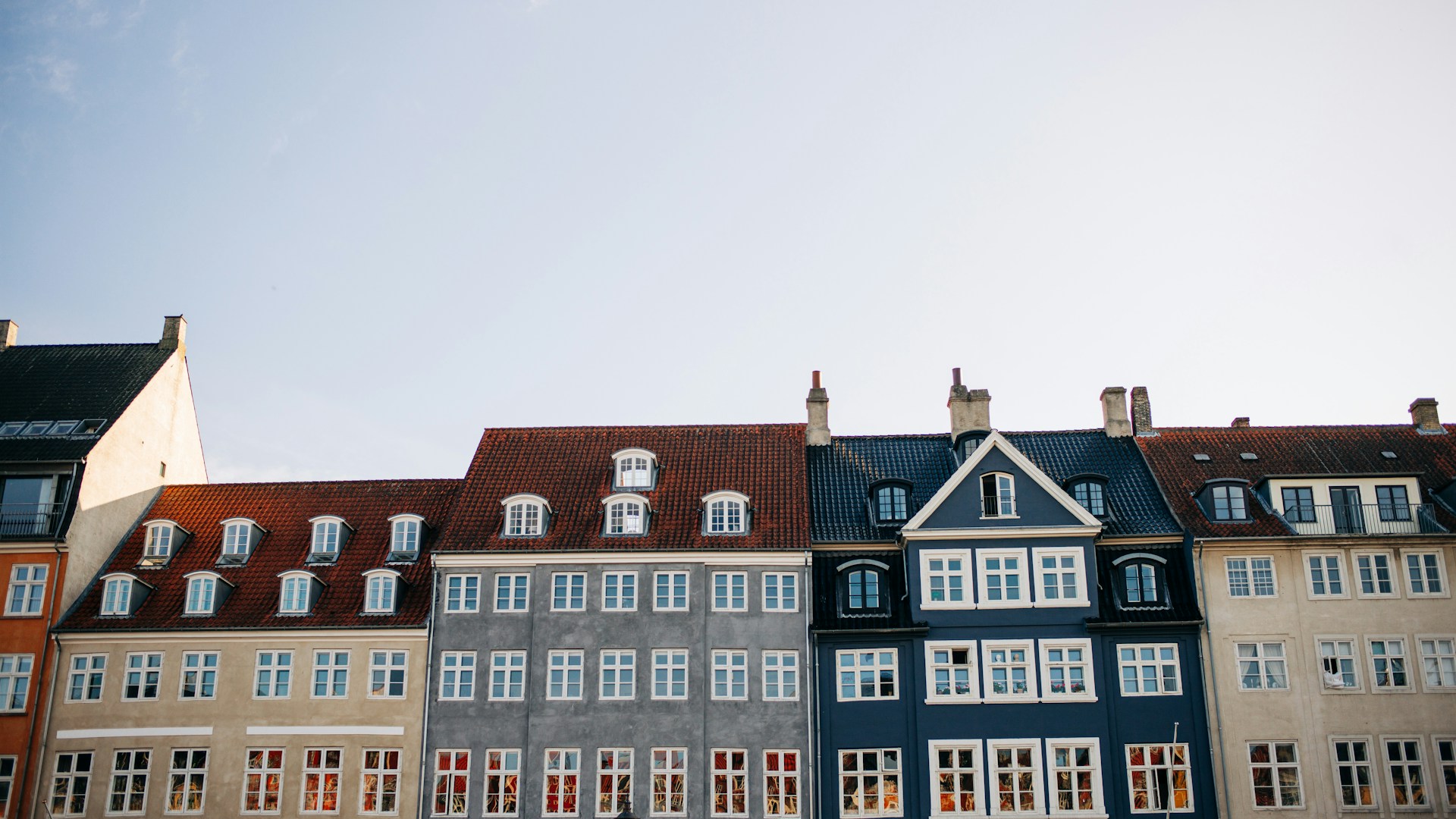
Smart Roof Maintenance Plans for Florida Apartment Complexes
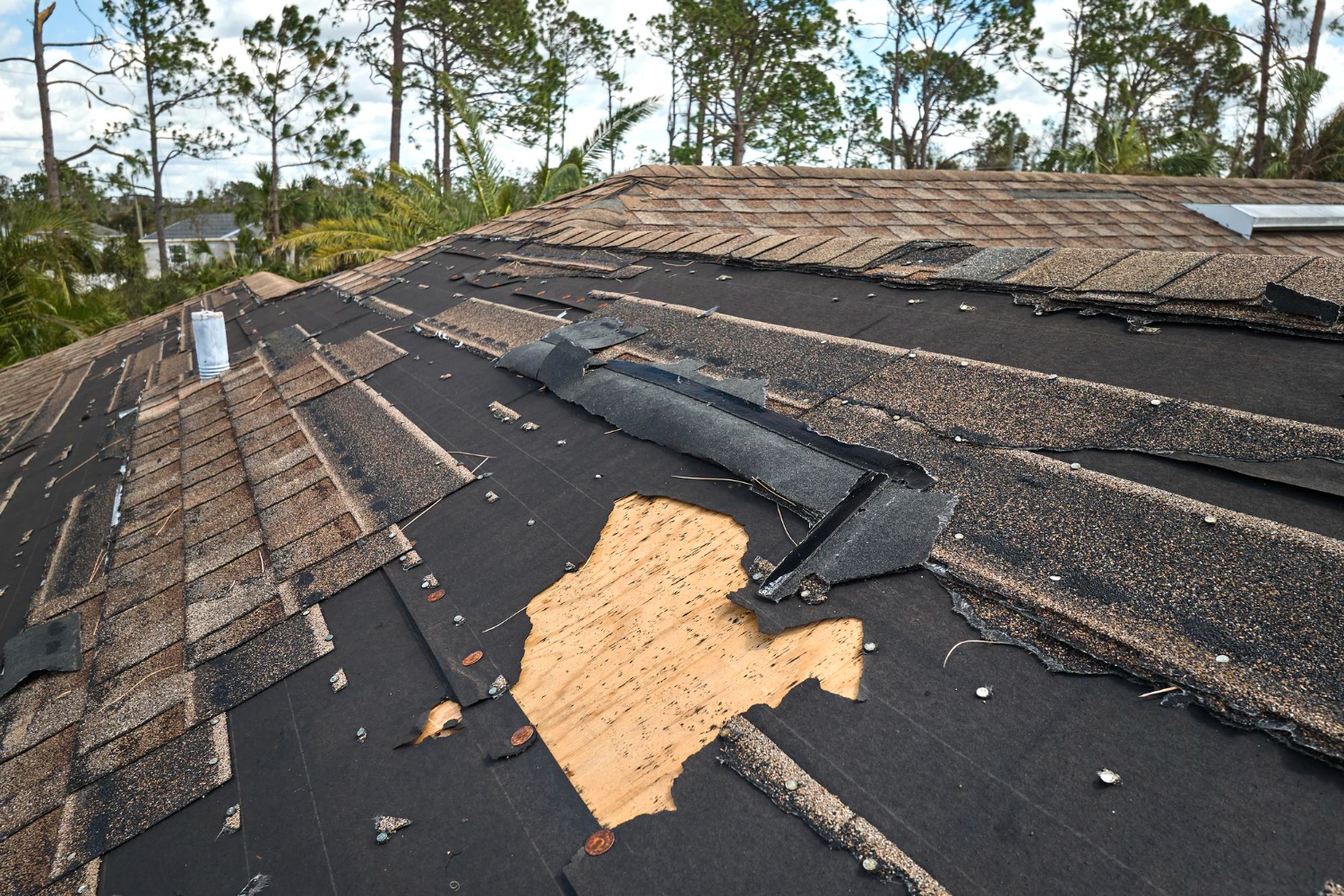
Hidden Cost Drivers in Florida Roof Replacements: Permits, Codes, Fees

Early-Morning Roof Leak Repair in Gainesville Summer Storms
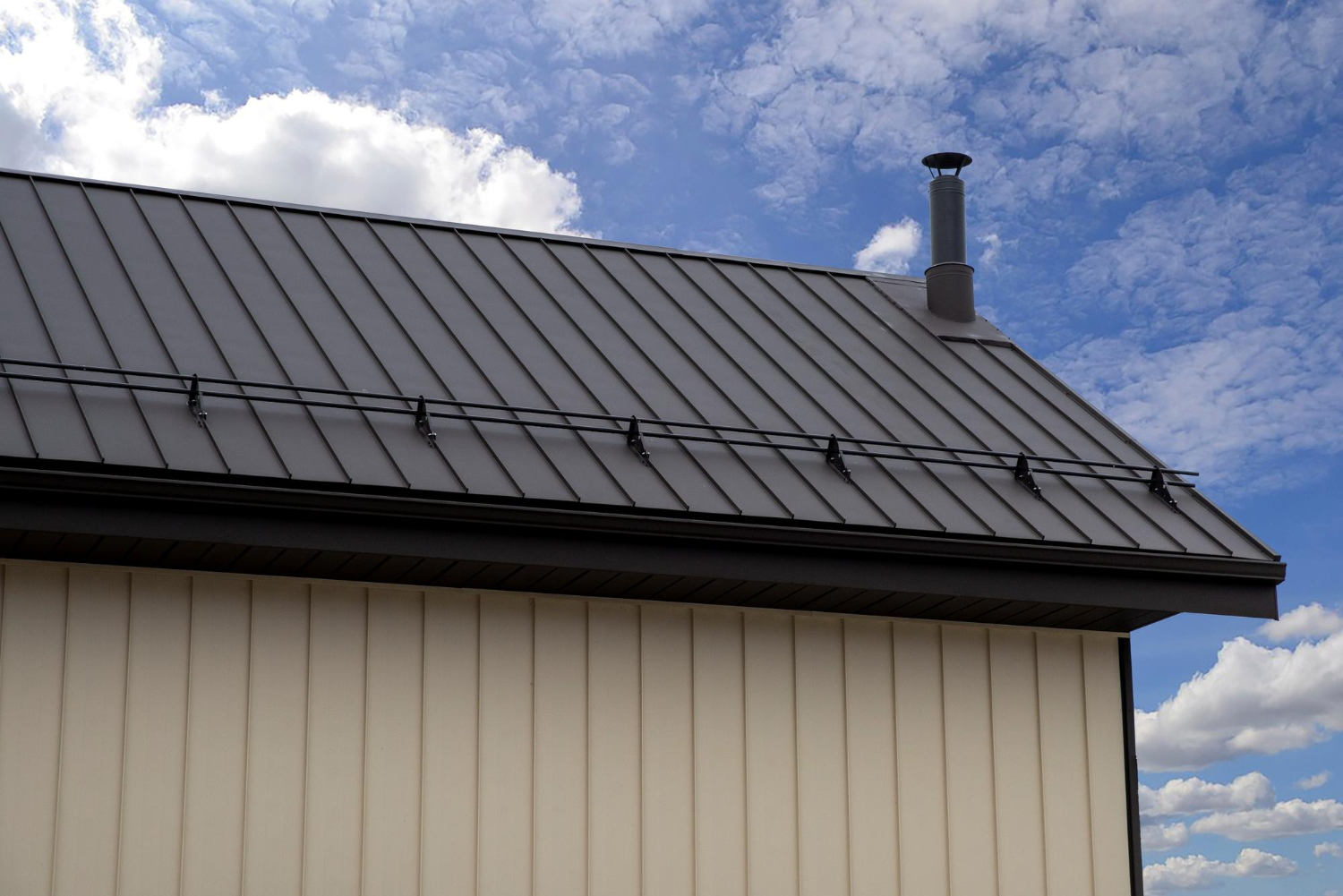
Is a Standing Seam Metal Roof Right for Florida Homes
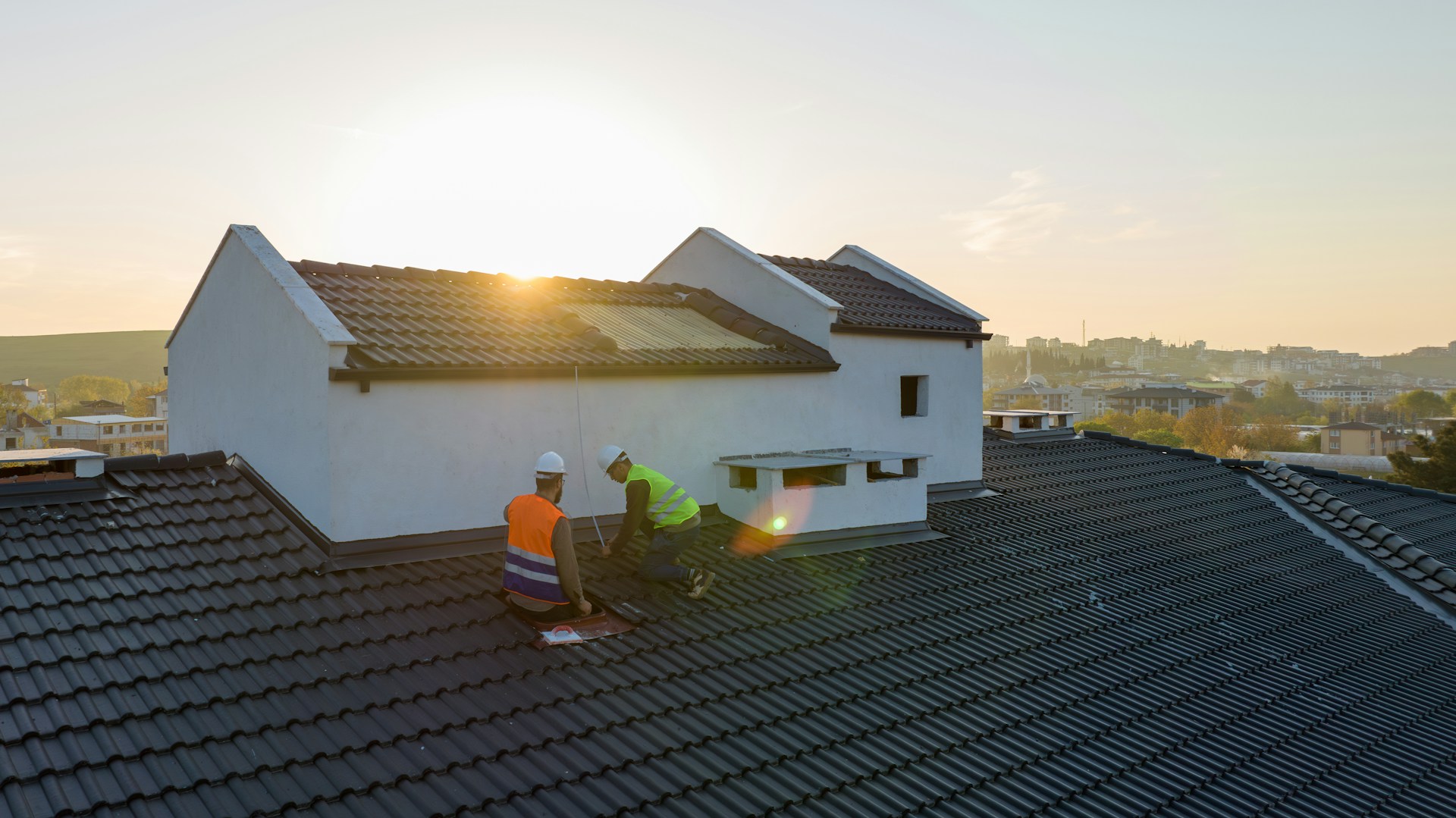
Questioning Your Roof Warranty in Florida’s Storm Belt
How to Choose Roof Underlayment and Waterproofing for Florida Weather
.jpg)
Why Gainesville Homebuyers Need a Dedicated Roofing Company Partner

What Gainesville Homeowners Miss in Post-Storm Roof Inspections
.jpg)
Summer Roof Maintenance Plans for Florida Homes

Roof Financing Options Florida Homeowners Should Understand

Pre-Listing Roof Inspection Tips for Gainesville Sellers
Florida Cracked Roof Tiles That Look Minor but Leak Big
Why Gainesville Roof Vent Leaks Start in the Attic First

Signs Your Florida Flat Roof Needs Professional Repair

Roof Tarping Emergency Steps for Florida Storm Nights
Understanding Hail Damage Roof Claims in Florida
.jpg)

Roof Insurance Claim Help for Florida Storm Seasons

Roof Ventilation Problems Florida Homeowners Overlook

When to Consider Roof Replacement in the Florida Climate
Ridge Vent Installation Guide for Better Attic Ventilation
Modified Bitumen Roofing For Flat & Low-Slope Buildings
GAF Timberline Shingles: Features, Cost, and Benefits

GAF Timberline HDZ: Complete Guide For Homeowners
EPDM Rubber Roofing: Benefits, Costs, and Installation
Dimensional Shingles: Boost Curb Appeal And Roof Protection

Clay Tile Roofing: Benefits, Costs, And Lifespan Guide

Chimney Flashing Repair: Stop Chimney Leaks Fast

Built-Up Roofing Guide for Flat Commercial Roofs
Best Roofing Material for Florida Homes: 2026 Guide

Why Attic Ventilation Matters For A Healthier Home

Standing Seam Metal Roof: Benefits, Cost, and Installation

Same Day Roof Repair: Fast Emergency Solutions For Your Home
Roofing Contractors In Ocala, FL: How To Choose With Confidence
Roofing Company In Ocala, FL: How To Choose A Trusted Pro
Roofers Gainesville, FL: How To Choose A Trusted Pro

Roof Repair In Ocala, FL: How To Choose A Trusted Contractor

Roof Repair In Gainesville, FL: Fast Help For Storms

Metal Roofing In Gainesville, FL: Durable Roofs That Cut Bills
Why Hiring A GAF Master Elite Roofer Matters

Corrugated Metal Roofing: Durable, Affordable Roof Guide

Best Shingles for Florida: Top Hurricane-Resistant Options

Architectural Shingles: Durable, Stylish Roofing Guide
24/7 Roof Repair: Fast Emergency Help When You Need It

.svg)


.svg)
.svg)
.svg)
.svg)
