Metal Roofing In Gainesville, FL: Durable Roofs That Cut Bills

Living in Gainesville means dealing with intense heat, heavy rain, and the threat of hurricanes. Your roof takes the brunt of it, and if it fails, everything underneath is at risk. Many homeowners start researching metal roofing in Gainesville, FL, after storm damage, rising energy bills, or another costly shingle repair.
At Energy Roofing Companies, we offer options that meet the Florida Building Code and withstand North Central Florida’s climate. With experience installing long-lasting systems designed for high winds and heat reflection, we focus on protection first and clear expectations from day one.
In this guide, you’ll learn the real benefits of metal roofing, the types available, what installation involves, and what it typically costs. By the end, you’ll know whether metal roofing in Gainesville, FL is the right long-term solution for your home.
Benefits Of Metal Roofing In Gainesville, FL
Metal roofing gives Gainesville homeowners some real perks. It slashes energy bills during those brutal summers, shrugs off storms, and honestly outlasts most other roofing materials.
Energy Efficiency And Cooling
Metal roofs reflect solar heat rather than absorbing it like asphalt shingles. That means your home stays cooler when Gainesville turns into a sauna.
Tests by the Florida Solar Energy Center found that metal roofing can drop your cooling costs by 23 to 30% during peak months. That's not pocket change; it's a break on your electric bill every single month.
You’ll probably notice your house feels more comfortable throughout the day. Metal roofing helps keep indoor temps steadier, which is a relief. Many metal roof options come with special coatings that crank up those energy savings even more.
Durability In Florida's Climate
Florida weather is no joke, but a metal roof can take it. Heavy rain, wild winds, hail, none of that fazes a properly installed metal roof.
Metal roofing holds up during hurricane season. The panels lock together tight and can handle wind speeds that would send traditional shingles flying.
That’s some serious peace of mind when a storm’s on the radar. Humidity and moisture? Metal doesn’t care. Wood or asphalt might rot or mold, but metal just keeps going. Your roof stays protected all year, no matter how muggy it gets.
Longevity Compared To Asphalt Shingles
Metal roofs usually last 50 years or longer in Gainesville. Asphalt shingles? You're lucky to get 15 to 20 years, especially with this climate.
If you go with metal, chances are you won’t have to deal with another roof replacement. The upfront price is higher, but the long-term value is hard to beat.
Metal roofing keeps looking good and performing well, too. Asphalt shingles fade, curl, and lose granules.
Metal just keeps on protecting your place, year after year.
Types Of Metal Roofing Materials
Metal roofing in Gainesville, FL comes in a few main styles, each with its own vibe and benefits. The big three are standing seam panels, metal shingles, and corrugated metal roofs.
Standing Seam Panels
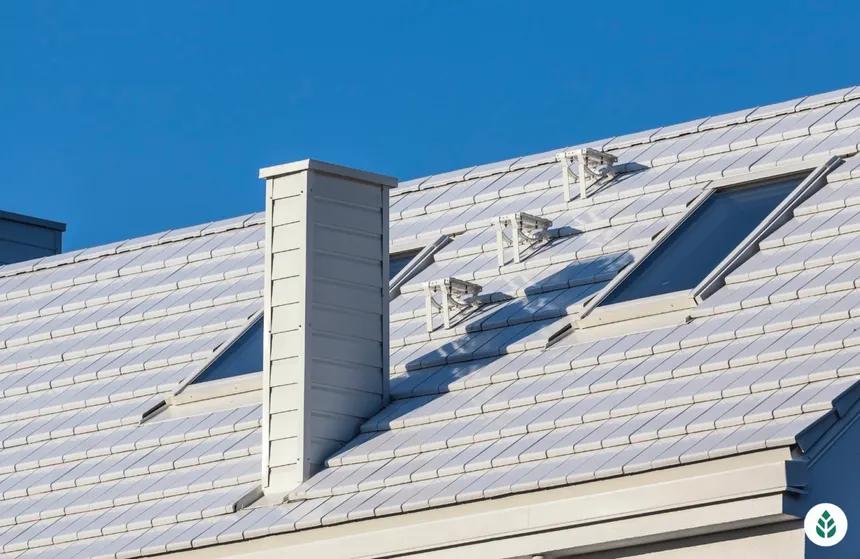
Standing seam is the go-to metal roofing style for homes and businesses around Gainesville. These are vertical panels that run from the top of your roof down to the eaves.
The panels connect with raised seams, so you don’t see any exposed fasteners. That hidden fastener system keeps leaks at bay and gives your roof a crisp, modern look.
These panels expand and contract with the heat without messing up the roof. That’s a lifesaver in Florida’s heat.
The seams usually rise about 1 to 2 inches above the panel surface. Standing seam roofs work for low-slope roofs and offer strong wind resistance, which is a must during hurricane season.
Metal Shingles
Metal shingles mimic the look of classic materials like asphalt, wood shakes, or even clay tiles. You get metal’s toughness with a more traditional style.
Each shingle is its own piece, attached right to the roof deck. They interlock to form a weather-tight barrier. If one gets damaged, you can just swap out the individual shingle, which is pretty handy.
Metal shingles are lighter than clay or concrete, so you usually don’t need to beef up your roof structure. Tons of colors and styles are out there, so you can match your home’s vibe.
Corrugated Metal Roofs
Corrugated metal has those classic waves or ridges running across the panels. The wavy shape gives thin metal sheets some serious strength.
You’ll see corrugated metal on barns, sheds, and commercial buildings all over Gainesville. Some folks pick it for that rustic or industrial feel. The panels are light and usually cheaper than other metal options.
Fasteners go right through the panels and into the roof deck, so you do get exposed screws. That means you’ll want to check them now and then to prevent leaks. These panels come in steel, aluminum, and galvanized metal.
Metal Roof Installation Process
Getting a metal roof on your house takes some planning and a careful touch. The job involves prepping your place, adding protective layers, and locking down those metal panels with proven methods.
Site Preparation And Assessment
Your contractor starts with a solid inspection of your existing roof. They check the deck for any damage, rot, or weak spots that need fixing before the new stuff goes on.
If needed, they’ll tear off the old roofing materials. Sometimes, metal can go right over asphalt shingles, which saves time and mess. But if your roof has a bunch of layers or major damage, a full tear-off is smarter.
They’ll measure everything and plan the panel layout. That way, you order just the right amount of material and avoid waste. The team also marks out vents, chimneys, and other roof features to work around them.
Underlayment And Insulation
A synthetic underlayment goes down on the roof deck first. This layer acts as a water barrier and adds backup protection against leaks. Your contractor might add insulation now, depending on what your place needs. Good insulation keeps your home comfy and cuts down energy bills.
It also creates an air gap between the deck and the panels, helping with temperature swings. They secure the underlayment with staples or nails, making sure it’s flat and tight. Overlapping each section by several inches creates a seamless barrier.
Panel Installation Techniques
Installers start at the bottom edge of your roof and work their way up. The first panel has to be perfectly straight; it sets the line for everything else. They use special fasteners with rubber washers for a watertight seal.
Standing seam roofs use hidden fasteners that clip panels together. That keeps the fasteners out of the weather and gives a sleek finish. The seams run vertically up the roof.
Exposed fastener roofs attach panels by driving screws right through the metal into the deck. It’s a cheaper system, but you’ll need to keep an eye on it over time. Proper spacing and torque on those fasteners are key to avoiding leaks.
Cost Considerations For Metal Roofing
Metal roofing in Gainesville, FL usually runs between $8 and $18 per square foot installed. Your total cost depends on the material, roof size, and how tricky the job is.
Material Pricing Factors
The metal you pick makes a big difference in your budget. Standing seam roofs typically cost more than corrugated or ribbed panels, since you get better weatherproofing and a cleaner look.
Steel and aluminum are the most common in Gainesville. Steel is cheaper upfront, but needs protective coatings in Florida’s humidity.
Aluminum naturally resists corrosion, which is a smart call if you’re near the coast. Panel thickness and coating quality matter, too. Thicker metal lasts longer and handles wind better, but costs more.
Premium paint finishes like Kynar 500 cost extra, but they don’t fade under Florida’s sun. A 1,500-square-foot roof usually costs between $9,900 and $15,600 for a basic standing seam. Bigger roofs or complex designs with lots of angles will push that price higher.
Labor And Installation Costs
Labor is a big chunk of your total investment. Professional installation covers stripping your old roof, prepping the deck, and securing the new panels. Roof pitch and complexity affect how long the job takes. Steep roofs need more safety gear and take longer.
Valleys, dormers, and skylights add to the hours. Most contractors charge $3 to $6 per square foot for labor. That covers skilled installers who know the right fastening and waterproofing methods to keep your home dry.
Maintenance Expenses
Metal roofs don’t need much upkeep. Just check yours once a year and after big storms for loose fasteners or debris.
Plan for about $150 to $300 a year for basic maintenance like cleaning gutters and fixing minor issues. That’s way less than asphalt shingles, which often need repairs or replacement every 15 to 20 years.
Most metal roofing manufacturers back their products with 30 to 50-year material warranties. Installers usually offer 10 to 20-year workmanship guarantees. Keep all your warranty paperwork and stick to the maintenance schedule to stay covered.
Choosing A Gainesville Metal Roofing Contractor
Finding the right contractor is huge. The difference between a roof that lasts and one that leaks comes down to who installs it.
Selecting Licensed And Insured Professionals
Your contractor should have an active Florida roofing license. You can check this on the Florida Department of Business and Professional Regulation website.
Licensed pros have passed state exams and met experience standards. Insurance matters, too. Ask for proof of both general liability and workers' comp. Always request certificates straight from the insurance company, not just photocopies.
Some Gainesville contractors hold certifications from manufacturers like GAF or use materials from suppliers like Tri County Metals. These credentials mean they've had special training on those products. Make sure all licenses and insurance are up-to-date before signing anything.
Local Experience And References
Contractors who know Gainesville understand the area’s hurricane risks, humidity, and sun. They’ve seen what works and what doesn’t in North Central Florida’s climate.
A local company can also respond fast if you need repairs. Ask for references from jobs in the last two years. Actually call three or more past customers and ask how things went.
Was the work finished on time? Any issues after installation? Check online reviews on sites like BBB and Yelp. Look for patterns, not just one-off complaints. Companies with 15+ years in Gainesville usually have a reputation you can dig into.
Warranty And Service Agreements
Metal roofing warranties usually come in two parts: the manufacturer's warranty on materials and the contractor's warranty on labor. Material warranties can stretch up to 40 years. Labor warranties are all over the map.
Always get both warranty terms in writing before anyone climbs on your roof. Take time to read what voids the warranty. Some require specific maintenance, or they'll become invalid if another contractor does repairs.
Wondering if the warranty is transferable when you sell your home? Make sure you know the answer before you sign anything. Your service agreement should lay out the project timeline and payment schedule. Cleanup procedures should be spelled out, too.
Insist that the contract specifies the exact materials: gauge thickness, finish type, all of it. You want a detailed scope of work so there aren't any surprises about what's covered in the price.
Built To Handle Gainesville’s Heat And Storms
Now you know that choosing metal roofing in Gainesville, FL means investing in long-term protection, energy efficiency, and fewer replacement cycles. It’s about reducing stress during storm season and lowering cooling costs year after year.
At Energy Roofing Companies, we focus on solutions that meet the Florida Building Code and perform in North Central Florida’s climate. You get clear communication, proven installation methods, and support when you need it most.
If you’re comparing options or dealing with roof concerns, now is the time to act. Schedule a free inspection or call 855-766-3852 to get straightforward answers and expert guidance.
Frequently Asked Questions
How Long Does Metal Roofing In Gainesville, FL Last?
Most metal roofing in Gainesville, FL lasts 40 to 50 years, and in many cases even longer with proper installation and maintenance. Florida’s heat and humidity are tough on traditional shingles, but metal holds up well against sun, rain, and wind.
The lifespan depends on the material, coating system, and installation quality. Choosing the right panel thickness and finish makes a big difference over time.
Is Metal Roofing Too Noisy During Rain?
When installed with solid roof decking and proper underlayment, a metal roof is not significantly louder than other roofing systems. The insulation and attic space help absorb sound. Many homeowners are surprised to find that rain noise is minimal, especially compared to older metal systems installed decades ago.
Can Metal Roofing Handle Hurricanes In Gainesville?
Yes, properly installed metal roofing in Gainesville, FL, is designed to meet strict wind requirements under the Florida Building Code. Standing seam systems and reinforced fastening methods help panels resist uplift during high winds.
Wind resistance depends on the panel profile, fastening system, and installation method, so hiring an experienced contractor is key.
Is Metal Roofing More Expensive Than Shingles?
Metal roofing costs more upfront than asphalt shingles. However, it typically lasts two to three times longer, which reduces replacement frequency. When you factor in lower maintenance needs and potential energy savings, many homeowners see long-term value rather than just upfront cost.
Does Metal Roofing Help Lower Energy Bills?
Yes. Metal roofs reflect solar heat instead of absorbing it. Many systems include reflective coatings that improve energy performance even further. In Gainesville’s hot climate, this can help reduce cooling strain during peak summer months and improve indoor comfort.
Will A Metal Roof Rust In Florida’s Humidity?
Modern metal roofing systems use protective coatings and finishes that resist corrosion. Aluminum panels are naturally corrosion-resistant, and coated steel systems are designed for humid environments.
Routine inspections and basic maintenance help ensure your roof continues performing as intended for decades.
Related posts
Apartment Complex Roofing Decisions Property Managers Regret
What Gainesville Roofers Recommend Before Your First Skylight Installation
Questioning Roof Coating Services for Florida Flat Roofs
Choosing Roof Replacement After Florida Hurricane Landfall
.jpg)
How Florida Insurance, Wind Mitigation Credits, and Deductibles Affect Roof
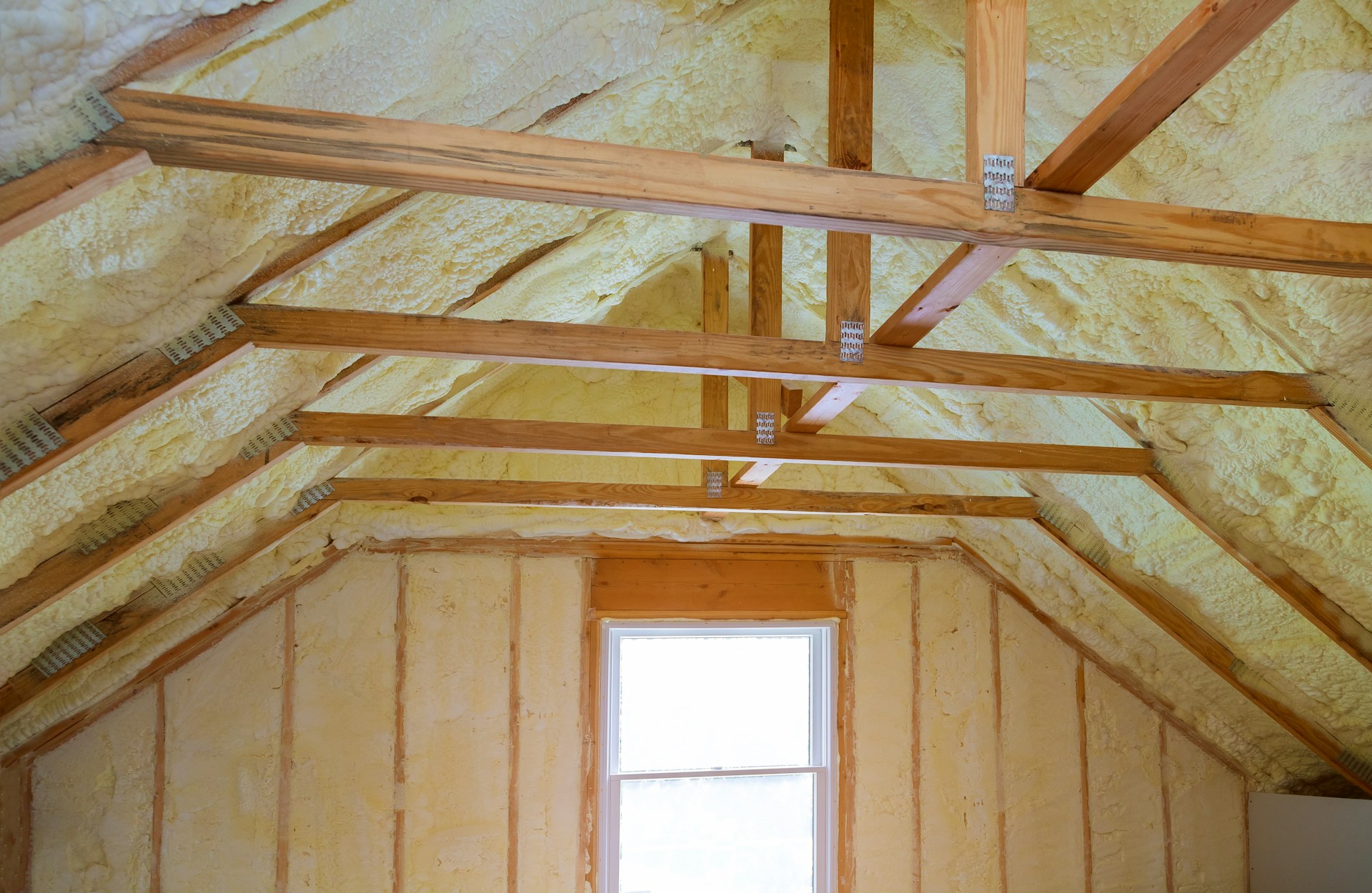
What Happens When Roof Leaks Reach Your Attic Insulation
.jpg)
Florida Rubber Roofing Myths Homeowners Should Stop Believing
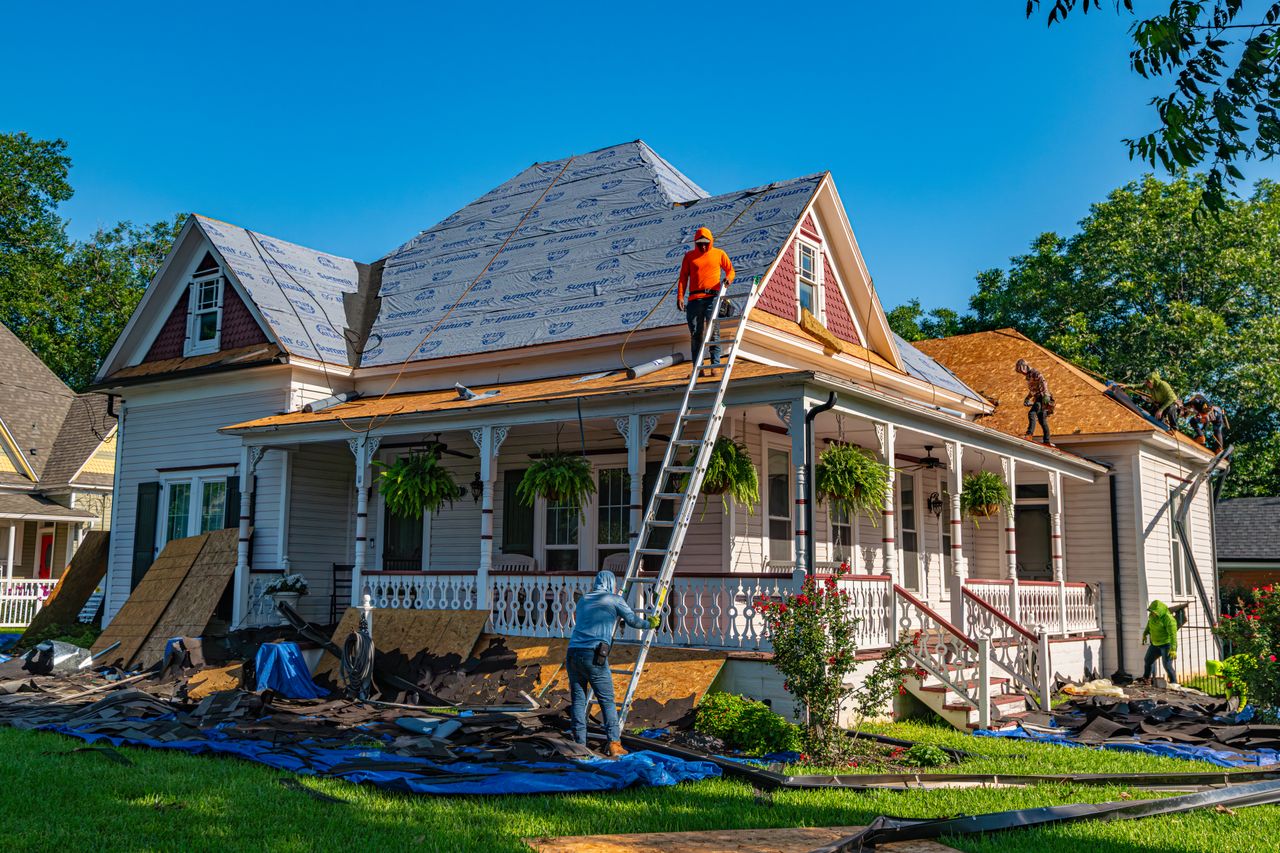
Storm Damage Roof Repairs Florida HOAs Often Underestimate
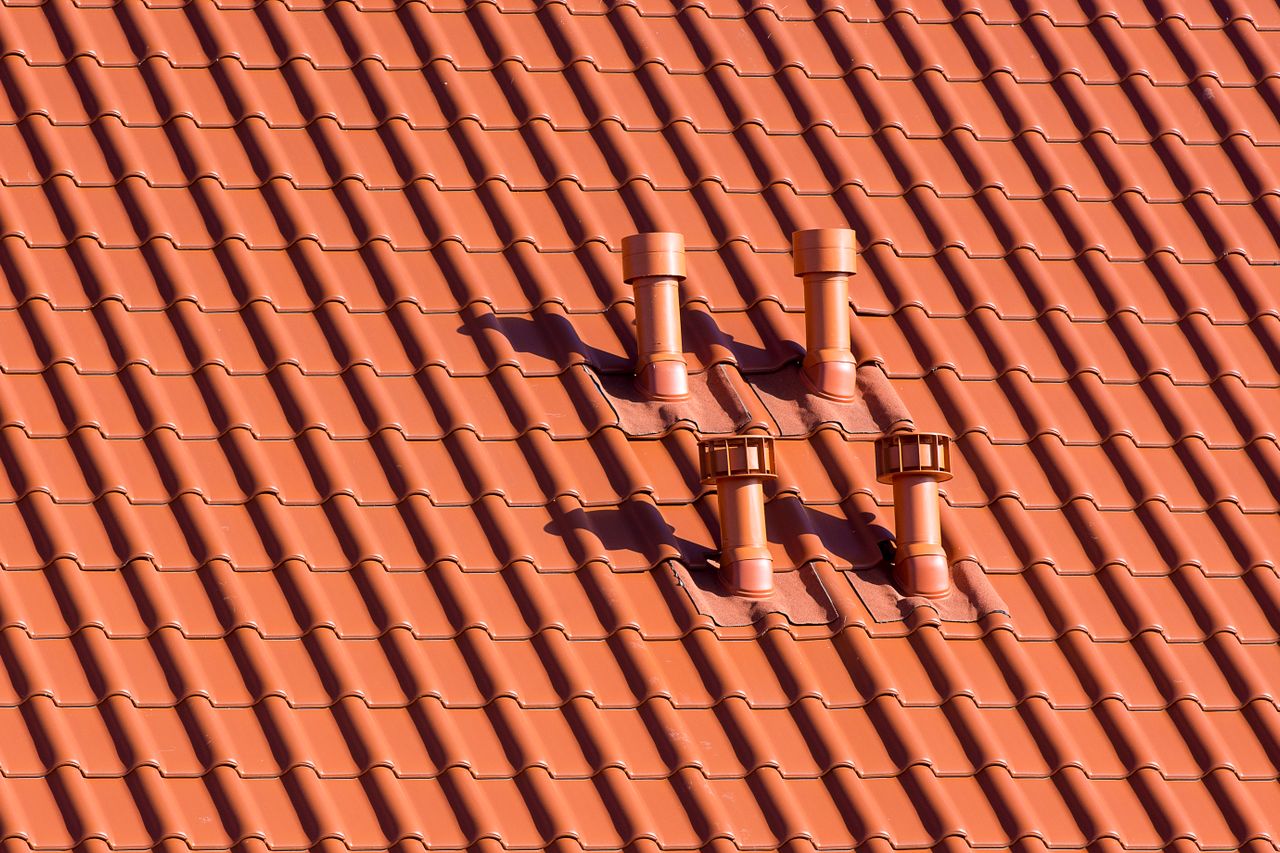
Questioning Roof Cleaning Services in Florida’s Humid Climate
Smart Roof Maintenance Plans for Florida Apartment Complexes
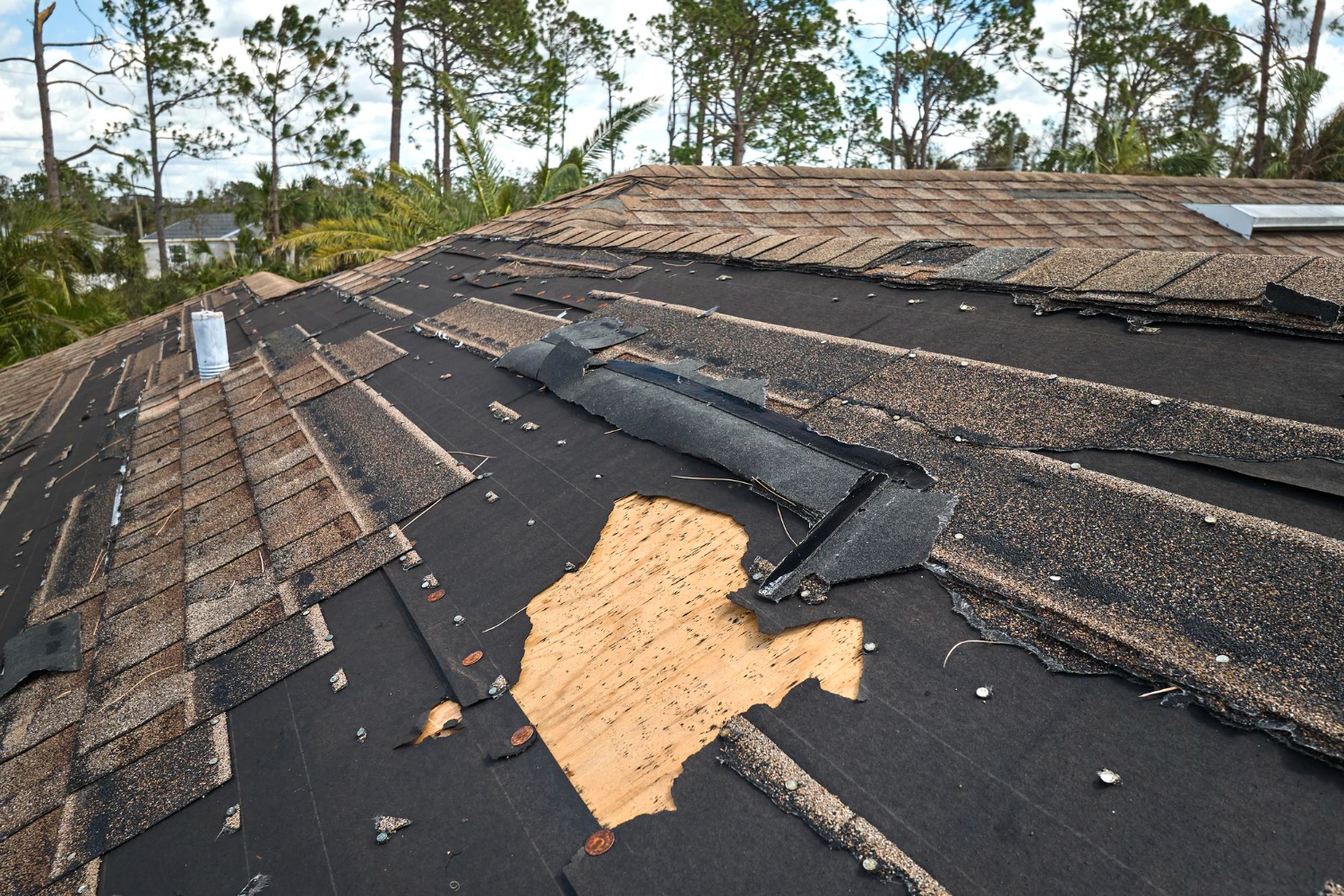
Hidden Cost Drivers in Florida Roof Replacements: Permits, Codes, Fees

Early-Morning Roof Leak Repair in Gainesville Summer Storms
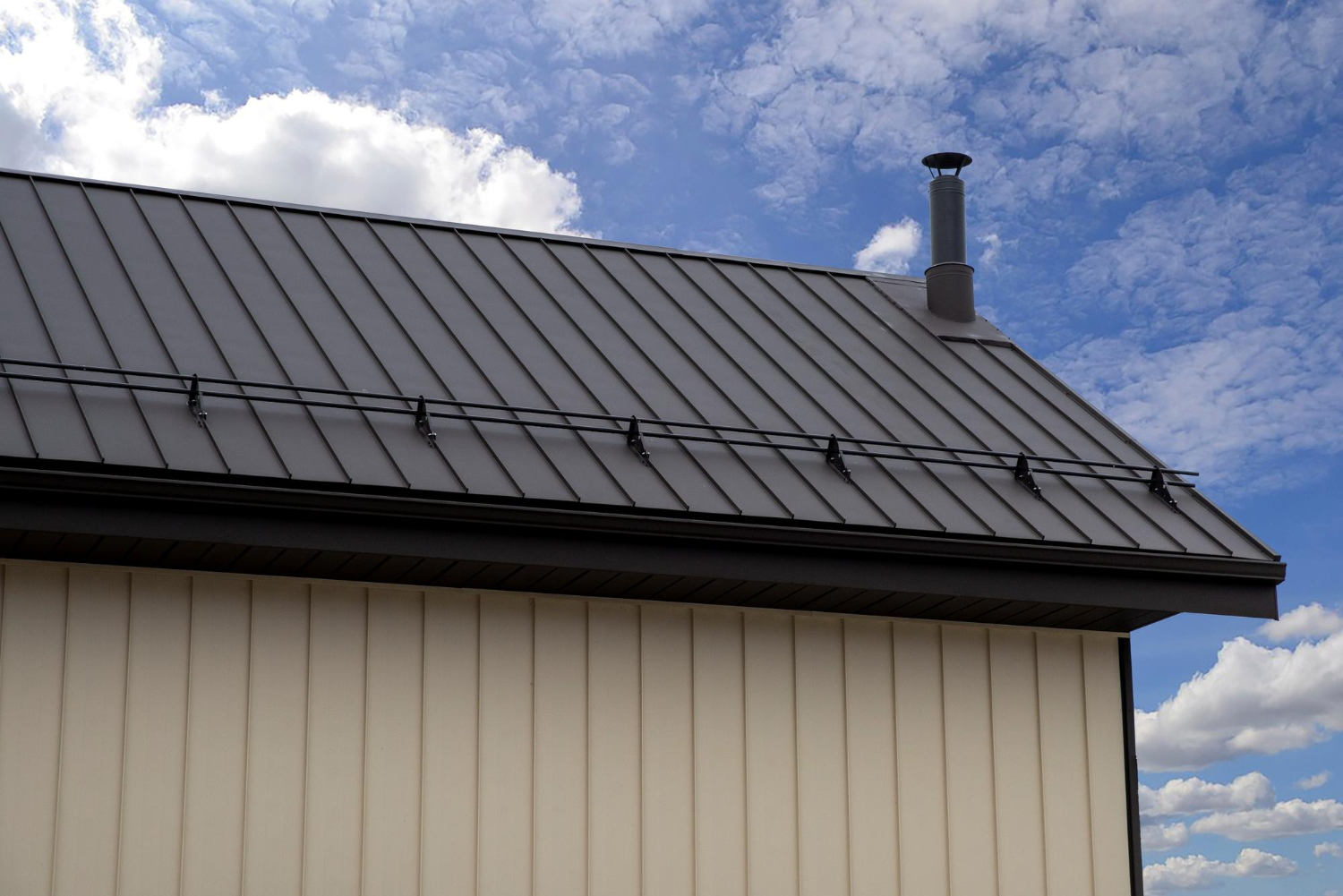
Is a Standing Seam Metal Roof Right for Florida Homes
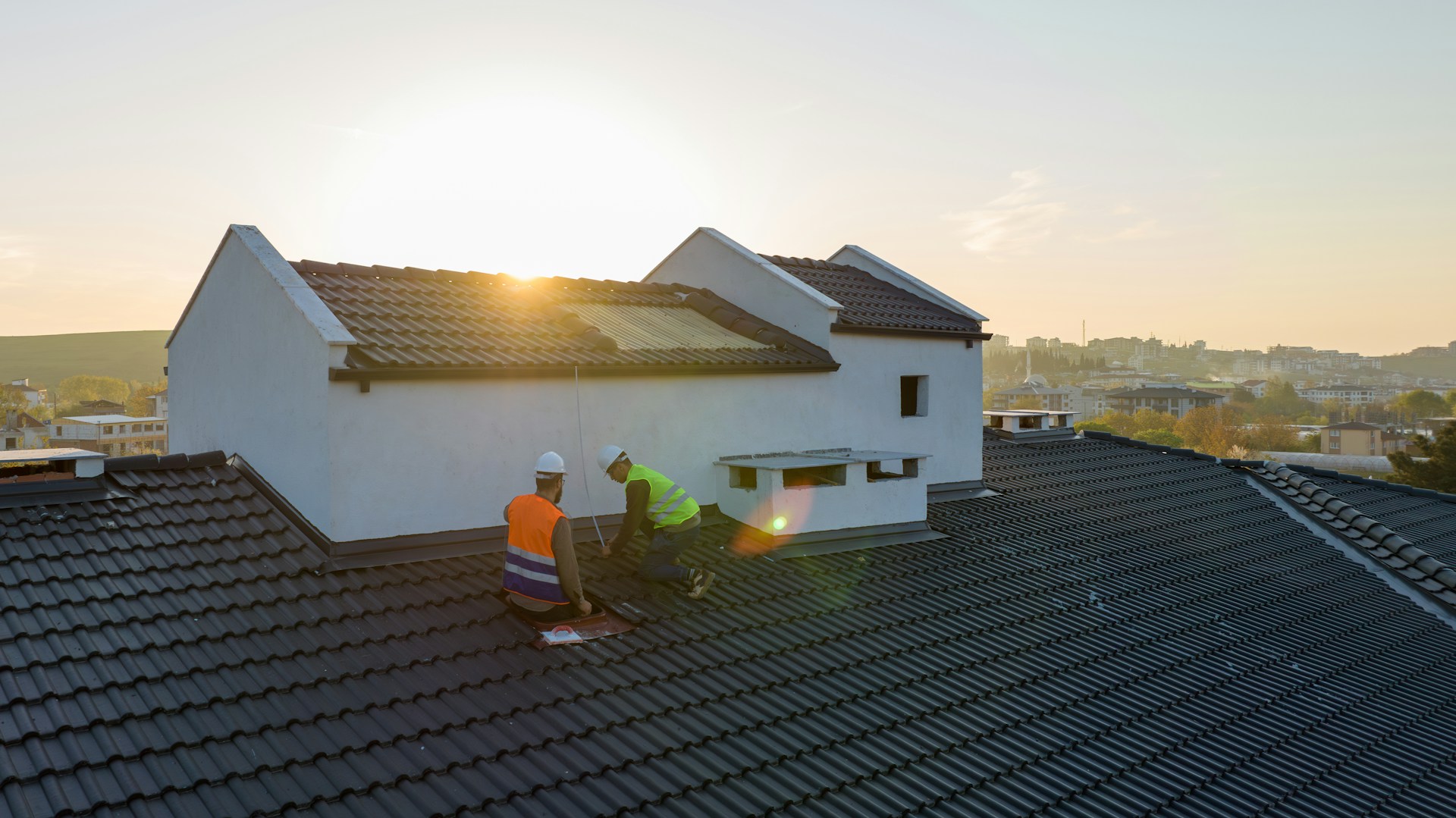
Questioning Your Roof Warranty in Florida’s Storm Belt
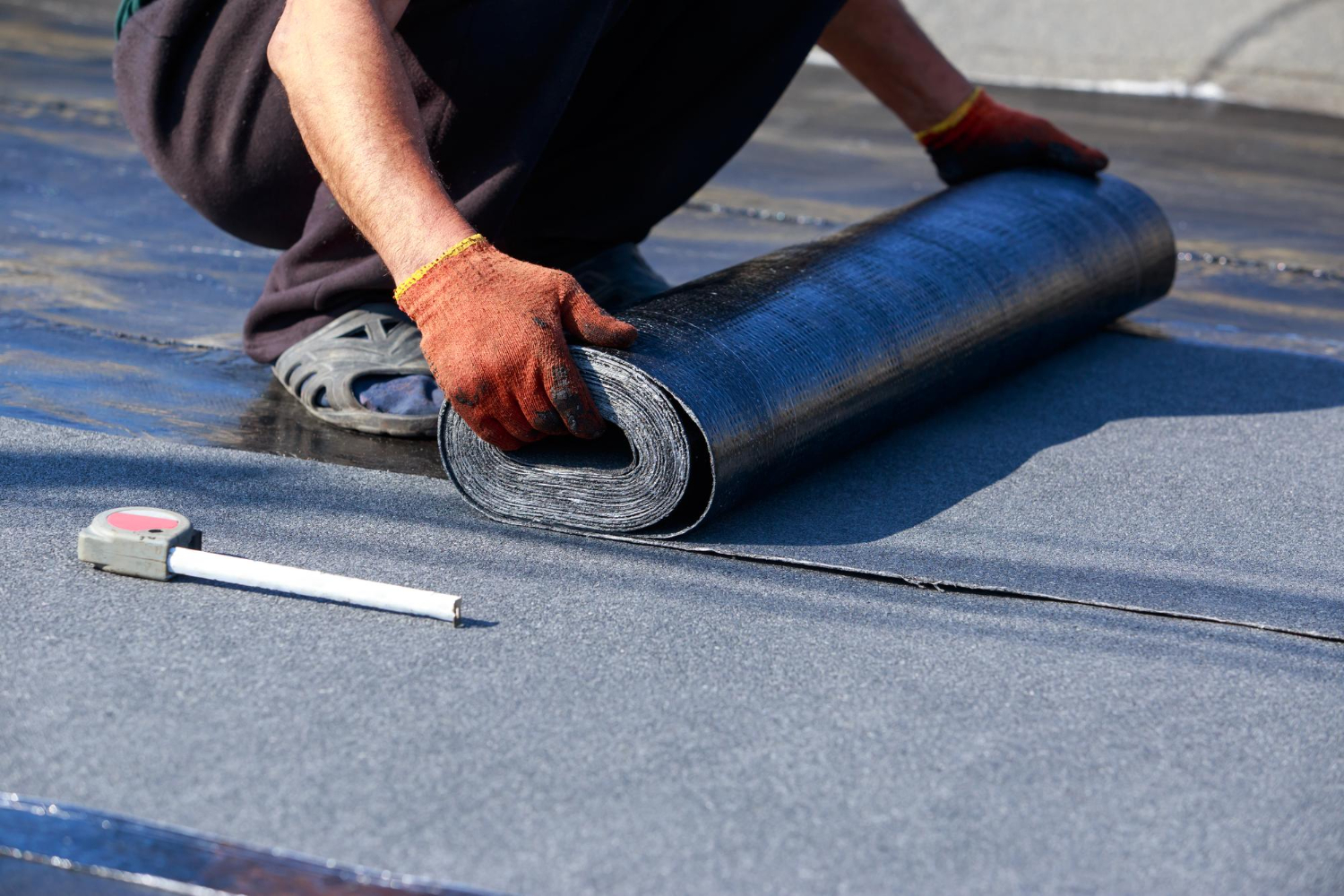
How to Choose Roof Underlayment and Waterproofing for Florida Weather
.jpg)
Why Gainesville Homebuyers Need a Dedicated Roofing Company Partner

What Gainesville Homeowners Miss in Post-Storm Roof Inspections
.jpg)
Summer Roof Maintenance Plans for Florida Homes

Roof Financing Options Florida Homeowners Should Understand

Pre-Listing Roof Inspection Tips for Gainesville Sellers
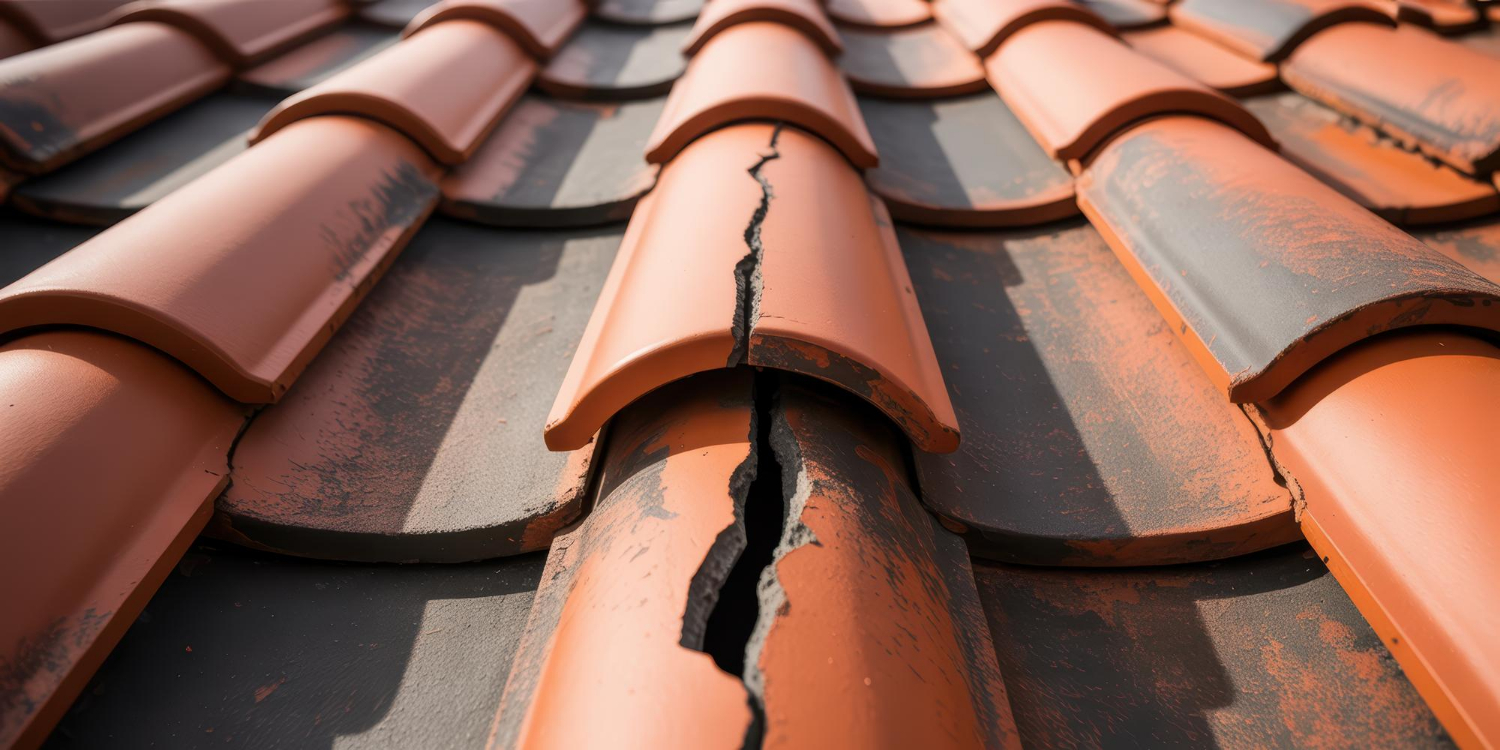
Florida Cracked Roof Tiles That Look Minor but Leak Big
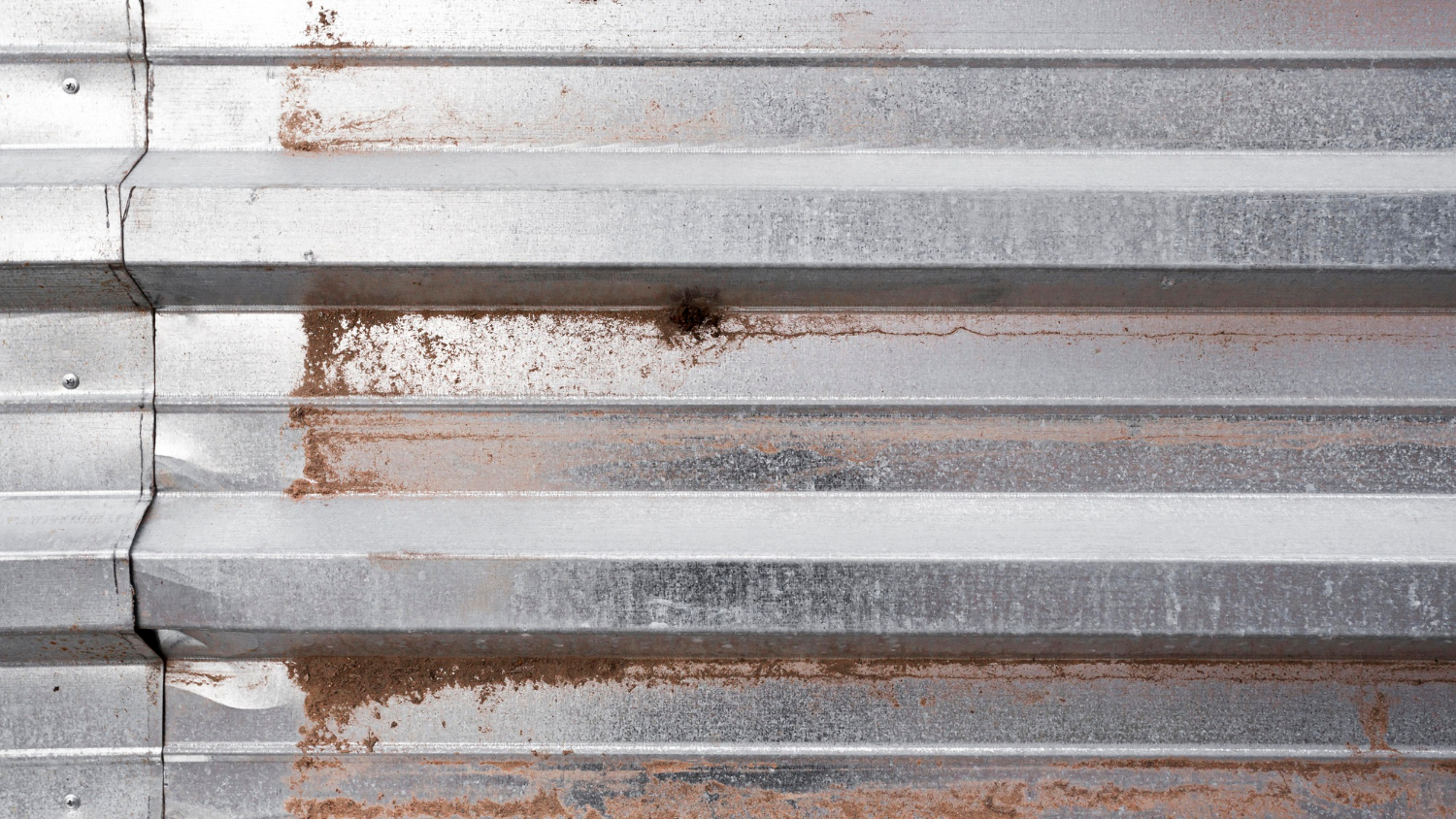
Why Gainesville Roof Vent Leaks Start in the Attic First

Signs Your Florida Flat Roof Needs Professional Repair

Roof Tarping Emergency Steps for Florida Storm Nights
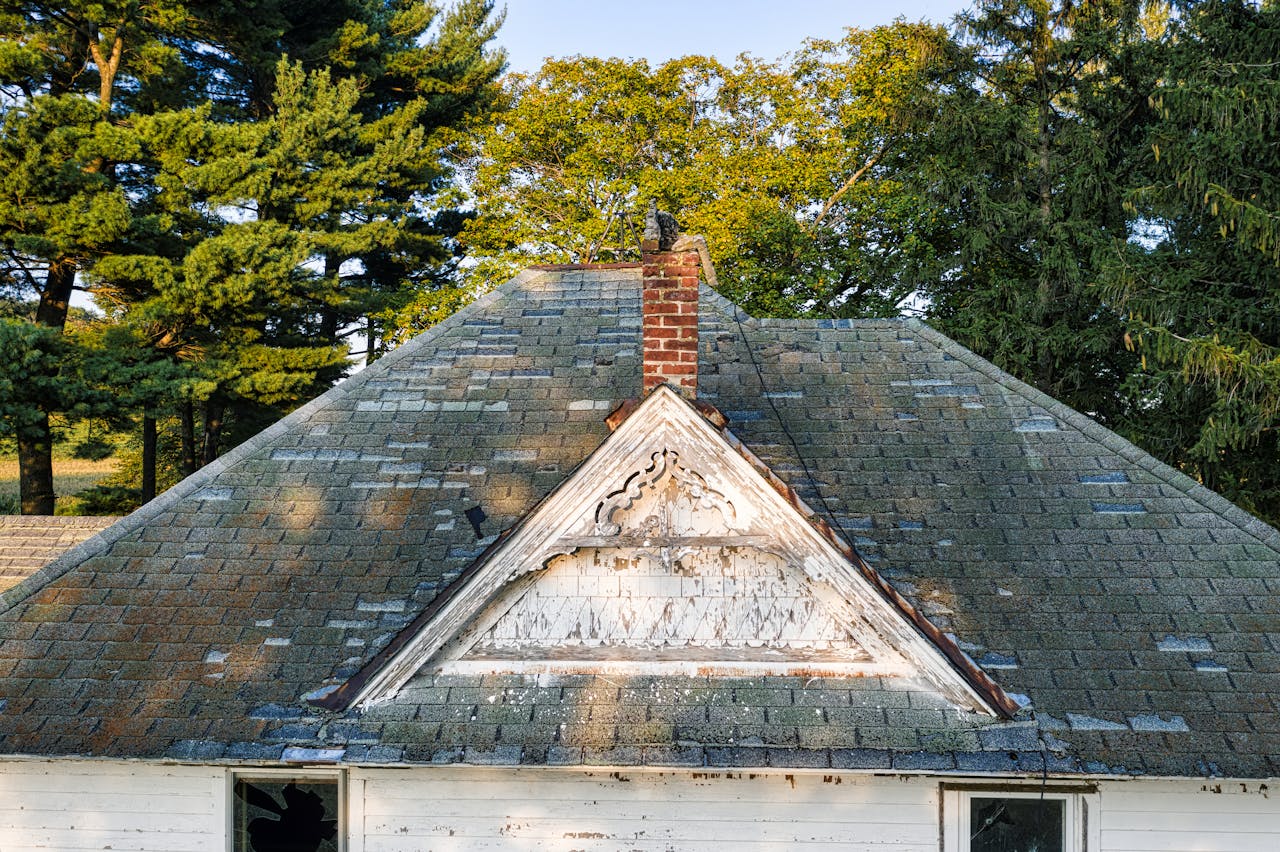
Understanding Hail Damage Roof Claims in Florida
.jpg)

Roof Insurance Claim Help for Florida Storm Seasons

Roof Ventilation Problems Florida Homeowners Overlook

When to Consider Roof Replacement in the Florida Climate
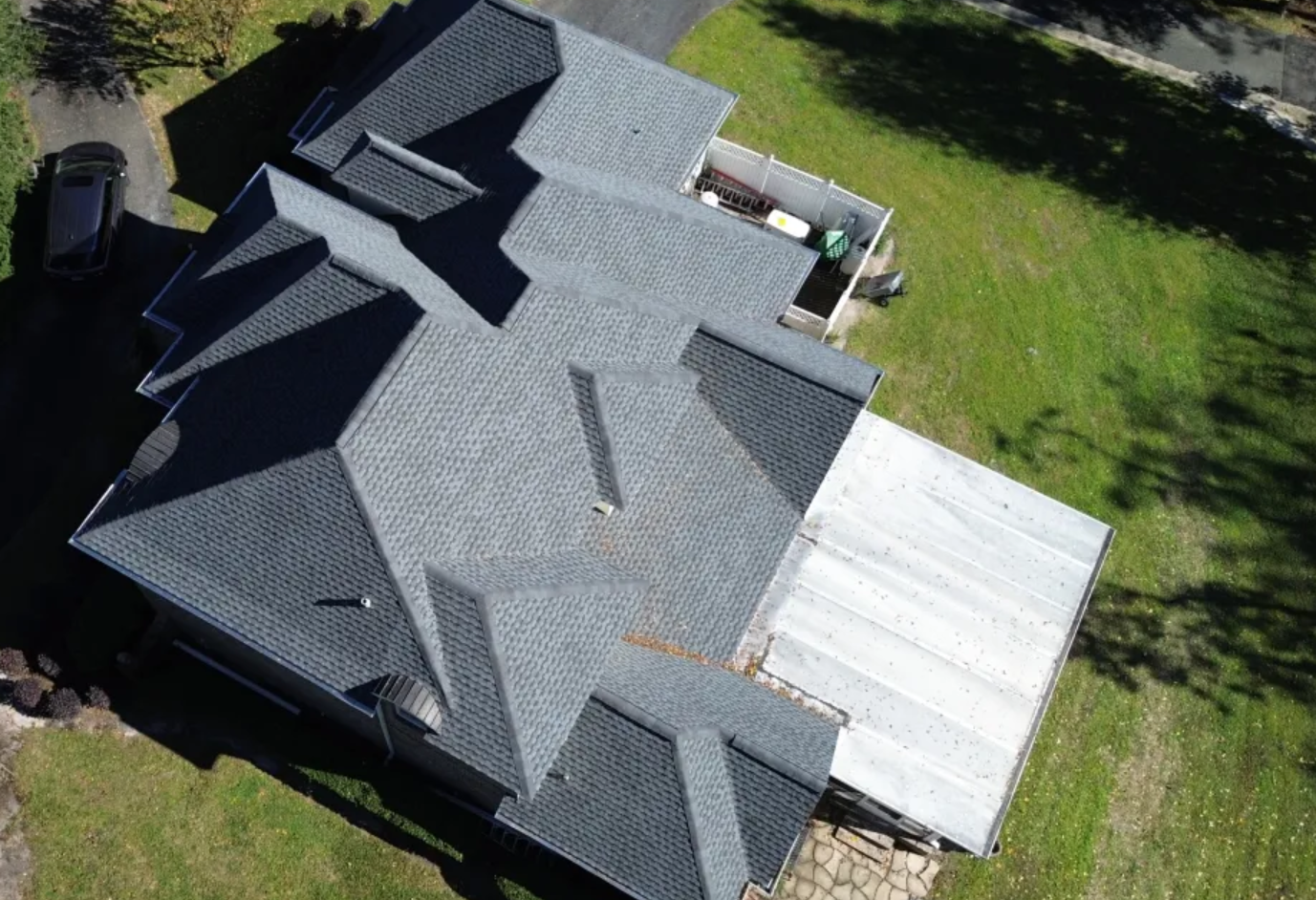
Ridge Vent Installation Guide for Better Attic Ventilation
Modified Bitumen Roofing For Flat & Low-Slope Buildings
GAF Timberline Shingles: Features, Cost, and Benefits

GAF Timberline HDZ: Complete Guide For Homeowners
EPDM Rubber Roofing: Benefits, Costs, and Installation
Dimensional Shingles: Boost Curb Appeal And Roof Protection

Clay Tile Roofing: Benefits, Costs, And Lifespan Guide

Chimney Flashing Repair: Stop Chimney Leaks Fast

Built-Up Roofing Guide for Flat Commercial Roofs
Best Roofing Material for Florida Homes: 2026 Guide

Why Attic Ventilation Matters For A Healthier Home

Standing Seam Metal Roof: Benefits, Cost, and Installation

Same Day Roof Repair: Fast Emergency Solutions For Your Home
Roofing Contractors In Ocala, FL: How To Choose With Confidence
Roofing Company In Ocala, FL: How To Choose A Trusted Pro
Roofers Gainesville, FL: How To Choose A Trusted Pro

Roof Repair In Ocala, FL: How To Choose A Trusted Contractor

Roof Repair In Gainesville, FL: Fast Help For Storms
Metal Roofing In Gainesville, FL: Durable Roofs That Cut Bills
Why Hiring A GAF Master Elite Roofer Matters

Corrugated Metal Roofing: Durable, Affordable Roof Guide

Best Shingles for Florida: Top Hurricane-Resistant Options

Architectural Shingles: Durable, Stylish Roofing Guide
24/7 Roof Repair: Fast Emergency Help When You Need It

.svg)


.svg)
.svg)
.svg)
.svg)
