EPDM Rubber Roofing: Benefits, Costs, and Installation
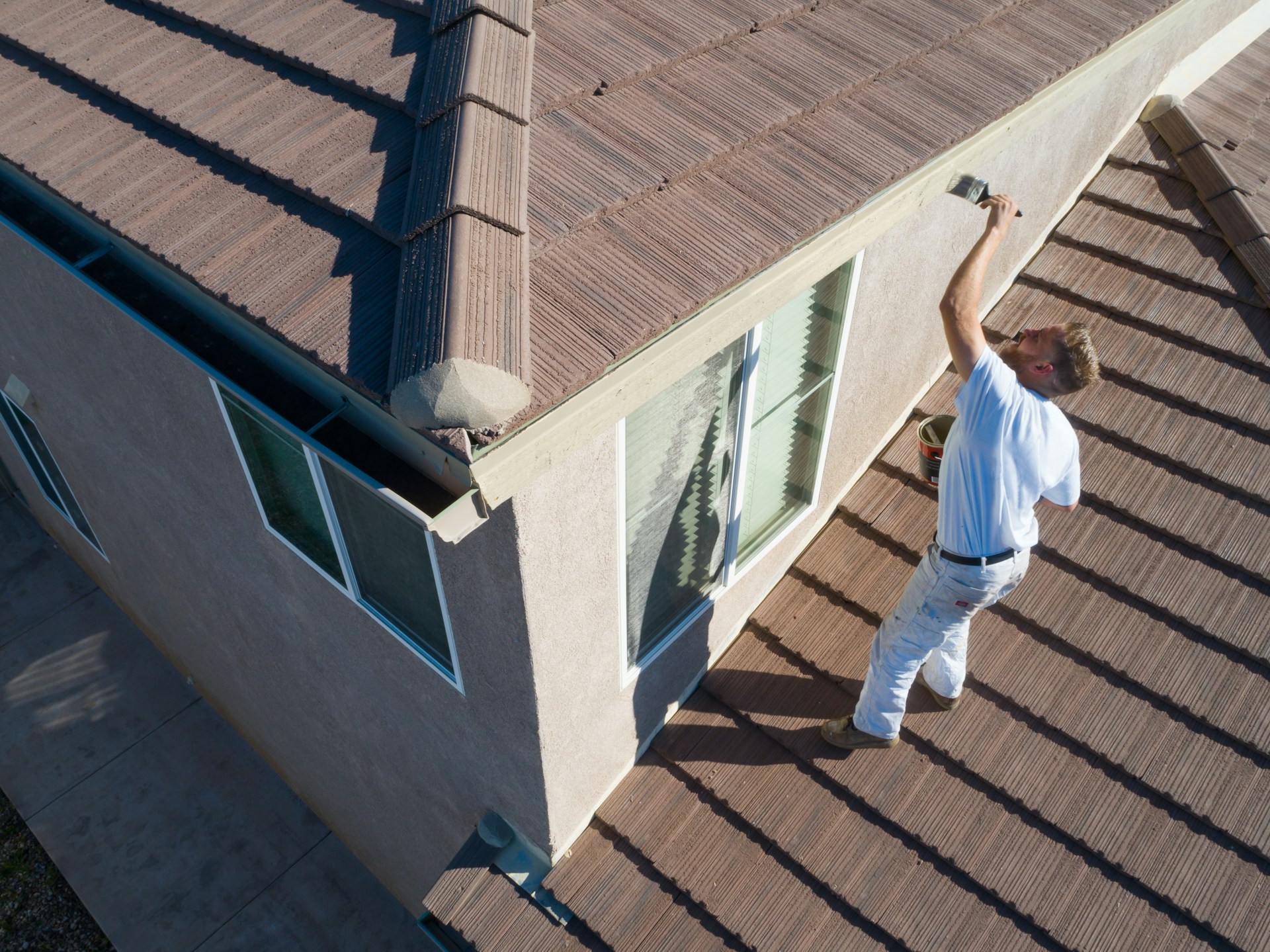
Flat and low-slope roofs often come with frustrating problems. Leaks, standing water, and frequent repairs can quickly turn into expensive headaches for homeowners.
Many people want a roofing system that lasts longer and handles harsh weather without constant maintenance. That's why EPDM rubber roofing has become a popular option: it is durable, flexible, and designed for flat-roof protection.
At Energy Roofing Companies, homeowners across North Central Florida often ask about EPDM when searching for a reliable flat roofing solution. As a GAF Master Elite® contractor (only 2% of roofers nationwide earn this certification), the focus is always on roofing systems built for long-term protection.
Ready to know more? This guide will walk you through how EPDM rubber roofing works, why it performs well in many climates, and what you should know before choosing it.
What Is EPDM Rubber Roofing?
EPDM is a synthetic rubber roofing membrane designed for flat and low-slope buildings. The material provides strong weather resistance while remaining flexible enough to adapt to building movement. Because of these qualities, EPDM has become one of the most widely used roofing systems for both residential and commercial properties.
You will most commonly see EPDM rubber roofing installed on flat roofs and low-slope buildings. The material is manufactured in large sheets that create a continuous waterproof layer across the roof surface. Fewer seams mean fewer potential leak points, which helps improve overall reliability.
EPDM roofing has been used in the United States for decades and remains one of the most trusted single-ply roofing systems available today. While black membranes are the most common, white EPDM options are also available for property owners who want improved solar reflectivity.
Another key advantage is flexibility. The membrane can bend and move with building expansion and contraction caused by temperature changes. This flexibility helps prevent cracks that could lead to leaks.
Key Properties
One of the defining characteristics of EPDM roofing is its ability to resist ultraviolet (UV) radiation. The material contains additives that protect it from sun exposure, allowing it to maintain its strength over time.
EPDM also handles extreme temperature swings very well. Whether exposed to intense heat or freezing conditions, the rubber membrane continues to perform without becoming brittle.
The material resists water absorption and ozone exposure, which are common causes of deterioration in other roofing systems. These qualities help maintain the membrane’s structural integrity for many years.
Another benefit is the relatively low maintenance requirement. With routine inspections and basic care, EPDM rubber roofing systems often last 20 to 30 years or longer. Because the membrane remains flexible as it ages, it continues to resist cracking and separation at seams.
Types of EPDM Roofing Membranes
There are several installation approaches used for EPDM rubber roofing, each designed to meet different structural and environmental needs. Choosing the right system depends on the building design, local climate conditions, and budget.
Fully Adhered Systems
Fully adhered systems use a specialized adhesive to attach the EPDM membrane directly to the roof deck or insulation layer. This approach creates a strong, continuous bond across the entire roof surface, which helps improve wind resistance and provides a clean, low-profile appearance.
Mechanically Attached Systems
Mechanically attached systems secure the EPDM membrane using fasteners and plates that anchor it to the roof deck. This installation method is often faster than fully adhered systems and works well for buildings where structural conditions support mechanical fastening.
Ballasted Systems
Ballasted systems keep the EPDM membrane in place using heavy materials such as river rock or concrete pavers. The added weight stabilizes the membrane and helps protect it from UV exposure, but the building structure must be strong enough to support the additional load.
Each of these installation styles provides reliable performance when installed properly and matched with the appropriate building conditions.
Benefits of EPDM Rubber Roofing
EPDM rubber roofing offers several advantages, including durability, strong weather protection, and potential energy efficiency benefits. These qualities make it a dependable option for many flat and low-slope roof structures.
Durability and Longevity
One of the biggest advantages of EPDM roofing is its long service life. When installed correctly and maintained regularly, EPDM systems last 25 to 50 years, longer than many other roofing materials.
The rubber membrane remains flexible throughout its lifespan, allowing it to expand and contract with changing temperatures. This flexibility reduces stress on the material and helps prevent cracking.
EPDM roofing also tolerates occasional foot traffic for maintenance work. The membrane’s elasticity and thickness allow it to resist punctures and general wear better than many alternative roofing materials.
These characteristics make EPDM a reliable solution for property owners who want a roofing system designed for long-term performance.
Weather and UV Resistance
EPDM roofing performs well in a wide range of weather conditions. The membrane forms a watertight barrier when seams and edges are sealed correctly, helping protect the building from rain, snow, and wind-driven moisture.
In addition to moisture protection, the material is designed to withstand long-term sun exposure. UV inhibitors built into the membrane help slow the aging process caused by sunlight.
EPDM also resists ozone damage, which can break down other roofing materials over time. Because of this durability, the system continues performing even in environments with strong sunlight or air pollution.
Energy Efficiency
Some EPDM rubber roofing membranes are available in white or light colors that reflect sunlight rather than absorb it. This reflective surface can help reduce heat buildup on the roof during warm months.
Lower roof temperatures can reduce the demand placed on air conditioning systems. Over time, this may contribute to lower cooling costs, especially in warm climates. Energy efficiency also depends on the insulation installed beneath the EPDM membrane. Together, the insulation and membrane create a continuous protective barrier that reduces heat transfer between the building and the outside environment.
The level of energy savings varies depending on the climate, insulation quality, and the color of the roofing membrane.
Installation Methods for EPDM Rubber Roofing
There are three primary installation methods for EPDM rubber roofing: fully adhered, mechanically attached, and ballasted systems. Each method offers unique advantages depending on the roof structure and environmental conditions.
Fully Adhered System
The fully adhered installation method bonds the entire EPDM membrane directly to the roof deck using specialized adhesive. During installation, contractors apply adhesive to both the roof surface and the underside of the membrane before pressing them together to form a continuous seal.
This installation method provides excellent wind resistance because the membrane is secured across the entire roof surface. It also creates a smooth and uniform appearance once the system is installed.
Fully adhered systems are often recommended for roofs with complex shapes or structures that cannot support additional ballast weight. However, the installation process requires more labor and must be completed in dry weather.
Because of the additional materials and labor involved, fully adhered systems typically cost slightly more than other installation options.
Mechanically Attached System
In a mechanically attached EPDM system, installers use fasteners and metal plates to secure the membrane to the roof deck. The fasteners are installed at specific intervals, and seams are sealed with tape or adhesive to maintain waterproof protection.
This installation method is often faster than fully adhered systems and may be more practical in cooler temperatures when adhesives may not perform as effectively.
Although the fastening plates may create slight surface irregularities, the system remains highly effective when installed correctly. Another advantage is that mechanically attached systems add minimal structural weight compared to ballasted installations.
Ballasted Installation
A ballasted EPDM roofing system uses heavy materials such as river rock or concrete pavers to hold the membrane in place. The membrane is loosely laid across the roof and anchored only at the edges and penetrations.
The ballast layer provides weight that prevents the membrane from shifting while also protecting it from UV exposure and temperature fluctuations.
Ballasted installations are often among the fastest and most cost-effective EPDM roofing methods. However, the building must be structurally capable of supporting the additional weight.
Most ballasted systems add approximately 10 to 15 pounds per square foot, and building codes may restrict their use in areas with high wind exposure.
Maintenance and Care Tips
With proper care, EPDM rubber roofing systems can last for decades. Regular inspections, cleaning, and timely repairs help prevent small issues from developing into costly problems.
Regular Inspections
Your EPDM roof should be inspected at least twice per year, typically during the spring and fall. During these inspections, look for signs of wear such as cracks, punctures, or separation along seams.
Special attention should be given to areas around vents, drains, skylights, and HVAC units. These penetrations are often the first locations where leaks develop. After severe weather events, a quick visual inspection can help identify debris or damage that needs attention.
Maintaining a simple inspection log can help you monitor the roof’s condition and track maintenance over time.
Cleaning Recommendations
Cleaning your roof two to four times per year helps remove debris, dirt, and organic buildup that could affect drainage. Begin by sweeping away loose debris using a broom or leaf blower. For deeper cleaning, use a soft-bristle brush or mop with mild soap and water.
Avoid petroleum-based cleaners or harsh chemicals, as they may damage the EPDM membrane. A simple mixture of water and dish soap is often sufficient for routine cleaning.
After scrubbing, rinse the roof thoroughly with a garden hose to remove any soap residue. Pressure washers should be avoided because the strong water pressure may damage seams or force water beneath the membrane.
Repairing Common Issues
Small punctures or tears should be repaired promptly to prevent water from entering the roofing system. Repairs usually involve cleaning and drying the affected area before applying a rubber roof patch or EPDM repair tape designed for the material.
Over time, seams may begin to separate. In these cases, the surfaces must be cleaned and resealed with appropriate seam tape or adhesive in accordance with the manufacturer's guidelines.
If the roof shows large areas of damage or complex problems, it is best to contact a professional roofing contractor experienced with EPDM rubber roofing systems. Blistering or bubbling may indicate trapped moisture beneath the membrane. These areas should be addressed quickly to prevent further deterioration.
Comparing EPDM to Other Roofing Materials
While EPDM rubber roofing is known for its affordability and durability, other roofing materials, such as TPO and PVC, offer different benefits depending on climate and building requirements.
EPDM vs. TPO Roofing
TPO (Thermoplastic Polyolefin) roofing membranes are commonly manufactured in white or light colors that reflect sunlight and reduce heat absorption. Traditional EPDM membranes are usually black, though white EPDM options are available to improve solar reflectivity.
Installation costs for EPDM and TPO are often similar. One key difference is how seams are sealed. TPO seams are heat-welded, which creates strong and durable watertight joints. EPDM seams typically rely on adhesive or specialized seam tape, which may require periodic maintenance.
Both roofing materials typically last 20 to 30 years with proper care. However, EPDM has a longer history of performance, having been widely used since the 1960s.
EPDM vs. PVC Roofing
PVC roofing offers strong resistance to chemicals, grease, and oils, making it a common choice for restaurants or industrial buildings with rooftop exhaust systems. However, PVC roofing generally costs 20 to 30 percent more per square foot than EPDM systems.
Like TPO, PVC seams are heat-welded to create durable, waterproof connections. The material also features a reflective surface that helps reduce heat buildup on the roof.
In colder climates, EPDM may offer an advantage because the rubber membrane remains flexible during freezing temperatures. PVC can become stiffer in very cold conditions.
Suitability for Different Climates
EPDM performs particularly well in cold climates because the membrane remains flexible even when temperatures drop below freezing. This flexibility helps prevent cracking during winter conditions and allows the roofing system to maintain its protective performance.
In warmer climates, black EPDM membranes may absorb more heat, which could increase cooling demands inside the building. White EPDM membranes can help reduce this effect by reflecting sunlight, although they are typically more expensive.
TPO and PVC roofing systems are often preferred in extremely hot climates due to their highly reflective surfaces. Regardless of climate conditions, EPDM rubber roofing offers strong resistance to UV radiation, rain, snow, and hail, helping it remain durable for decades.
Protecting Flat Roofs With Durable EPDM Systems
Selecting the right roofing system involves balancing durability, cost, and long-term performance. EPDM rubber roofing stands out because of its flexibility, strong weather resistance, and proven lifespan on flat and low-slope roofs.
For homeowners and property managers across North Central Florida, Energy Roofing Companies provides professional guidance on roofing systems designed to withstand regional weather conditions while protecting residential and commercial properties.
If you are considering EPDM rubber roofing or want to assess the condition of your current roof, schedule a free inspection or call 855-766-3852 to discuss your options with a roofing professional.
Frequently Asked Questions
How Long Does EPDM Rubber Roofing Last?
EPDM rubber roofing typically lasts between 25 and 50 years when installed correctly and maintained regularly. Its flexible rubber membrane helps it resist cracking and deterioration caused by temperature changes and weather exposure.
Routine inspections and minor maintenance can extend the lifespan even further. Keeping seams sealed and repairing small punctures early helps prevent larger issues over time.
Is EPDM Rubber Roofing Good for Residential Homes?
Yes, EPDM rubber roofing works very well for residential properties that have flat or low-slope roofs. It is commonly used on home additions, garages, porches, and modern architectural designs.
The material provides a reliable waterproof barrier and performs well in many climates. Because it comes in large sheets with fewer seams, it also reduces potential leak points.
Can You Walk on an EPDM Roof?
You can walk on EPDM rubber roofing for maintenance tasks such as cleaning drains, inspecting equipment, or performing minor repairs. The membrane is designed to tolerate occasional foot traffic.
However, frequent or heavy traffic should be avoided. In areas that require regular access, protective walkway pads can help reduce wear on the membrane.
How Much Does EPDM Rubber Roofing Cost?
The cost of EPDM rubber roofing varies depending on roof size, insulation requirements, and installation method. In general, EPDM is considered one of the more affordable flat roofing materials.
Fully adhered systems typically cost more because of the additional labor and adhesive materials involved. Mechanically attached and ballasted systems may cost less depending on the building structure.
Does EPDM Rubber Roofing Require a Lot of Maintenance?
EPDM rubber roofing is known for its relatively low maintenance requirements. Most roofs only need two inspections per year, along with routine cleaning to remove debris and maintain proper drainage.
Small repairs can usually be completed with EPDM patch materials or seam tape. Addressing minor issues early helps prevent leaks and extends the life of the roofing system.
Is White EPDM Better Than Black EPDM?
Both options offer strong protection, but they serve slightly different purposes. Black EPDM absorbs more heat and is often used in cooler climates.
White EPDM membranes reflect sunlight, which can help reduce roof temperatures and cooling costs in warmer regions. The best option depends on your climate, insulation levels, and energy goals
Related posts
Apartment Complex Roofing Decisions Property Managers Regret
What Gainesville Roofers Recommend Before Your First Skylight Installation
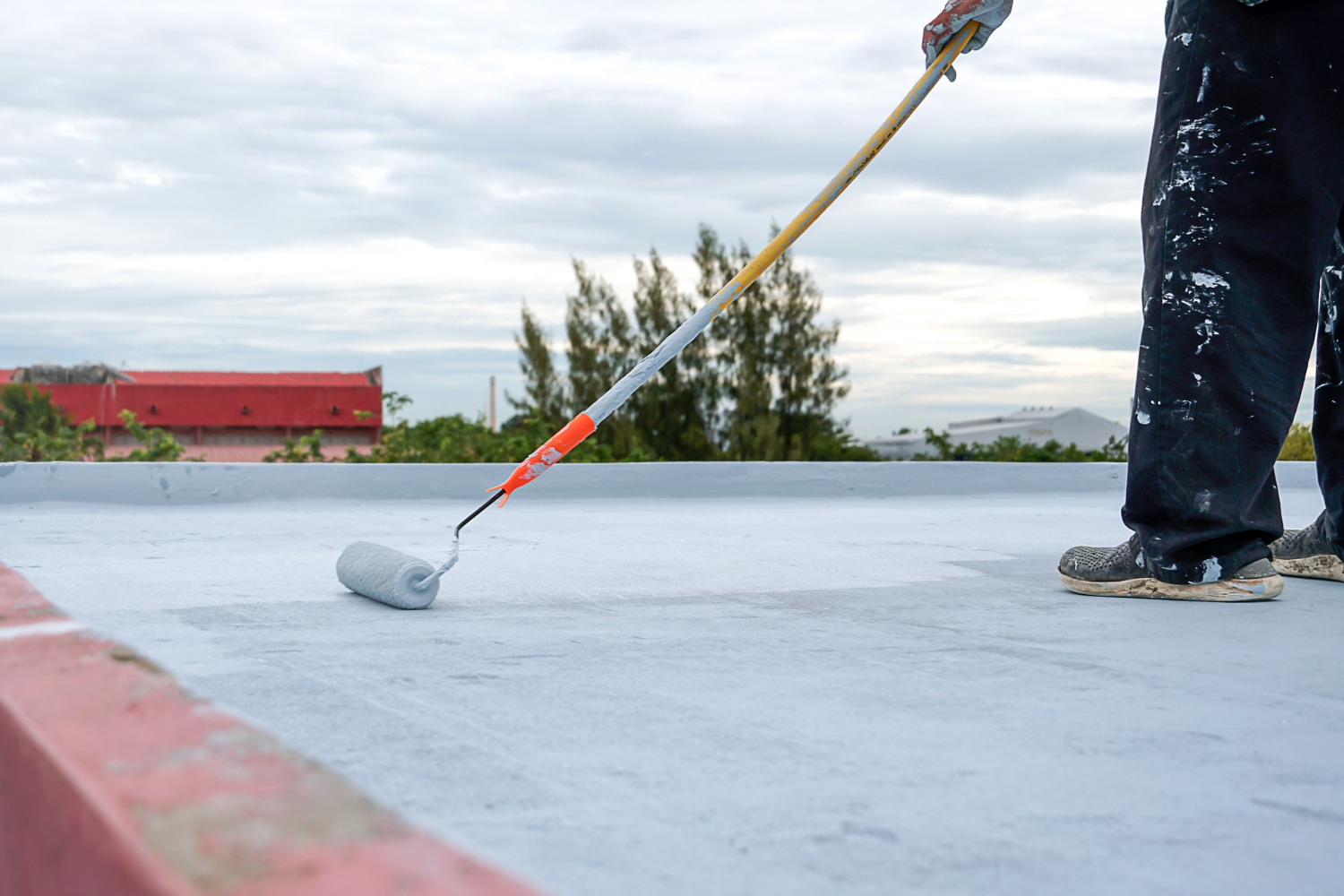
Questioning Roof Coating Services for Florida Flat Roofs
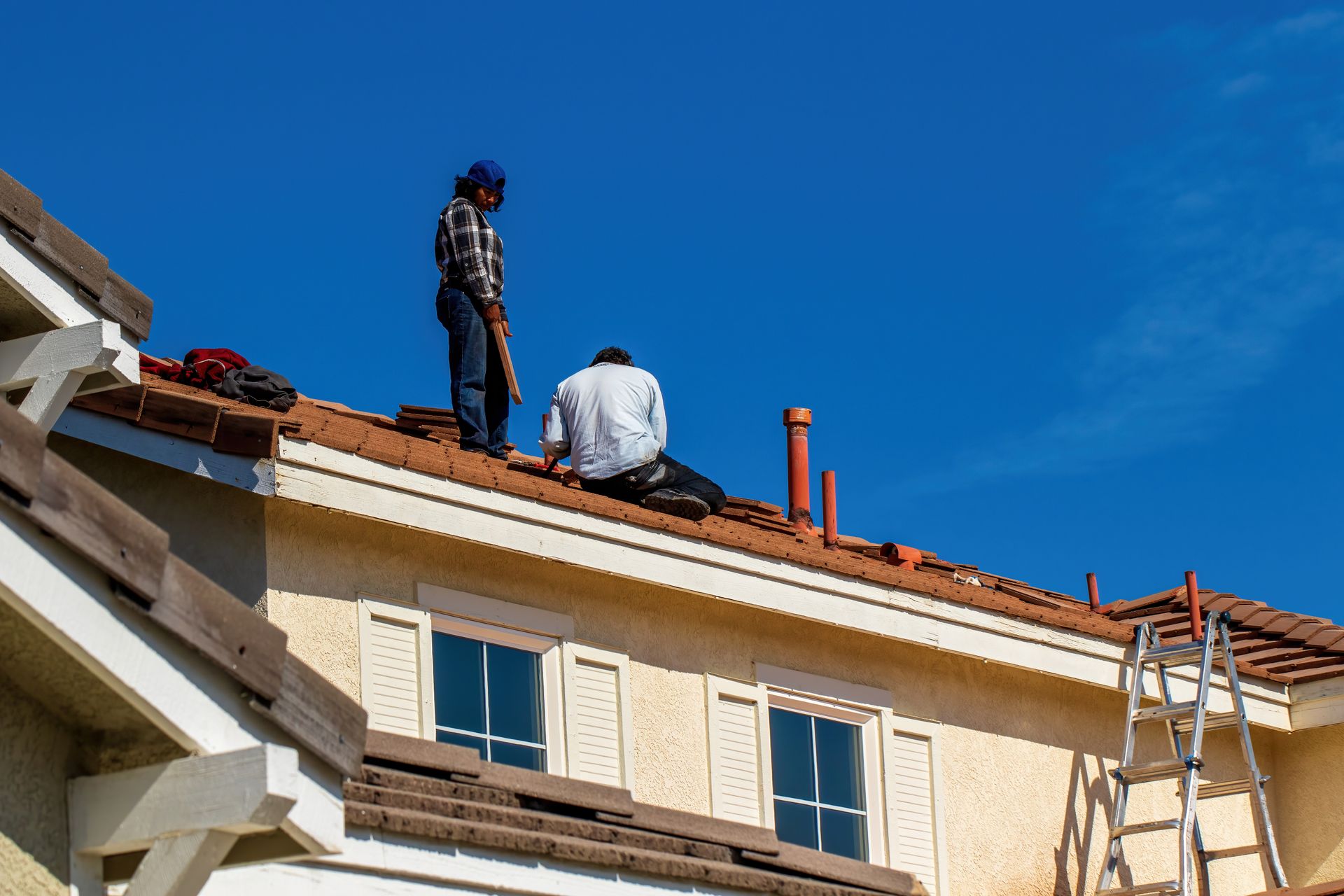
Choosing Roof Replacement After Florida Hurricane Landfall
.jpg)
How Florida Insurance, Wind Mitigation Credits, and Deductibles Affect Roof
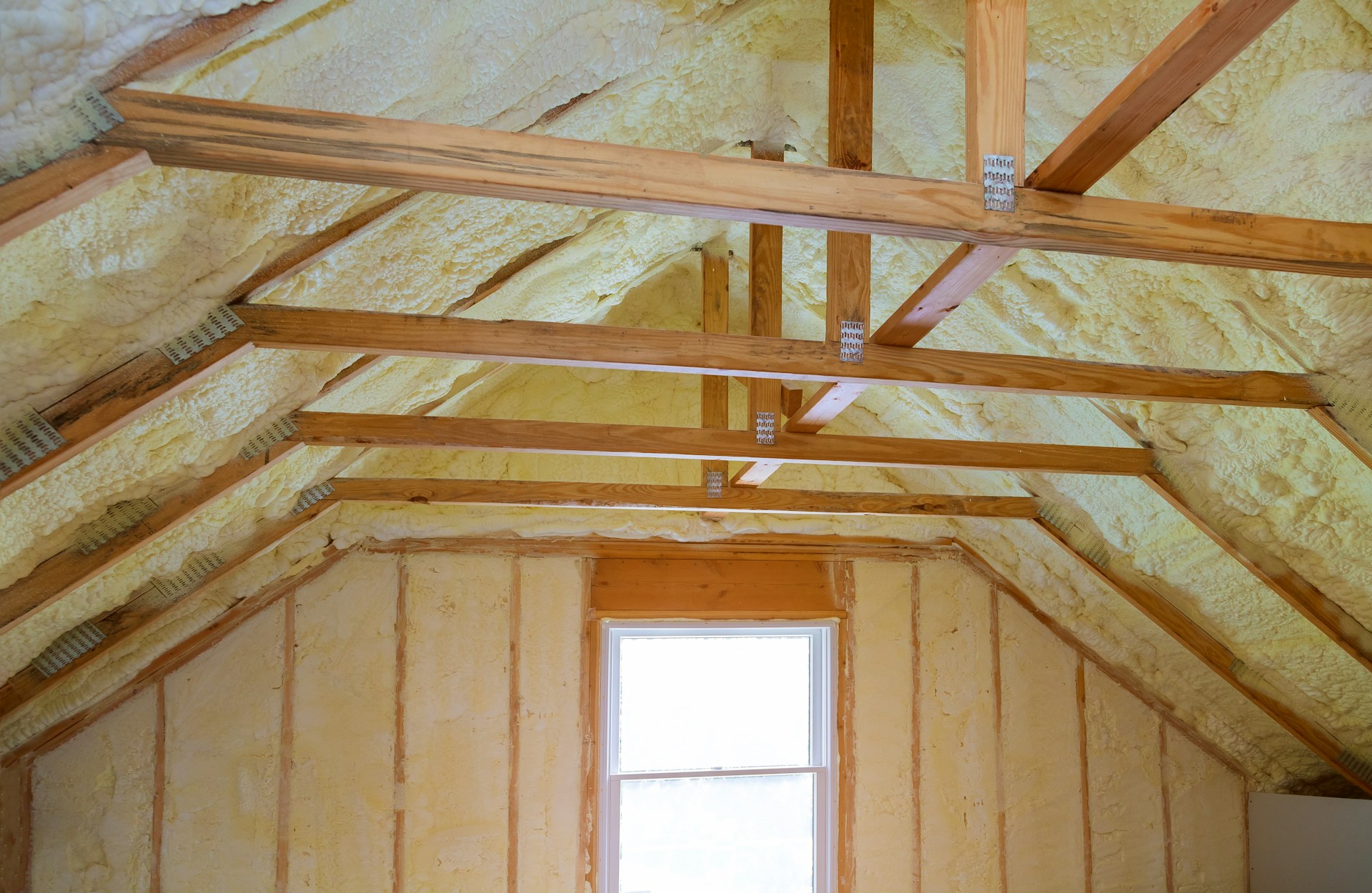
What Happens When Roof Leaks Reach Your Attic Insulation
.jpg)
Florida Rubber Roofing Myths Homeowners Should Stop Believing
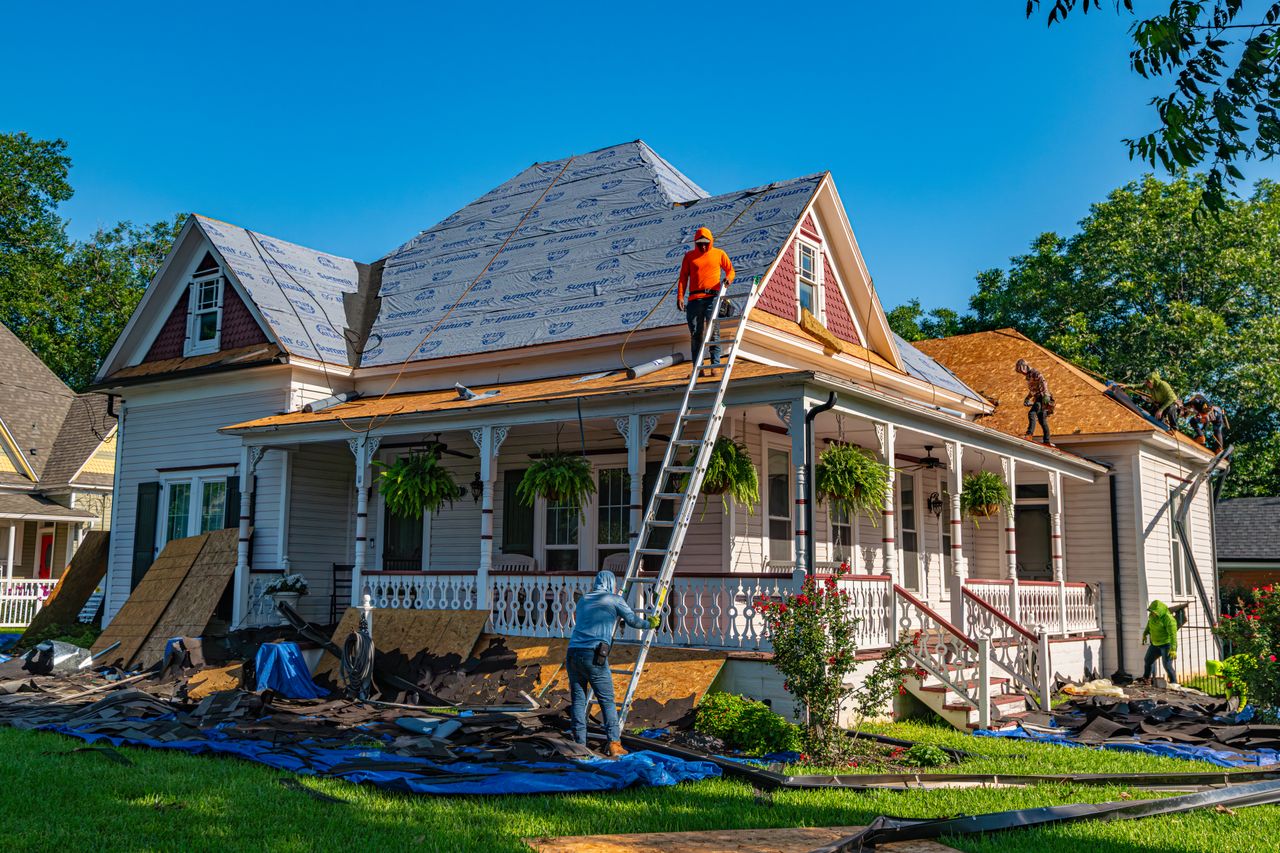
Storm Damage Roof Repairs Florida HOAs Often Underestimate
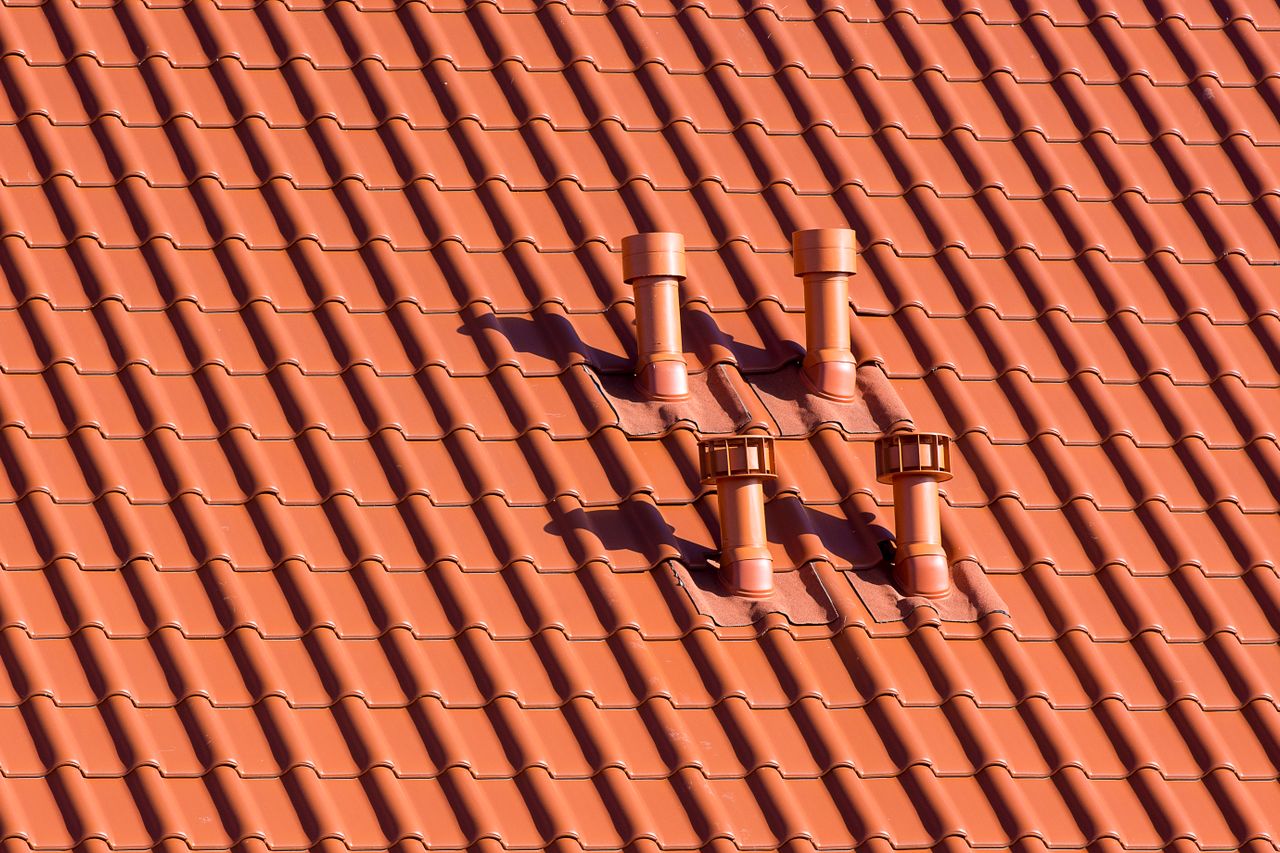
Questioning Roof Cleaning Services in Florida’s Humid Climate
Smart Roof Maintenance Plans for Florida Apartment Complexes
Hidden Cost Drivers in Florida Roof Replacements: Permits, Codes, Fees

Early-Morning Roof Leak Repair in Gainesville Summer Storms
Is a Standing Seam Metal Roof Right for Florida Homes
Questioning Your Roof Warranty in Florida’s Storm Belt
How to Choose Roof Underlayment and Waterproofing for Florida Weather
.jpg)
Why Gainesville Homebuyers Need a Dedicated Roofing Company Partner

What Gainesville Homeowners Miss in Post-Storm Roof Inspections
.jpg)
Summer Roof Maintenance Plans for Florida Homes

Roof Financing Options Florida Homeowners Should Understand

Pre-Listing Roof Inspection Tips for Gainesville Sellers
Florida Cracked Roof Tiles That Look Minor but Leak Big
Why Gainesville Roof Vent Leaks Start in the Attic First

Signs Your Florida Flat Roof Needs Professional Repair

Roof Tarping Emergency Steps for Florida Storm Nights
Understanding Hail Damage Roof Claims in Florida
.jpg)

Roof Insurance Claim Help for Florida Storm Seasons

Roof Ventilation Problems Florida Homeowners Overlook

When to Consider Roof Replacement in the Florida Climate
Ridge Vent Installation Guide for Better Attic Ventilation
Modified Bitumen Roofing For Flat & Low-Slope Buildings
GAF Timberline Shingles: Features, Cost, and Benefits

GAF Timberline HDZ: Complete Guide For Homeowners
EPDM Rubber Roofing: Benefits, Costs, and Installation
Dimensional Shingles: Boost Curb Appeal And Roof Protection

Clay Tile Roofing: Benefits, Costs, And Lifespan Guide

Chimney Flashing Repair: Stop Chimney Leaks Fast

Built-Up Roofing Guide for Flat Commercial Roofs
Best Roofing Material for Florida Homes: 2026 Guide

Why Attic Ventilation Matters For A Healthier Home

Standing Seam Metal Roof: Benefits, Cost, and Installation

Same Day Roof Repair: Fast Emergency Solutions For Your Home
Roofing Contractors In Ocala, FL: How To Choose With Confidence
Roofing Company In Ocala, FL: How To Choose A Trusted Pro
Roofers Gainesville, FL: How To Choose A Trusted Pro

Roof Repair In Ocala, FL: How To Choose A Trusted Contractor

Roof Repair In Gainesville, FL: Fast Help For Storms

Metal Roofing In Gainesville, FL: Durable Roofs That Cut Bills
Why Hiring A GAF Master Elite Roofer Matters

Corrugated Metal Roofing: Durable, Affordable Roof Guide

Best Shingles for Florida: Top Hurricane-Resistant Options

Architectural Shingles: Durable, Stylish Roofing Guide
24/7 Roof Repair: Fast Emergency Help When You Need It

.svg)


.svg)
.svg)
.svg)
.svg)
