Roof Insurance Claim Help for Florida Storm Seasons

Stay Covered When Storm Season Hits Florida
Storm season in Florida is not a surprise. We know the pattern: busy spring afternoons with strong thunderstorms, then late summer and fall when tropical storms and hurricanes start spinning up. During these months, your roof takes the hits from wind, heavy rain, and flying debris. That is when roof problems show up fast.
Getting roof insurance claim help before and after those storms can protect your home and your budget. When you understand how claims work, you are less likely to feel rushed, confused, or pressured. You are also more likely to get repairs that actually fix the damage, not just cover it up for a while. Our goal is to help you feel ready, not worried, when the next storm shows up on the radar.
We work across Florida, as well as Georgia and Alabama, so we see storm damage all the time. We know how stressful it is when water starts dripping through a ceiling or shingles disappear overnight. With the right steps and the right support, you can move through the claim process with a lot less stress and a lot more control.
Know What Your Policy Really Covers Before the Storm
The quiet weeks before peak storm season are the best time to get to know your homeowners insurance policy. That way you are not reading fine print by flashlight when the power is out and the roof is leaking.
Here are key things to look for when you read your policy:
- What kind of roof coverage you have
- Any limits based on the age or type of your roof
- Special deductibles for wind, hail, or hurricanes
- How cosmetic damage is treated
You will often see terms like:
- Actual cash value: this usually means the insurance pays what your roof is worth right now, after age and wear are taken off.
- Replacement cost: this usually means the insurance helps pay what it costs to replace the damaged part of the roof with similar materials.
- Wind or hail deductible: a separate amount you must pay when damage is caused by wind or hail.
- Hurricane deductible: a special deductible that may apply when a named storm causes the damage.
- Cosmetic vs functional damage: some policies can limit coverage if the roof still works but simply looks damaged.
To keep things simple, build a small “roof file” so you are not searching for papers later. Include:
- A copy of your policy and the key pages marked
- Photos of your roof from the ground on all sides
- Any past inspection reports or notes
- Contact information for your insurance agent
- Contact information for a trusted roofing contractor
Having this ready can save time and help you answer questions clearly when you ask for roof insurance claim help after a storm.
First Steps After a Storm Damages Your Roof
When a big storm passes, your first job is safety, not cleanup. If you see water stains spreading on the ceiling or hear dripping, move people and pets away from that area. If it is safe, you can place buckets or containers to catch leaks and protect floors and furniture.
A few smart first steps include:
- Stay away from any area where the ceiling is bulging or sagging
- Keep clear of loose wiring, wet fixtures, or sparks
- Turn off affected electrical circuits if you can do so safely
- Do not climb on the roof yourself
Before you start tossing out wet items, take time to document what you see. Use your phone to capture:
- Wide shots of each affected room
- Close-ups of ceiling stains, peeling paint, or wet insulation
- Outdoor photos showing missing shingles, bent flashing, or damaged vents
- Photos of gutters, skylights, and any fallen branches on or near the roof
This record can be a big help when you ask for roof insurance claim help later. Once you have photos and it is safe, you can call your insurance company to start the claim. At the same time, it helps to contact a reputable roofing company for an inspection. When both the roofer and the insurer are involved early, it often leads to a clearer picture of what really happened to your roof.
How Roofing Pros Strengthen Your Insurance Claim
A quick look from the ground is not enough to understand storm damage. Some of the most serious problems hide under the surface. That is where a professional storm-damaged roof inspection makes a real difference.
A trained roofing pro will look for:
- Damage to shingles or other roof materials
- Soft or weak spots in the roof decking
- Torn or exposed underlayment
- Loose or bent flashing around chimneys, vents, and walls
- Issues around skylights and roof penetrations
These issues can allow water to enter slowly over time, not just during big downpours. When these details are caught early and listed clearly, it is easier to show how the storm actually affected your home.
A licensed roofing contractor can also prepare:
- A written report that explains the damage in simple terms
- Photo sets that match the description in the report
- An estimate that follows insurance guidelines and includes the needed work
This kind of documentation can help reduce the chances of underpaid or denied claims. Our team is used to working with adjusters, meeting them on-site, and explaining why certain repairs or replacements are needed to bring the roof back to its pre-storm condition.
Avoid Common Mistakes That Cost You Claim Dollars
After a storm, it is easy to feel rushed and overwhelmed. That is when costly mistakes happen. A little caution can protect both your roof and your claim.
Watch out for these common problems:
- Waiting too long to get an inspection, which can let leaks spread and give the insurer a reason to say the extra damage came from neglect
- Skipping temporary protection, like proper tarps, when it is safe for a pro to install them
- Letting door-to-door workers pressure you right after a storm
If someone shows up uninvited, pushing hard for you to sign papers on the spot, be careful. Some contracts include an assignment of benefits or similar language, which can give them control over your claim before you fully understand what you are agreeing to.
Other mistakes that slow claims include:
- Starting major work before the insurance company has a clear record of the damage
- Submitting vague, handwritten estimates with little detail
- Failing to keep copies of photos, reports, or messages
Working with professional roof insurance claim help keeps your information organized and clear. That way, each step of the process has a record, from the first photos after the storm to the final repair.
Get Expert Roof Support Before the Next Florida Storm
One of the smartest moves you can make is to plan before the clouds build up. A pre-storm roof inspection can show small issues that are easy to fix now but could become big leaks when strong wind and rain hit. It also gives you fresh photos, notes, and a clear baseline of your roof’s condition, which can speed up any future claim.
At Energy Roofing Companies, we focus on helping homeowners and property owners through every stage of storm season. From emergency leak repair to detailed inspections and support with roof insurance claim help, we are here to guide you step by step. We also specialize in energy-efficient roofing systems, which can help your home handle Florida’s heat and sun over the long term while keeping the roof ready for the next round of storms.
Get Started With Your Project Today
If you are feeling overwhelmed by storm damage or claim paperwork, we are ready to guide you through every step. At Energy Roofing Companies, our team can provide detailed inspections, documentation, and roof insurance claim help so you can move forward with confidence. Reach out today so we can review your situation, explain your options, and coordinate directly with your insurer when appropriate. If you are ready to talk to a specialist, simply contact us and we will respond promptly.
Related posts
Apartment Complex Roofing Decisions Property Managers Regret

What Gainesville Roofers Recommend Before Your First Skylight Installation
Questioning Roof Coating Services for Florida Flat Roofs
Choosing Roof Replacement After Florida Hurricane Landfall
.jpg)
How Florida Insurance, Wind Mitigation Credits, and Deductibles Affect Roof
What Happens When Roof Leaks Reach Your Attic Insulation
.jpg)
Florida Rubber Roofing Myths Homeowners Should Stop Believing
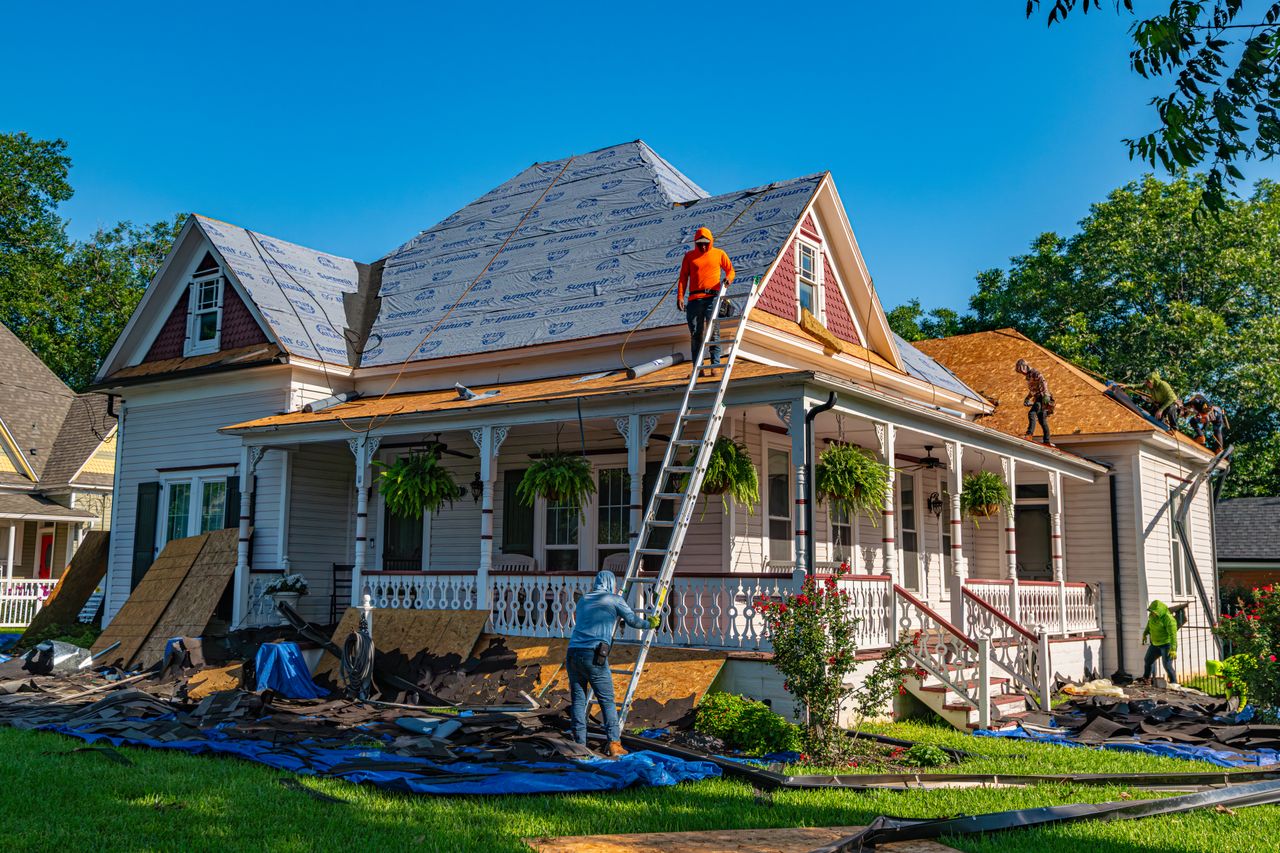
Storm Damage Roof Repairs Florida HOAs Often Underestimate

Questioning Roof Cleaning Services in Florida’s Humid Climate

Smart Roof Maintenance Plans for Florida Apartment Complexes
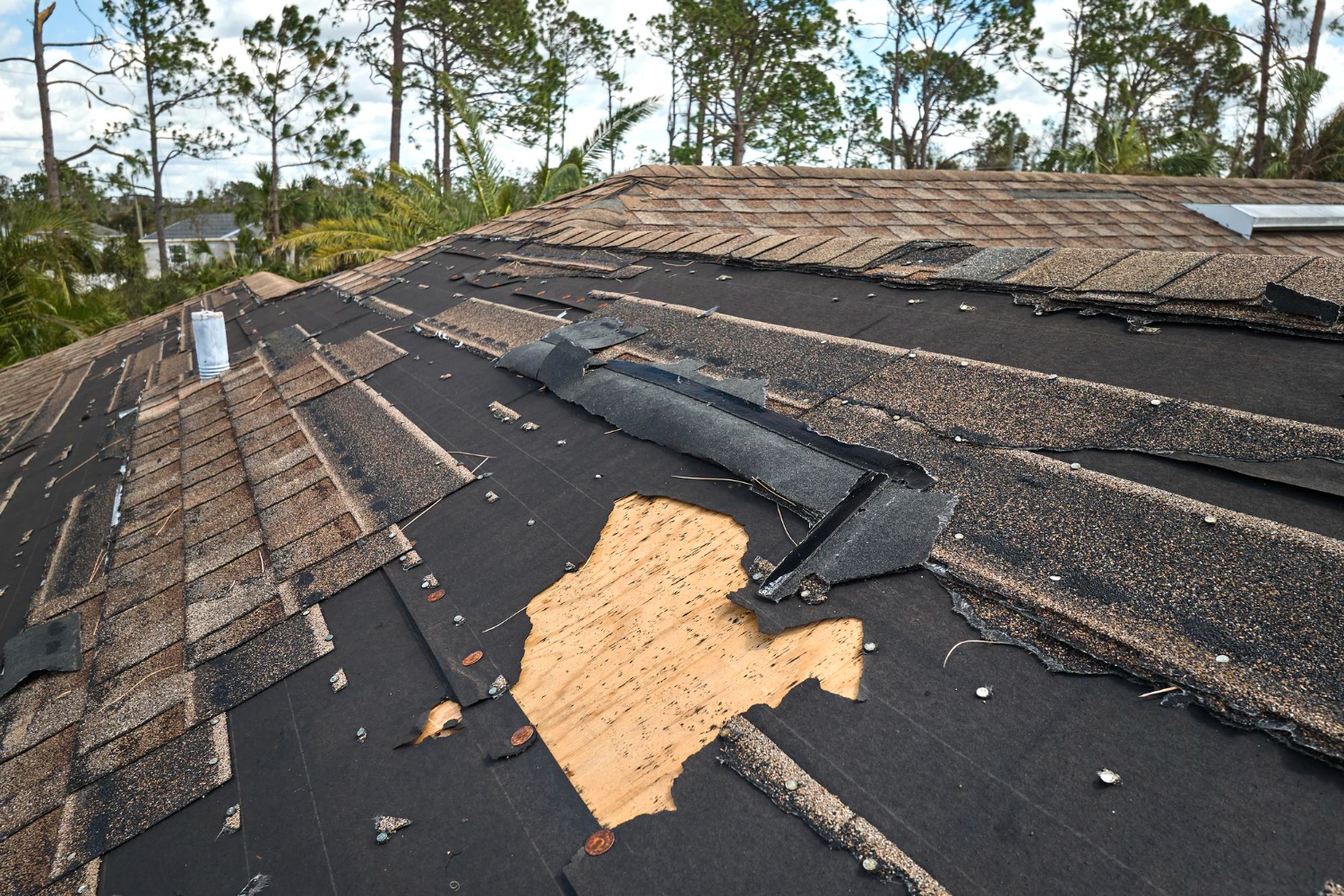
Hidden Cost Drivers in Florida Roof Replacements: Permits, Codes, Fees

Early-Morning Roof Leak Repair in Gainesville Summer Storms
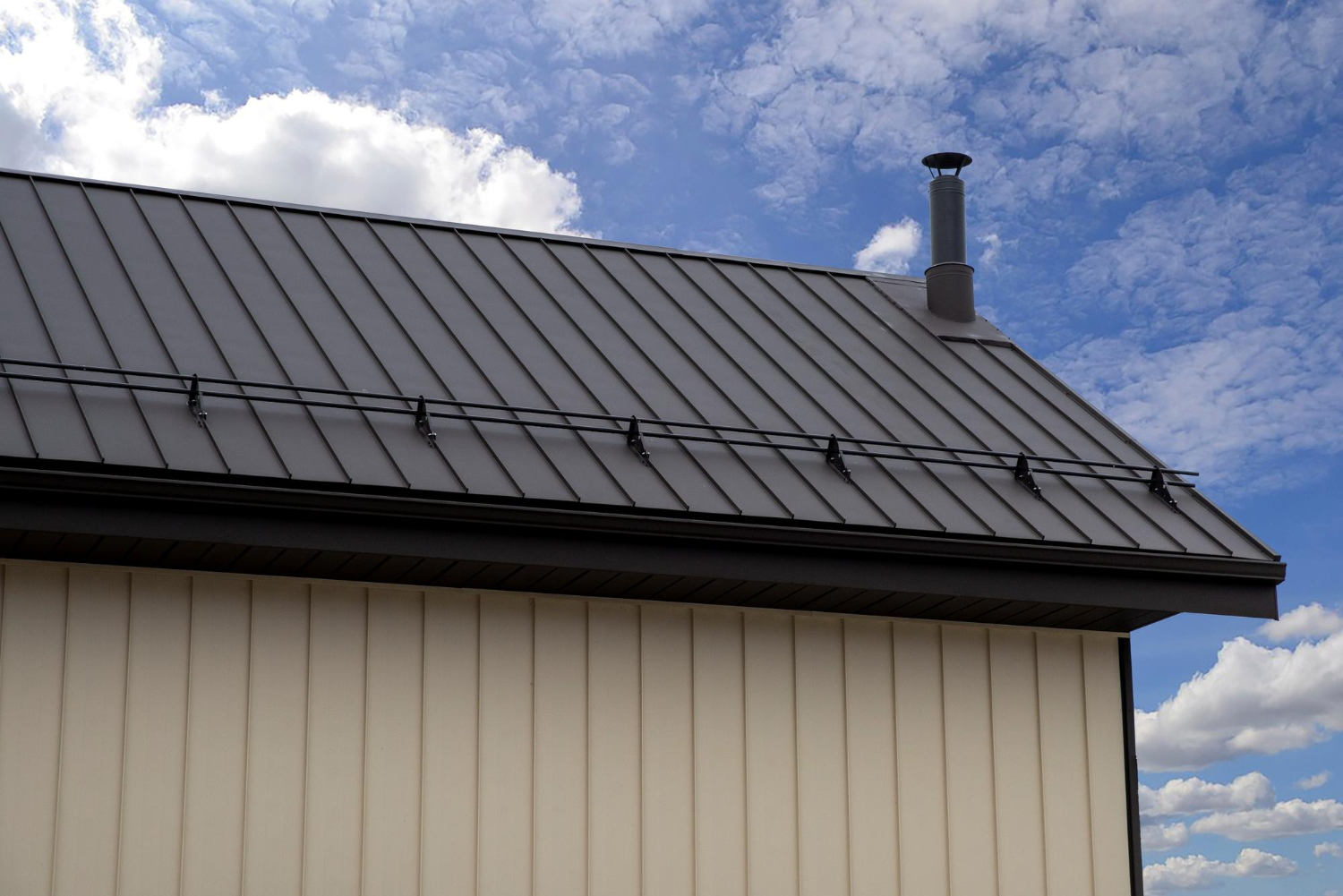
Is a Standing Seam Metal Roof Right for Florida Homes
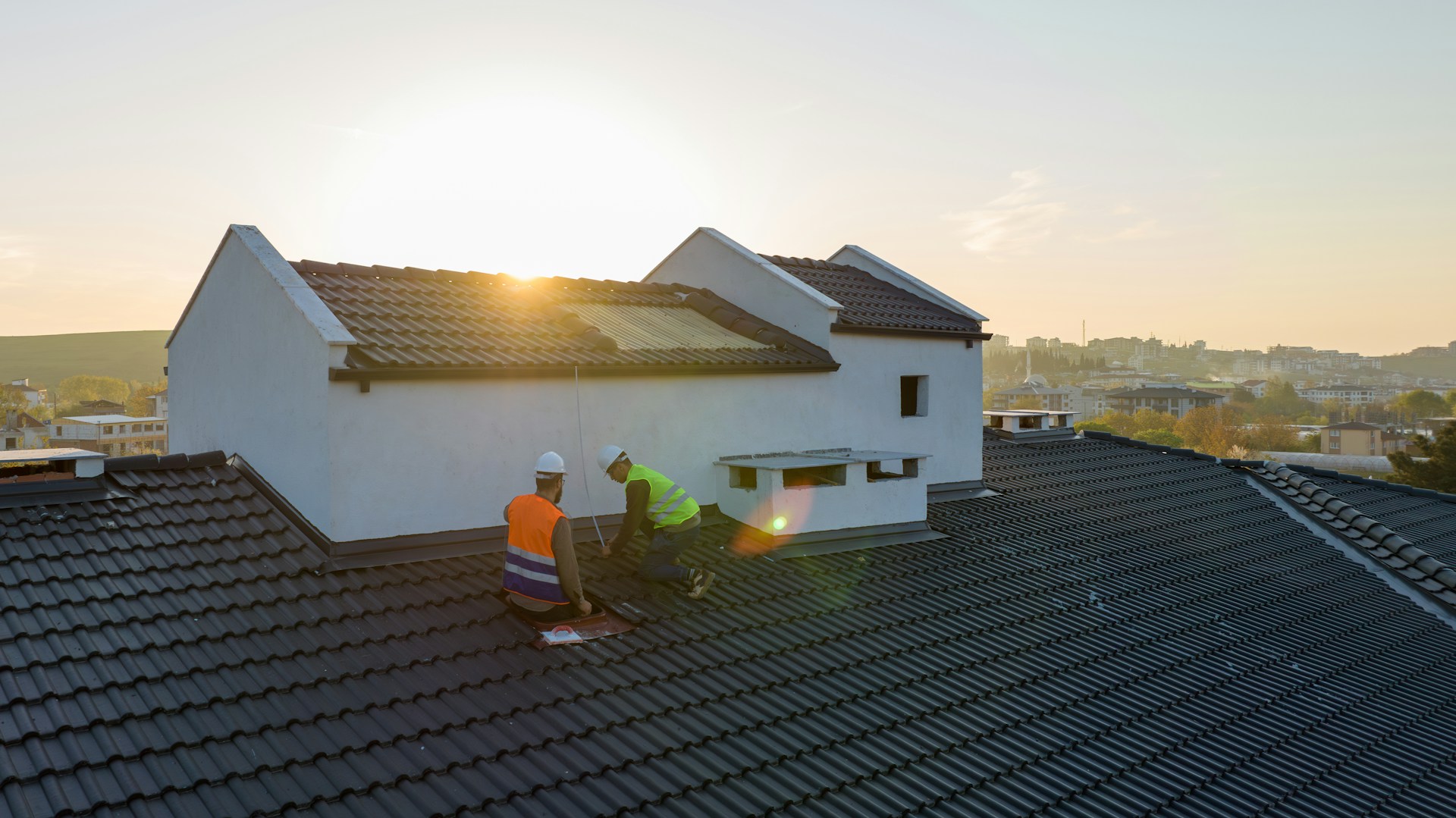
Questioning Your Roof Warranty in Florida’s Storm Belt
How to Choose Roof Underlayment and Waterproofing for Florida Weather
.jpg)
Why Gainesville Homebuyers Need a Dedicated Roofing Company Partner

What Gainesville Homeowners Miss in Post-Storm Roof Inspections
.jpg)
Summer Roof Maintenance Plans for Florida Homes

Roof Financing Options Florida Homeowners Should Understand

Pre-Listing Roof Inspection Tips for Gainesville Sellers
Florida Cracked Roof Tiles That Look Minor but Leak Big
Why Gainesville Roof Vent Leaks Start in the Attic First

Signs Your Florida Flat Roof Needs Professional Repair

Roof Tarping Emergency Steps for Florida Storm Nights
Understanding Hail Damage Roof Claims in Florida
.jpg)
Roof Insurance Claim Help for Florida Storm Seasons

Roof Ventilation Problems Florida Homeowners Overlook

When to Consider Roof Replacement in the Florida Climate
Ridge Vent Installation Guide for Better Attic Ventilation
Modified Bitumen Roofing For Flat & Low-Slope Buildings
GAF Timberline Shingles: Features, Cost, and Benefits

GAF Timberline HDZ: Complete Guide For Homeowners
EPDM Rubber Roofing: Benefits, Costs, and Installation
Dimensional Shingles: Boost Curb Appeal And Roof Protection

Clay Tile Roofing: Benefits, Costs, And Lifespan Guide

Chimney Flashing Repair: Stop Chimney Leaks Fast

Built-Up Roofing Guide for Flat Commercial Roofs
Best Roofing Material for Florida Homes: 2026 Guide

Why Attic Ventilation Matters For A Healthier Home

Standing Seam Metal Roof: Benefits, Cost, and Installation

Same Day Roof Repair: Fast Emergency Solutions For Your Home
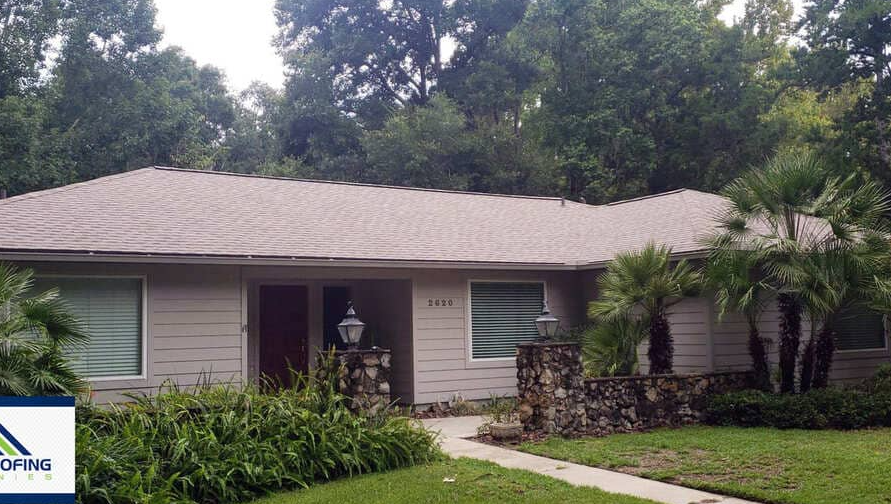
Roofing Contractors In Ocala, FL: How To Choose With Confidence
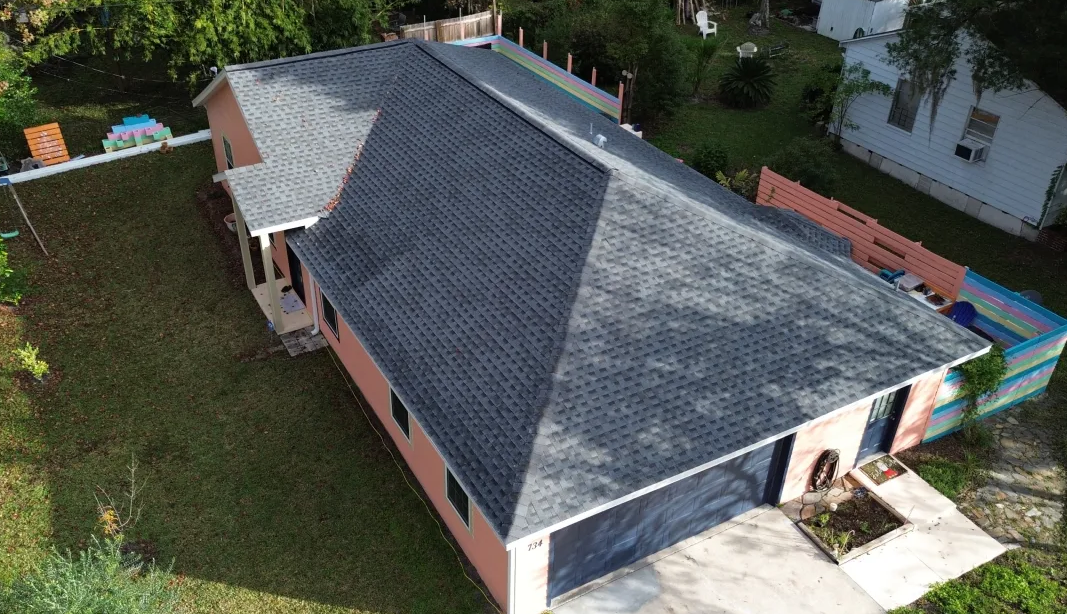
Roofing Company In Ocala, FL: How To Choose A Trusted Pro
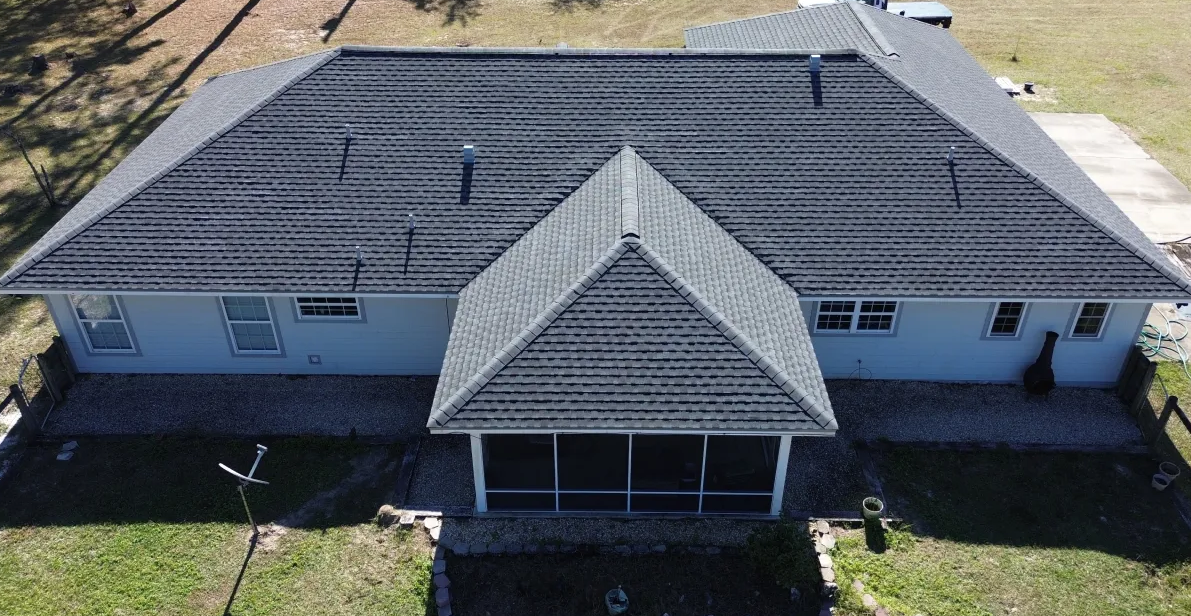
Roofers Gainesville, FL: How To Choose A Trusted Pro

Roof Repair In Ocala, FL: How To Choose A Trusted Contractor

Roof Repair In Gainesville, FL: Fast Help For Storms

Metal Roofing In Gainesville, FL: Durable Roofs That Cut Bills
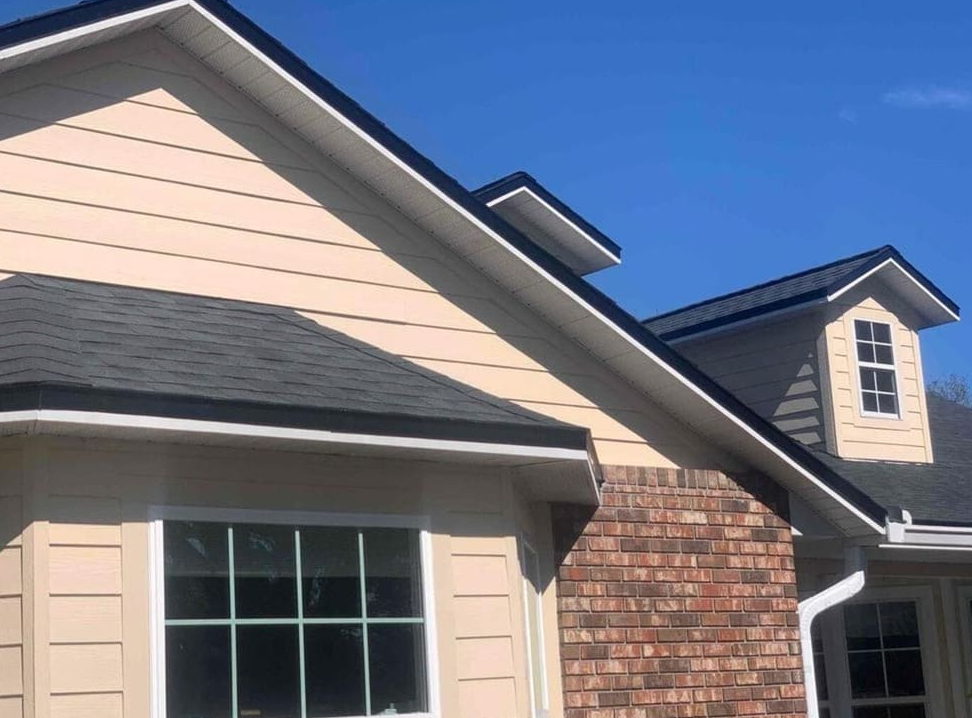
Why Hiring A GAF Master Elite Roofer Matters

Corrugated Metal Roofing: Durable, Affordable Roof Guide

Best Shingles for Florida: Top Hurricane-Resistant Options

Architectural Shingles: Durable, Stylish Roofing Guide
24/7 Roof Repair: Fast Emergency Help When You Need It

.svg)


.svg)
.svg)
.svg)
.svg)
