Roof Ventilation Problems Florida Homeowners Overlook

Stop Wasting Cool Air Through a Hot Attic
Roof ventilation problems are easy to overlook, especially when everything seems fine from the street. But if you live in Florida, your attic can turn into an oven for much of the year. That trapped heat pushes down into your home, drives up your cooling bill, and quietly wears out your roof from the inside.
Roof ventilation is simply the way air moves in and out of the space under your roof. Fresh air should come in low, at the soffits, and warm, damp air should exit high, near the ridge. When that flow is blocked or unbalanced, heat and moisture build up fast. In our hot, humid climate, that mix can be tough on shingles, wood, and even your indoor air quality.
In this article, we will talk through the roof ventilation problems Florida homeowners often miss, the warning signs you can spot yourself, and why getting a professional inspection before summer and hurricane season is such a smart move.
Why Florida Roofs Need Smart Ventilation
A healthy roof system breathes. Air comes in through intake vents, usually along the soffits at the edges of your roof. It moves through the attic space, then exits through exhaust vents, like ridge vents at the peak or other high roof vents. This steady airflow helps carry out heat and moisture so they do not sit against your roof deck.
Here is how that airflow should work in simple terms:
- Cooler outside air enters low at the soffits
- Warm, moist air rises up through the attic
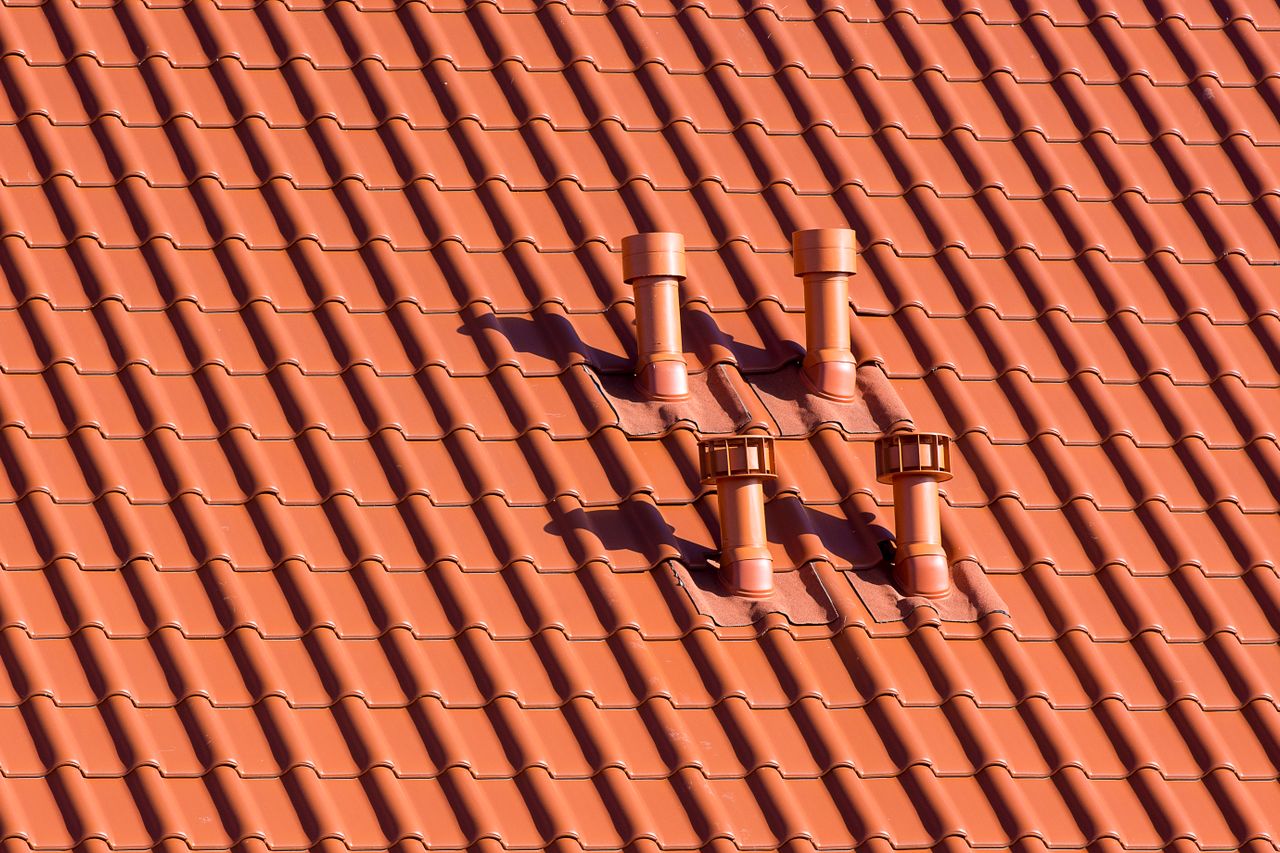
- That hot air exits high at the ridge or roof vents
- The cycle repeats, keeping temperatures and moisture more even
Florida adds some extra challenges to this system. Our humidity stays high almost all year. Near the coast, salt air can be tough on metal parts. Afternoon thunderstorms are common, and the sun can beat down on shingles for long stretches. All of this makes trapped heat and moisture more likely, and the damage can show up sooner.
When roof ventilation is not working well, you may notice:
- Higher AC bills, even when you keep the thermostat steady
- Rooms under the attic feeling stuffy or much warmer than the rest of the house
- Musty smells from the attic area
- Shingles that look aged or worn out faster than expected
Hidden Roof Ventilation Problems in Florida Homes
Many roof ventilation problems stay out of sight until they become big issues. From the ground, your roof might look fine, but the real trouble is often in the attic and along the soffits.
Some common hidden problems include:
- Painted-over soffit vents that look neat but no longer let air in
- Vents blocked by dirt, dust, or even bird nests
- Not enough intake or exhaust vents for the size and shape of the roof
- Old box vents that do not move air evenly across the attic
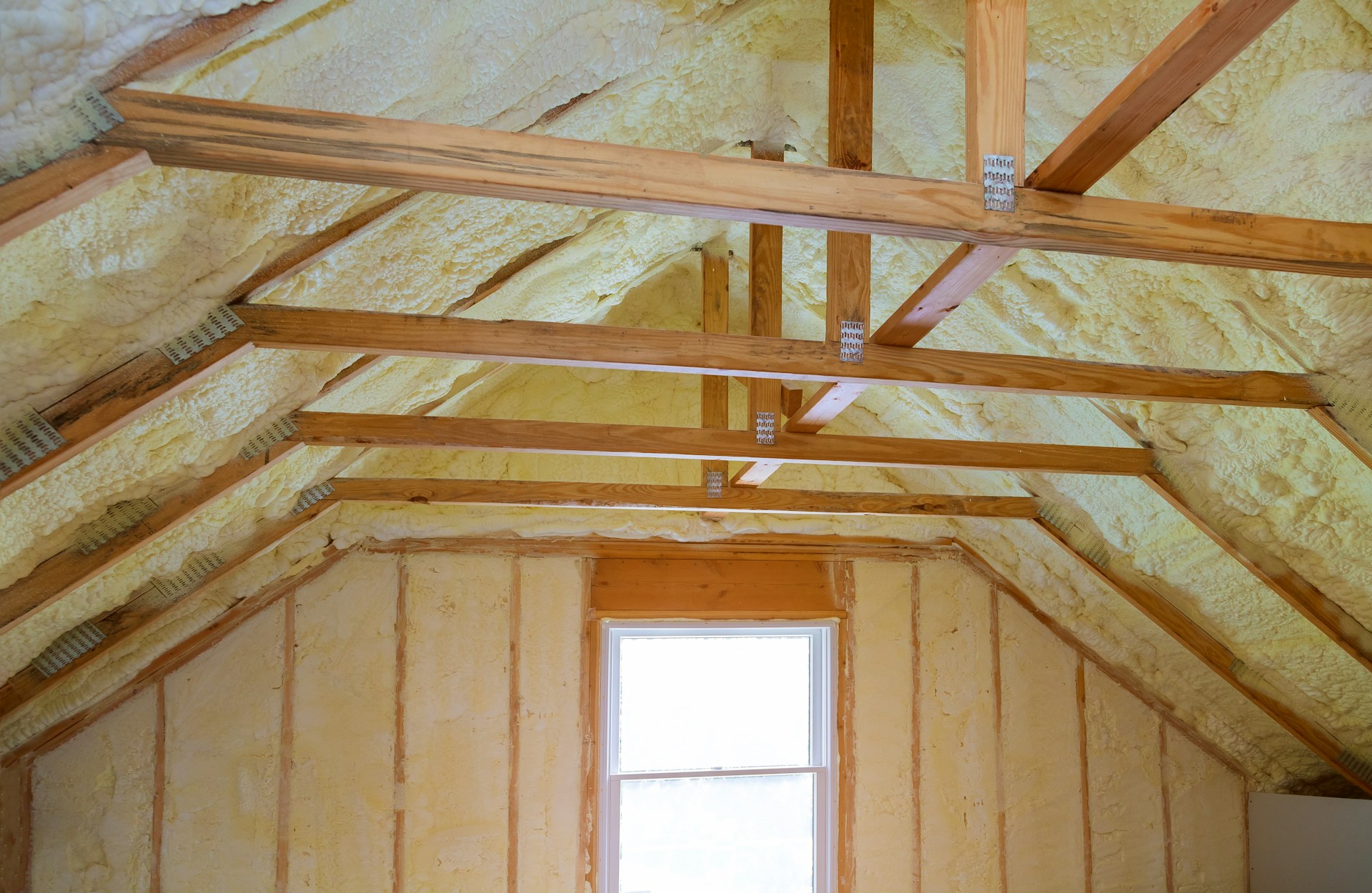
Another issue we see is insulation blocking the path of air. During past work in the attic, insulation may have been packed right up against the roof deck or stuffed into the soffit area. When that happens, intake vents cannot pull in fresh air, so heat and moisture stay trapped along the wood decking.
Remodels and additions can also create trouble. When a home is expanded, the new roof lines and valleys can change how air flows. If ventilation is not rebalanced, you can end up with hot pockets in certain areas. Solar panel installations can have a similar effect if they cover key vent locations or change how the roof sheds heat.
Warning Signs Your Attic Cannot Breathe
You do not have to be a roofing expert to notice clues that your attic is struggling to breathe. Many signs show up inside your home first.
Pay attention if you notice:
- A second-floor or bonus room that stays much hotter than other spaces
- An AC system that seems to run constantly on sunny days
- A musty or damp smell coming from the attic hatch or upstairs hall
- Paint peeling or bubbling on ceilings or upper walls
If you feel safe doing a quick look in your attic during the day, you may see more signs of roof ventilation problems. With a flashlight, look for:
- Rust on nail tips sticking through the roof decking
- Insulation that feels damp or looks matted down
- Dark stains or streaks on the underside of the roof deck
- Any visible mold or fuzzy growth on rafters or plywood
In late spring and early summer, watch your roof from the yard too. Shingle blistering or early cracking before hurricane season can hint at trapped heat. You might also see early signs of moisture around roof vents or other penetrations if condensation has been building up inside the attic.
How Poor Ventilation Damages Roofs and Wallets
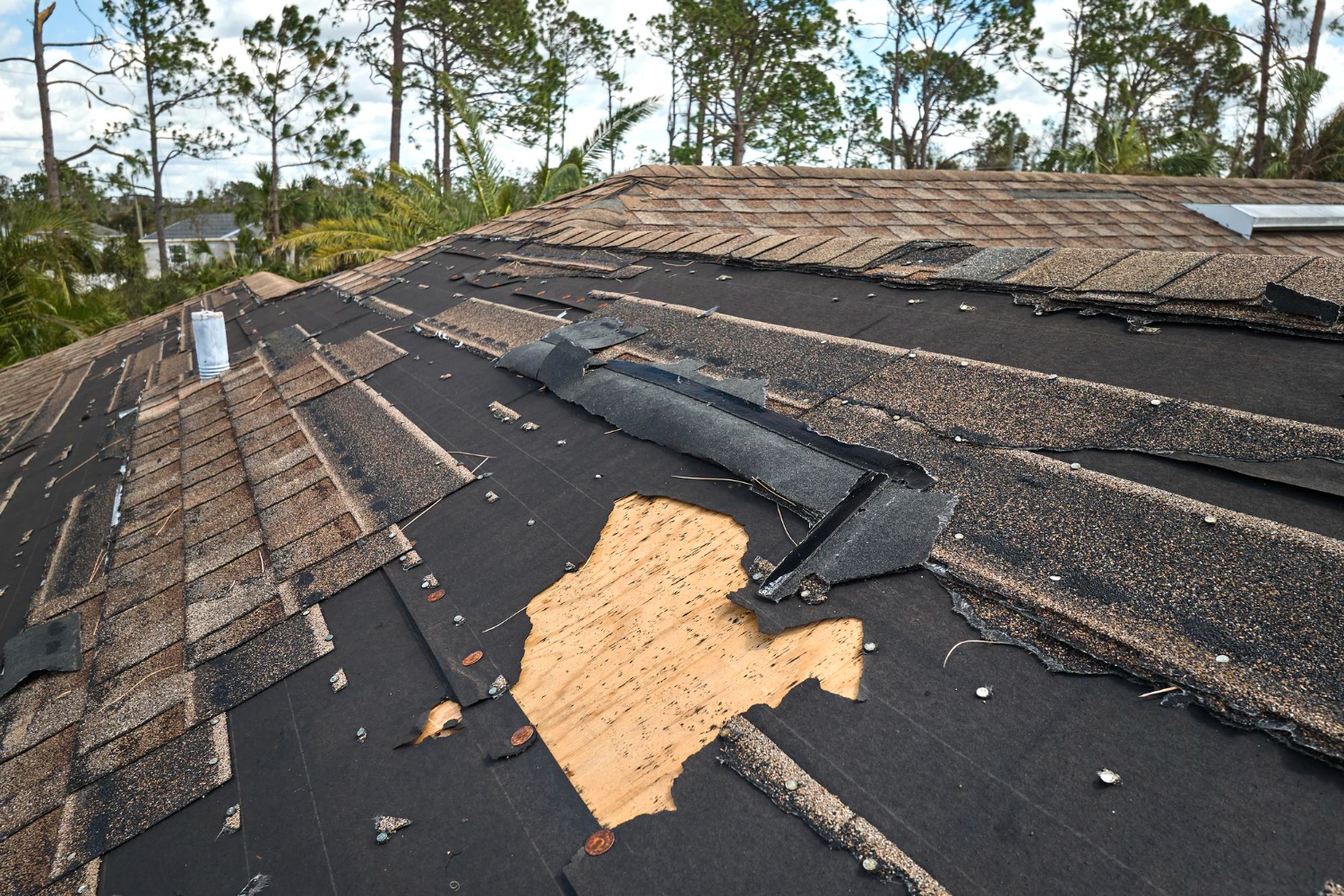
When hot air builds up under the roof, it does not just make the upstairs uncomfortable. It slowly wears out roofing materials from below. Shingles, underlayment, and sealants are all affected by higher temperatures. Over time, trapped heat can leave materials more brittle and less flexible, which is not what you want when strong summer storms roll through.
Moisture adds a second layer of trouble. Warm, damp air can lead to:
- Wood rot in the roof decking and framing
- Warped or sagging roof structures over time
- Mold and mildew growth that can affect indoor air quality
- Stains that show up on ceilings and walls
All of this connects straight to your energy use. A superheated attic acts like a giant heater sitting on top of your living space. Your AC has to fight against that heat day after day, which can lead to more wear and tear on the system and higher energy bills. Over the years, that extra strain can shorten the life of your AC equipment.
Fixing Ventilation the Right Way in Florida
Fixing roof ventilation problems is not just about adding more vents. It is about getting the right balance of intake and exhaust for your specific roof, attic size, and local climate.
Professional solutions often include:
- Checking that soffit vents are open, clear, and sized correctly
- Upgrading older box vents to continuous ridge vents where the roof design allows
- Adding or enlarging intake vents to match the exhaust capacity
- Installing baffles in the attic to keep insulation away from airflow paths
There are also mistakes that can make things worse. Mixing different types of exhaust vents on the same roof can cause one vent to pull air from another instead of from the soffits. Adding powered roof fans without enough intake can pull air from your home instead of outside, which is not what you want in a warm, humid place. DIY changes might also go against local building codes or create weak points in the roof system.
Working with a licensed roofing contractor that understands the climates in Florida, Georgia, and Alabama helps make sure your ventilation system is designed for heat, humidity, and strong winds, not just for looks on a drawing. A careful plan can protect both your roof and your comfort inside the home.
Schedule a Spring Roof Ventilation Check Today
Late spring is a smart time to think about roof ventilation problems, before the longest, brightest days really take over and before the heart of hurricane season. A professional check can catch small issues early, so they do not turn into leaks, hot rooms, or mold concerns later on.
When Energy Roofing Companies visits a home for a ventilation review, we typically look at the roof surface, inspect the attic space, check for signs of moisture or staining, and review how air is moving through intake and exhaust points. From there, we can explain what is working well and where repairs or updates might help your home stay cooler, drier, and more comfortable under the Florida sun.
Protect Your Home By Solving Roof Ventilation Issues Today
If you are noticing uneven temperatures, high energy bills, or moisture in your attic, our team at Energy Roofing Companies can inspect and fix your roof ventilation problems before they cause costly damage. We take the time to identify the root cause and recommend the best repair or replacement options for your home. Reach out today through our contact page to schedule an assessment and get straightforward guidance on your next steps.
Related posts
Apartment Complex Roofing Decisions Property Managers Regret
What Gainesville Roofers Recommend Before Your First Skylight Installation
Questioning Roof Coating Services for Florida Flat Roofs
Choosing Roof Replacement After Florida Hurricane Landfall
.jpg)
How Florida Insurance, Wind Mitigation Credits, and Deductibles Affect Roof
What Happens When Roof Leaks Reach Your Attic Insulation
.jpg)
Florida Rubber Roofing Myths Homeowners Should Stop Believing
Storm Damage Roof Repairs Florida HOAs Often Underestimate
Questioning Roof Cleaning Services in Florida’s Humid Climate

Smart Roof Maintenance Plans for Florida Apartment Complexes
Hidden Cost Drivers in Florida Roof Replacements: Permits, Codes, Fees

Early-Morning Roof Leak Repair in Gainesville Summer Storms
Is a Standing Seam Metal Roof Right for Florida Homes
Questioning Your Roof Warranty in Florida’s Storm Belt
How to Choose Roof Underlayment and Waterproofing for Florida Weather
.jpg)
Why Gainesville Homebuyers Need a Dedicated Roofing Company Partner

What Gainesville Homeowners Miss in Post-Storm Roof Inspections
.jpg)
Summer Roof Maintenance Plans for Florida Homes

Roof Financing Options Florida Homeowners Should Understand

Pre-Listing Roof Inspection Tips for Gainesville Sellers
Florida Cracked Roof Tiles That Look Minor but Leak Big
Why Gainesville Roof Vent Leaks Start in the Attic First

Signs Your Florida Flat Roof Needs Professional Repair

Roof Tarping Emergency Steps for Florida Storm Nights
Understanding Hail Damage Roof Claims in Florida
.jpg)

Roof Insurance Claim Help for Florida Storm Seasons
Roof Ventilation Problems Florida Homeowners Overlook

When to Consider Roof Replacement in the Florida Climate
Ridge Vent Installation Guide for Better Attic Ventilation
Modified Bitumen Roofing For Flat & Low-Slope Buildings
GAF Timberline Shingles: Features, Cost, and Benefits

GAF Timberline HDZ: Complete Guide For Homeowners
EPDM Rubber Roofing: Benefits, Costs, and Installation
Dimensional Shingles: Boost Curb Appeal And Roof Protection

Clay Tile Roofing: Benefits, Costs, And Lifespan Guide

Chimney Flashing Repair: Stop Chimney Leaks Fast

Built-Up Roofing Guide for Flat Commercial Roofs
Best Roofing Material for Florida Homes: 2026 Guide

Why Attic Ventilation Matters For A Healthier Home

Standing Seam Metal Roof: Benefits, Cost, and Installation

Same Day Roof Repair: Fast Emergency Solutions For Your Home
Roofing Contractors In Ocala, FL: How To Choose With Confidence
Roofing Company In Ocala, FL: How To Choose A Trusted Pro
Roofers Gainesville, FL: How To Choose A Trusted Pro

Roof Repair In Ocala, FL: How To Choose A Trusted Contractor

Roof Repair In Gainesville, FL: Fast Help For Storms

Metal Roofing In Gainesville, FL: Durable Roofs That Cut Bills
Why Hiring A GAF Master Elite Roofer Matters

Corrugated Metal Roofing: Durable, Affordable Roof Guide

Best Shingles for Florida: Top Hurricane-Resistant Options

Architectural Shingles: Durable, Stylish Roofing Guide
24/7 Roof Repair: Fast Emergency Help When You Need It

.svg)


.svg)
.svg)
.svg)
.svg)
