When to Consider Roof Replacement in the Florida Climate

The Florida sun, heavy rain, and stormy skies are tough on every roof. Knowing when to plan for roof replacement can help you avoid leaks, protect your property, and keep your home or business cooler and more comfortable all year long.
In our warm, humid climate, waiting until water drips from the ceiling is a risky plan. Roof problems often start small, then spread fast. By paying attention to age, warning signs, and the impact of our weather, you can decide if it is time to start planning your next roof before hurricane season hits its peak.
Know When Your Florida Roof Is Past Its Prime
Florida roofs have a hard job. They face strong sun, high humidity, and frequent storms. Over time, even a well-built roof will wear down faster here than in many other parts of the country.
Waiting for a major leak can lead to:
- Hidden mold and mildew
- Damage to drywall, flooring, and personal items
- Trouble with insurance claims if the roof is already in poor shape
Planning ahead helps you protect:
- Property value
- Energy efficiency
- Insurance eligibility
We work on homes and commercial buildings across Florida, Georgia, and Alabama, and we see that late spring and early summer are smart times to take a close look at your roof. Around May, there is still a window of time to handle a roof replacement before the busiest part of hurricane season arrives.
How Florida Weather Shortens Roof Lifespans
Florida weather is hard on every roofing material. Even a roof that looks okay from the street may be aging faster than you think.
Here is how our climate wears roofs out:
- Intense UV rays and heat dry out shingles, weaken adhesives, and fade colors
- Older, darker shingles often lose their protective granules faster
- Heavy rain works its way into small gaps around flashing, vents, and fasteners
Strong winds and tropical storms can:
- Lift or loosen shingles and metal panels
- Push wind-driven rain under the roofing surface
- Knock branches and debris onto the roof, leaving dents and cracks
High humidity and salty coastal air add more stress. They can:
- Speed up corrosion on metal roofs and fasteners
- Cause wood decking and other materials to swell, warp, or rot over time
Because some damage is hidden, a roof can look okay from the ground but still be close to failure.
Clear Signs Your Roof May Need Replacement Soon
You do not need to climb on your roof to spot trouble. Many warning signs are easy to see from the yard or inside your home or building.
Outside, watch for:
- Curling, broken, or missing shingles
- Bald patches where shingle granules have washed away
- Sagging or uneven roof lines
- Rusting, loose, or lifted metal panels
- Gutters that are loose, bent, or pulling away
Inside, signs often show up in quiet corners first. Keep an eye out for:
- Water stains on ceilings or upper walls
- Peeling paint or bubbling drywall
- Recurring mildew odors in the attic or top floor
- Small beams of daylight visible through roof boards in the attic
Age also tells an important story. In our Florida climate:
- Asphalt shingle roofs often need close attention once they reach a typical lifespan
- Metal roofs can last longer, but salty air and storms may shorten their life if they are not in good shape
- Flat or low-slope roofs on commercial buildings can wear out faster under pooled water and constant sun
If your roof is getting close to its expected age for Florida conditions, a professional inspection is a smart next step, even if you do not see obvious leaks yet.
When Repairs Are Enough vs. When to Replace
Not every problem means you need a full roof replacement. Sometimes a focused repair is enough, especially when the rest of the roof is still in good condition.
Repairs may be reasonable when:
- Only a few shingles are missing after a storm
- There is minor flashing damage around a vent or chimney
- A small leak is found and fixed early
Roof replacement starts to make more sense when you notice:
- The same area leaking or needing repair again and again
- Damage spread across multiple slopes or large sections of the roof
- Soft spots in the decking, sagging areas, or signs that the structure is weakening
Keeping an older roof going with constant patchwork can lead to:
- Higher total costs over time
- More chances for water to reach insulation, drywall, and flooring
- Possible issues with warranties or insurance claims if the roof is clearly worn out
At some point, putting money into repairs on a failing roof is like topping off a bucket with a crack in the bottom. A full roof replacement gives you a fresh start and a stronger system.
Energy-Efficient Roof Replacement Benefits in Florida
When it is time to replace your roof, you have a chance to choose materials that work better in our heat and humidity. An energy-efficient roof can make a big difference in daily comfort.
Cool roofing options, reflective shingles, and properly installed metal roofing can:
- Reflect more sunlight away from your home or building
- Reduce heat transfer into your attic and living spaces
- Help your HVAC system work less to keep rooms comfortable
Modern roofing systems are also built with Florida-style weather in mind. Many are engineered for high wind zones and heavy rain. With the right setup, you can gain:
- Better attic ventilation
- Improved insulation and moisture control
- Stronger protection against uplift and wind-driven rain
Over time, an energy-efficient roof can support:
- Longer roof life when materials are matched to the local climate
- Better curb appeal and a fresher look
- Potential insurance benefits for storm-ready systems
- Higher appeal to future buyers for both homes and commercial properties
Get Storm-Ready Before Hurricane Season Hits
Late spring and early summer are prime times to get your roof storm-ready. Once the peak of hurricane season arrives, it can be harder to address problems quickly.
A professional roof inspection can help:
- Spot damage from past storms that you may have missed
- Find weak points around flashing, vents, chimneys, and gutters
- Check if your roofing system meets current codes and best practices
If roof replacement is recommended, handling it before storm activity increases can help you avoid:
- Emergency leaks during heavy rain
- Longer wait times for materials and installation
- Last-minute stress when tropical systems start forming
Energy Roofing Companies provides residential and commercial roofing services across Florida, Georgia, and Alabama, including inspections, replacements, and storm-damage assessments. We focus on energy-efficient roofing systems, shingles, metal roofing, and gutters that are suited for our climate.
By planning ahead, you give your home or business a stronger shield over everything you care about, so you can head into hurricane season with more peace of mind.
Get Started With Your Project Today
If your roof is showing signs of age or damage, we are ready to help you protect your home with a quality roof replacement. At Energy Roofing Companies, we will inspect your current roof, review your options, and recommend the solution that fits your budget and long-term needs. Reach out today to discuss your project, schedule an inspection, or request a detailed estimate through our contact page.
Related posts
Apartment Complex Roofing Decisions Property Managers Regret
What Gainesville Roofers Recommend Before Your First Skylight Installation
Questioning Roof Coating Services for Florida Flat Roofs
Choosing Roof Replacement After Florida Hurricane Landfall
.jpg)
How Florida Insurance, Wind Mitigation Credits, and Deductibles Affect Roof
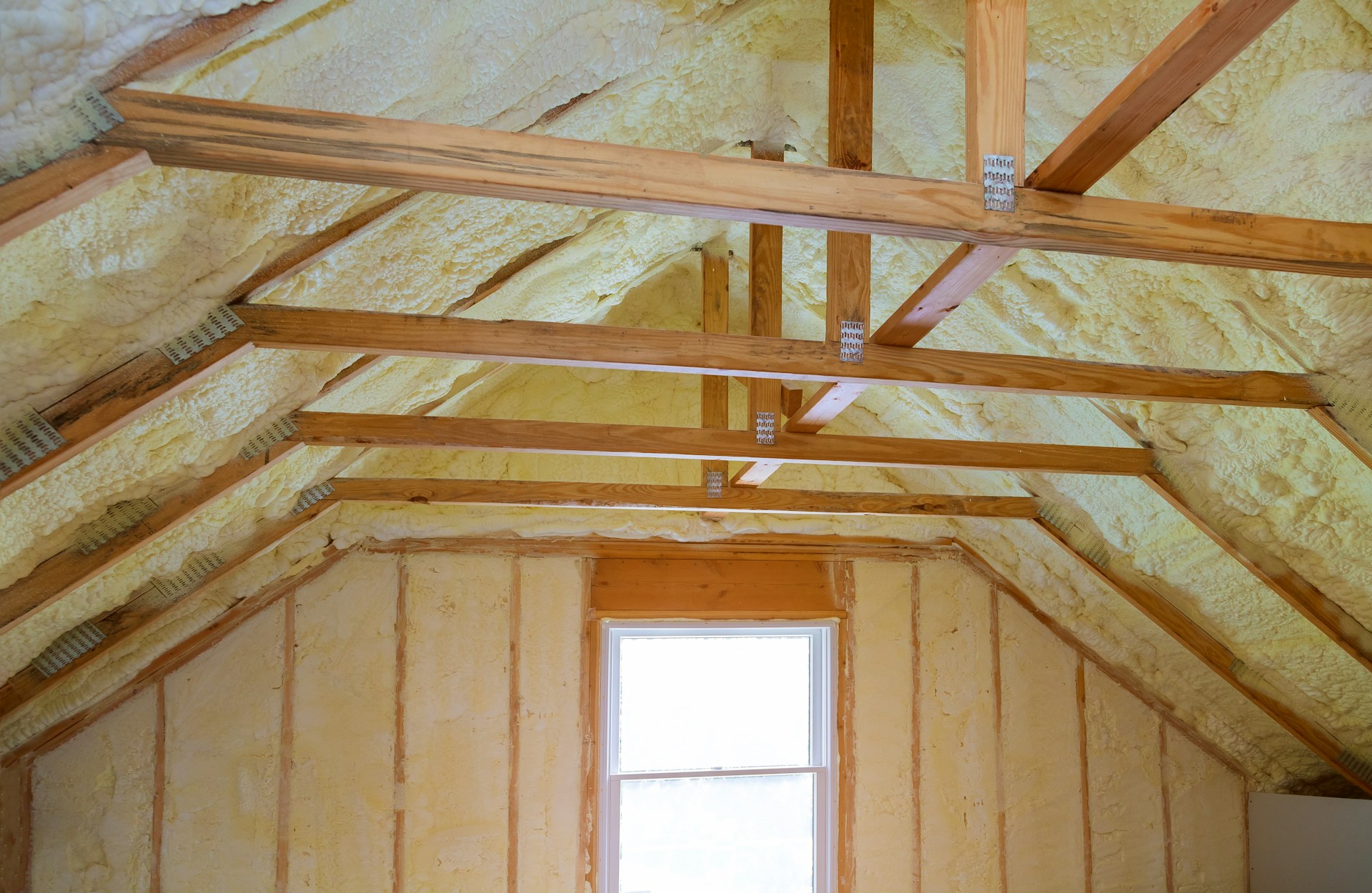
What Happens When Roof Leaks Reach Your Attic Insulation
.jpg)
Florida Rubber Roofing Myths Homeowners Should Stop Believing
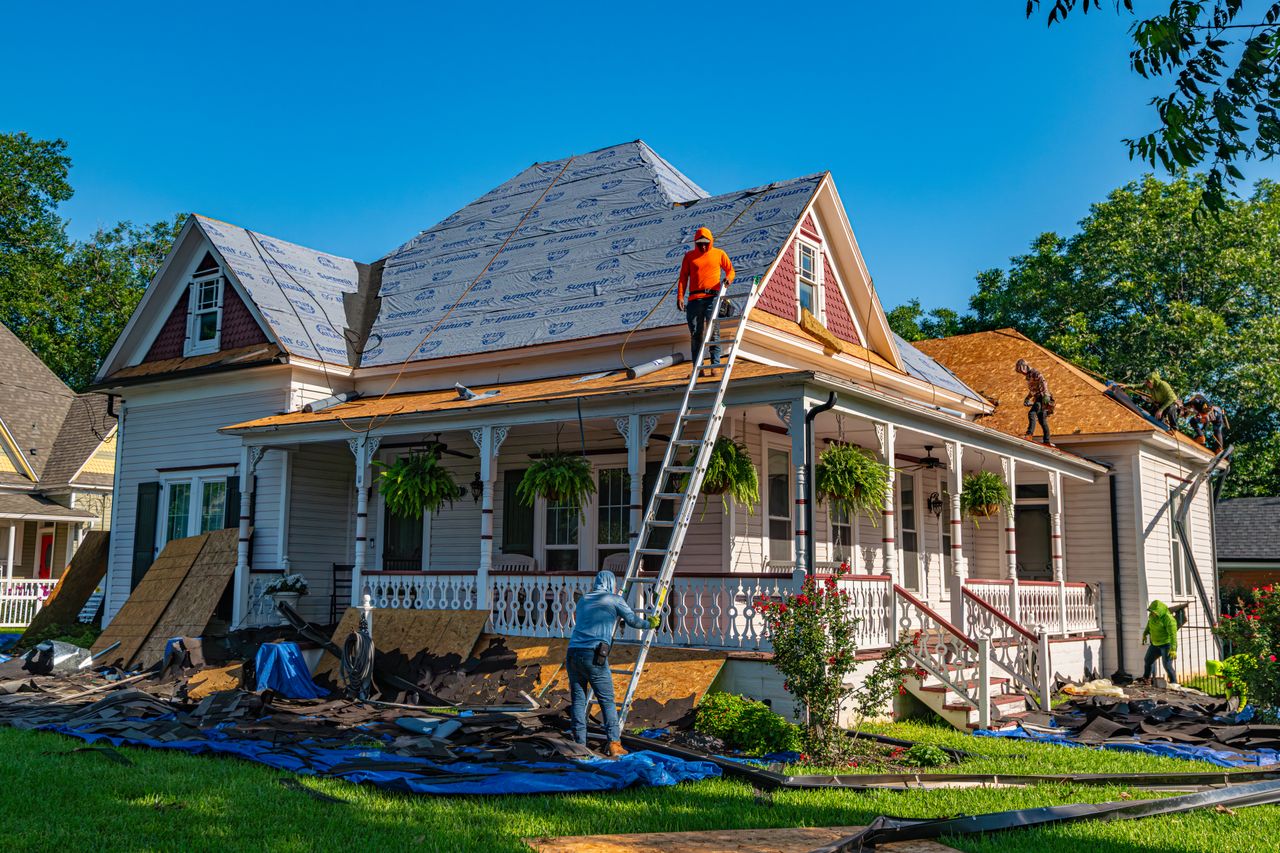
Storm Damage Roof Repairs Florida HOAs Often Underestimate
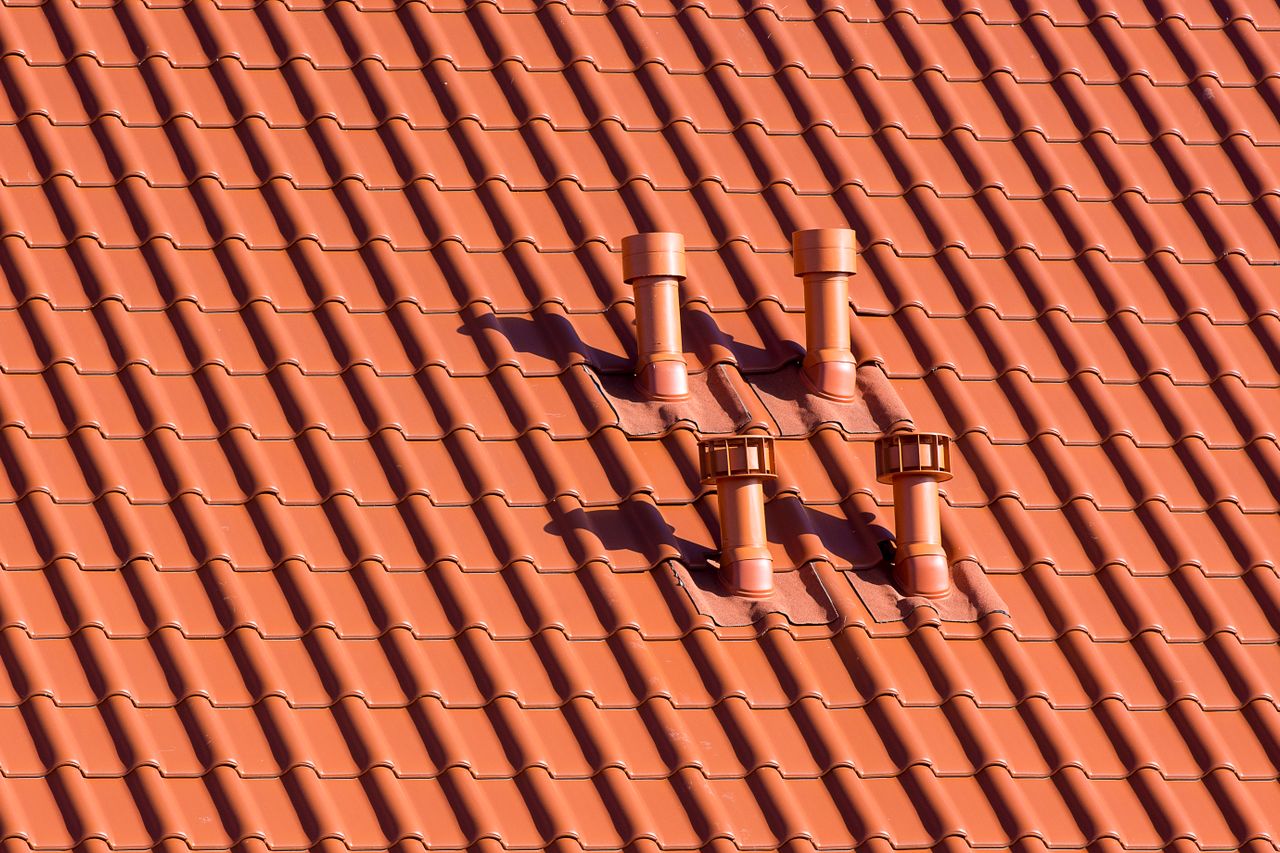
Questioning Roof Cleaning Services in Florida’s Humid Climate

Smart Roof Maintenance Plans for Florida Apartment Complexes
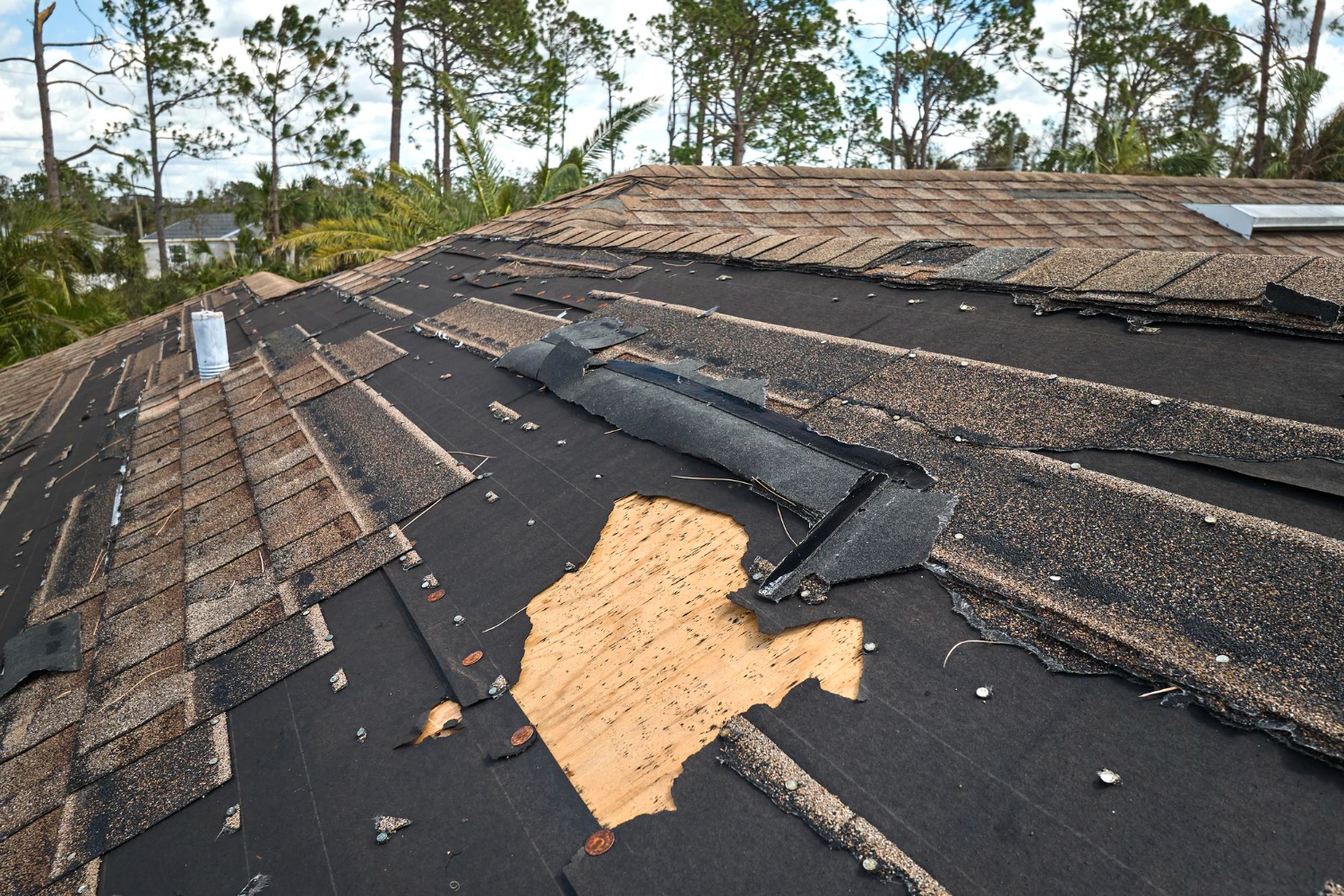
Hidden Cost Drivers in Florida Roof Replacements: Permits, Codes, Fees

Early-Morning Roof Leak Repair in Gainesville Summer Storms
Is a Standing Seam Metal Roof Right for Florida Homes
Questioning Your Roof Warranty in Florida’s Storm Belt
How to Choose Roof Underlayment and Waterproofing for Florida Weather
.jpg)
Why Gainesville Homebuyers Need a Dedicated Roofing Company Partner

What Gainesville Homeowners Miss in Post-Storm Roof Inspections
.jpg)
Summer Roof Maintenance Plans for Florida Homes

Roof Financing Options Florida Homeowners Should Understand

Pre-Listing Roof Inspection Tips for Gainesville Sellers
Florida Cracked Roof Tiles That Look Minor but Leak Big
Why Gainesville Roof Vent Leaks Start in the Attic First

Signs Your Florida Flat Roof Needs Professional Repair

Roof Tarping Emergency Steps for Florida Storm Nights
Understanding Hail Damage Roof Claims in Florida
.jpg)

Roof Insurance Claim Help for Florida Storm Seasons

Roof Ventilation Problems Florida Homeowners Overlook
When to Consider Roof Replacement in the Florida Climate
Ridge Vent Installation Guide for Better Attic Ventilation
Modified Bitumen Roofing For Flat & Low-Slope Buildings
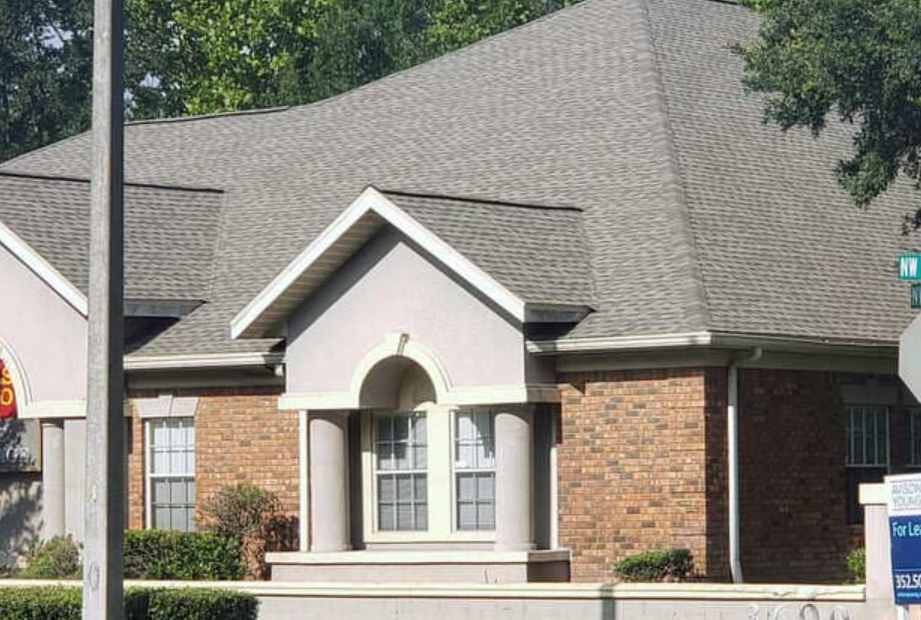
GAF Timberline Shingles: Features, Cost, and Benefits

GAF Timberline HDZ: Complete Guide For Homeowners
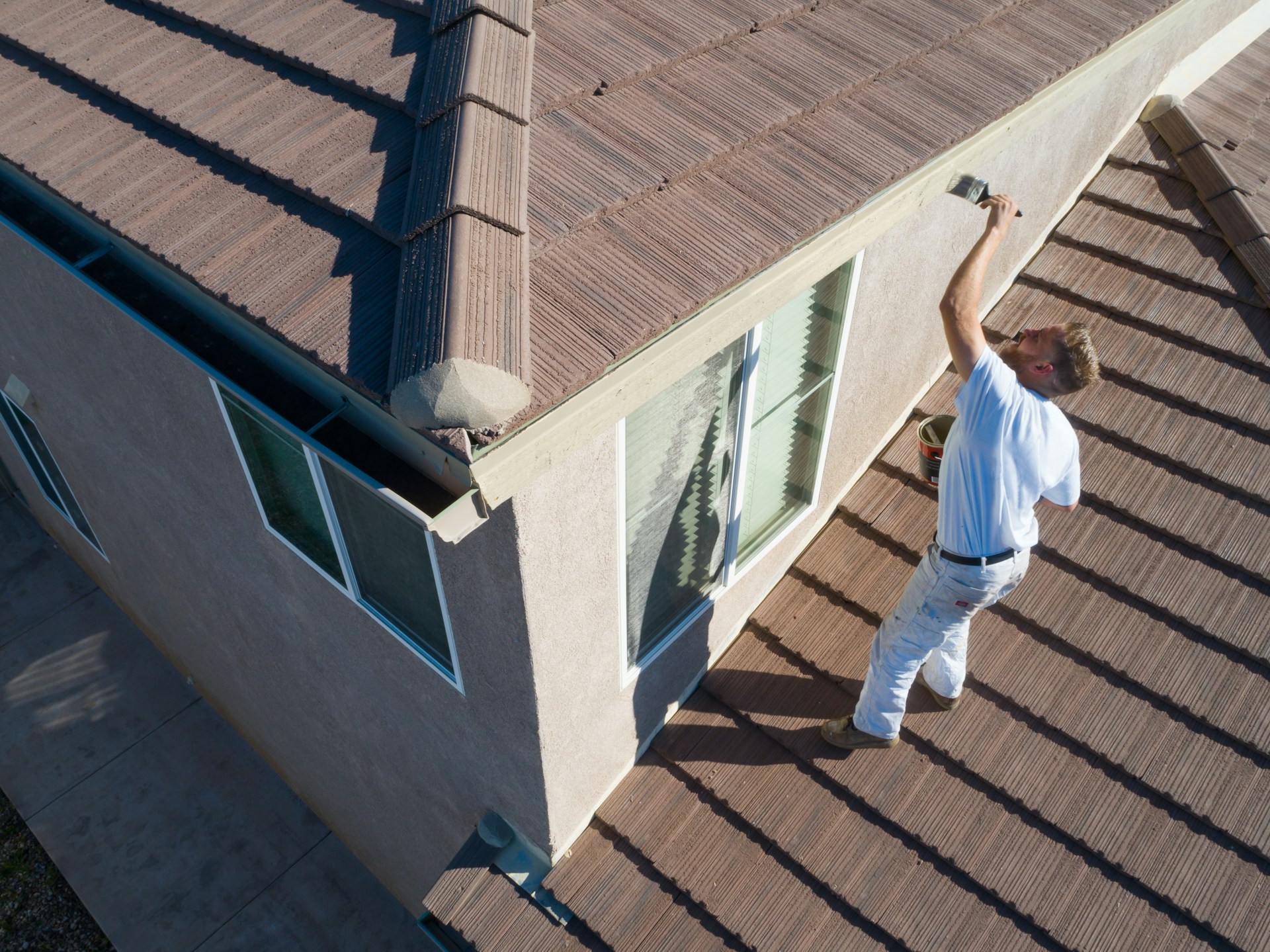
EPDM Rubber Roofing: Benefits, Costs, and Installation
Dimensional Shingles: Boost Curb Appeal And Roof Protection

Clay Tile Roofing: Benefits, Costs, And Lifespan Guide

Chimney Flashing Repair: Stop Chimney Leaks Fast

Built-Up Roofing Guide for Flat Commercial Roofs
Best Roofing Material for Florida Homes: 2026 Guide

Why Attic Ventilation Matters For A Healthier Home

Standing Seam Metal Roof: Benefits, Cost, and Installation

Same Day Roof Repair: Fast Emergency Solutions For Your Home
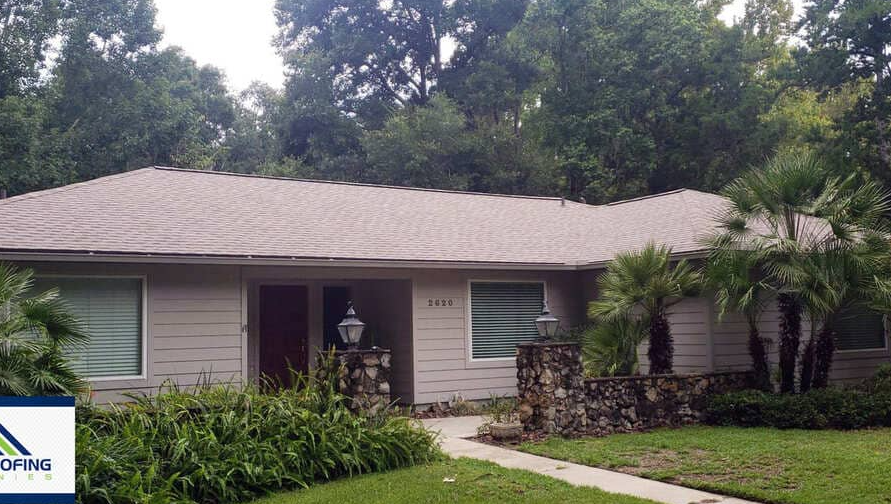
Roofing Contractors In Ocala, FL: How To Choose With Confidence
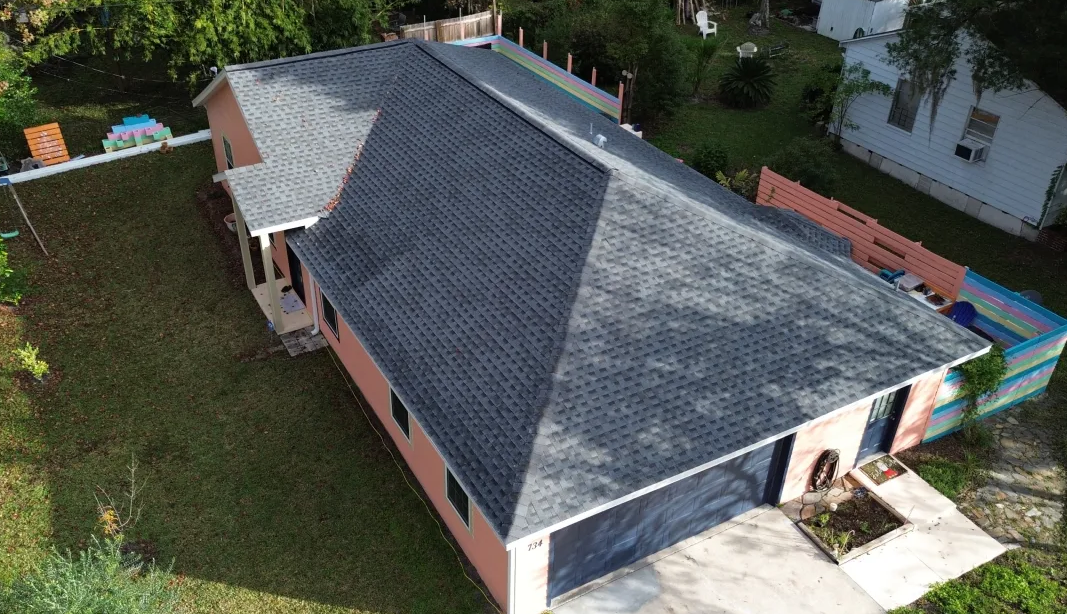
Roofing Company In Ocala, FL: How To Choose A Trusted Pro
Roofers Gainesville, FL: How To Choose A Trusted Pro

Roof Repair In Ocala, FL: How To Choose A Trusted Contractor

Roof Repair In Gainesville, FL: Fast Help For Storms

Metal Roofing In Gainesville, FL: Durable Roofs That Cut Bills
Why Hiring A GAF Master Elite Roofer Matters

Corrugated Metal Roofing: Durable, Affordable Roof Guide

Best Shingles for Florida: Top Hurricane-Resistant Options

Architectural Shingles: Durable, Stylish Roofing Guide
24/7 Roof Repair: Fast Emergency Help When You Need It

.svg)


.svg)
.svg)
.svg)
.svg)
