Florida Cracked Roof Tiles That Look Minor but Leak Big
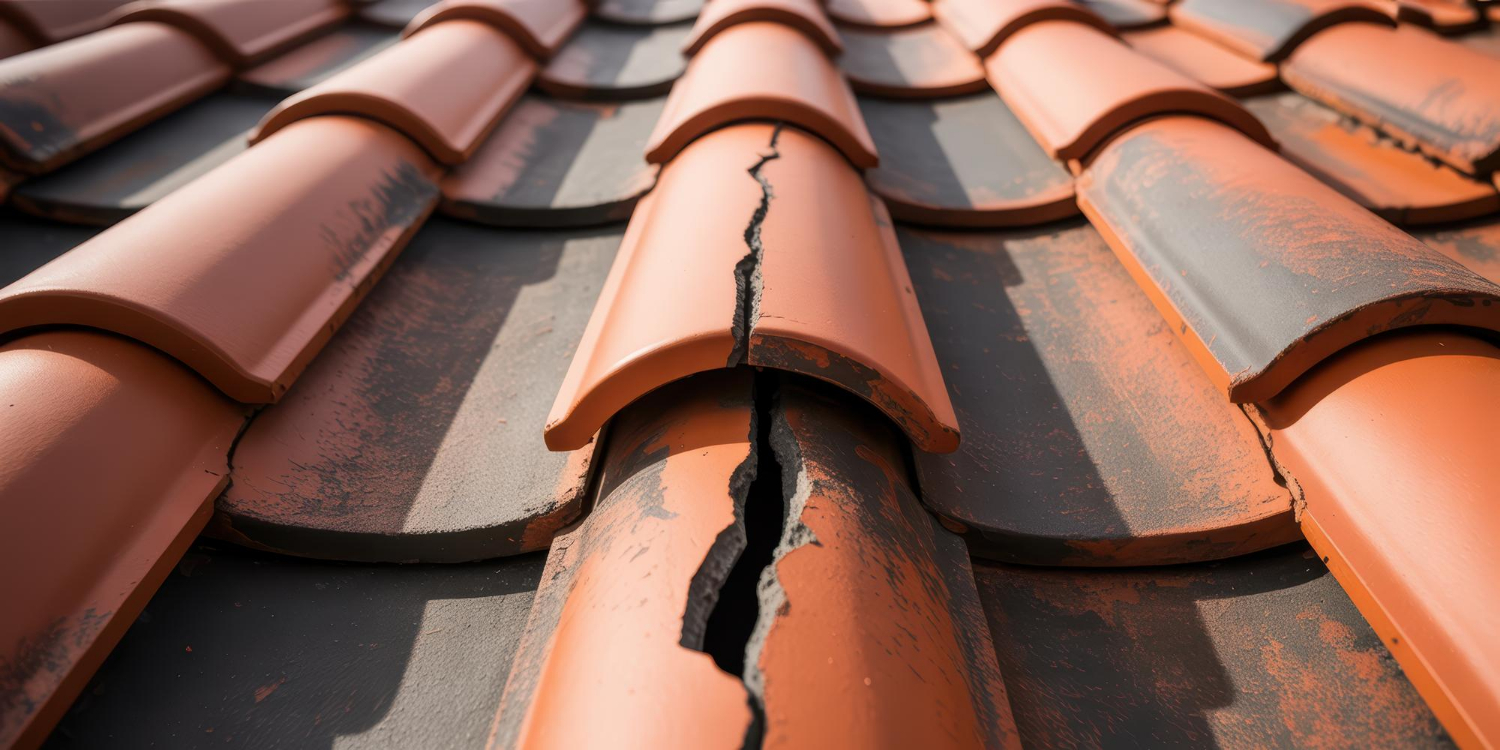
Small Cracked Roof Tiles, Big Florida Headaches
Cracked roof tiles can look small and harmless, especially from the yard. Many homeowners see a few hairline lines or chipped corners and shrug them off as “no big deal.” In Florida, that choice can come back in a very bad way once the summer rains and storms roll through.
We hear about this all the time. A homeowner notices a couple of cracked tiles a few months before storm season and decides to wait. Then the daily downpours and a tropical system roll in. Water slips through those tiny openings, soaks the underlayment, and slowly makes its way inside. By the time stains show up on the ceiling, the damage is already spread out under the roof.
In our hot, wet climate, what looks “minor” on your roof can be the start of leaks, mold, rot, and expensive repairs. In this article, we will explain why cracked roof tiles are such a big deal here, how to spot early trouble, and what to do before the next round of storms hits.
Why Tiny Tile Cracks Turn Into Major Leaks
A tile roof is more than just the tiles you see from the street. Those tiles are the first shield that takes the sun, rain, and wind all day long. Under those tiles sits the underlayment, which is the real waterproof barrier that keeps water off the wood decking.
When a tile is cracked, chipped, or broken, a few things can happen:
• The underlayment gets exposed to direct sun and heat
• Wind-driven rain is pushed under the damaged tile
• Water can sit and pool in the crack instead of running off cleanly
Over time, Florida’s weather makes every one of those problems worse. Strong UV rays heat the exposed underlayment, dry it out, and can cause it to become weak and brittle. Daily rain showers, along with tropical storms and hurricanes, drive water sideways and upward under cracked tiles where it is not supposed to go.
Water can also travel in sneaky ways. It can creep through tiny gaps by capillary action, pull along nails and fasteners, and then soak into:
• Roof decking
• Fascia boards along the edges
• Attic insulation and wood framing
This can go on quietly for a long time. Many homeowners never see anything from inside until the leak has already spread. By then, a simple cracked tile repair may have turned into a larger project that includes underlayment and wood replacement.
Spotting Cracked Roof Tiles Before Storm Season
You do not need to climb on your roof to notice early warning signs. In fact, we always suggest staying safely on the ground and letting trained roofers handle walking on tile.
From the yard or sidewalk, you can look for:
• Tiles that look darker or lighter than the rest
• Lines or “veins” on tiles that could be cracks
• Misaligned or lifted tiles that do not sit flat
• Chips or broken corners along ridges and valleys
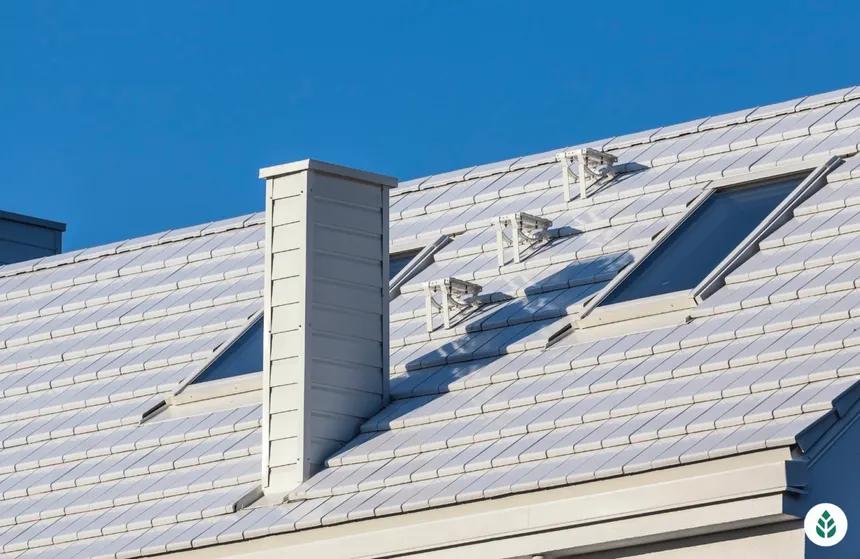
• Damage around roof vents, skylights, or chimneys
Certain spots tend to have more issues on Florida homes. Pay extra attention to areas:
• Around solar panels or pool heater lines
• Near satellite dishes and other roof-mounted equipment
• Along edges and corners where wind uplift is strongest
• Under tree branches that may rub, drop limbs, or scrape tiles
There are also key times when a professional roof inspection makes a lot of sense. These include:
• Before the start of hurricane season
• After hail, strong wind, or severe thunderstorms
• When buying or selling a home
• When you notice neighbors getting storm damage repairs
Catching cracked roof tiles early gives you more options and often keeps repairs smaller and more focused.
When a Cracked Tile Is More Than a Cosmetic Issue
Many people see only one or two cracked tiles and assume it is just cosmetic. In reality, even a little damage can be a clue that something bigger is going on with the roof system.
Cracks can point to:
• Age and wear of the tiles and underlayment
• Past storm impacts that affected a wider area
• Installation problems or structural movement
Not all damage is an emergency, but some issues do call for quick attention. For example, a tile with a tiny surface scratch is different from a tile that is fully fractured across its width. Missing chunks that expose the underlayment are much riskier. So are patterns of cracking that run over a section of roof instead of showing up in just one random tile.
Inside the home, you might notice small signs that link back to roof leaks, such as:
• Musty or damp odors in the attic
• Small brown spots or “ghost” rings on ceilings
• Peeling paint or bubbling texture near exterior walls
• Higher indoor humidity, even when the AC is running normally
These are hints that water may have been sneaking in for a while. Connecting what you see inside with what is happening on top of the roof helps catch problems before they grow.
Repair, Replace, or Ignore: Making the Right Call
When cracked roof tiles show up, the main question becomes: fix now or wait? In our experience, waiting almost always gives water more chances to find a way in, especially with our summer patterns of sun and storms.
Common repair options include:
• Swapping out individual cracked tiles with matching tiles
• Professionally sealing very small hairline cracks
• Opening up an area to repair or replace damaged underlayment
The right choice depends on several factors, such as:
• Age of the roof and underlayment
• Type and availability of your specific tiles
• How many tiles are cracked and where they are located
• Weather risks during the upcoming storm and hurricane season
Delaying repairs can bring its own set of problems. As water damage grows, repairs tend to become more complex, and sometimes manufacturer warranties can be affected if known issues are ignored. Insurance can also become more complicated if an inspector can tell that damage was present long before a claim was made.
Taking care of a small, localized repair early is almost always easier than fixing a wide area of hidden damage later.
Protect Your Roof Before the Next Florida Downpour
Early summer is a smart time for Florida homeowners to pay close attention to cracked roof tiles. Storms become more frequent, days are longer, and roofs that have been baking in the sun are under more stress. This mix of heat, rain, and wind finds every weakness in your roof system.
A proactive approach can make a big difference. It helps to:
• Get a professional roof inspection before daily storms ramp up
• Take photos of any visible damage from safe ground-level spots
• Talk through a maintenance plan that fits your home’s age, roof design, and location
At Energy Roofing Companies, we work on residential and commercial roofs across Florida, as well as in Georgia and Alabama, so we see firsthand how fast small cracks can turn into big leaks in our climate. Cracked roof tiles may look minor, but with the right attention at the right time, they do not have to turn into a major headache for your home.
Get Started With Your Project Today
If you have noticed cracked roof tiles, now is the right time to address the problem before it leads to bigger issues. At Energy Roofing Companies, we carefully inspect your roof and provide clear, practical solutions that fit your home and budget. We will walk you through every step so you know exactly what to expect from the repair or replacement. Reach out today through our contact page to schedule your appointment.
Related posts
Apartment Complex Roofing Decisions Property Managers Regret
What Gainesville Roofers Recommend Before Your First Skylight Installation
Questioning Roof Coating Services for Florida Flat Roofs
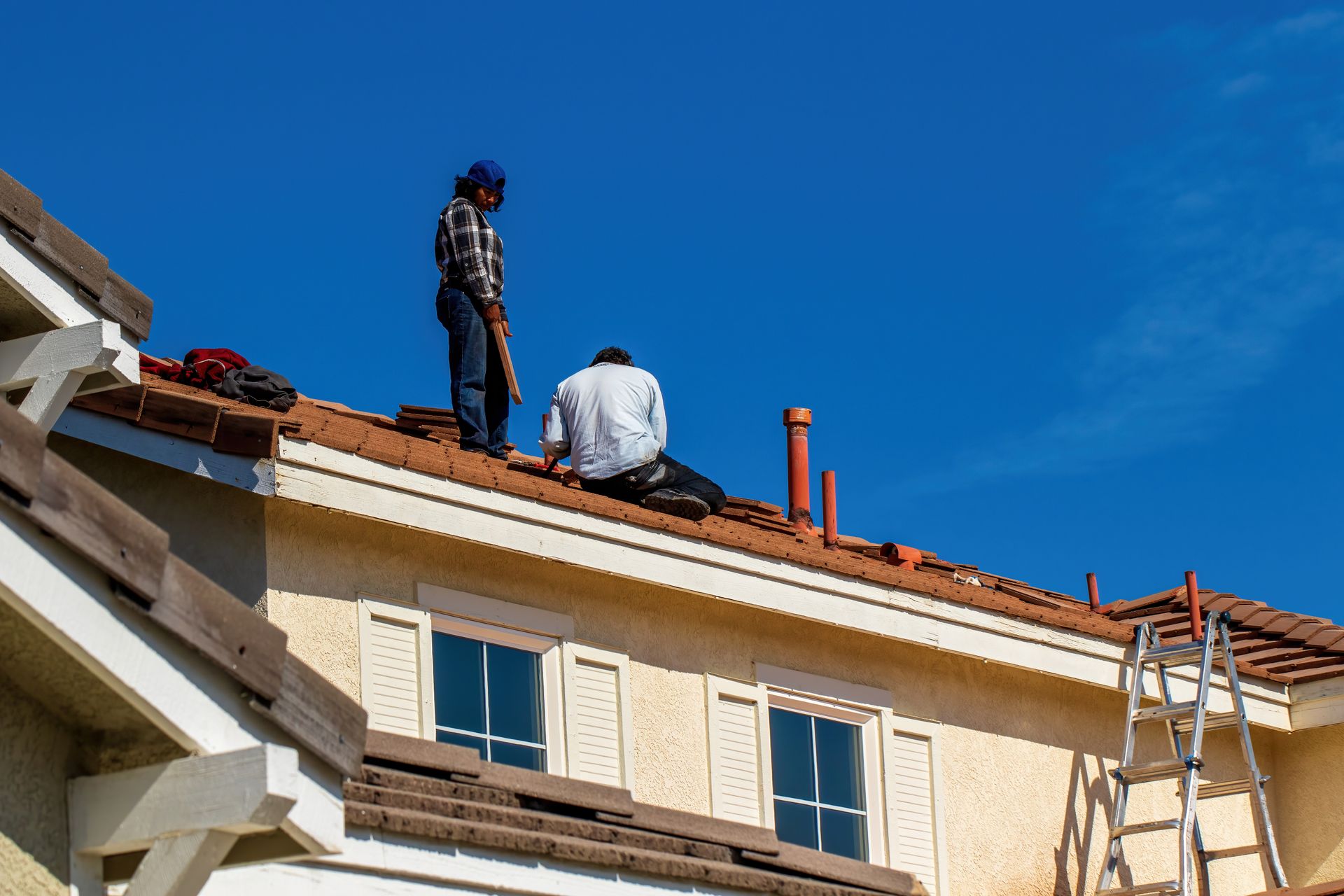
Choosing Roof Replacement After Florida Hurricane Landfall
.jpg)
How Florida Insurance, Wind Mitigation Credits, and Deductibles Affect Roof
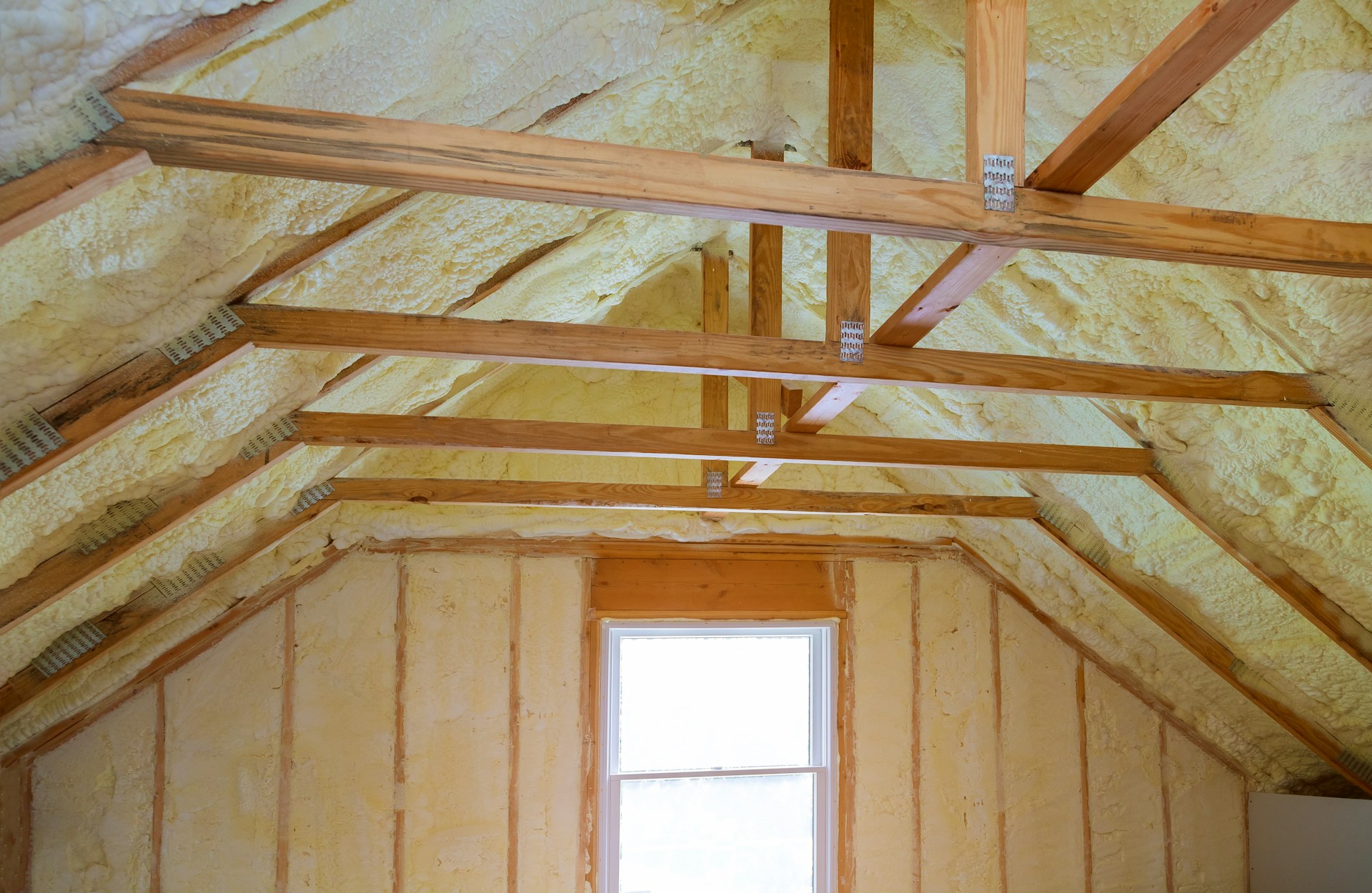
What Happens When Roof Leaks Reach Your Attic Insulation
.jpg)
Florida Rubber Roofing Myths Homeowners Should Stop Believing
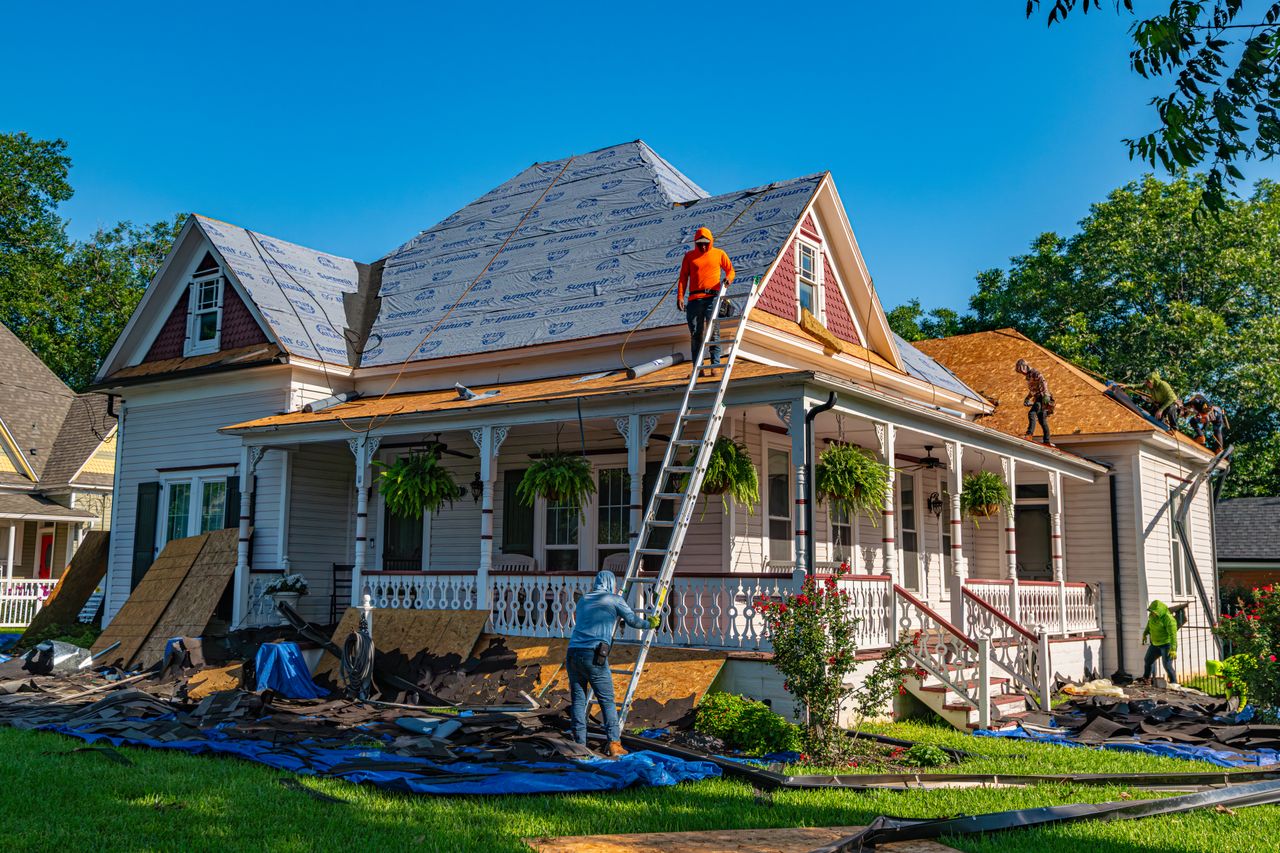
Storm Damage Roof Repairs Florida HOAs Often Underestimate
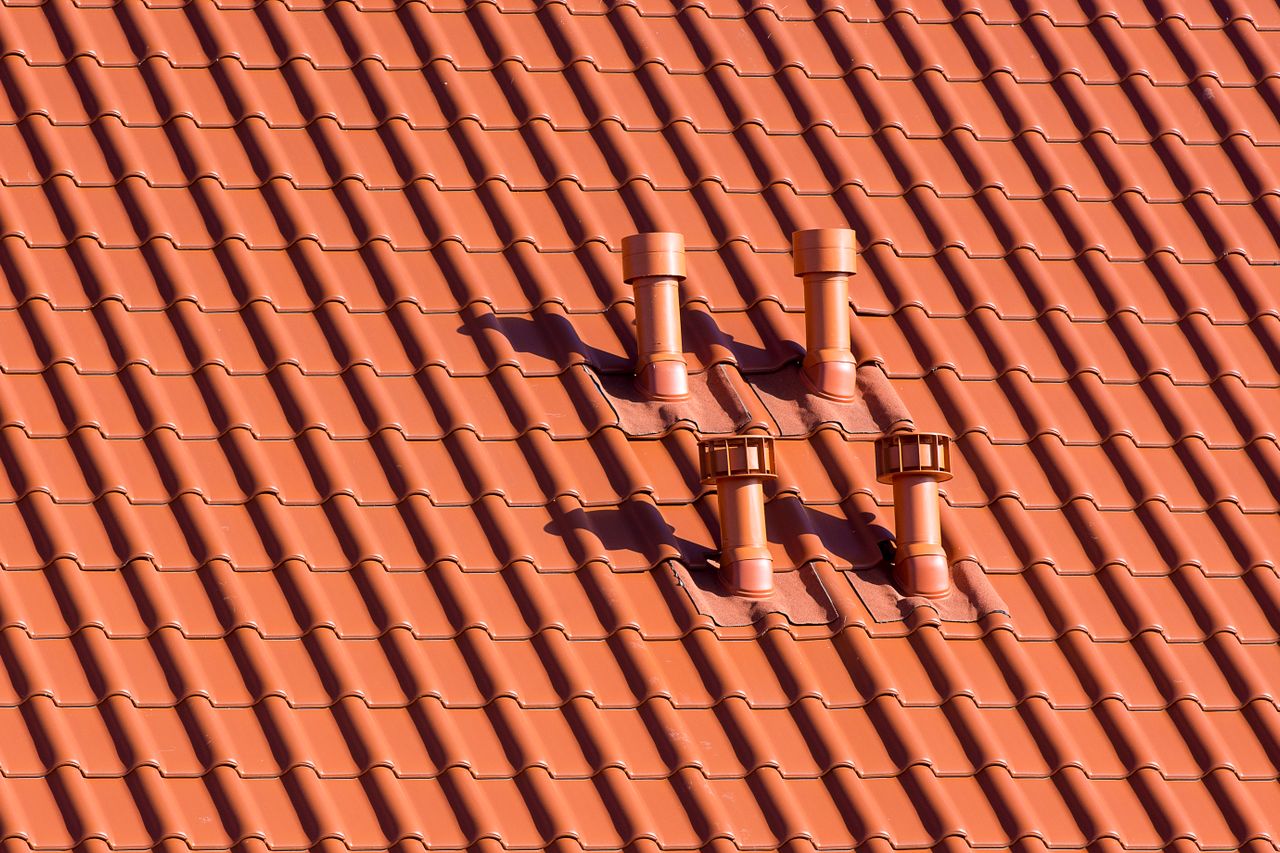
Questioning Roof Cleaning Services in Florida’s Humid Climate

Smart Roof Maintenance Plans for Florida Apartment Complexes
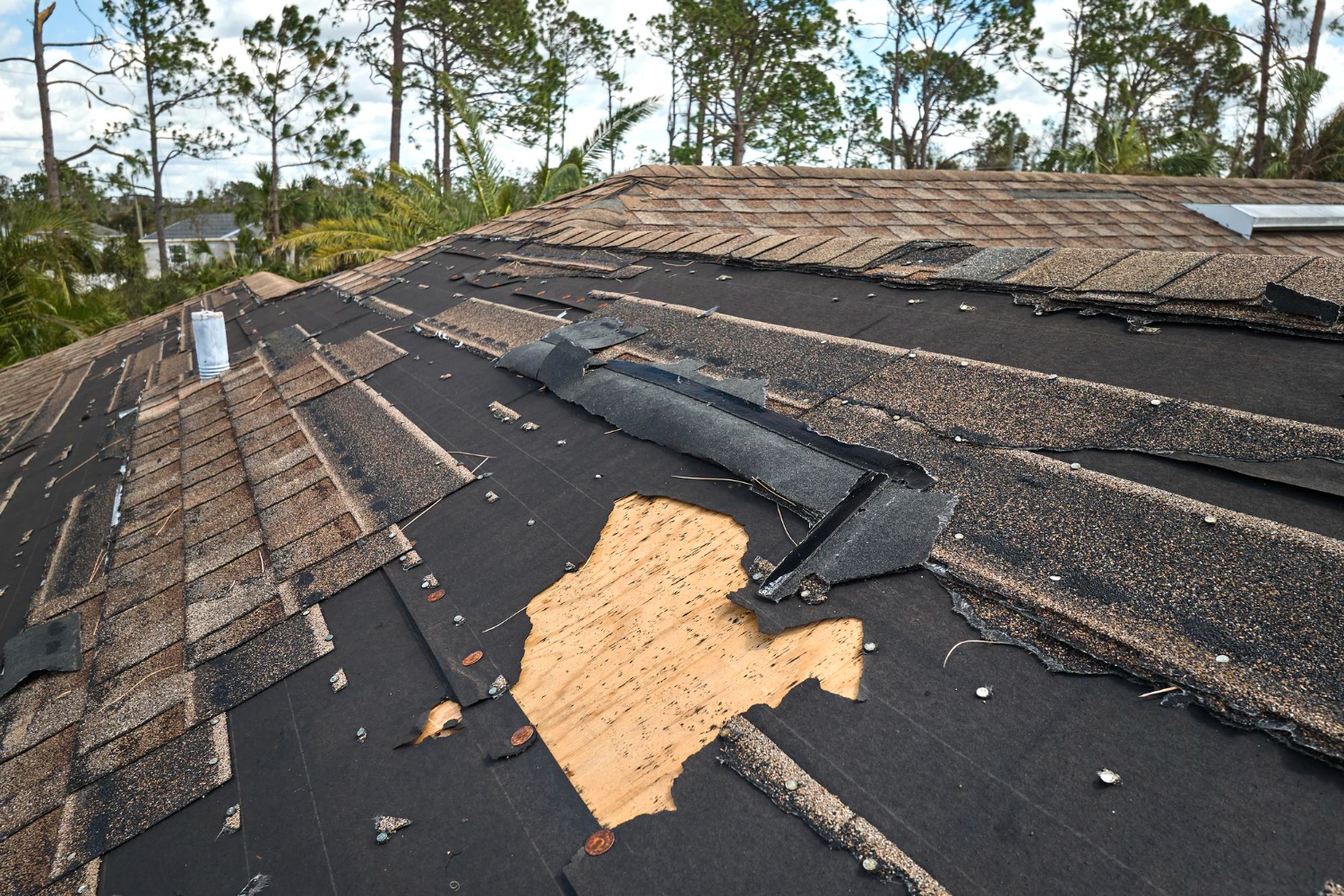
Hidden Cost Drivers in Florida Roof Replacements: Permits, Codes, Fees

Early-Morning Roof Leak Repair in Gainesville Summer Storms
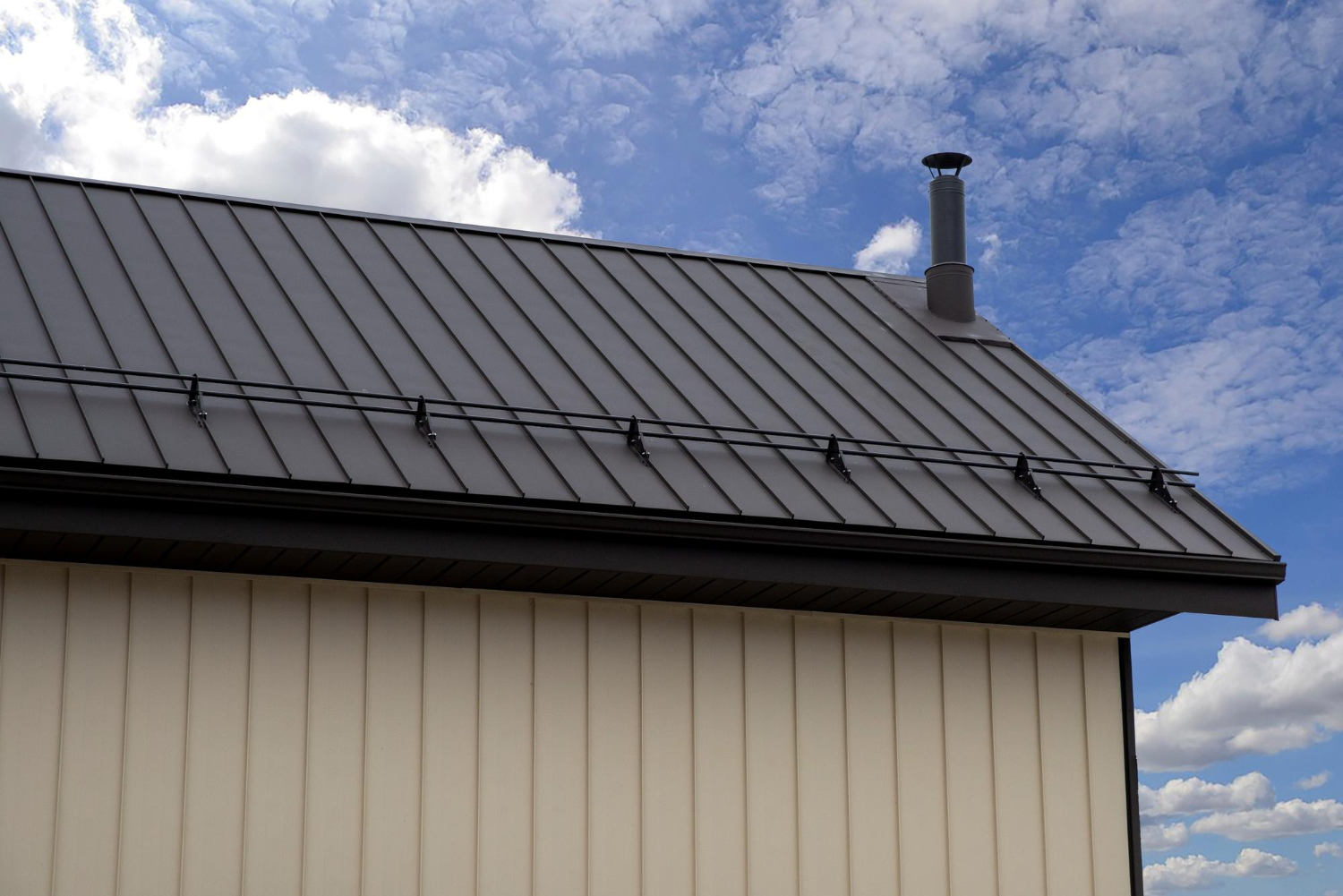
Is a Standing Seam Metal Roof Right for Florida Homes
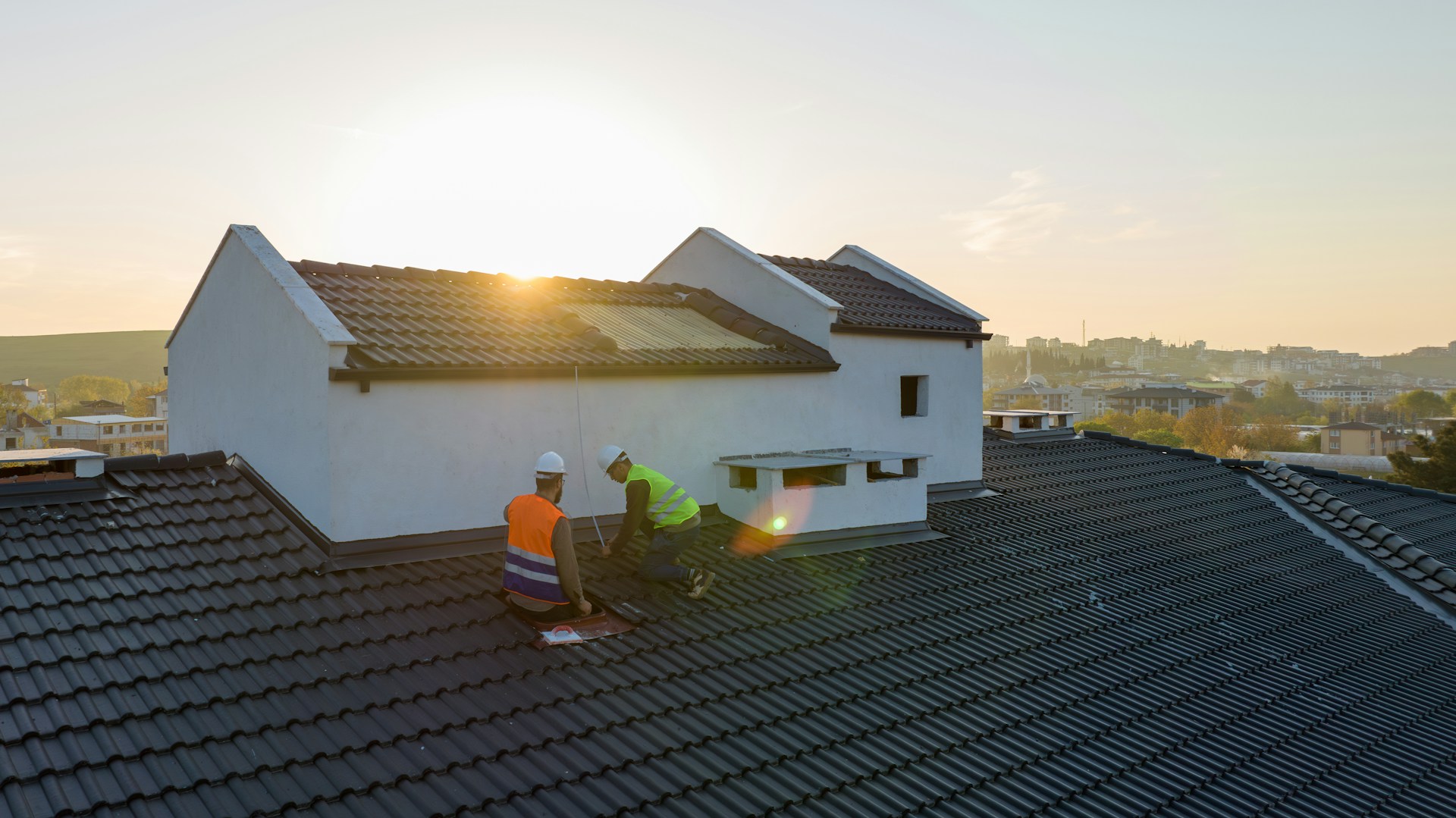
Questioning Your Roof Warranty in Florida’s Storm Belt
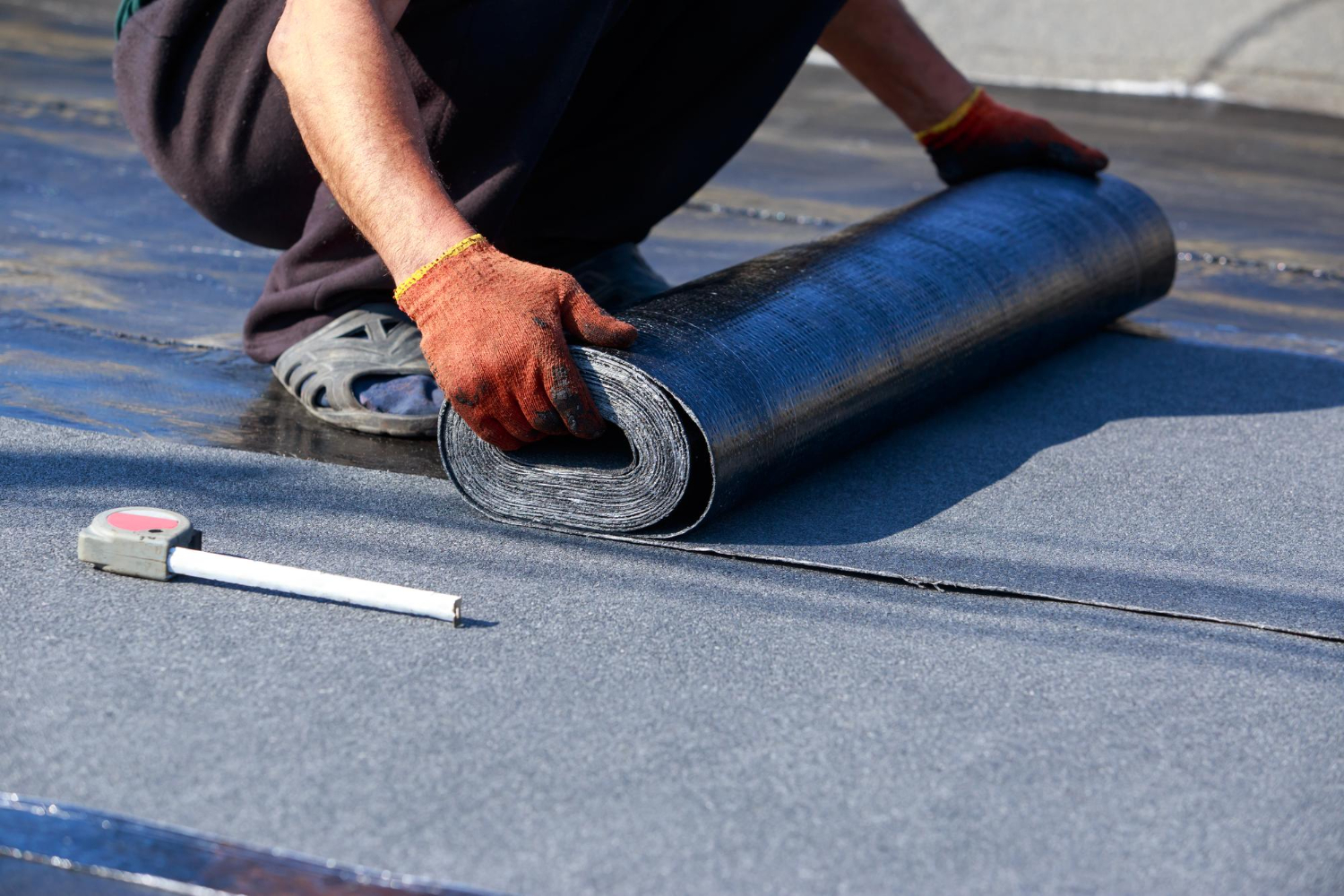
How to Choose Roof Underlayment and Waterproofing for Florida Weather
.jpg)
Why Gainesville Homebuyers Need a Dedicated Roofing Company Partner

What Gainesville Homeowners Miss in Post-Storm Roof Inspections
.jpg)
Summer Roof Maintenance Plans for Florida Homes

Roof Financing Options Florida Homeowners Should Understand

Pre-Listing Roof Inspection Tips for Gainesville Sellers
Florida Cracked Roof Tiles That Look Minor but Leak Big
Why Gainesville Roof Vent Leaks Start in the Attic First

Signs Your Florida Flat Roof Needs Professional Repair

Roof Tarping Emergency Steps for Florida Storm Nights
Understanding Hail Damage Roof Claims in Florida
.jpg)

Roof Insurance Claim Help for Florida Storm Seasons

Roof Ventilation Problems Florida Homeowners Overlook

When to Consider Roof Replacement in the Florida Climate
Ridge Vent Installation Guide for Better Attic Ventilation
Modified Bitumen Roofing For Flat & Low-Slope Buildings
GAF Timberline Shingles: Features, Cost, and Benefits

GAF Timberline HDZ: Complete Guide For Homeowners
EPDM Rubber Roofing: Benefits, Costs, and Installation
Dimensional Shingles: Boost Curb Appeal And Roof Protection

Clay Tile Roofing: Benefits, Costs, And Lifespan Guide

Chimney Flashing Repair: Stop Chimney Leaks Fast

Built-Up Roofing Guide for Flat Commercial Roofs
Best Roofing Material for Florida Homes: 2026 Guide

Why Attic Ventilation Matters For A Healthier Home

Standing Seam Metal Roof: Benefits, Cost, and Installation

Same Day Roof Repair: Fast Emergency Solutions For Your Home
Roofing Contractors In Ocala, FL: How To Choose With Confidence
Roofing Company In Ocala, FL: How To Choose A Trusted Pro
Roofers Gainesville, FL: How To Choose A Trusted Pro

Roof Repair In Ocala, FL: How To Choose A Trusted Contractor

Roof Repair In Gainesville, FL: Fast Help For Storms

Metal Roofing In Gainesville, FL: Durable Roofs That Cut Bills
Why Hiring A GAF Master Elite Roofer Matters

Corrugated Metal Roofing: Durable, Affordable Roof Guide

Best Shingles for Florida: Top Hurricane-Resistant Options

Architectural Shingles: Durable, Stylish Roofing Guide
24/7 Roof Repair: Fast Emergency Help When You Need It

.svg)


.svg)
.svg)
.svg)
.svg)
