Roof Tarping Emergency Steps for Florida Storm Nights

Stay Safe and Dry When Storms Hit Overnight
When a Florida storm hits in the middle of the night, things can change in seconds. High winds slam the roof, heavy rain starts pounding, and then you hear it: water dripping inside your home. In that moment, you are not thinking about long-term roof work. You just want the leaks to stop and your family to stay safe.
Fast action matters because water does not wait. Left alone, a small leak can turn into soaked drywall, damaged floors, mold growth, and even structural problems. Emergency roof tarping is a temporary shield that helps hold back the rain until a licensed roofing contractor can repair or replace the damaged area.
At Energy Roofing Companies, we work with homes and businesses across Florida, Georgia, and Alabama, so we know stormy nights are a part of life here. In this guide, we will walk through what to do right away inside your home, how to think about roof access, basic steps for emergency roof tarping, and how to protect your property and insurance claim after severe weather.
First 30 Minutes After Damage: What to Do Indoors
Your first job is simple: keep people safe and keep as much water as possible away from your belongings. Start indoors before you think about going outside or up on the roof.
Move quickly but stay calm. Focus on these tasks:
- Move people and pets away from any active leaks
- Shift electronics and valuables to a dry room
- Watch for sagging or bowed ceilings
- Stay clear of water near light fixtures or outlets
If you see water dripping from a ceiling or pooling in one area, set out buckets, plastic bins, or any clean container you have. Lay towels or old blankets around the edges to catch splashes. If ceiling paint or drywall is bulging, it often means water is building up above it. With a bucket in place underneath, you can carefully poke a small hole in the center of the bulge to release the water in a controlled way. This can lower the chance of a full ceiling collapse.
Electricity and water are a bad mix, especially at night when visibility is low. If water is close to light fixtures, fans, or outlets, turn off power to that room at the breaker box if you can do it safely. Do not touch wet switches or cords.
While you are doing all this, start documenting what you see. Use your phone to take:
- Photos of leaks, stains, and wet floors
- Short videos showing water dripping or running
- Pictures of any damaged furniture, rugs, or electronics
Try to capture the date and time or keep notes so you have a clear record for your insurance company later. As soon as you are able, contact a licensed roofing contractor to report the damage, and if you suspect major structural issues, contact emergency services before you move around under damaged areas.
When It Is Safe to Climb: Roof Access and Risk Checks
Storms in our region can stay intense, with gusty winds and lightning that come in waves. You should never rush onto the roof while the storm is still active. Wait until:
- Lightning has stopped in your area
- Winds have calmed down
- Heavy rain has eased up
Before you even think about a ladder, walk your yard and look around. If you see downed power lines, smoking wires, or sparks, stay far away and report it right away. Look for hanging tree limbs, broken branches on the roof, or scattered debris that could fall or shift. If any part of the roof looks twisted, sunken, or badly warped, stay off it. That can mean the structure is damaged, and it is not worth the risk.
If conditions are calm and the structure appears sound, you can prepare for careful roof access. Use a sturdy ladder set at a safe angle on flat, solid ground. Have another adult hold the ladder at the bottom. Wear slip-resistant shoes with good grip, along with gloves, eye protection, and long sleeves.
Even with all that, there are times when you should not go up at all, such as:
- Ongoing rain that makes the roof slick
- Strong gusts of wind, even if the sky looks clear
- Visible cracks, dips, or broken framing
If that is the case, stay on the ground and let professionals handle the emergency roof tarping. You can still do a lot from the yard. With a flashlight and binoculars, scan the roof for missing shingles, exposed underlayment, or visible holes. Make mental notes or jot them down so you can describe the damage clearly when you speak with a roofing company.
Step-by-Step Guide to Emergency Roof Tarping
If it is safe and you feel comfortable taking basic steps, emergency roof tarping can help prevent more water from coming inside. Treat this as a short-term shield, not a repair.
First, gather simple materials you may already have or keep in a storm kit:
- Heavy-duty tarp, larger than the damaged area
- 2x4 boards or similar strips of wood
- Exterior-rated nails or screws
- Roofing-friendly fasteners
- Duct tape and sturdy work gloves
Start by finding the highest point of visible damage. Position the tarp so it reaches well above that spot and, when possible, crosses over the roof peak. The goal is for water to flow over the tarp and off the roof, not sneak underneath. The tarp should extend several feet past all sides of the damaged area.
To secure the tarp without creating more problems, avoid driving nails or screws through shingles that are still in good shape. A better approach is to roll the tarp edge around a 2x4 board, then fasten the board directly into the roof decking or along the eaves. Do this along the top edge first, then the sides, then the bottom. This setup helps keep the tarp tight and reduces flapping edges.
In late spring and into summer, overnight winds can stay strong even after the rain slows down. Take time to:
- Pull the tarp tight in all directions
- Smooth out large wrinkles or folds
- Check edges for loose, flapping sections
- Add extra boards where needed for support
Any edge that can catch the wind is more likely to rip or peel back, so spending a few extra minutes here can make a big difference until a roofer arrives.
Protecting Your Home and Insurance Claim Overnight
Emergency roof tarping is not just about staying dry. Many insurance policies expect homeowners to take reasonable steps to protect their property after a storm. Showing that you tried to limit damage can help your claim go more smoothly.
Keep your documentation going as you work. Take clear photos of:
- Roof damage before you place the tarp
- The tarp in place once it is secured
- Buckets, plastic sheets, and anything used inside to catch water
Hold onto receipts for tarps, boards, fasteners, and any other temporary supplies. If you bring in a professional for emergency roof tarping, keep their paperwork in one place too.
When things are stable and safe, contact your insurance company to open a claim. Be ready to explain:
- When the storm hit and when you noticed damage
- Where the leaks showed up inside your home
- What steps you took to limit further damage
Remember that tarps are only meant to buy time. They are not built to last through weeks of sun, humidity, and repeated storms. Schedule a full roof inspection and long-term repair or replacement as soon as you can, especially during active storm season when the next system may already be building offshore.
Call the Pros Before the Next Storm Rolls in
Emergency roof tarping is a short-term safety measure, not a long-term fix. In our warm, storm-prone region, another round of heavy rain can arrive while you are still cleaning up from the last one. Leaving a tarp on for too long can lead to wear, small tears, or water sneaking in around the edges.
A licensed, insured roofing contractor can inspect the full roof system, check the decking under the surface, and plan the permanent repairs your home needs. At Energy Roofing Companies, we handle residential and commercial roofing across Florida, Georgia, and Alabama, and we see how much stress is lifted when a professional team steps in after a rough storm night.
One of the best things you can do is prepare before the next storm line forms. Simple steps like:
- Saving a trusted roofing company’s number in your phone
- Keeping a basic storm kit with a tarp, boards, flashlight, and batteries
- Scheduling a pre-season roof inspection to catch weak spots early
can make a late-night emergency less scary. With fast action, safe choices, and the right support, you can greatly cut down on damage, protect your home, and rest a little easier when the wind starts howling after dark.
Protect Your Home With Fast, Reliable Emergency Roof Help
When a storm or sudden leak puts your home at risk, you cannot afford to wait. At Energy Roofing Companies, we provide rapid emergency roof tarping to help minimize damage and keep your property secure. Reach out so we can assess the situation, stabilize your roof, and recommend the right repair plan for your home. For immediate assistance, contact us today.
Related posts

Apartment Complex Roofing Decisions Property Managers Regret

What Gainesville Roofers Recommend Before Your First Skylight Installation
Questioning Roof Coating Services for Florida Flat Roofs
Choosing Roof Replacement After Florida Hurricane Landfall
.jpg)
How Florida Insurance, Wind Mitigation Credits, and Deductibles Affect Roof
What Happens When Roof Leaks Reach Your Attic Insulation
.jpg)
Florida Rubber Roofing Myths Homeowners Should Stop Believing
Storm Damage Roof Repairs Florida HOAs Often Underestimate

Questioning Roof Cleaning Services in Florida’s Humid Climate

Smart Roof Maintenance Plans for Florida Apartment Complexes
Hidden Cost Drivers in Florida Roof Replacements: Permits, Codes, Fees

Early-Morning Roof Leak Repair in Gainesville Summer Storms
Is a Standing Seam Metal Roof Right for Florida Homes
Questioning Your Roof Warranty in Florida’s Storm Belt
How to Choose Roof Underlayment and Waterproofing for Florida Weather
.jpg)
Why Gainesville Homebuyers Need a Dedicated Roofing Company Partner

What Gainesville Homeowners Miss in Post-Storm Roof Inspections
.jpg)
Summer Roof Maintenance Plans for Florida Homes

Roof Financing Options Florida Homeowners Should Understand

Pre-Listing Roof Inspection Tips for Gainesville Sellers
Florida Cracked Roof Tiles That Look Minor but Leak Big
Why Gainesville Roof Vent Leaks Start in the Attic First

Signs Your Florida Flat Roof Needs Professional Repair
Roof Tarping Emergency Steps for Florida Storm Nights
Understanding Hail Damage Roof Claims in Florida
.jpg)

Roof Insurance Claim Help for Florida Storm Seasons

Roof Ventilation Problems Florida Homeowners Overlook

When to Consider Roof Replacement in the Florida Climate
Ridge Vent Installation Guide for Better Attic Ventilation
Modified Bitumen Roofing For Flat & Low-Slope Buildings
GAF Timberline Shingles: Features, Cost, and Benefits

GAF Timberline HDZ: Complete Guide For Homeowners
EPDM Rubber Roofing: Benefits, Costs, and Installation
Dimensional Shingles: Boost Curb Appeal And Roof Protection

Clay Tile Roofing: Benefits, Costs, And Lifespan Guide

Chimney Flashing Repair: Stop Chimney Leaks Fast

Built-Up Roofing Guide for Flat Commercial Roofs
Best Roofing Material for Florida Homes: 2026 Guide

Why Attic Ventilation Matters For A Healthier Home

Standing Seam Metal Roof: Benefits, Cost, and Installation

Same Day Roof Repair: Fast Emergency Solutions For Your Home
Roofing Contractors In Ocala, FL: How To Choose With Confidence
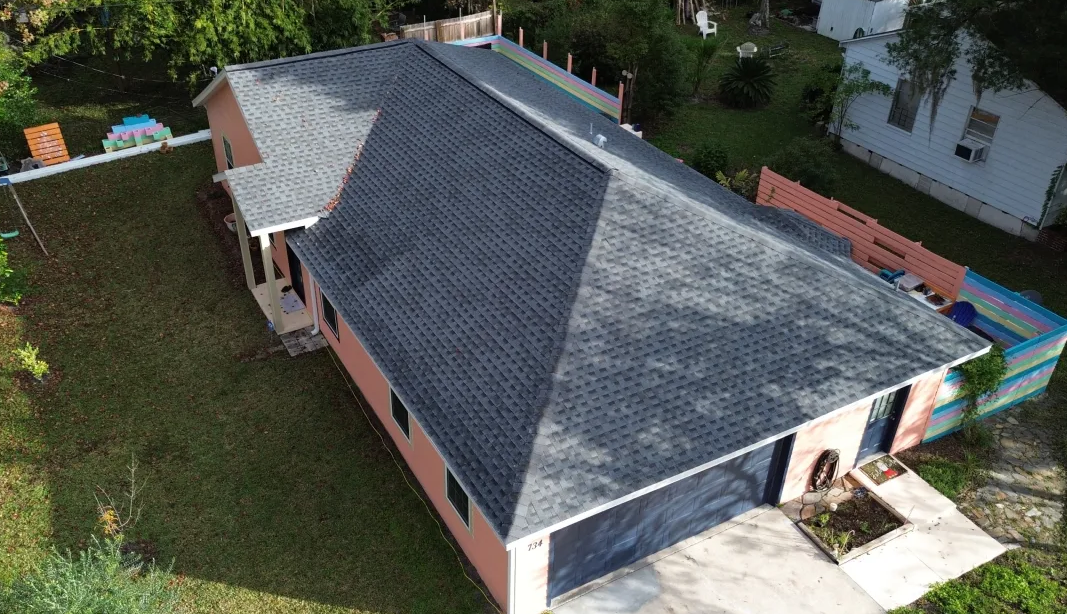
Roofing Company In Ocala, FL: How To Choose A Trusted Pro
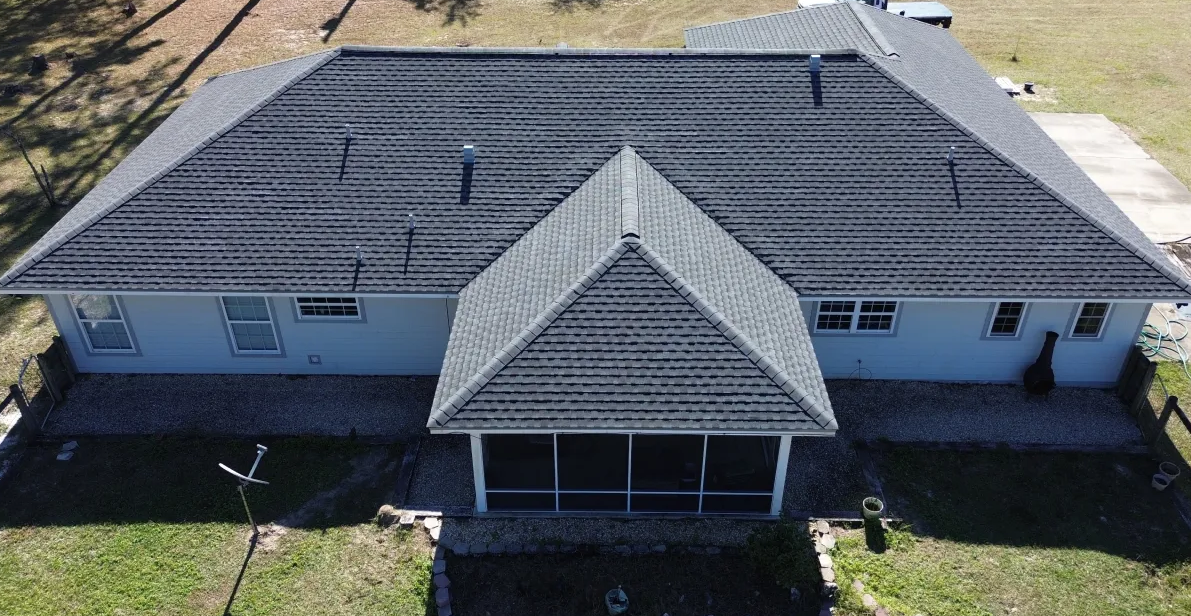
Roofers Gainesville, FL: How To Choose A Trusted Pro

Roof Repair In Ocala, FL: How To Choose A Trusted Contractor

Roof Repair In Gainesville, FL: Fast Help For Storms

Metal Roofing In Gainesville, FL: Durable Roofs That Cut Bills
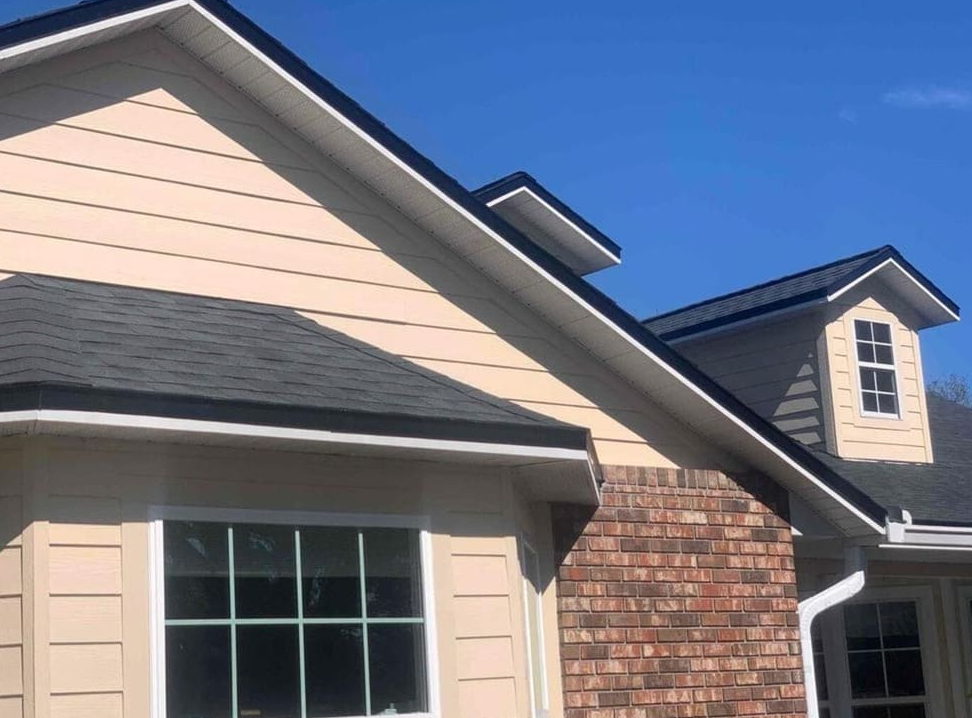
Why Hiring A GAF Master Elite Roofer Matters

Corrugated Metal Roofing: Durable, Affordable Roof Guide

Best Shingles for Florida: Top Hurricane-Resistant Options

Architectural Shingles: Durable, Stylish Roofing Guide
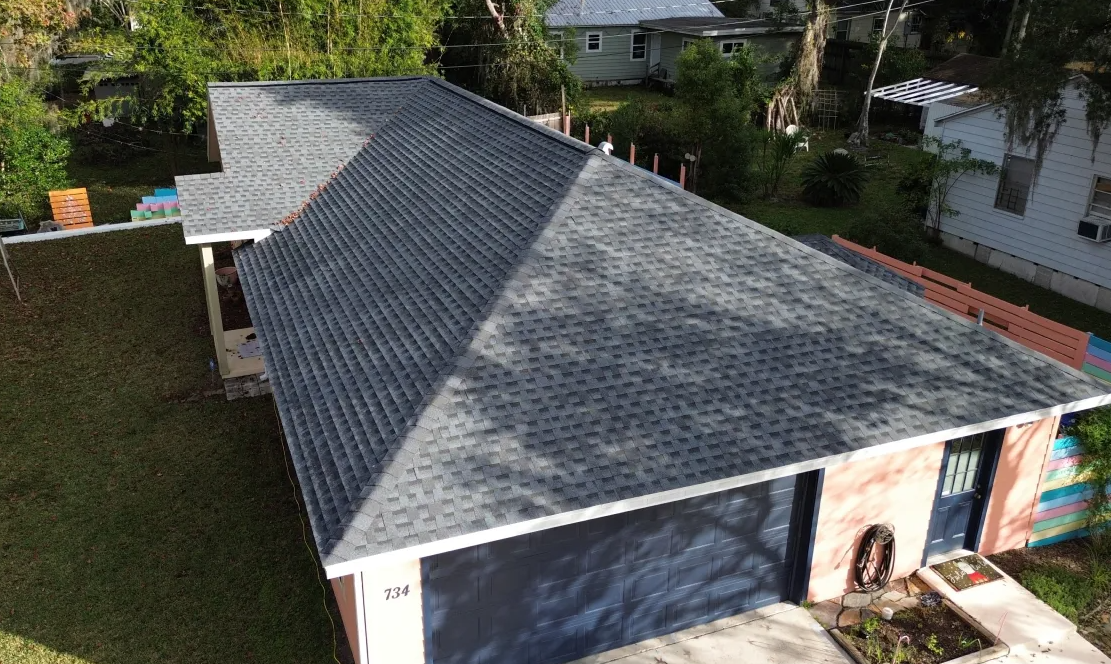
24/7 Roof Repair: Fast Emergency Help When You Need It

.svg)


.svg)
.svg)
.svg)
.svg)
