Corrugated Metal Roofing: Durable, Affordable Roof Guide

If you want a roof that lasts for decades without constant repairs, corrugated metal roofing is worth considering. Many homeowners struggle with materials that wear out quickly, leak during storms, or require frequent replacement.
At Energy Roofing Companies, homeowners often ask about roofing options that balance durability, cost, and long-term protection. Corrugated metal roofing stands out because it is lightweight, weather-resistant, and can last far longer than many traditional roofing materials.
In this article, you will learn what corrugated metal roofing is, the materials used to make it, its advantages, installation basics, design options, and maintenance tips. By the end, you will have a clear understanding of whether this roofing system fits your property and long-term goals.
What Is Corrugated Metal Roofing?
Corrugated metal roofing uses metal sheets shaped into repeating waves or ridges, creating a distinctive appearance. The shape strengthens the panels compared with flat metal sheets while keeping them lightweight and cost-effective.
The ridges, called corrugations, run vertically along the panel. This design helps water drain quickly and prevents pooling. It also allows panels to span longer distances without bending or sagging.
These panels are considerably lighter than many traditional roofing materials, such as clay tiles or asphalt shingles. In some cases, they can be installed over an existing roof structure without adding excessive weight.
Although the corrugated design dates back to the 1800s, it is still widely used on homes, barns, sheds, and commercial buildings.
Types Of Corrugated Metal Roofing Panels
Several panel styles are available when choosing corrugated metal roofing. Each has a slightly different appearance and structural performance. The traditional corrugated panel features rounded waves that create the classic wavy look.
R-panel roofing uses wider, shallower ribs and often provides a more modern appearance. These panels are commonly 36 inches wide and are frequently used on residential buildings.
PBR panels (Purlin Bearing Rib) include deeper ribs that provide additional support. They are commonly used for structures that require higher load capacity.
U-panel roofing has square ribs that produce a more industrial style. This profile can work well on modern homes or commercial properties.
Panel widths typically range from 26 to 36 inches, and some panels can be manufactured up to 40 feet long. This flexibility allows installers to cover large areas efficiently.
Materials Used In Corrugated Roofing
Most corrugated metal roofing panels are made from steel or aluminum, although other materials are also available.
Galvanized steel is one of the most common options. The steel is coated with zinc to resist rust, and properly maintained panels can last 40 to 60 years.
Aluminum roofing panels naturally resist corrosion, which makes them especially useful in coastal environments. They are lighter than steel but typically cost more.
Galvalume steel combines aluminum and zinc coatings to provide enhanced corrosion protection. Many manufacturers offer extended warranties with this material.
For premium applications, copper roofing panels provide a distinctive appearance and can last more than 100 years. Over time, the surface develops a natural green patina.
Most corrugated panels are finished with protective paint or powder coatings. These finishes protect the metal while also offering a wide range of color options.
Advantages Of Corrugated Metal Roofing
There are several reasons homeowners and property owners choose corrugated metal roofing. The material offers durability, weather protection, energy efficiency, and relatively simple maintenance.
Durability And Longevity
A properly installed corrugated metal roof can last between 40 and 70 years, depending on the material used. By comparison, asphalt shingles often need replacement after 15 to 20 years.
The corrugated design increases structural strength. The ridges help the panels maintain their shape even when exposed to heavy loads or temperature changes.
Metal panels also resist many problems that affect other roofing materials. They do not rot, attract insects, or develop mildew. Protective coatings help prevent rust and corrosion, which further extends the roof's lifespan.
Weather Resistance
Corrugated metal roofing performs well during severe weather conditions. Many systems can withstand wind speeds between 120 and 140 mph when properly installed. The panels are secured with specialized fasteners that hold them firmly to the roof structure.
Snow tends to slide off metal roofs rather than accumulating. This reduces stress on the roof framing.
The corrugated profile also directs rainwater away efficiently. Water flows through the valleys between ridges and drains quickly. Metal roofing also provides excellent fire resistance because metal panels do not ignite.
Energy Efficiency
Metal roofs reflect a significant portion of the sun's heat. This helps reduce attic temperatures and keeps interior spaces cooler during the summer.
In some climates, reflective roofing systems can reduce cooling costs by 10 to 25 percent. Lighter-colored finishes generally reflect the most heat.
The air gap between the metal panels and the roof deck can also help slow heat transfer. During colder months, proper insulation beneath the roof helps maintain indoor temperatures.
Low Maintenance Requirements
One major benefit of corrugated metal roofing is that it requires minimal ongoing maintenance. Most roofs only need an annual inspection and occasional cleaning to remain in good condition.
Leaves and debris should be removed from valleys and gutters once or twice each year. This prevents water from collecting in low areas.
It is also helpful to check fasteners and sealants periodically. Tightening loose screws and touching up scratches helps prevent corrosion. Compared with many traditional roofing systems, repairs are relatively uncommon.
Installation Process For Corrugated Metal Roofing
Installing corrugated metal roofing requires careful planning, the proper tools, and attention to detail. Smaller structures, such as sheds, may be completed in a weekend, while larger buildings require more time.
Preparation And Planning
The installation process begins with accurate roof measurements. Multiply the length and width of each roof section and add about 10 percent extra material to account for cuts and overlaps.
Inspect the roof deck for damage before installation begins. Any rotted or weakened boards should be replaced to ensure a stable base.
Next, plan the panel layout starting at the roof edge opposite the prevailing wind direction. This helps prevent rain from being forced beneath the seams. Mark the locations of the rafters on the deck so that fasteners can be placed accurately.
Required Tools And Materials
Essential Tools
- Drill with magnetic bit holder
- Tin snips or a circular saw with a metal-cutting blade
- Tape measure and chalk line
- Safety glasses and gloves
- Ladder or scaffolding
Materials Needed
- Corrugated metal panels
- Metal roofing screws with rubber washers
- Ridge caps and trim pieces
- Closure strips (foam or metal)
- Roofing underlayment or felt paper
Fasteners are typically installed about one screw per foot along each rib where it crosses a rafter. Screws should penetrate the roof deck by at least one inch.
Step-By-Step Installation Guide
Installation usually begins with a layer of roofing underlayment across the deck. This adds an additional barrier against moisture. Closure strips are then installed along the eaves to seal the gaps beneath the panels. These pieces block debris and insects while allowing ventilation.
The first panel is positioned at the lower corner of the roof and allowed to overhang the edge by one to two inches. Proper alignment is important because the first panel determines the placement of the rest.
Fasteners are installed through the high points of the corrugation and into the rafters. Screws are generally spaced about 12 inches apart along each rafter line.
The next panel overlaps the first by one or two corrugations, depending on the roof slope. Steeper roofs require less overlap. Each additional row should include about six inches of vertical overlap at the seams. Panels are trimmed as needed to fit the roof layout.
Once the panels reach the peak, ridge caps are installed along the roof ridge. Fasteners are placed every 12 inches to secure the caps and ensure water flows away from the seam.
Design Options And Customization
Many homeowners are surprised by the variety of design choices available with corrugated metal roofing. Panels are available in numerous colors, profiles, and finishes.
Popular Colors And Finishes
Corrugated roofing panels come in a wide range of colors, including classic grays, browns, reds, and greens. Neutral shades such as charcoal, slate gray, and bronze remain popular because they blend easily with most exterior styles.
Lighter colors like white or tan reflect more sunlight and can improve energy efficiency. Three common finish types are available. Silicone-based coatings provide strong weather resistance. PVDF coatings offer exceptional fade resistance. Polyester coatings provide a more economical option while still offering durability.
Galvanized metal panels feature a bright silver finish that works well for agricultural buildings or modern architectural styles. Textured finishes are also available, including matte surfaces designed to reduce glare.
Profiles And Patterns
The traditional corrugated profile features rounded waves spaced roughly 2.5 inches apart:
- R-panel roofing uses square ribs that create a more structured appearance.
- PBR panels typically have ribs spaced about nine inches apart and can span longer distances without additional support.
- U-panel roofing features deep, square channels that create a bold industrial look.
Panel profile influences both appearance and performance. Deeper ribs generally provide greater structural strength.
Compatibility With Different Roof Slopes
Corrugated metal roofing works best on roofs with slopes of 3:12 or greater. A 3:12 slope means the roof rises three inches for every 12 inches of horizontal run. This is usually considered the minimum slope for corrugated panels.
Roofs with a pitch between 3:12 and 4:12 often require sealed overlaps and specialized underlayment to reduce the risk of leaks.
Steeper roofs with a pitch between 4:12 and 12:12 allow water to drain quickly and are ideal for metal roofing. Roofs with slopes below 3:12 are generally better suited to standing-seam metal systems.
Common Applications For Corrugated Metal Roofing
Because of its strength and versatility, corrugated metal roofing is used on many different types of buildings.
Residential Uses
Homeowners often install corrugated metal roofing on houses, garages, and accessory structures. The material works particularly well on modern and farmhouse-style homes. It is also commonly used for porches, patio covers, and gazebos.
Because the panels are lightweight, they are well-suited for smaller structures such as sheds, workshops, and garden buildings.
With a variety of finishes and colors available, homeowners can easily match the roof to their exterior design. Installation is also faster than many traditional roofing systems, which can help reduce labor costs.
Commercial And Industrial Buildings
Large buildings such as warehouses and manufacturing facilities often use corrugated metal roofing. The panels can span wide distances while maintaining structural strength.
Retail buildings, storage facilities, and service centers also use this material because it allows for quick installation and long-term durability. Metal roofing reflects solar heat, which can help reduce cooling costs in large commercial spaces.
Agricultural Structures
Agricultural buildings frequently rely on corrugated metal roofing because it is durable and cost-effective. Barns, livestock shelters, and equipment storage buildings benefit from the material's moisture resistance.
Metal roofing also reduces fire risk because it does not ignite like some other roofing materials. Snow and rain slide off easily, which helps maintain structural stability. If a panel becomes damaged, it can typically be replaced individually without affecting the rest of the roof.
Maintenance And Longevity
Routine care helps ensure your corrugated metal roofing system performs well for decades.
Routine Cleaning Tips
Cleaning your roof twice per year can help prevent debris buildup that may shorten its lifespan. Begin by removing loose debris such as leaves and branches with a soft broom or leaf blower. A pressure washer can remove stubborn dirt, but the pressure should stay below 1,500 PSI to avoid damaging protective coatings.
For stains or algae, use a mild detergent mixed with water and gently scrub affected areas. After cleaning, inspect fasteners and panel seams for signs of movement or wear. Trimming nearby tree branches also helps prevent scratches and the accumulation of debris.
Preventing And Repairing Corrosion
Corrosion is the most common threat to metal roofing systems. Inspect the roof every six months for rust around fasteners, cut edges, and scratches. Small rust spots can be treated by lightly sanding the area, applying a rust-inhibiting primer, and covering it with matching paint.
Common areas where corrosion can develop include:
- Fastener holes and exposed screws
- Cut panel edges at ridges and eaves
- Areas where water may collect
- Scratches caused by branches
Homes located near coastal areas may require additional cleaning to remove salt buildup. Quickly touching up damaged coatings helps protect the underlying metal.
Long-Term Performance Expectations
The lifespan of corrugated metal roofing depends largely on the material used and the quality of installation:
- Galvanized steel roofs typically last 25 to 40 years with proper care.
- Aluminum roofing systems often last 40 to 50 years because they naturally resist corrosion.
- Copper and zinc roofs can last 60 years or longer under favorable conditions.
Climate also affects performance. Coastal areas and humid environments can shorten roof lifespan by 20 to 30 percent. Professional installation plays a major role as well. Proper fasteners, ventilation, and flashing details help maximize durability.
Choosing A Roofing System Built For Long-Term Protection
A well-installed corrugated metal roofing system can provide decades of dependable protection. Its strength, weather resistance, and efficiency make it a practical option for many property types.
Homeowners across North Central Florida often choose Energy Roofing Companies because of their experience, transparency, and award-winning service. As a GAF Master Elite® contractor, the team helps guide homeowners through materials, warranties, and installation planning.
If you are considering a metal roofing upgrade, a professional inspection can help you determine whether corrugated metal roofing is the right fit for your property. Schedule a free inspection or call 855-766-3852 to speak with a roofing specialist today.
Frequently Asked Questions
How Long Does Corrugated Metal Roofing Last?
A properly installed corrugated metal roofing system can last between 40 and 70 years, depending on the material used and the environment. Steel panels typically last several decades, while aluminum and copper options can last even longer.
Regular inspections and basic maintenance, such as clearing debris and checking fasteners, help extend the roof’s lifespan.
Is Corrugated Metal Roofing Noisy During Rain?
Many people assume corrugated metal roofing is loud during rain, but modern installation methods reduce this issue significantly. When panels are installed with proper underlayment and attic insulation, the sound level is often similar to that of other roofing materials. The roof deck, insulation, and interior ceilings help absorb most of the noise.
Can Corrugated Metal Roofing Be Installed Over Existing Shingles?
In some cases, corrugated metal roofing can be installed over an existing asphalt shingle roof. This depends on the condition of the existing structure and local building codes. A professional inspection is important to confirm that the roof deck is strong enough and that proper ventilation and moisture barriers can be installed.
Is Corrugated Metal Roofing Energy Efficient?
Yes, corrugated metal roofing can help improve energy efficiency. Metal panels reflect solar heat instead of absorbing it, which helps keep attic temperatures lower during hot weather. Reflective coatings and lighter colors can further improve this effect, potentially reducing cooling costs.
Does Corrugated Metal Roofing Rust Over Time?
Modern corrugated metal roofing panels are designed with protective coatings that resist rust and corrosion. Materials such as galvanized steel and Galvalume include protective layers that shield the metal from moisture.
Regular inspections and quick repairs of scratches or damaged coatings help prevent corrosion from developing.
Is Corrugated Metal Roofing Suitable For Residential Homes?
Yes, corrugated metal roofing works well on many residential properties. It is commonly used on modern, farmhouse, and rustic-style homes, as well as garages, sheds, and patio structures.
With many colors, finishes, and panel styles available, homeowners can choose a design that matches their exterior style.
Related posts
Apartment Complex Roofing Decisions Property Managers Regret
What Gainesville Roofers Recommend Before Your First Skylight Installation
Questioning Roof Coating Services for Florida Flat Roofs
Choosing Roof Replacement After Florida Hurricane Landfall
.jpg)
How Florida Insurance, Wind Mitigation Credits, and Deductibles Affect Roof
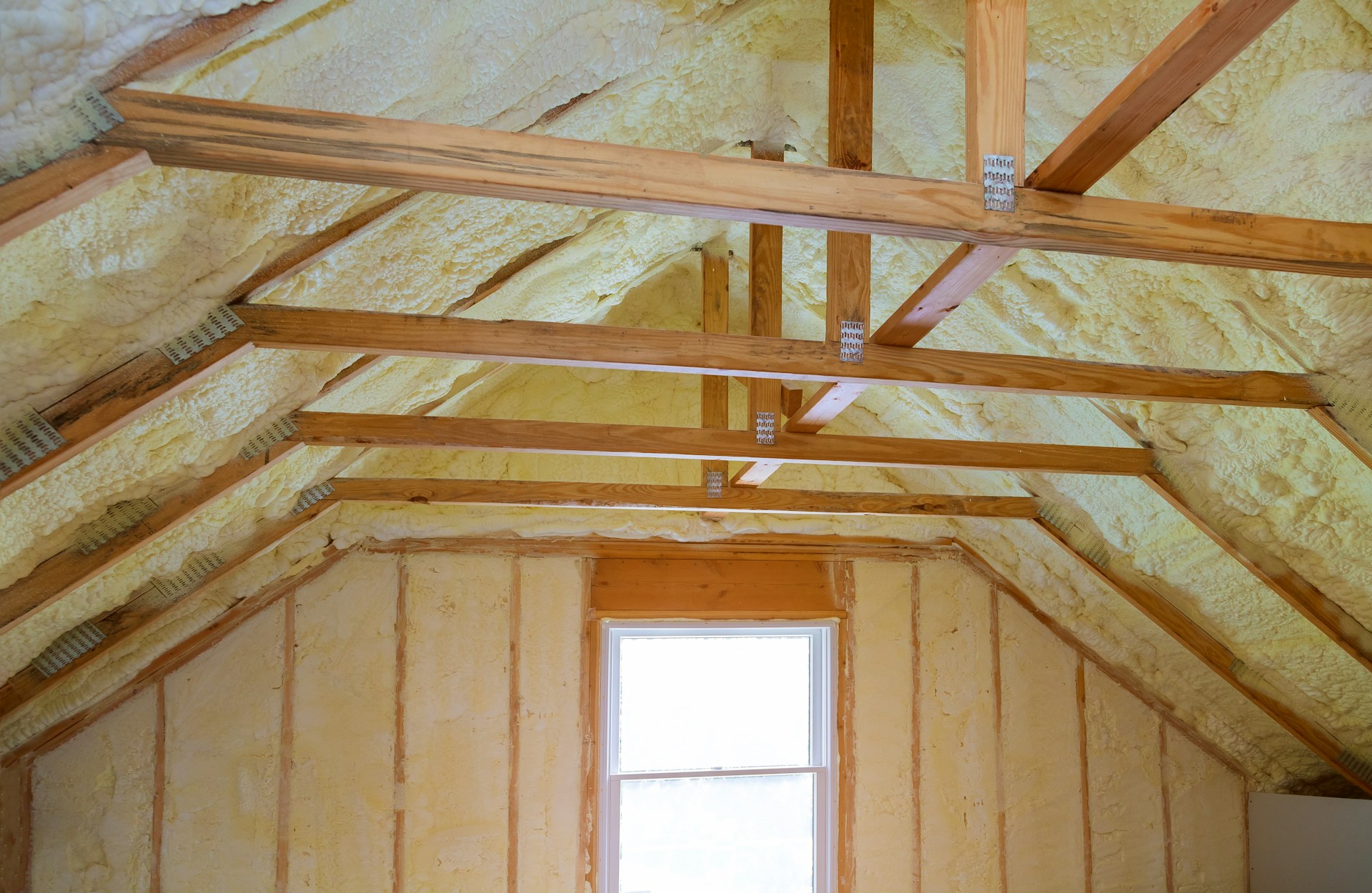
What Happens When Roof Leaks Reach Your Attic Insulation
.jpg)
Florida Rubber Roofing Myths Homeowners Should Stop Believing
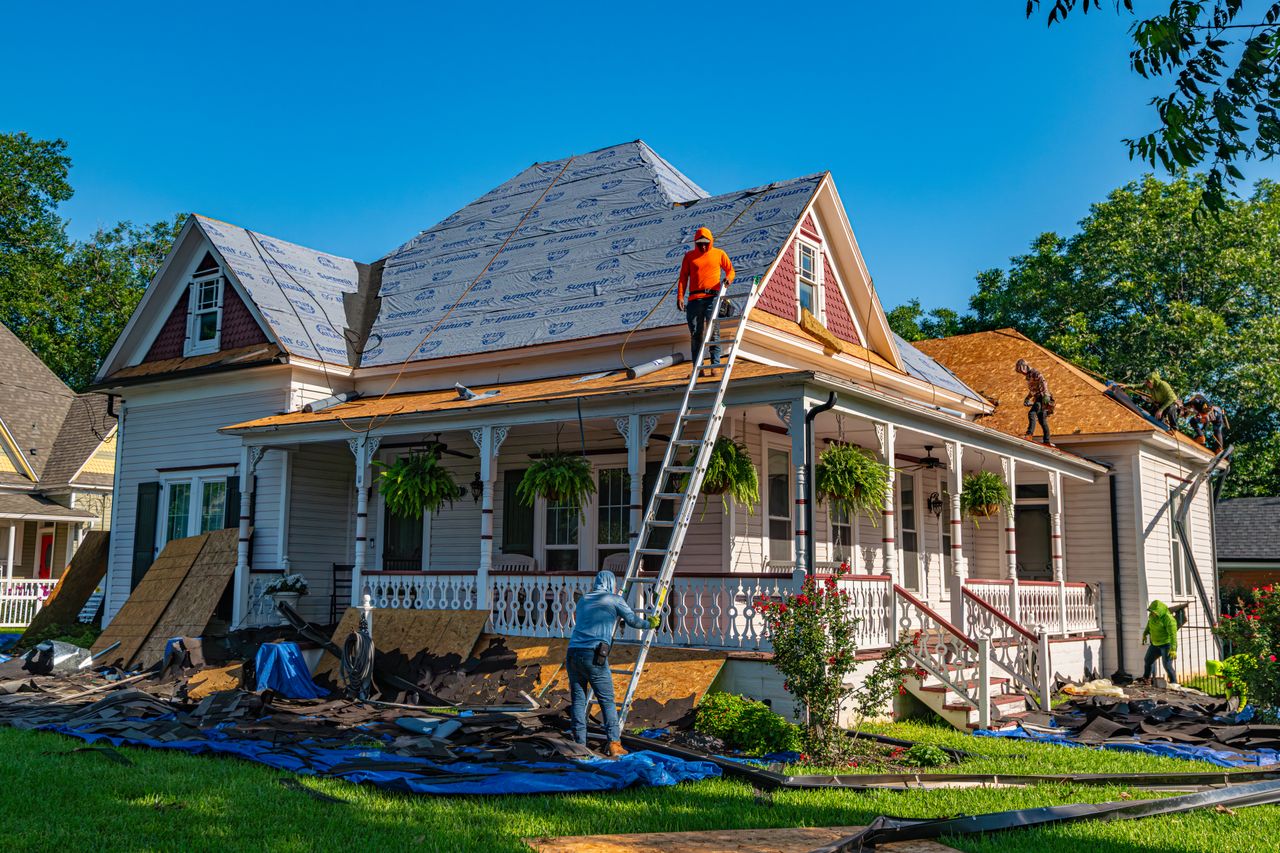
Storm Damage Roof Repairs Florida HOAs Often Underestimate
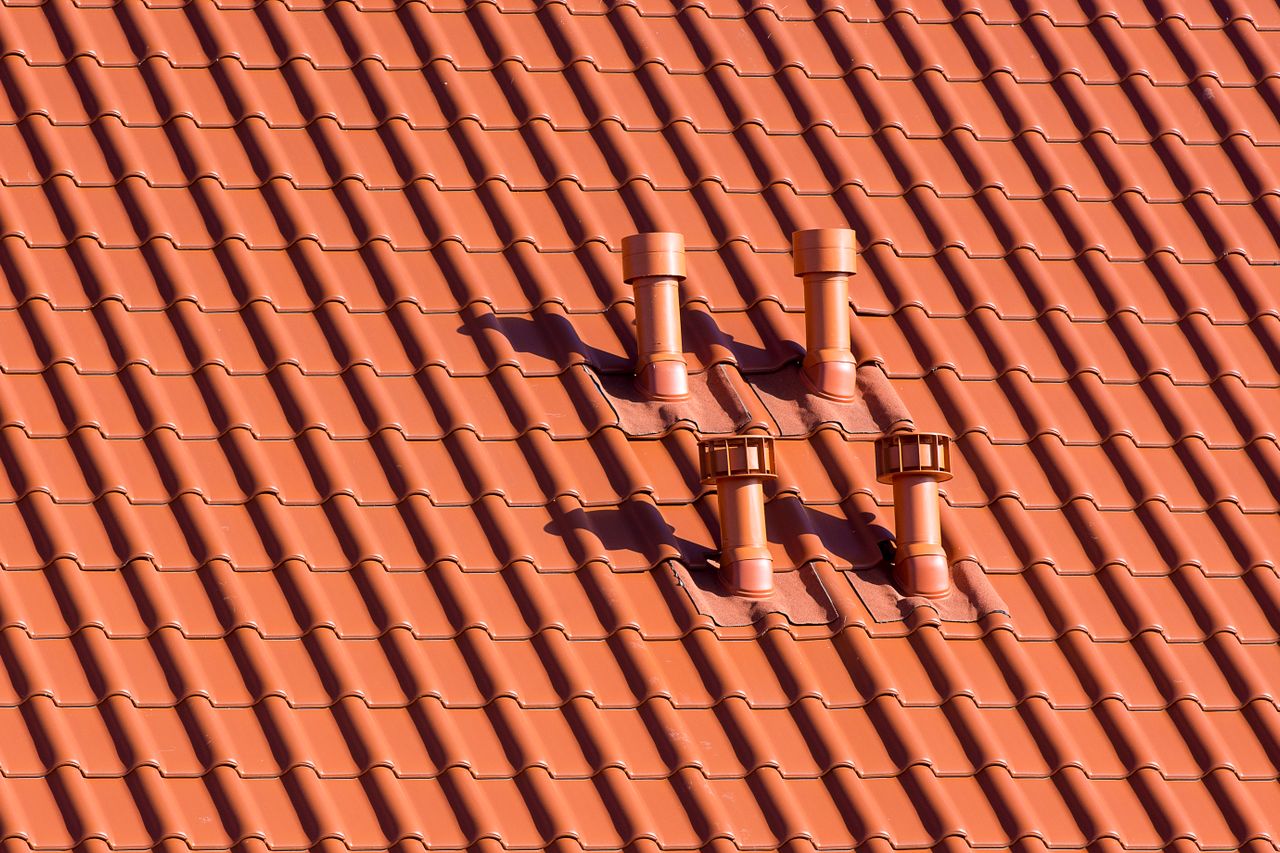
Questioning Roof Cleaning Services in Florida’s Humid Climate
Smart Roof Maintenance Plans for Florida Apartment Complexes
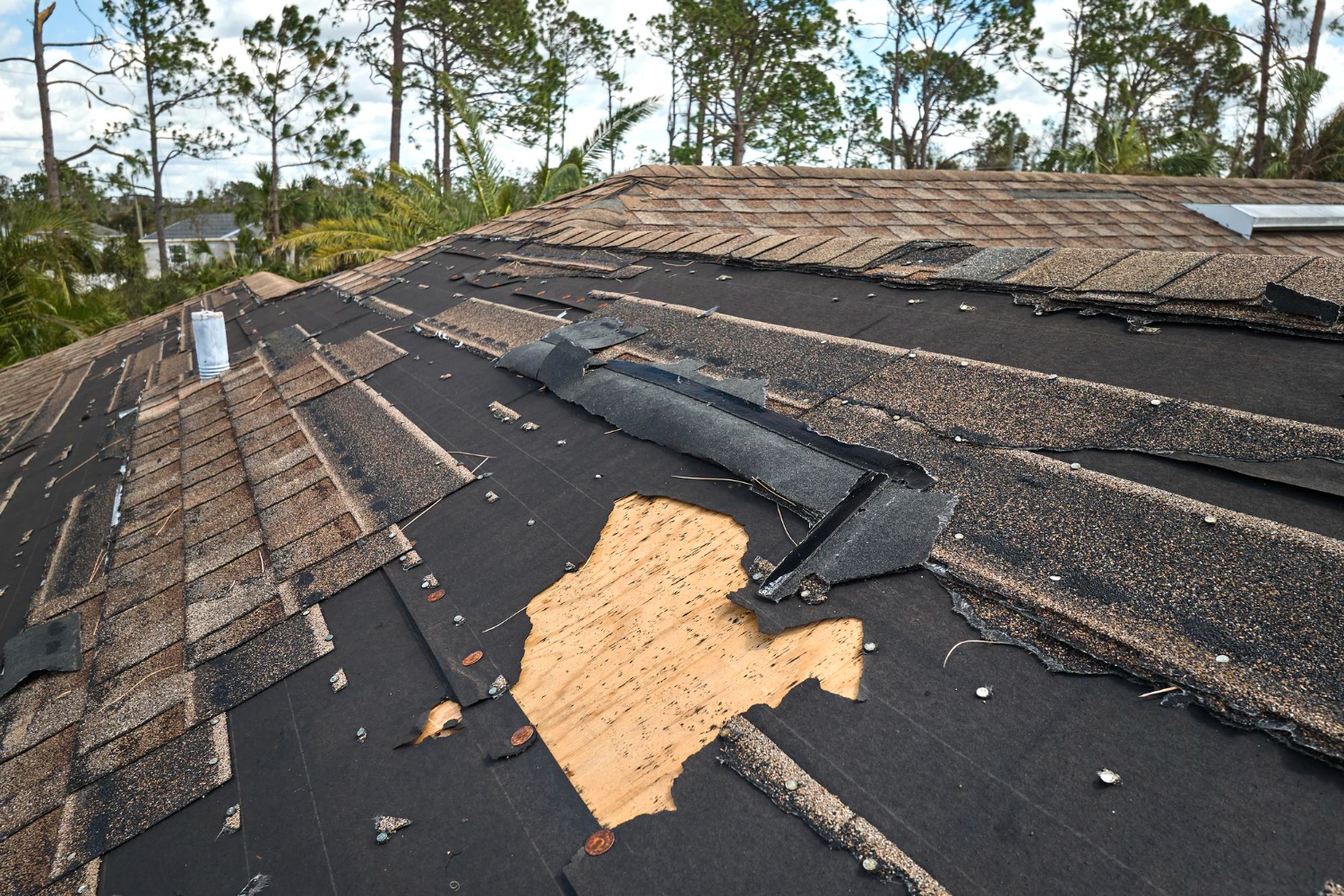
Hidden Cost Drivers in Florida Roof Replacements: Permits, Codes, Fees

Early-Morning Roof Leak Repair in Gainesville Summer Storms
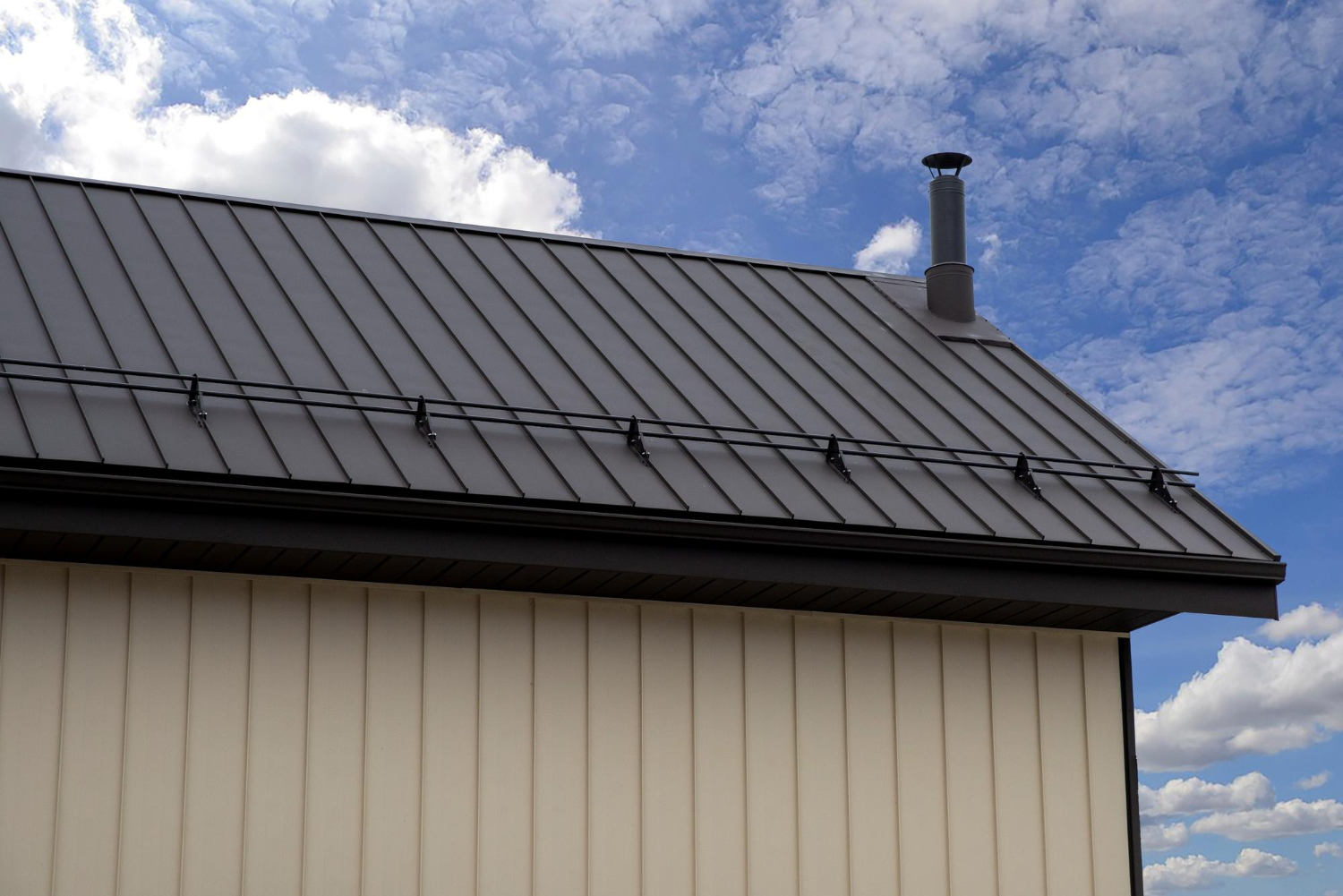
Is a Standing Seam Metal Roof Right for Florida Homes
Questioning Your Roof Warranty in Florida’s Storm Belt
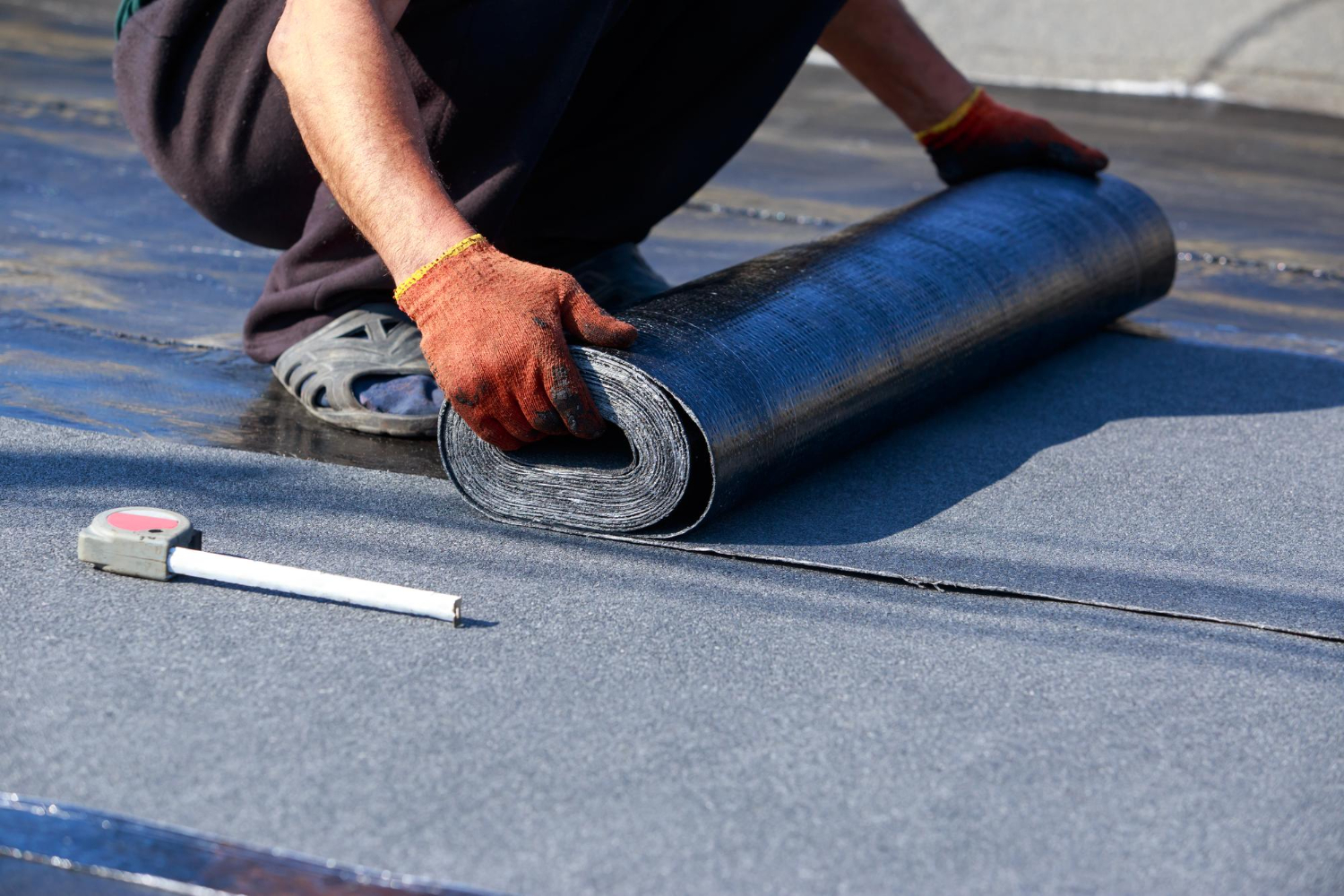
How to Choose Roof Underlayment and Waterproofing for Florida Weather
.jpg)
Why Gainesville Homebuyers Need a Dedicated Roofing Company Partner

What Gainesville Homeowners Miss in Post-Storm Roof Inspections
.jpg)
Summer Roof Maintenance Plans for Florida Homes

Roof Financing Options Florida Homeowners Should Understand

Pre-Listing Roof Inspection Tips for Gainesville Sellers
Florida Cracked Roof Tiles That Look Minor but Leak Big
Why Gainesville Roof Vent Leaks Start in the Attic First

Signs Your Florida Flat Roof Needs Professional Repair

Roof Tarping Emergency Steps for Florida Storm Nights
Understanding Hail Damage Roof Claims in Florida
.jpg)

Roof Insurance Claim Help for Florida Storm Seasons

Roof Ventilation Problems Florida Homeowners Overlook

When to Consider Roof Replacement in the Florida Climate
Ridge Vent Installation Guide for Better Attic Ventilation
Modified Bitumen Roofing For Flat & Low-Slope Buildings
GAF Timberline Shingles: Features, Cost, and Benefits

GAF Timberline HDZ: Complete Guide For Homeowners
EPDM Rubber Roofing: Benefits, Costs, and Installation
Dimensional Shingles: Boost Curb Appeal And Roof Protection

Clay Tile Roofing: Benefits, Costs, And Lifespan Guide

Chimney Flashing Repair: Stop Chimney Leaks Fast

Built-Up Roofing Guide for Flat Commercial Roofs
Best Roofing Material for Florida Homes: 2026 Guide

Why Attic Ventilation Matters For A Healthier Home

Standing Seam Metal Roof: Benefits, Cost, and Installation

Same Day Roof Repair: Fast Emergency Solutions For Your Home
Roofing Contractors In Ocala, FL: How To Choose With Confidence
Roofing Company In Ocala, FL: How To Choose A Trusted Pro
Roofers Gainesville, FL: How To Choose A Trusted Pro

Roof Repair In Ocala, FL: How To Choose A Trusted Contractor

Roof Repair In Gainesville, FL: Fast Help For Storms

Metal Roofing In Gainesville, FL: Durable Roofs That Cut Bills
Why Hiring A GAF Master Elite Roofer Matters
Corrugated Metal Roofing: Durable, Affordable Roof Guide

Best Shingles for Florida: Top Hurricane-Resistant Options

Architectural Shingles: Durable, Stylish Roofing Guide
24/7 Roof Repair: Fast Emergency Help When You Need It

.svg)


.svg)
.svg)
.svg)
.svg)
