Best Roofing Material for Florida Homes: 2026 Guide

Florida roofs take a beating from heat, humidity, heavy rain, and hurricane winds. Choosing the best roofing material for Florida is not just about appearance. It is about protecting your home from storms, reducing cooling costs, and avoiding premature roof failure.
At Energy Roofing Companies, homeowners often ask which roofing materials hold up best in Florida’s demanding climate. As a GAF Master Elite® contractor (a designation held by only 2% of roofers nationwide), we help homeowners understand which options offer the strongest protection and long-term value.
In this guide, you will learn what makes a roofing material suitable for Florida weather. We will break down the most reliable material options, how long they typically last, and how they perform during severe storms so you can make a confident decision.
How To Choose The Best Roofing Material For Florida
Florida’s extreme weather requires careful planning when choosing roofing materials. Your decision should consider building codes, energy costs, and the state’s demanding climate.
Climate And Weather Challenges
Florida weather puts constant stress on roofing systems. Hurricane-force winds can exceed 150 mph, especially during major storms, so your roofing material must withstand extreme conditions.
Heavy rainfall is another major factor. Most parts of the state receive 50–65 inches of rain each year, so your roof must withstand intense downpours and prevent water intrusion.
Florida’s strong sun also affects roofing durability. Constant UV exposure breaks down many materials over time and can fade colors. Materials with high UV resistance perform better in this climate.
Humidity creates conditions for mold, mildew, and algae growth. Some roofing materials resist these problems better than others. For example, metal roofing does not support organic growth, while asphalt shingles may develop dark streaks without algae-resistant treatments.
Building Codes And Regulations
Your roof must meet Florida Building Code requirements, which are among the strictest in the United States because of hurricane risk.
Wind ratings are especially important. Coastal areas often require roofing systems rated for 140–180 mph winds, while interior regions typically require 110–140 mph ratings.
Impact resistance is also important. Materials rated for impact protection help shield homes from flying debris during storms. Many insurance companies offer premium discounts for impact-rated roofing systems.
Some counties have additional rules. For example, Miami-Dade and Broward counties require specialized product approvals for roofing systems.
Energy Efficiency Concerns
Choosing the best roofing material for Florida can reduce cooling costs by 10–25 percent.
Light-colored or reflective roofing materials reduce heat absorption. Energy Star-rated roofing products reflect more sunlight, helping your home stay cooler.
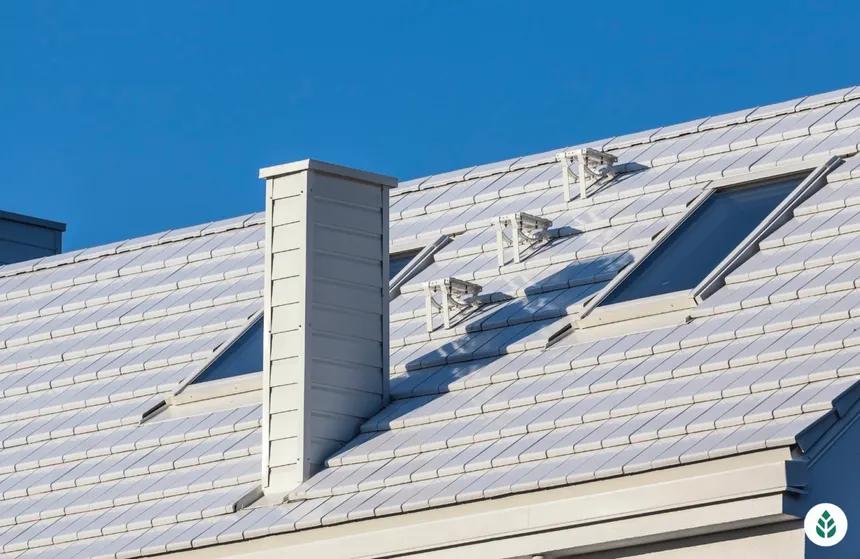
Metal roofs with reflective coatings and light-colored tile roofs perform especially well in Florida’s climate. They reduce heat transfer into your attic and help your HVAC system work more efficiently.
Proper ventilation also plays an important role. Adequate airflow prevents heat buildup and moisture issues. Roofing materials that support effective ventilation help maintain a healthier attic environment.
Top Roofing Materials For Florida Homes
Florida’s climate demands roofing materials that can handle hurricane winds, intense sunlight, heavy rain, and humidity. Metal roofing, asphalt shingles, tile systems, and synthetic materials all offer different advantages.
Metal Roofing
Metal roofing is widely considered one of the best roofing materials for Florida due to its durability and energy performance. These roofs typically last 40 to 70 years with minimal maintenance.
Metal reflects sunlight rather than absorbing it, which helps reduce indoor temperatures and lower cooling costs. Another major advantage is wind resistance. Many properly installed metal roofs can withstand winds up to 140 mph, making them a strong option for hurricane-prone areas.
Metal roofing also resists cracking, corrosion, and fire. This durability provides added protection during severe weather. Common metal roofing styles include standing-seam panels and metal shingles that replicate traditional roofing appearances.
Key Benefits
- Excellent wind resistance
- Energy efficiency
- Lightweight structure
- Fire resistance
- Long lifespan
The main drawback is the higher upfront cost. However, the long service life and energy savings often offset the initial investment.
Asphalt Shingles
Asphalt shingles remain the most affordable roofing option for many Florida homeowners. They are widely available and come in a range of colors and designs.
Architectural shingles perform better in Florida than basic three-tab shingles. They are thicker, more durable, and better suited for wind resistance. In Florida’s climate, architectural shingles typically last 20 to 30 years.
Homeowners should look for shingles rated for high wind resistance, such as Class F or Class H. These ratings indicate the shingles can withstand stronger, sustained winds. Algae-resistant shingles are also helpful because Florida's humidity promotes algae growth.
The primary drawback is lifespan. Asphalt shingles generally do not last as long as metal or tile roofs. They also absorb more heat, which can increase cooling costs. Routine inspections help catch issues early and extend the roof’s performance.
Clay And Concrete Tiles
Tile roofing offers one of the longest-lasting roofing systems available. Clay and concrete tiles can last 50 years or longer in Florida conditions. These materials naturally resist insects, fire, and rot.
Tile roofs are heavy, which actually helps them stay in place during strong winds. However, homes must have proper structural support before tile installation.
Tile roofing also provides excellent thermal performance. Air flows beneath the tiles, creating a natural ventilation barrier that helps keep homes cooler.
Tile Comparison
Feature
Clay Tile
Concrete Tile
Cost
Higher
More affordable
Weight
Heavy
Very heavy
Color Options
Limited natural tones
Wide variety
Lifespan
50+ years
40–50 years
Both materials perform well in Florida’s climate. The primary considerations are the higher installation cost and structural weight requirements.
Synthetic Roofing Options
Synthetic roofing materials are designed to replicate traditional roofing styles while improving performance. Common options include polymer shingles and synthetic slate.
These materials are engineered to resist impact damage better than some natural materials. They are less likely to crack from debris or hail. Synthetic roofing systems are typically lighter than tile but heavier than asphalt shingles, providing a balanced structure.
Many synthetic roofs also resist UV damage, moisture, and mold growth, which makes them suitable for humid climates. Most systems last 30 to 50 years, depending on the manufacturer and installation quality.
The cost usually falls between asphalt shingles and premium materials like metal or tile. Homeowners get improved durability without the higher cost of traditional tile. Some insurance providers also offer discounts for impact-resistant synthetic roofing systems.
Comparing Durability And Lifespan
Florida roofs face severe weather that tests every material. Metal roofs often last 40–70 years, while concrete and clay tile systems can exceed 50 years with proper maintenance. Asphalt shingles typically require replacement after 15–20 years in Florida’s climate.
Storm And Wind Resistance
Roofs in Florida must withstand winds approaching 150 mph during hurricanes. Metal roofing performs exceptionally well when installed with interlocking panels and secure fasteners.
Clay and concrete tiles also resist wind damage effectively. However, individual tiles may loosen if installation is not done correctly.
Asphalt shingles are generally more vulnerable during severe storms. Basic three-tab shingles often fail at wind speeds above 90 mph, while architectural shingles perform better but still do not match the durability of metal or tile.
Installation quality matters just as much as material strength. Even the best roofing material for Florida can fail if proper fastening systems and underlayment are not used.
Hurricane Impact Performance
Impact-rated roofing materials help protect homes from flying debris during storms. Metal roofs with Class 4 impact ratings can withstand hits from hail and airborne debris. These systems may qualify homeowners for insurance discounts between 10% and 35%.
Clay and concrete tiles also resist impact well because of their density. However, direct hits from large debris may crack individual tiles, which then require replacement. Standard asphalt shingles are more vulnerable. Homeowners should consider impact-resistant shingle products when choosing asphalt roofing.
UV And Heat Endurance
Florida’s intense sun accelerates roofing wear. Metal roofing reflects a large portion of solar heat, helping maintain cooler attic temperatures and extending roof lifespan.
Tile roofs also perform well under constant sun exposure. Clay and concrete do not degrade from UV radiation the same way organic materials do.
Asphalt shingles can deteriorate faster under strong sunlight. UV exposure gradually dries the oils in the shingles, causing them to become brittle and lose granules over time. Signs of aging often appear within 10–15 years, including curling edges and surface wear.
Energy Efficiency And Environmental Impact
Florida’s long cooling season makes roof selection an important factor in both energy costs and environmental impact.
Reflective Roofing Options
Light-colored metal roofing is among the most reflective options available. These roofs can reflect up to 70% of solar radiation, reducing attic heat buildup. Light-colored clay and concrete tiles also provide strong reflective performance.
Another option is cool roof coatings, which can improve reflectivity even on darker roofing surfaces. These coatings can increase solar reflectance by 25–50 percent.
Many reflective metal roofing systems qualify for Energy Star certification, which indicates reduced heat absorption and improved cooling efficiency.
Insulation Value
Roofing materials work together with attic insulation to control heat transfer. Metal roofs require proper insulation beneath them because the metal itself provides minimal insulation value. Tile roofs naturally create an air space between the tile and the roof deck, which improves airflow and adds thermal protection.
Florida building codes typically require R-30 attic insulation, though upgrading to R-38 or higher can significantly reduce cooling costs.
Eco-Friendly Materials
Metal roofing often contains 25–95 percent recycled content and is fully recyclable at the end of its lifespan. This makes it one of the most sustainable roofing options.
Clay and concrete tiles also support sustainability because they can last 50 to 100 years, reducing material waste from frequent replacements. Recycled composite shingles made from rubber or plastic divert waste from landfills while delivering durability similar to traditional materials.
Cost And Maintenance Factors
When selecting the best roofing material for Florida, it is important to consider both initial installation costs and long-term maintenance.
Upfront Installation Costs
Asphalt shingles typically have the lowest installation cost, making them a common choice for homeowners with limited budgets. Metal roofing costs more initially but often provides long-term savings due to durability and energy efficiency.
Tile roofing usually falls at the higher end of the price range. Clay and concrete tiles require specialized installation, which increases labor costs. Roof size, slope, complexity, and the need for structural reinforcement can also affect the final project price.
Long-Term Maintenance Requirements
Asphalt shingles require more frequent inspections and repairs in Florida’s climate. Storm damage and algae growth are common issues. Metal roofs require relatively minimal maintenance. Occasional checks of fasteners and sealants are usually sufficient.
Tile roofs are durable but brittle. Individual tiles can crack and must be replaced by professionals familiar with tile roofing systems. Regular cleaning is helpful for all roof types. Removing algae, mold, and debris keeps roofing systems performing properly in Florida’s humid climate.
Repair And Replacement Considerations
Asphalt shingles generally last 15–20 years in Florida, so homeowners may need to replace them more than once during ownership.
Metal roofs often last 40–50 years or longer, and repairs are usually straightforward for experienced roofing contractors. Tile roofs can last 50 years or more, but repairs often require specialized expertise. Finding matching tiles can sometimes extend repair timelines and increase costs.
Choosing The Right Roof For Long-Term Protection
Selecting the best roofing material for Florida means balancing durability, energy efficiency, and long-term cost. Metal, tile, and architectural shingles each offer advantages depending on your home’s structure and your budget.
The right roofing system should meet Florida Building Code requirements, handle extreme weather, and provide reliable protection year after year. Working with an experienced contractor helps ensure the materials and installation methods match Florida’s demanding climate.
At Energy Roofing Companies, homeowners receive guidance on materials designed for Florida weather and roofs built to meet strict building standards. If you're considering a roof upgrade or inspection, schedule a free inspection or call 855-766-3852 to discuss your options.
Frequently Asked Questions
What Is The Best Roofing Material For Florida Homes?
The best roofing material for Florida depends on your priorities, budget, and home structure. Metal roofing, clay tile, concrete tile, and architectural shingles are among the most reliable choices.
Metal roofs offer strong wind resistance and long lifespans. Tile roofs provide durability and natural insulation. Architectural shingles are more affordable and still perform well when rated for high winds and algae resistance.
Which Roofing Material Lasts The Longest In Florida?
Tile and metal roofs generally last the longest in Florida’s climate. Clay and concrete tiles can last 50 years or more, while metal roofs often last 40 to 70 years with proper installation and maintenance. Asphalt shingles usually last 15 to 30 years in Florida due to intense sun, humidity, and storms.
What Roofing Material Is Best For Hurricanes?
Metal roofing and tile roofing perform very well during hurricanes when installed correctly. These materials can handle high wind speeds and flying debris better than many traditional options.
Impact-rated roofing systems and proper installation are critical. A roof system must meet Florida Building Code wind and impact standards to perform well during major storms.
Is Metal Roofing Good For Florida Heat?
Yes. Metal roofing is one of the most energy-efficient options in Florida. Metal roofs reflect sunlight instead of absorbing it. This helps keep attic temperatures lower and can reduce cooling costs during Florida’s long, hot summers.
Are Asphalt Shingles A Good Choice For Florida?
Architectural asphalt shingles can be a good option for homeowners looking for a budget-friendly roofing system. However, they typically have a shorter lifespan than metal or tile roofs in Florida’s climate. Choosing high-wind-rated and algae-resistant shingles helps improve their durability.
Do Roofing Materials Affect Home Energy Efficiency?
Yes. The best roofing material for Florida can significantly affect indoor temperatures and cooling costs. Reflective materials like metal roofing and light-colored tiles reduce heat absorption. When combined with proper attic insulation and ventilation, they help improve overall home energy efficiency.
Related posts
Apartment Complex Roofing Decisions Property Managers Regret
What Gainesville Roofers Recommend Before Your First Skylight Installation
Questioning Roof Coating Services for Florida Flat Roofs
Choosing Roof Replacement After Florida Hurricane Landfall
.jpg)
How Florida Insurance, Wind Mitigation Credits, and Deductibles Affect Roof
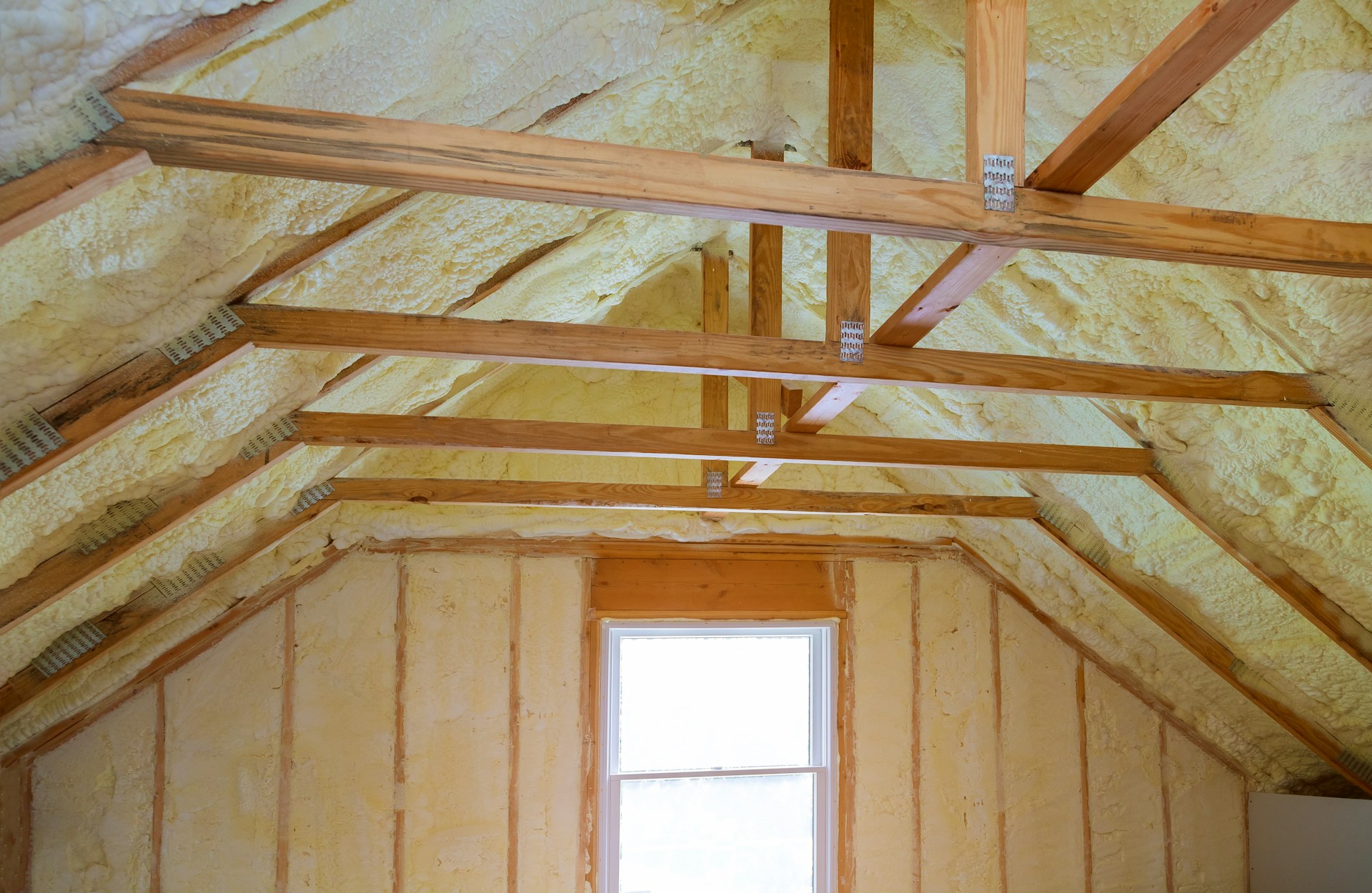
What Happens When Roof Leaks Reach Your Attic Insulation
.jpg)
Florida Rubber Roofing Myths Homeowners Should Stop Believing
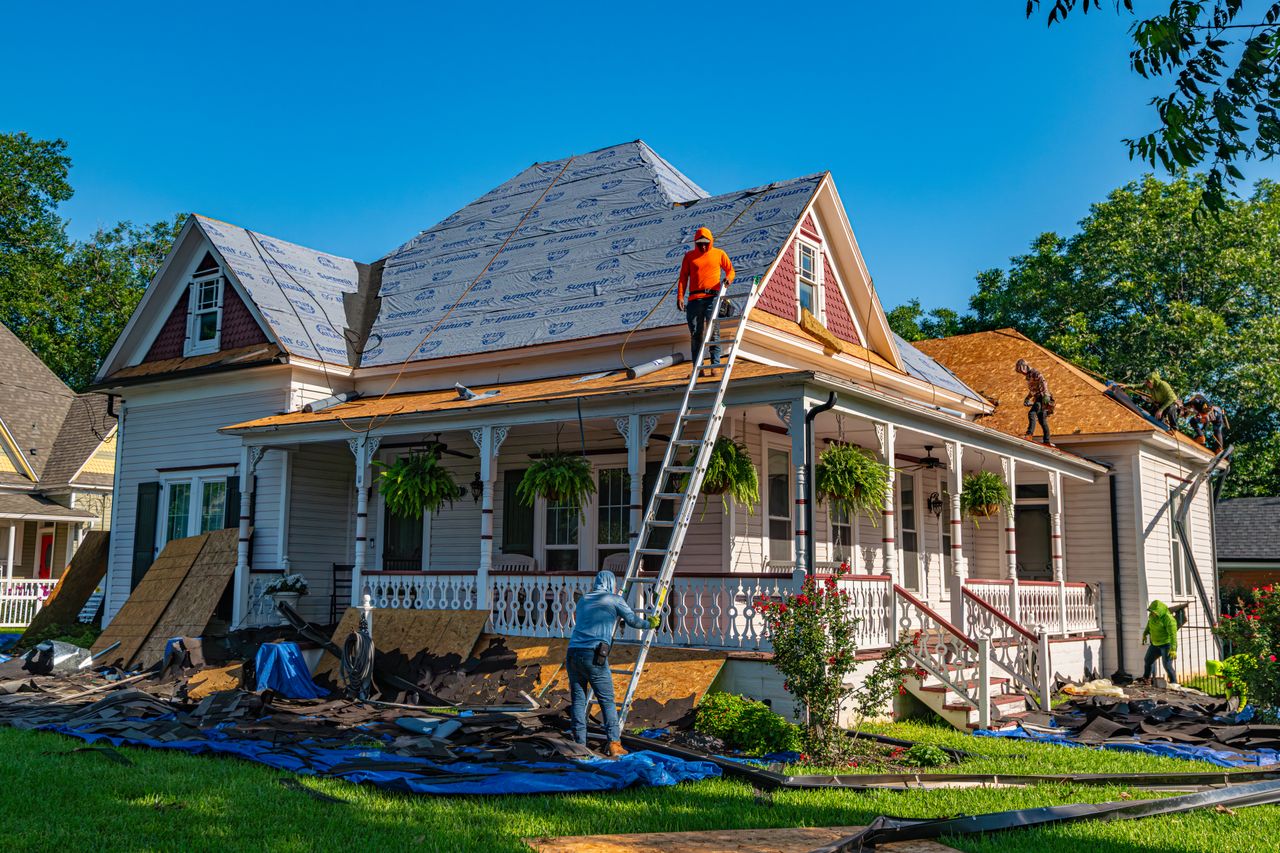
Storm Damage Roof Repairs Florida HOAs Often Underestimate
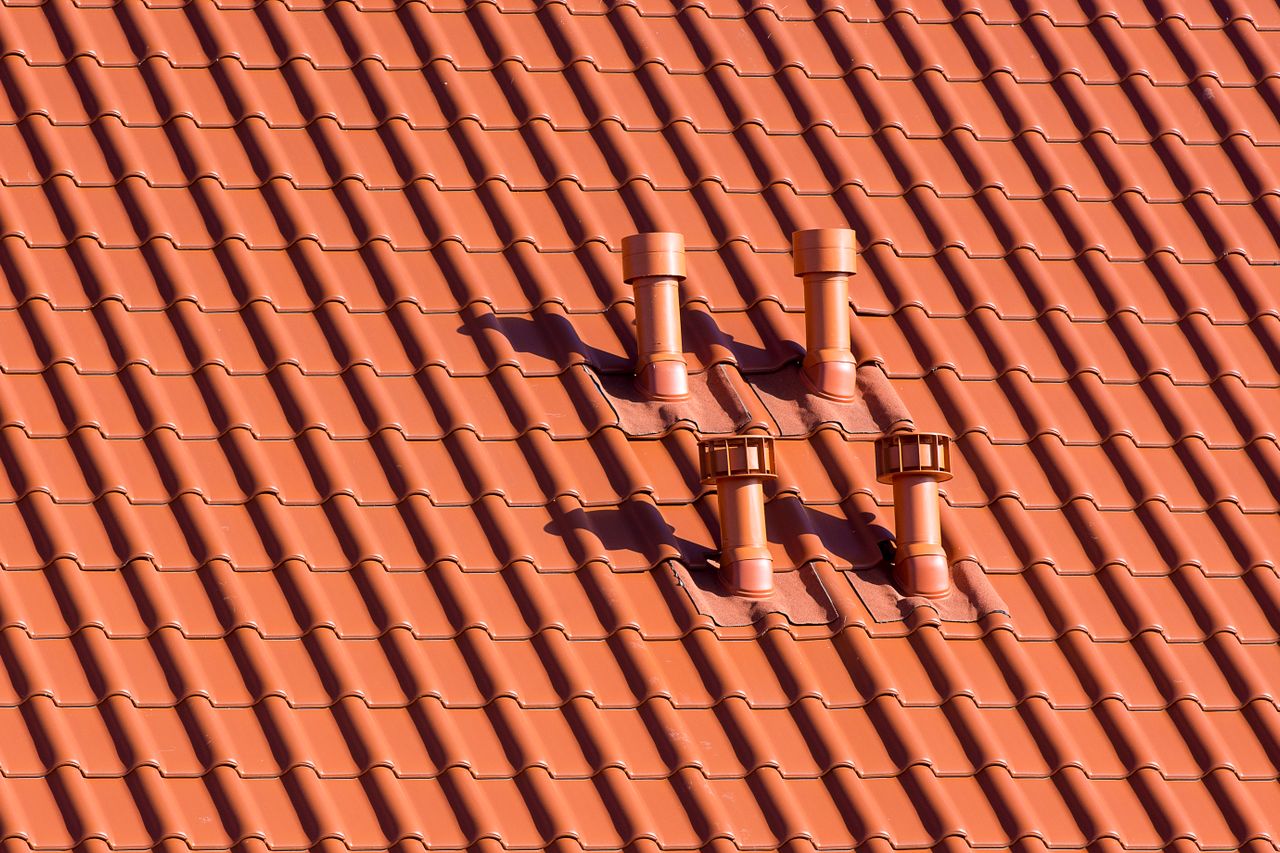
Questioning Roof Cleaning Services in Florida’s Humid Climate
Smart Roof Maintenance Plans for Florida Apartment Complexes
Hidden Cost Drivers in Florida Roof Replacements: Permits, Codes, Fees

Early-Morning Roof Leak Repair in Gainesville Summer Storms
Is a Standing Seam Metal Roof Right for Florida Homes
Questioning Your Roof Warranty in Florida’s Storm Belt
How to Choose Roof Underlayment and Waterproofing for Florida Weather
.jpg)
Why Gainesville Homebuyers Need a Dedicated Roofing Company Partner

What Gainesville Homeowners Miss in Post-Storm Roof Inspections
.jpg)
Summer Roof Maintenance Plans for Florida Homes

Roof Financing Options Florida Homeowners Should Understand

Pre-Listing Roof Inspection Tips for Gainesville Sellers
Florida Cracked Roof Tiles That Look Minor but Leak Big
Why Gainesville Roof Vent Leaks Start in the Attic First

Signs Your Florida Flat Roof Needs Professional Repair

Roof Tarping Emergency Steps for Florida Storm Nights
Understanding Hail Damage Roof Claims in Florida
.jpg)

Roof Insurance Claim Help for Florida Storm Seasons

Roof Ventilation Problems Florida Homeowners Overlook
When to Consider Roof Replacement in the Florida Climate
Ridge Vent Installation Guide for Better Attic Ventilation
Modified Bitumen Roofing For Flat & Low-Slope Buildings
GAF Timberline Shingles: Features, Cost, and Benefits

GAF Timberline HDZ: Complete Guide For Homeowners
EPDM Rubber Roofing: Benefits, Costs, and Installation
Dimensional Shingles: Boost Curb Appeal And Roof Protection

Clay Tile Roofing: Benefits, Costs, And Lifespan Guide

Chimney Flashing Repair: Stop Chimney Leaks Fast

Built-Up Roofing Guide for Flat Commercial Roofs
Best Roofing Material for Florida Homes: 2026 Guide

Why Attic Ventilation Matters For A Healthier Home

Standing Seam Metal Roof: Benefits, Cost, and Installation

Same Day Roof Repair: Fast Emergency Solutions For Your Home
Roofing Contractors In Ocala, FL: How To Choose With Confidence
Roofing Company In Ocala, FL: How To Choose A Trusted Pro
Roofers Gainesville, FL: How To Choose A Trusted Pro

Roof Repair In Ocala, FL: How To Choose A Trusted Contractor

Roof Repair In Gainesville, FL: Fast Help For Storms

Metal Roofing In Gainesville, FL: Durable Roofs That Cut Bills
Why Hiring A GAF Master Elite Roofer Matters

Corrugated Metal Roofing: Durable, Affordable Roof Guide

Best Shingles for Florida: Top Hurricane-Resistant Options

Architectural Shingles: Durable, Stylish Roofing Guide
24/7 Roof Repair: Fast Emergency Help When You Need It

.svg)


.svg)
.svg)
.svg)
.svg)
