Best Shingles for Florida: Top Hurricane-Resistant Options

Florida’s heat, humidity, and hurricane seasons can wear down a roof fast. If you choose the wrong material, you could face blown-off shingles, leaks, and rising cooling bills. That’s why finding the best shingles for Florida isn’t just about looks. It’s about protection and long-term value.
At Energy Roofing Companies, we help homeowners understand which shingles actually hold up in Florida’s climate. As a GAF Master Elite® contractor (only 2% nationwide), we focus on proven wind ratings, algae resistance, and proper code-compliant installation methods.
Below, you’ll learn which shingle types perform best, what wind and impact ratings really mean, and how to choose a roof that fits your home and budget. By the end, you’ll know what to look for and what to avoid.
Key Factors for Choosing Shingles in Florida
Florida's unique weather and building codes mean roof shingles have to meet some serious standards. Your choice needs to handle extreme heat, hurricane-force winds, and local regulations.
Impact of Florida Climate
Florida's climate is tough on roofing materials all year. High temperatures, humidity over 70%, and heavy rain can wear out regular shingles fast.
Constant sun exposure speeds up shingle aging here. So, you want shingles with UV-resistant properties and heat-reflective tech. The sun can crank your roof surface above 160°F in summer, and that's brutal.
Humidity brings its own headaches. Moist air encourages algae and mold, leaving black streaks on your shingles. Shingles with copper or zinc granules fight off that growth.
Heavy rain and standing water can also do a number on your roof. Shingles need to shed water well and have sealed edges to keep leaks out during Florida's rainy season.
Wind Resistance Requirements
Florida enforces strict building codes for roof shingles based on where you live. Homes in High Velocity Hurricane Zones need shingles rated for winds up to 150 mph or more.
Most counties require shingles to meet specific wind ratings:
- Standard zones: Class H wind rating (150 mph)
- High Velocity Hurricane Zones: Extra impact resistance
- Coastal areas: Stronger fastening requirements
If you're in South Florida, your shingles have to pass the Miami-Dade County product approval system. That means your roof can handle hurricane conditions.
Check with your local building department to nail down the exact requirements before you buy shingles. Licensed contractors know the codes and make sure your installation is up to snuff. How your shingles are installed matters just as much as their rating.
Energy Efficiency Considerations
Energy-efficient shingles can lower your cooling bills by 15-20% in Florida's heat. Cool roof shingles reflect more sunlight and soak up less heat than regular ones.
Look for high solar reflectance ratings. Light-colored shingles naturally bounce back more heat, but new granules let darker colors perform just as well. These special granules send solar radiation packing before it heats up your attic.
The ENERGY STAR label points out shingles that meet strict energy standards. These roofs can run 50-60°F cooler than traditional ones, so your AC isn't working overtime just to keep things comfortable.
Some Florida utility companies even offer rebates if you install energy-efficient roofing. It's worth checking with your local provider to see if you can get some money back on premium shingles.
Best Types of Shingles for Florida Homes
Florida's climate calls for roofing that can withstand sun, rain, wind, and humidity. Each shingle type brings something different to the table for protection, cost, and lifespan.
Asphalt Shingles
Asphalt shingles are the go-to for most Florida homes. They're affordable and perform decently. You can pick between three-tab and architectural types. Three-tab shingles are budget-friendly, running about $90 to $100 per square. They're light and easy to put on, but they're basic.
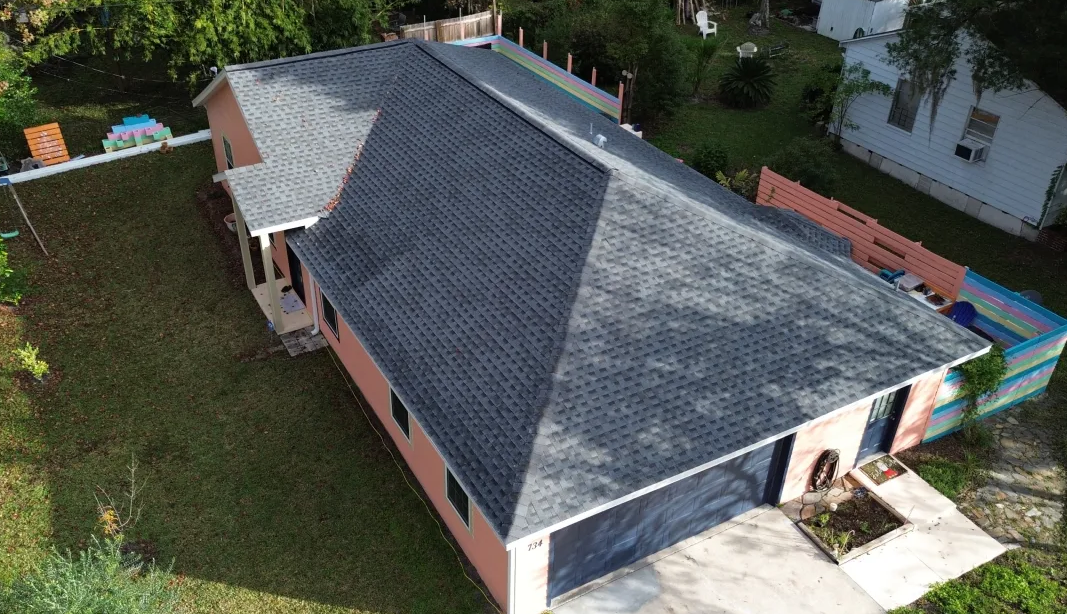
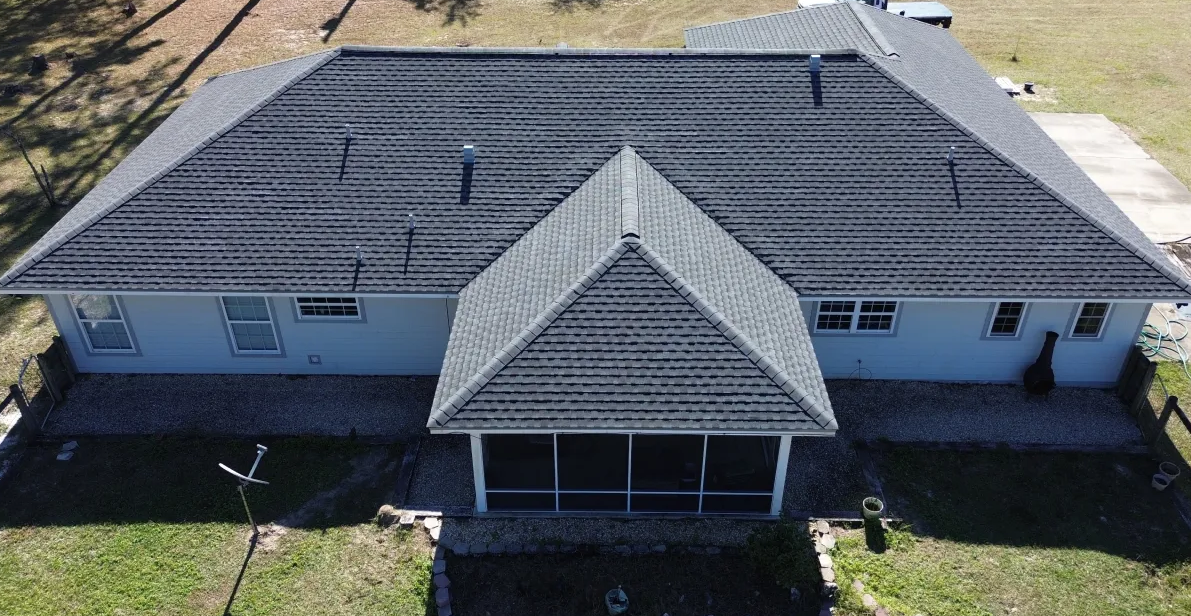
Architectural shingles are thicker, tougher, and cost a bit more, around $120 to $160 per square. They last longer and handle wind better. Many are rated for winds up to 130 mph.
Key benefits for Florida:
- Algae-resistant options keep black streaks at bay
- Class A fire rating
- Tons of color choices to help reflect heat
- 20 to 30-year lifespan if you keep up with maintenance
If you're in a spot that gets hail or flying debris, go for impact-resistant asphalt shingles. These have a Class 4 impact rating and might even lower your insurance.
Metal Shingles
Metal shingles are tough and really hold their own in Florida's harsh conditions. They're made from aluminum, steel, or zinc, and can look like classic shingles or tiles.
They reflect solar heat, so you might see cooling costs drop by 10 to 25 percent. Metal shingles can handle wind speeds up to 140 mph.
They don't crack, rot, or let mold get a foothold. Expect to pay $300 to $800 per square installed. It's a bigger upfront investment than asphalt, but they last 40 to 70 years with little fuss.
Why they work in Florida:
- Stand up to salt air by the coast
- Don't absorb water or let algae grow
- Lightweight, so they don't stress your home's structure
- Fully recyclable when it's time for a new roof
One thing: metal roofs can get noisy during heavy rain. Good underlayment helps with that, and you'll want a contractor who knows their way around metal roofing.
Tile Shingles
Tile shingles are a classic pick in Florida and look great, too. Clay and concrete are the main options. Clay tiles run $600 to $800 per square and last 50 to 100 years. They're fireproof and naturally resist bugs, rot, and algae.
Concrete tiles are a bit cheaper, $400 to $600 per square, and just as tough. Both types keep your attic cooler since they don't absorb heat like asphalt. Their weight and shape help them fight off hurricane winds if they're installed right.
Important considerations:
- They're heavy, so your roof might need extra support
- Installation costs more and takes special skills
- Individual tiles can crack if hit, but they're easy to swap out
- Loads of colors and styles to choose from
Make sure your roof's structure is up to the challenge before going with tile. Have a pro check your framing first.
Composite Shingles
Composite shingles are made from a mix of stuff, recycled plastics, rubber, and fibers. They look like wood shakes or slate, but perform better.
These shingles shrug off moisture, bugs, and UV damage better than the real thing. Most are rated for winds up to 110 mph and carry Class A fire ratings.
You'll pay $400 to $600 per square installed. Composite shingles can last 30 to 50 years in Florida. They won't warp, split, or let mold take hold like wood. A lot of brands build in algae resistance, too.
Benefits for your home:
- Lower maintenance than natural materials
- Impact-resistant options available
- Lighter than tile, tougher than asphalt
- Eco-friendly, many use recycled content
Finding installers who really know composite shingles can be tricky. Not every roofer has the right experience. Always check the warranty to make sure it covers Florida's wild weather.
Top-Rated Shingle Brands for Florida Weather
Florida's crazy sun, rain, and hurricane threats mean you need shingles that can handle it all. These three brands have a solid rep for standing up to the state's climate.
Owens Corning
Owens Corning has been around for almost a century. Their Duration series shingles are a strong pick for Florida homes.
They offer wind resistance up to 130 mph if installed correctly. Built-in algae protection is a big plus in Florida's muggy climate.
Duration shingles come with warranties from 25 to 50 years, depending on the line. The TruDefinition color options use granules that help reflect more sunlight, which can keep your cooling bills lower.
GAF
GAF's Timberline HDZ series is built for Florida's tough weather. LayerLock technology helps these shingles stay put in high winds.
Timberline HDZ shingles have wind warranties up to 130 mph when installed properly. GAF adds StainGuard to help fight algae growth, so your roof looks good even in humid conditions.
They offer limited lifetime warranties on materials. If you want extra peace of mind, GAF has a Golden Pledge warranty that covers materials and labor when certified contractors handle the install.
CertainTeed
CertainTeed's Landmark series is another solid option for Florida. These shingles use two bonded layers for added strength.
The standard lines have wind resistance up to 110 mph, and their premium products go higher. StreakFighter tech helps keep algae stains away for at least 10 years.
Warranties range from 10 years to limited lifetime coverage. CertainTeed also makes shingles in colors that meet high solar reflectance standards, so your house stays a bit cooler under Florida's sun.
Comparing Shingle Performance in Hurricane Zones
Hurricane-rated shingles have to handle wild winds and pounding rain at the same time. The main difference between standard and hurricane-grade shingles comes down to extra reinforcements that keep your roof together when storms hit.
Wind Uplift Resistance
Hurricane-rated shingles can take winds up to 130-150 mph thanks to three big features. They use reinforced nailing zones to stop tearing when wind sneaks under the shingles.
Manufacturers add strong adhesive strips for a tight seal between each layer. These shingles also weigh more than standard ones. That extra heft helps keep them in place when the wind really kicks up. Once wind speeds top 100 mph, that weight can make all the difference.
Look for Class H or Class F wind ratings. Class H protects up to 150 mph, Class F handles up to 110 mph. Where you live in Florida determines which rating you need. Coastal spots usually need the highest protection.
Waterproofing Abilities
Hurricanes dump a lot of rain, and weak spots in your roof can let water in. Hurricane-resistant shingles use enhanced asphalt coatings and tighter overlaps to keep water out.
Sealant strips on these shingles create a waterproof bond when the sun heats them up. That stops water from sneaking under the shingles during driving rain. Impact-resistant shingles keep their waterproofing even after a pounding from hail or debris.
How your roof gets installed is just as important as the shingles themselves. Contractors should use extra underlayment in spots like valleys and along the edges. Those extra layers are your backup if wind-driven rain tries to find a way in.
Maintenance Tips For Florida Roofs
Florida's sun, humidity, and wild storms mean your roof needs regular care. Taking care of your shingles keeps them working longer and saves you money down the line.
Preventing Algae and Mold
Dark streaks on your roof are more than just ugly. Algae and mold love Florida's humidity and can mess up your shingles over time.
Install zinc or copper strips along the ridge to keep algae at bay. When it rains, these metals release particles that wash down and stop algae from growing.
A lot of new shingles already have algae-resistant granules, which helps from the start. Trim tree branches hanging over your roof. Shade and debris make it easier for algae and mold to move in. Keep your roof clear by removing leaves and branches that trap moisture.
If you've already got algae stains, use a proper roof cleaner. Never use a pressure washer because it can wreck your shingle granules and void your warranty.
Regular Inspection Guidelines
Check your roof at least twice a year; spring and fall are good times. After big storms or hurricanes, give it another look.
Watch for warning signs like:
- Missing, cracked, or curling shingles
- Granules piling up in gutters
- Damaged or missing flashing around chimneys and vents
- Water stains in your attic or ceiling
Book a professional inspection once a year. The pros can spot problems you might miss and catch small stuff before it turns into a big, expensive headache.
They also know how to safely check tricky spots. Don't forget your gutters and downspouts during each inspection. Clogged gutters let water back up under your shingles, which can lead to leaks and water damage.
Extending Shingle Lifespan
Basic 3-tab shingles usually last somewhere between 15 and 20 years in Florida. Architectural shingles can often make it 25 to 30 years if you treat them right.
If you spot a small crack or a loose shingle, jump on it. Even minor issues can snowball into big leaks when those Florida storms hit. Ventilation in your attic matters more than most people realize. Good airflow helps keep shingles from overheating and breaking down.
Moisture sneaks in if you let it, so keeping air moving also helps avoid rot and mold. That stuff can really cut your roof’s life short.
Grab a broom or blower and clear off debris every so often. Leaves and branches trap water, and pooled water will chew up your shingles surprisingly fast.
Don’t forget the gutters. Clogged gutters mean water sits on your roof, and that’s just asking for trouble. You might want to look into roof coatings made for Florida’s brutal sun. Some of those can add a few extra years by blocking UV rays and keeping things cooler.
How To Choose The Best Shingles For Florida Without Overpaying
Start with code compliance and wind rating, then match the shingle to your roof design and your neighborhood exposure. The best shingles for Florida usually combine strong wind performance, algae resistance, and solid warranty coverage.
Compare apples to apples by asking for the product line, wind rating, and whether the quote includes upgraded underlayment and proper edge detailing. Those details often matter more than a small price difference.
Next Steps For A Stronger, Longer-Lasting Roof
The right shingle choice protects your home, helps control heat, and reduces avoidable repairs after storms. When you focus on wind rating, moisture defense, and installation quality, your roof holds up better year after year.
Energy Roofing Companies can help you understand which products and ratings are best for your area and budget. If you want a clear recommendation based on your roof and exposure, Schedule A Free Inspection or Call 855-766-3852.
Frequently Asked Questions
What Are The Best Shingles For Florida Homes?
The best shingles for Florida are typically architectural asphalt shingles rated for 130 mph or higher winds. Many homeowners also choose impact-resistant options for added storm protection.
Metal and tile shingles are also strong performers in Florida’s climate. The right choice depends on your budget, home structure, and local wind zone requirements.
Are Architectural Shingles Better Than Three-Tab In Florida?
Yes, in most cases. Architectural shingles are thicker, heavier, and designed to handle higher wind speeds than three-tab shingles. They also tend to last longer and offer better resistance to algae and moisture. For hurricane-prone areas, architectural shingles are often the smarter long-term investment.
Do I Need Impact-Resistant Shingles In Florida?
Impact-resistant shingles aren’t required everywhere, but they’re highly recommended in storm-prone areas. They’re designed to withstand hail and wind-driven debris. Some insurance companies may offer discounts for Class 4 impact-rated shingles. Always check with your insurance provider to confirm eligibility.
How Long Do Shingles Last In Florida’s Climate?
Standard three-tab shingles may last 15 to 20 years in Florida. Architectural shingles typically last 25 to 30 years with proper maintenance. Metal and tile roofs can last significantly longer. Lifespan depends on ventilation, installation quality, and regular inspections.
Do Cool Roof Shingles Really Lower Energy Bills?
Yes, shingles with high solar reflectance can reduce attic temperatures. That means your air conditioning system doesn’t have to work as hard. Look for products with the ENERGY STAR label or documented reflectivity ratings. In Florida’s heat, energy-efficient shingles can make a noticeable difference.
Are Certain Shingles Required by the Florida Building Code?
Yes. Florida has strict wind and installation requirements, especially in hurricane-prone regions. Some areas require shingles rated for 150 mph winds or higher. Your contractor should verify compliance with the local building department before installation. Proper fastening and underlayment are just as important as the shingle itself.
Related posts
Apartment Complex Roofing Decisions Property Managers Regret
What Gainesville Roofers Recommend Before Your First Skylight Installation
Questioning Roof Coating Services for Florida Flat Roofs
Choosing Roof Replacement After Florida Hurricane Landfall
.jpg)
How Florida Insurance, Wind Mitigation Credits, and Deductibles Affect Roof
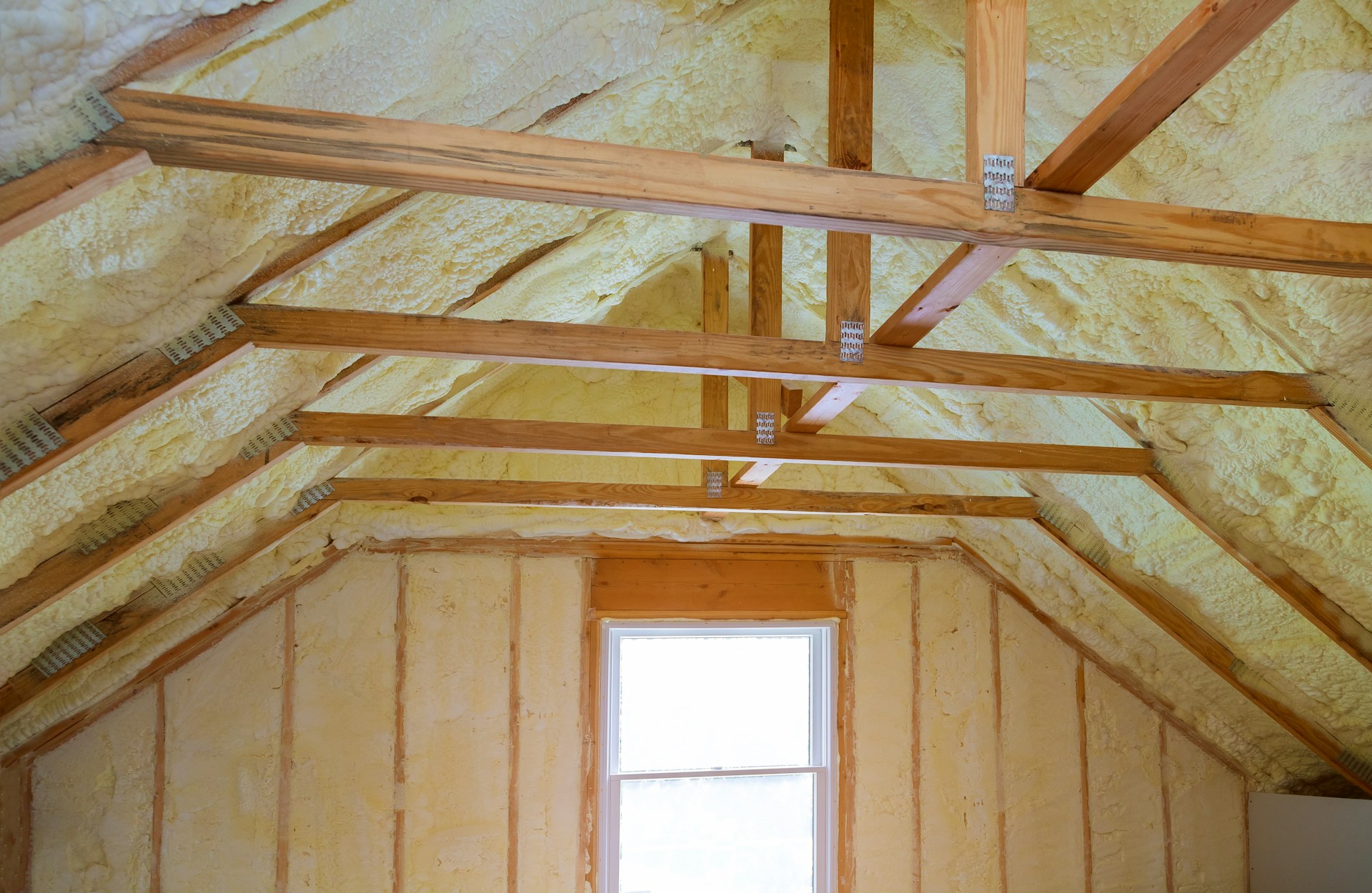
What Happens When Roof Leaks Reach Your Attic Insulation
.jpg)
Florida Rubber Roofing Myths Homeowners Should Stop Believing
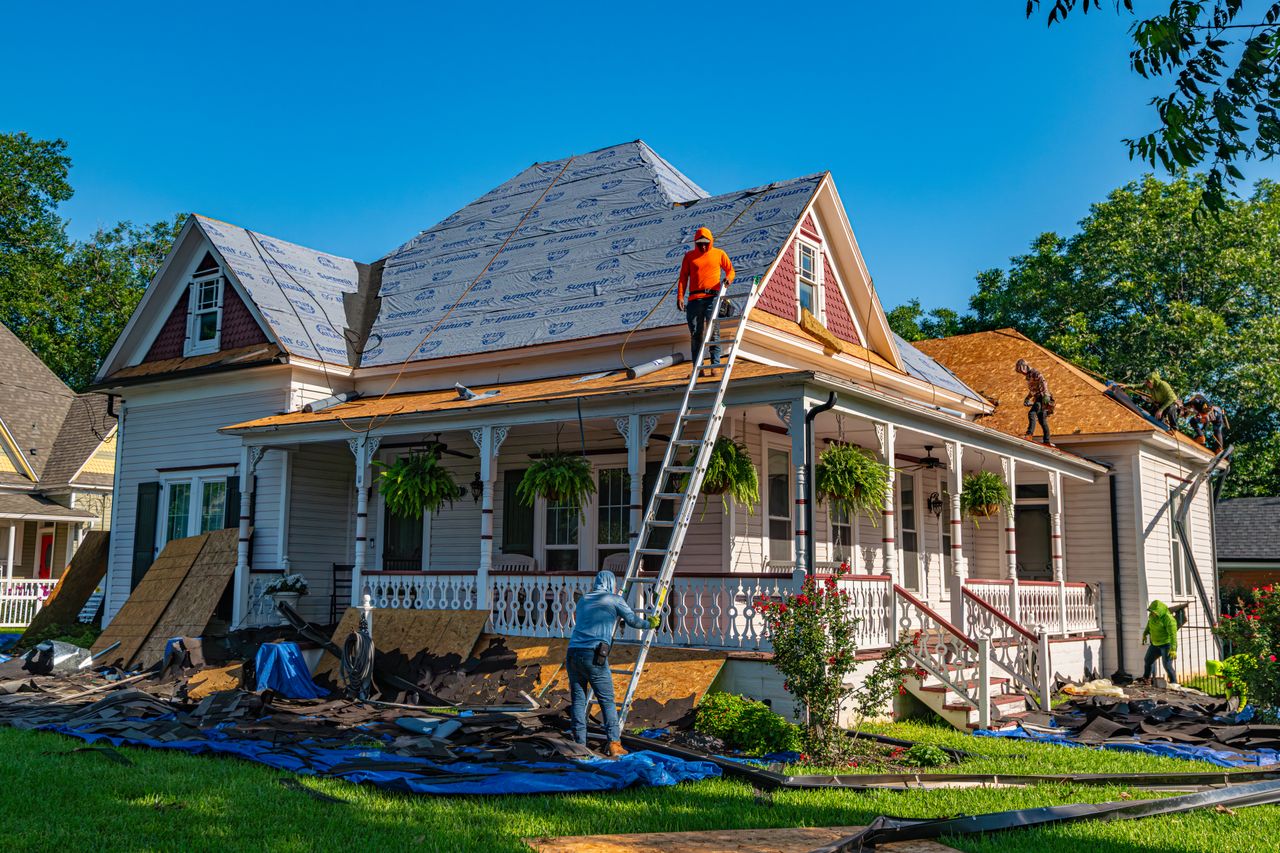
Storm Damage Roof Repairs Florida HOAs Often Underestimate
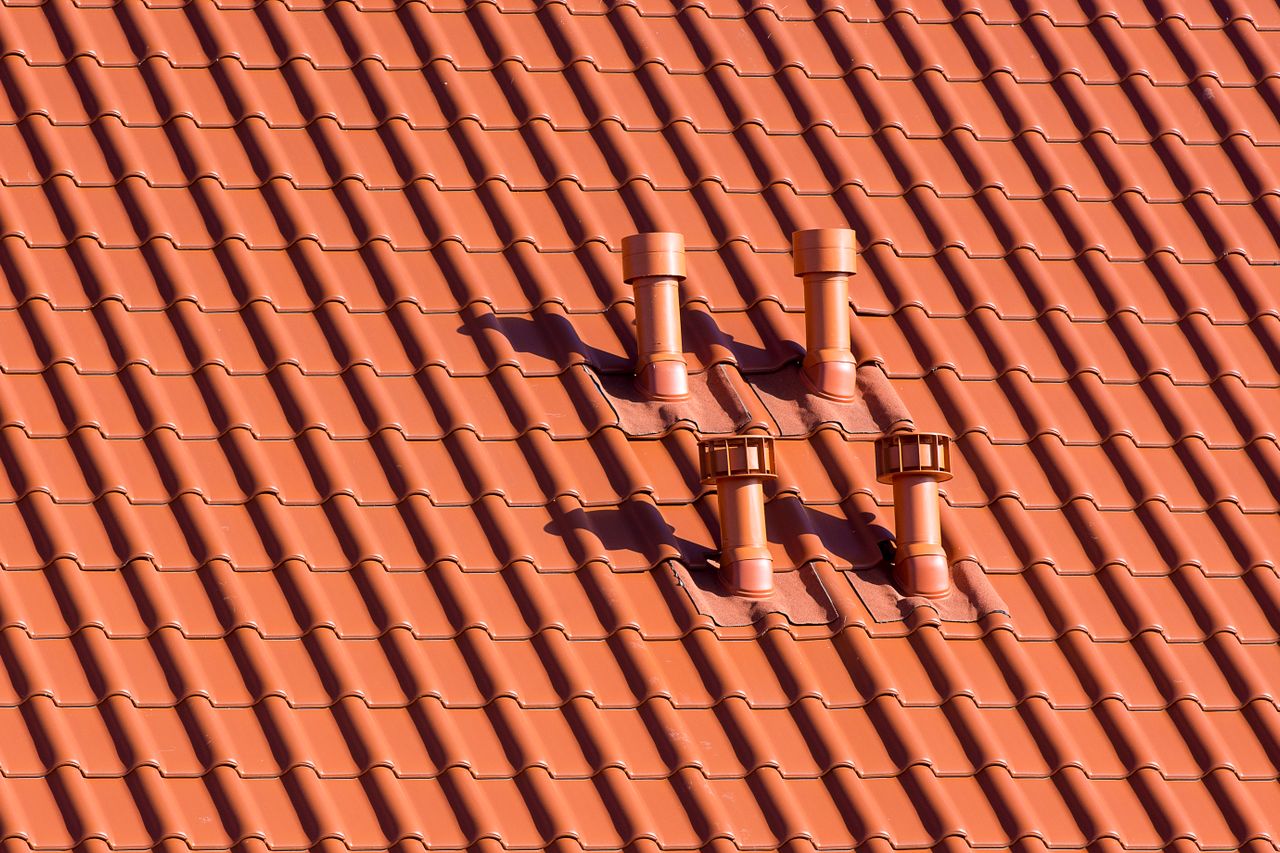
Questioning Roof Cleaning Services in Florida’s Humid Climate
Smart Roof Maintenance Plans for Florida Apartment Complexes
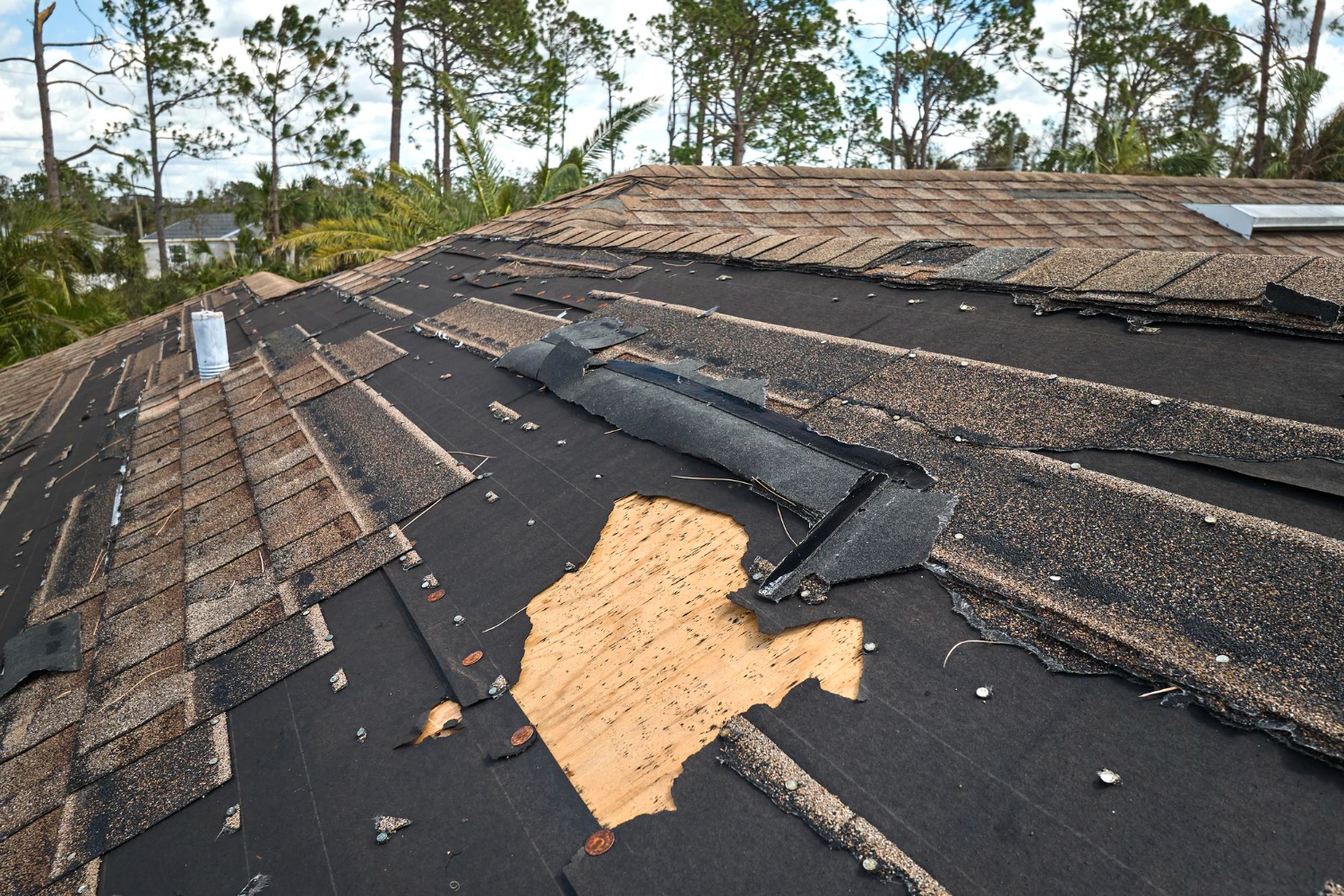
Hidden Cost Drivers in Florida Roof Replacements: Permits, Codes, Fees

Early-Morning Roof Leak Repair in Gainesville Summer Storms
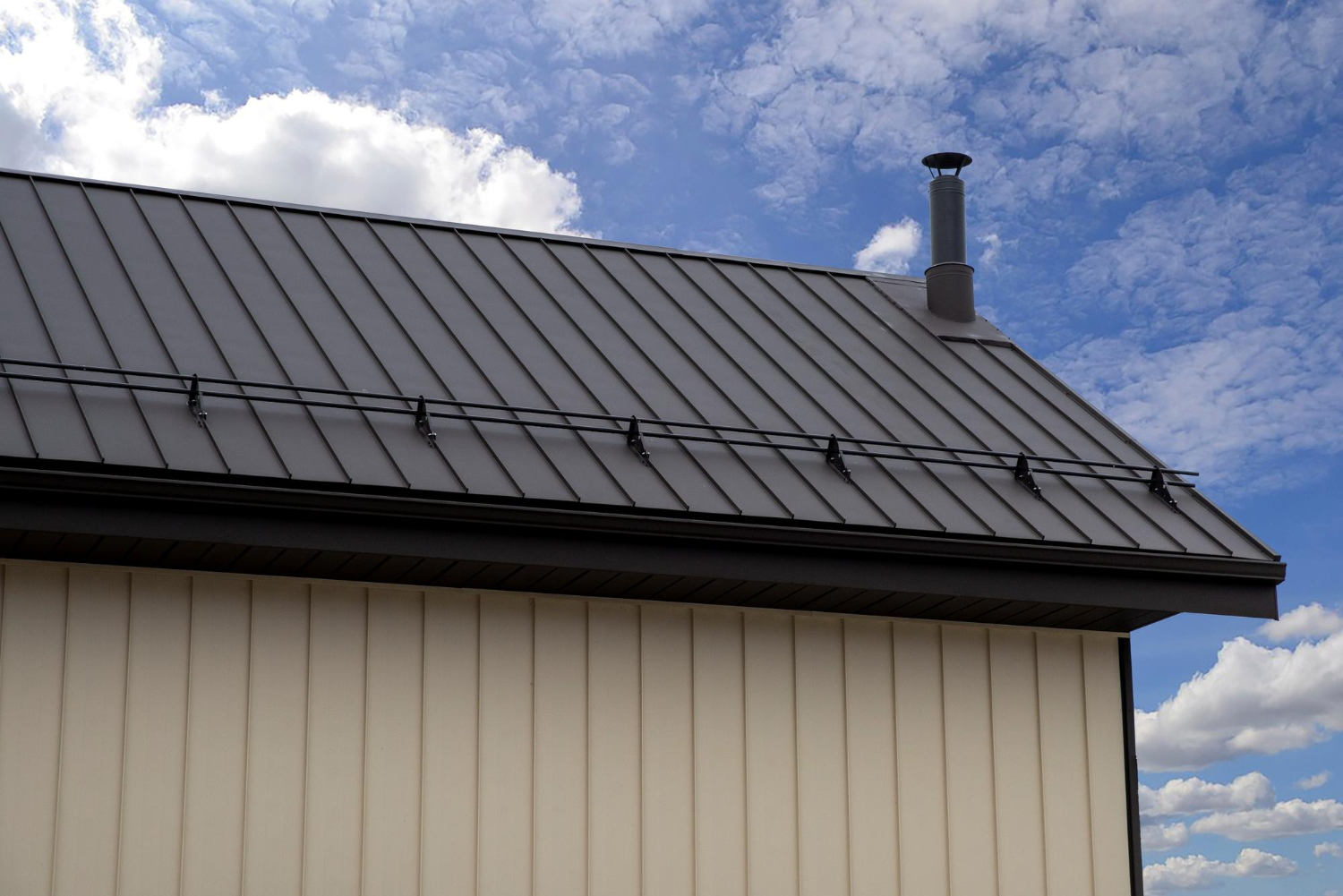
Is a Standing Seam Metal Roof Right for Florida Homes
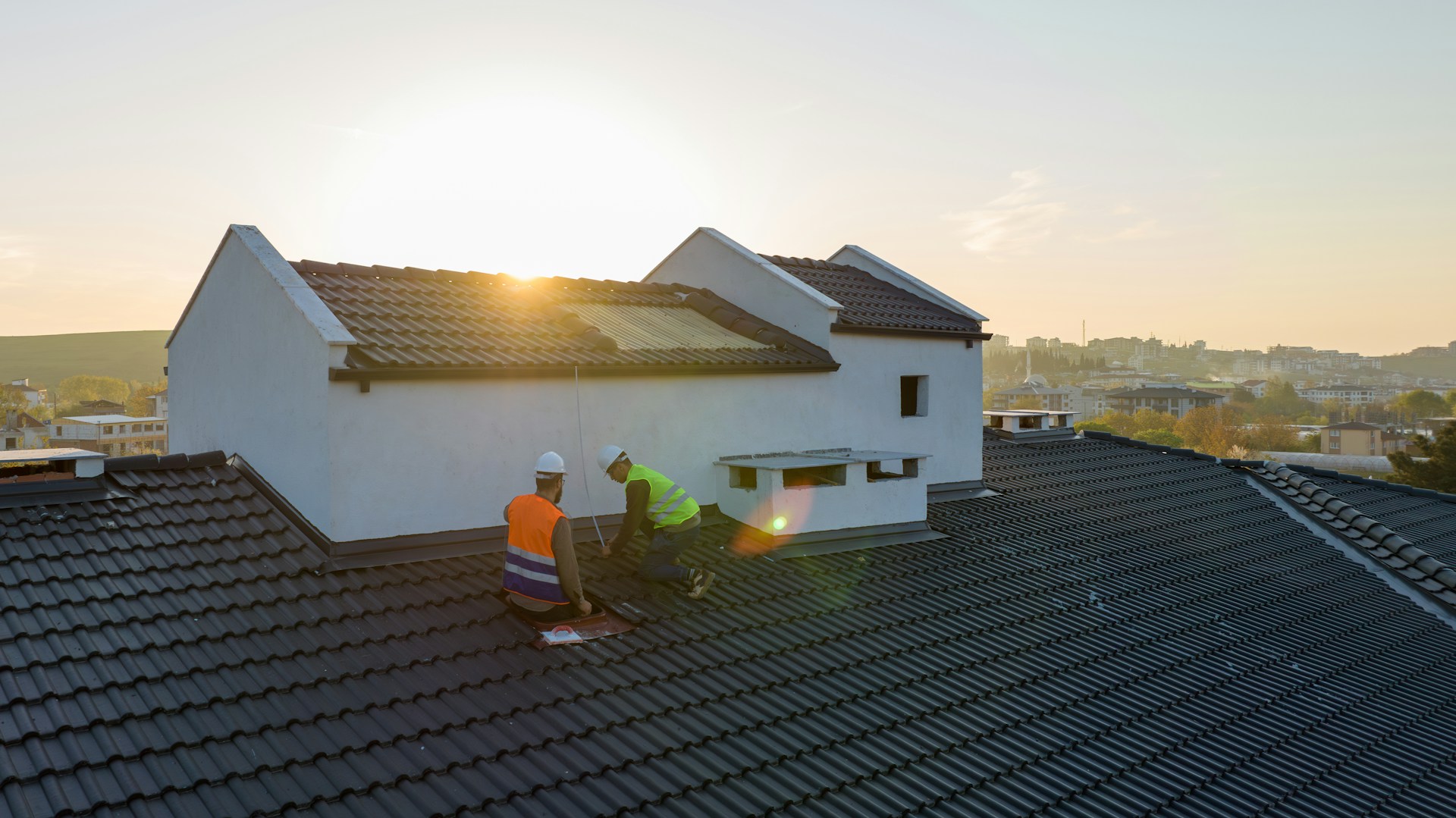
Questioning Your Roof Warranty in Florida’s Storm Belt
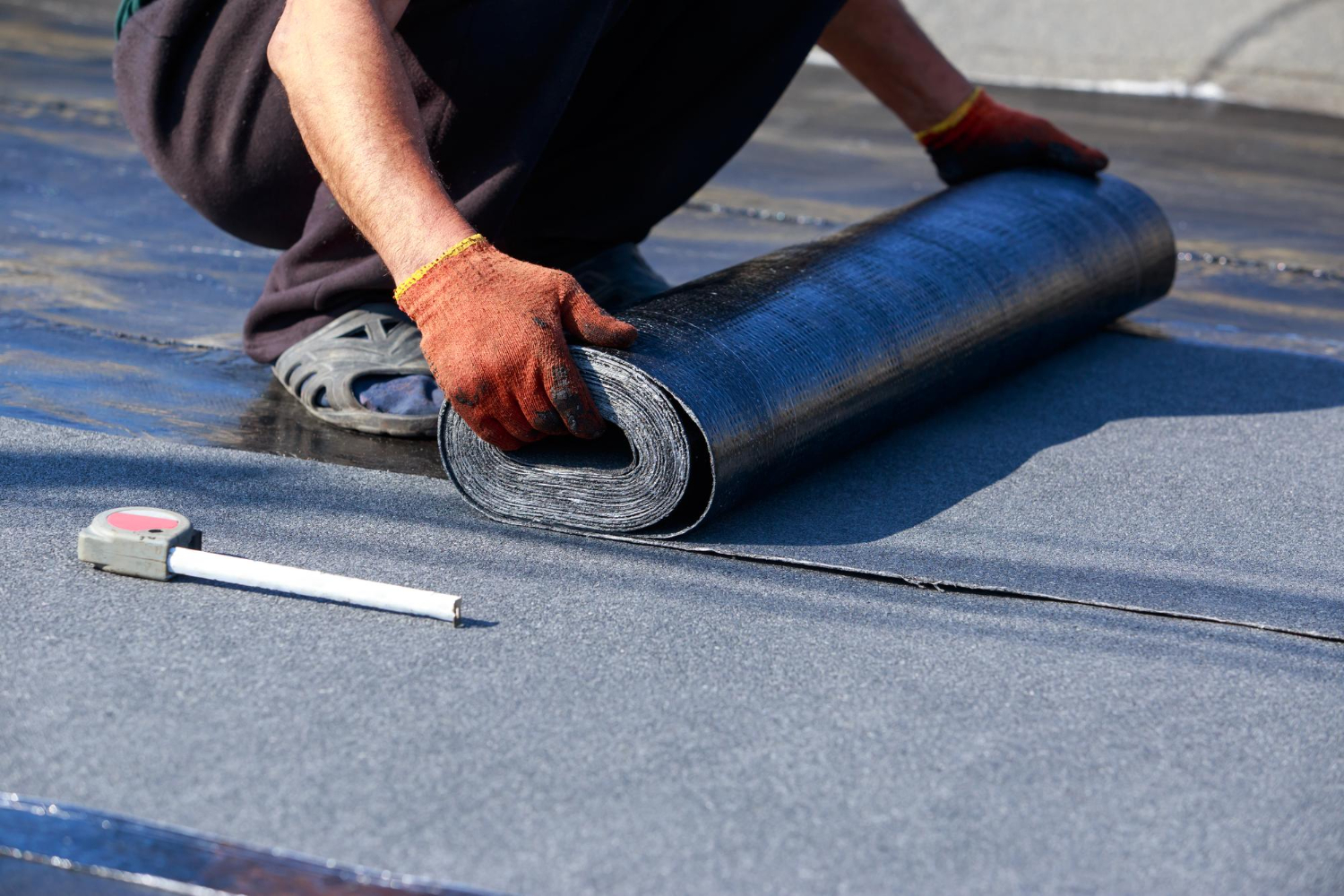
How to Choose Roof Underlayment and Waterproofing for Florida Weather
.jpg)
Why Gainesville Homebuyers Need a Dedicated Roofing Company Partner

What Gainesville Homeowners Miss in Post-Storm Roof Inspections
.jpg)
Summer Roof Maintenance Plans for Florida Homes

Roof Financing Options Florida Homeowners Should Understand

Pre-Listing Roof Inspection Tips for Gainesville Sellers
Florida Cracked Roof Tiles That Look Minor but Leak Big
Why Gainesville Roof Vent Leaks Start in the Attic First

Signs Your Florida Flat Roof Needs Professional Repair

Roof Tarping Emergency Steps for Florida Storm Nights
Understanding Hail Damage Roof Claims in Florida
.jpg)

Roof Insurance Claim Help for Florida Storm Seasons

Roof Ventilation Problems Florida Homeowners Overlook

When to Consider Roof Replacement in the Florida Climate
Ridge Vent Installation Guide for Better Attic Ventilation
Modified Bitumen Roofing For Flat & Low-Slope Buildings
GAF Timberline Shingles: Features, Cost, and Benefits

GAF Timberline HDZ: Complete Guide For Homeowners
EPDM Rubber Roofing: Benefits, Costs, and Installation
Dimensional Shingles: Boost Curb Appeal And Roof Protection

Clay Tile Roofing: Benefits, Costs, And Lifespan Guide

Chimney Flashing Repair: Stop Chimney Leaks Fast

Built-Up Roofing Guide for Flat Commercial Roofs
Best Roofing Material for Florida Homes: 2026 Guide

Why Attic Ventilation Matters For A Healthier Home

Standing Seam Metal Roof: Benefits, Cost, and Installation

Same Day Roof Repair: Fast Emergency Solutions For Your Home
Roofing Contractors In Ocala, FL: How To Choose With Confidence
Roofing Company In Ocala, FL: How To Choose A Trusted Pro
Roofers Gainesville, FL: How To Choose A Trusted Pro

Roof Repair In Ocala, FL: How To Choose A Trusted Contractor

Roof Repair In Gainesville, FL: Fast Help For Storms

Metal Roofing In Gainesville, FL: Durable Roofs That Cut Bills
Why Hiring A GAF Master Elite Roofer Matters

Corrugated Metal Roofing: Durable, Affordable Roof Guide
Best Shingles for Florida: Top Hurricane-Resistant Options

Architectural Shingles: Durable, Stylish Roofing Guide
24/7 Roof Repair: Fast Emergency Help When You Need It

.svg)


.svg)
.svg)
.svg)
.svg)
