Modified Bitumen Roofing For Flat & Low-Slope Buildings
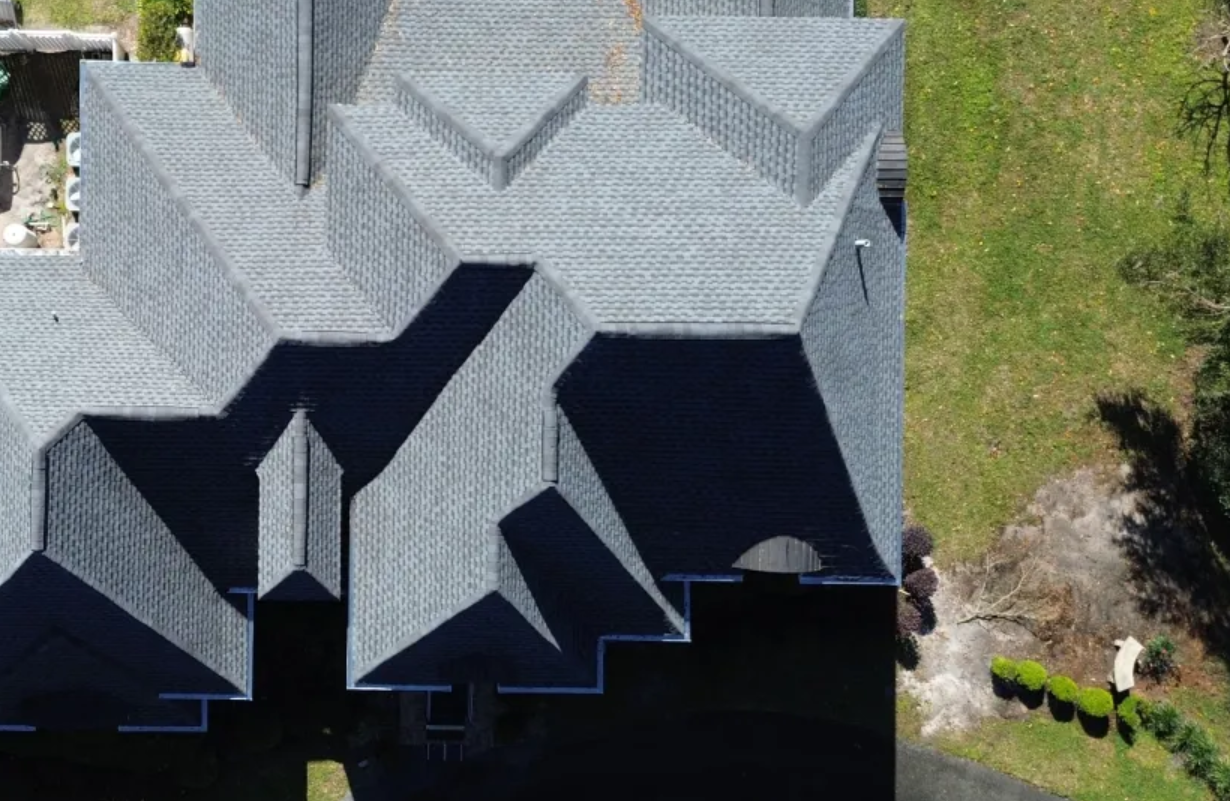
Flat and low-slope roofs often face persistent challenges. Ponding water, UV exposure, and temperature swings can slowly weaken roofing materials. Property owners need a system that delivers reliable waterproofing while standing up to daily wear.
Across North Central Florida, many building owners turn to modified bitumen roofing because it provides strong protection for flat roof structures. Energy Roofing Companies installs systems backed by GAF Master Elite® certification, a distinction earned by only about 2% of contractors nationwide.
This guide explains how modified bitumen roofing works, where it performs best, and what benefits it offers for commercial and low-slope buildings. You will also learn about installation methods, materials, and maintenance practices that help extend the roof's lifespan.
What Is Modified Bitumen Roofing?
Modified bitumen roofing begins with asphalt enhanced with rubber or plastic polymers. These modifiers improve the material’s flexibility, durability, and resistance to temperature fluctuations.
The finished membrane is specifically engineered for flat and low-slope roofing systems. It provides consistent waterproofing and performs well in areas where roofs must handle frequent rain, heat, and seasonal weather changes.
How Modified Bitumen Differs From Other Roofing Types
Modified bitumen roofing stands out because of the polymer modifiers added during manufacturing. Traditional built-up roofing (BUR) systems rely on layers of asphalt and reinforcing fabrics with gravel applied on top.
In contrast, modified bitumen membranes are factory-produced with polymer-enhanced asphalt already integrated into the material. These polymers allow the membrane to expand and contract as temperatures change. This flexibility helps reduce cracking or splitting that can occur when roofing materials become brittle.
Compared to single-ply membranes such as TPO or EPDM, modified bitumen roofing membranes are typically thicker. The additional thickness improves resistance to punctures and damage caused by maintenance foot traffic or falling debris.
Installation methods also vary between systems. Single-ply membranes are generally rolled out and mechanically attached or heat-welded. Modified bitumen roofing can be installed using torch-applied systems, cold adhesives, or self-adhered membranes, depending on the project requirements.
Types Of Modified Bitumen Membranes
There are two primary types of modified bitumen roofing membranes, and each uses a different polymer modifier to enhance performance.
SBS (Styrene-Butadiene-Styrene)
SBS membranes contain rubber-like modifiers that allow the roofing material to remain flexible even in colder temperatures. This flexibility helps prevent cracking and allows the membrane to adapt to natural building movement.
These membranes can be installed using cold adhesives, heat welding, or self-adhered systems. Because of their flexibility, SBS membranes are often used in climates where temperatures fluctuate throughout the year.
APP (Atactic Polypropylene)
APP membranes contain plastic-based modifiers that improve heat and UV resistance. This makes them particularly suitable for buildings exposed to prolonged sunlight and high temperatures.
APP membranes are most often installed using torch-applied methods, where heat melts the asphalt backing to bond the membrane securely to the roof surface.
Both SBS and APP systems typically include fiberglass or polyester reinforcement layers, which provide additional structural strength and durability.
Common Applications For Modified Bitumen
Modified bitumen roofing performs best on flat or low-slope roofs with pitches up to 3:12. For this reason, it is commonly installed on commercial buildings such as warehouses, office buildings, and retail centers.
The system is also suitable for residential flat roofs, including garages, additions, and modern architectural designs. Because the membrane is durable and resistant to foot traffic, it works well on roofs that require periodic inspections or maintenance access.
Across the United States, property owners rely on modified bitumen roofing because it performs well in both hot and cold climates. Its flexibility and layered construction help it handle temperature swings without compromising waterproofing performance.
Key Benefits Of Modified Bitumen Roofing
Modified bitumen roofing provides dependable performance, weather protection, and potential energy savings. These advantages make it a practical solution for many commercial flat roof systems.
Durability And Lifespan
When installed correctly and maintained properly, modified bitumen roofs typically last between 20 and 30 years. The combination of asphalt and polymer modifiers creates a membrane that is both flexible and resistant to cracking.
Reinforcement layers made from fiberglass or polyester provide additional structural strength. These materials help the roof resist punctures, tears, and damage caused by foot traffic or falling debris.
Routine inspections and timely repairs can further extend the lifespan of the system by preventing small issues from developing into larger problems.
Weather And UV Resistance
One of the primary advantages of modified bitumen roofing is its ability to withstand temperature extremes. Polymer modifiers help the membrane remain flexible during cold conditions while preventing excessive softening during high heat.
The multi-layer construction also provides strong resistance to heavy rain and standing water. This protection is especially valuable for flat roofs where drainage can occur more slowly.
Many modified bitumen cap sheets include mineral granules or reflective coatings that protect the membrane from UV exposure and environmental wear.
Energy Efficiency Advantages
Reflective cap sheets and coatings can help reduce heat absorption on flat roofs. These surfaces reflect sunlight rather than absorbing it, which helps maintain cooler interior temperatures during hot weather.
Some reflective coatings can reflect up to 85 percent of solar radiation, which may reduce cooling costs by 10 to 25 percent, depending on building design and insulation levels.
Adding insulation beneath the roofing membrane further improves energy performance and helps maintain more stable indoor temperatures throughout the year.
Modified Bitumen Roofing Installation Methods
There are three primary ways to install modified bitumen roofing systems: torch-applied installation, cold adhesive systems, and self-adhered membranes. Each method offers different benefits depending on building conditions and project requirements.
Torch-Applied Systems
Torch-applied installation uses a propane torch to heat the underside of the membrane. As the asphalt melts, the membrane bonds directly to the base layer or roof deck.
This process creates a strong and durable bond that performs well on commercial roofing systems. Installers carefully heat and roll out the material to ensure a consistent seal across the roof surface.
Torch-applied installation requires certified installers, proper ventilation, and strict safety procedures. In many cases, building permits and fire monitoring are also required during installation.
Cold-Adhesive Installation
Cold adhesive systems replace open flames with specialized roofing adhesives. Installers spread adhesive across the roof surface and press the membrane into place to form the bond.
Because no open flame is involved, this method is often preferred for schools, hospitals, and occupied commercial buildings where fire safety is a concern. Cold adhesive systems generally require warmer temperatures for proper curing. They may also take longer to fully bond compared to torch-applied installations.
Self-Adhered Membranes
Self-adhered modified bitumen membranes include a factory-applied adhesive layer protected by a removable release film. During installation, the film is removed, and the membrane is pressed directly onto the prepared roof surface. This approach is often considered the fastest and safest installation method for smaller roofing projects.
Although self-adhered systems may cost more per square foot, installation typically requires less labor. For this reason, they are frequently used for residential flat roofs, repairs, and smaller commercial applications.
Modified Bitumen Roofing Components And Materials
A modified bitumen roofing system consists of several layers that work together to protect the building structure. Each component plays a specific role in waterproofing, durability, and weather resistance.
Base And Cap Sheets
Base sheets attach directly to the roof deck and provide the structural foundation for the roofing system. These sheets typically contain fiberglass or polyester reinforcement coated with modified asphalt.
Cap sheets are installed above the base layer and provide the primary waterproofing protection. These sheets are thicker and coated with modified asphalt on both sides. SBS cap sheets are valued for their flexibility, while APP cap sheets are often selected for enhanced resistance to heat and UV exposure.
Reinforcement Materials
Reinforcement layers improve the strength and stability of modified bitumen membranes. Fiberglass reinforcement is commonly used because it offers strong tear resistance at a relatively low cost.
Polyester reinforcement provides greater flexibility and tensile strength. It allows the membrane to stretch slightly without tearing, which can be beneficial for buildings that experience structural movement. Some manufacturers combine fiberglass and polyester to balance durability, flexibility, and cost.
Surface Finish Options
Surface finishes protect the roofing membrane from sunlight, weather exposure, and physical damage. Smooth-surfaced membranes are often used when an additional protective layer, such as gravel, will be installed.
These surfaces provide a basic foundation but offer limited UV protection on their own. Granule-surfaced cap sheets contain ceramic-coated mineral granules embedded in the asphalt. These granules improve UV resistance and surface durability.
Metal foil finishes, such as aluminum surfaces, offer excellent reflectivity and improved fire resistance. These finishes are often selected for buildings in warm climates where solar heat exposure is significant.
Maintenance And Repair Tips For Modified Bitumen Roofs
Regular maintenance plays an important role in extending the lifespan of modified bitumen roofing systems. Routine inspections and timely repairs help prevent small issues from becoming larger structural problems.
Routine Inspection Guidelines
Inspect your modified bitumen roof at least twice per year, typically in the spring and fall. During inspections, look for cracks, blisters, or unusual surface changes that may indicate developing damage.
Seams and flashing areas should receive particular attention, as these locations are more vulnerable to leaks.
After severe storms or heavy rainfall, an additional inspection is recommended to check for debris, membrane damage, or standing water that remains on the roof for more than 48 hours. Keeping detailed inspection notes and photos can help track changes and identify patterns that require professional attention.
Preventing And Managing Leaks
Small leaks can often be repaired using cold-process roofing cement or adhesive. Before applying repair materials, the area should be cleaned and dried thoroughly to ensure proper adhesion.
Minor cracks and punctures can typically be sealed with roofing cement. Larger repair areas may require reinforcing fabric embedded into the repair compound to strengthen the patch.
Blisters sometimes develop when air or moisture becomes trapped beneath the membrane. Roofing professionals may carefully open and reseal these areas to restore the membrane surface.
Flashing around roof penetrations should also be inspected regularly and resealed when necessary to prevent water infiltration.
Extending Roof Service Life
With consistent maintenance, modified bitumen roofing can remain functional for two decades or longer. Property owners should remove leaves, branches, and debris from the roof several times each year. Accumulated debris can trap moisture and accelerate material deterioration.
Maintaining clear drains and gutters also helps prevent standing water from forming on the roof surface. Trimming nearby tree branches reduces the risk of surface damage from falling limbs or abrasive contact in windy conditions.
Applying a protective roof coating every 5 to 10 years can add another layer of protection and improve solar reflectivity. Addressing small issues promptly helps prevent water intrusion and more expensive repairs.
If damage becomes widespread or recurring, a professional inspection may be necessary to determine whether larger repairs or replacement are needed.
Protecting Your Building With The Right Flat Roofing System
Selecting the right modified bitumen roofing system helps protect your property from water intrusion, weather exposure, and long-term structural damage. When installed correctly and maintained consistently, this roofing system provides dependable protection for flat and low-slope buildings.
Property owners throughout North Central Florida rely on Energy Roofing Companies for professional inspections, transparent recommendations, and roofing solutions designed to perform in Florida’s climate.
If your building has a flat roof that needs evaluation or repair, schedule a free roof inspection or call 855-766-3852 to discuss your roofing options with a qualified professional.
Frequently Asked Questions
What Is Modified Bitumen Roofing?
Modified bitumen roofing is a flat and low-slope roofing system made from asphalt that has been enhanced with rubber or plastic polymers. These modifiers improve flexibility, durability, and resistance to temperature changes.
The material is installed in layered membranes that create a strong waterproof barrier. This makes modified bitumen roofing a common choice for commercial buildings and residential flat roofs.
How Long Does Modified Bitumen Roofing Last?
When installed correctly and maintained regularly, modified bitumen roofing systems typically last 20 to 30 years. The exact lifespan depends on factors such as climate conditions, roof maintenance, and the quality of installation. Routine inspections and small repairs can help extend the roof’s service life and prevent premature damage.
Is Modified Bitumen Roofing Good For Flat Roofs?
Yes. Modified bitumen roofing is specifically designed for flat and low-slope roofs. Its layered construction helps protect against water intrusion, which is one of the biggest concerns for flat roofing systems. The membrane is also thick and durable, allowing it to withstand foot traffic during inspections or maintenance.
What Is The Difference Between SBS And APP Modified Bitumen?
The main difference is the type of polymer modifier used in the asphalt. SBS (Styrene-Butadiene-Styrene) membranes use rubber modifiers that improve flexibility and cold-weather performance.
APP (Atactic Polypropylene) membranes use plastic modifiers that improve heat resistance and UV protection. APP systems are often installed using torch-applied methods. Both types provide strong waterproofing and durability when installed properly.
Can Modified Bitumen Roofing Be Repaired?
Yes. One advantage of modified bitumen roofing is that many small problems can be repaired without replacing the entire system. Roofing professionals can patch cracks, seal seams, and repair punctures using compatible adhesives or reinforcement materials. Regular inspections help identify these issues early before they develop into larger leaks.
Is Modified Bitumen Roofing Energy Efficient?
Modified bitumen roofing can contribute to energy efficiency when reflective coatings or light-colored cap sheets are used. These reflective surfaces help reduce heat absorption by reflecting sunlight away from the roof.
Lower heat absorption can reduce indoor cooling demand during warmer months. Additional insulation installed beneath the membrane can further improve overall building energy performance.
Related posts
Apartment Complex Roofing Decisions Property Managers Regret
What Gainesville Roofers Recommend Before Your First Skylight Installation
Questioning Roof Coating Services for Florida Flat Roofs
Choosing Roof Replacement After Florida Hurricane Landfall
.jpg)
How Florida Insurance, Wind Mitigation Credits, and Deductibles Affect Roof
What Happens When Roof Leaks Reach Your Attic Insulation
.jpg)
Florida Rubber Roofing Myths Homeowners Should Stop Believing
Storm Damage Roof Repairs Florida HOAs Often Underestimate

Questioning Roof Cleaning Services in Florida’s Humid Climate
Smart Roof Maintenance Plans for Florida Apartment Complexes
Hidden Cost Drivers in Florida Roof Replacements: Permits, Codes, Fees

Early-Morning Roof Leak Repair in Gainesville Summer Storms
Is a Standing Seam Metal Roof Right for Florida Homes
Questioning Your Roof Warranty in Florida’s Storm Belt
How to Choose Roof Underlayment and Waterproofing for Florida Weather
.jpg)
Why Gainesville Homebuyers Need a Dedicated Roofing Company Partner

What Gainesville Homeowners Miss in Post-Storm Roof Inspections
.jpg)
Summer Roof Maintenance Plans for Florida Homes

Roof Financing Options Florida Homeowners Should Understand

Pre-Listing Roof Inspection Tips for Gainesville Sellers
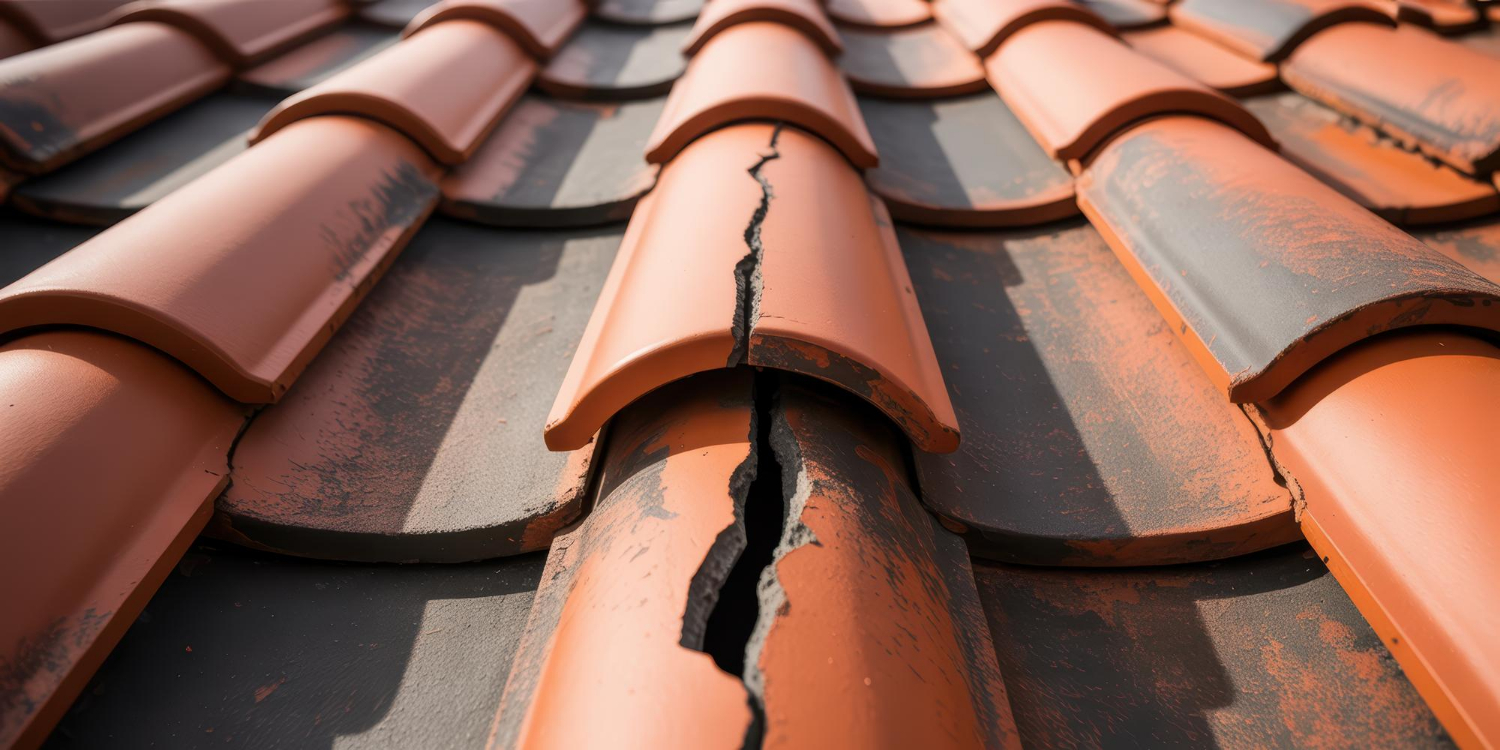
Florida Cracked Roof Tiles That Look Minor but Leak Big
Why Gainesville Roof Vent Leaks Start in the Attic First

Signs Your Florida Flat Roof Needs Professional Repair

Roof Tarping Emergency Steps for Florida Storm Nights
Understanding Hail Damage Roof Claims in Florida
.jpg)

Roof Insurance Claim Help for Florida Storm Seasons

Roof Ventilation Problems Florida Homeowners Overlook

When to Consider Roof Replacement in the Florida Climate
Ridge Vent Installation Guide for Better Attic Ventilation
Modified Bitumen Roofing For Flat & Low-Slope Buildings
GAF Timberline Shingles: Features, Cost, and Benefits

GAF Timberline HDZ: Complete Guide For Homeowners
EPDM Rubber Roofing: Benefits, Costs, and Installation
Dimensional Shingles: Boost Curb Appeal And Roof Protection

Clay Tile Roofing: Benefits, Costs, And Lifespan Guide

Chimney Flashing Repair: Stop Chimney Leaks Fast

Built-Up Roofing Guide for Flat Commercial Roofs
Best Roofing Material for Florida Homes: 2026 Guide

Why Attic Ventilation Matters For A Healthier Home

Standing Seam Metal Roof: Benefits, Cost, and Installation

Same Day Roof Repair: Fast Emergency Solutions For Your Home
Roofing Contractors In Ocala, FL: How To Choose With Confidence
Roofing Company In Ocala, FL: How To Choose A Trusted Pro
Roofers Gainesville, FL: How To Choose A Trusted Pro

Roof Repair In Ocala, FL: How To Choose A Trusted Contractor

Roof Repair In Gainesville, FL: Fast Help For Storms

Metal Roofing In Gainesville, FL: Durable Roofs That Cut Bills
Why Hiring A GAF Master Elite Roofer Matters

Corrugated Metal Roofing: Durable, Affordable Roof Guide

Best Shingles for Florida: Top Hurricane-Resistant Options

Architectural Shingles: Durable, Stylish Roofing Guide
24/7 Roof Repair: Fast Emergency Help When You Need It

.svg)


.svg)
.svg)
.svg)
.svg)
