How Florida Insurance, Wind Mitigation Credits, and Deductibles Affect Roof
.jpg)
When Florida homeowners ask how much roof replacement costs in Florida, the answers can feel all over the place. One neighbor pays one amount, another pays something totally different, and the quotes from roofers do not always match what the insurance company is willing to cover. A big reason is that in our state, your final cost is shaped not only by the roof work itself but also by your insurance policy, wind mitigation credits, and your deductibles.
In this guide, we will break down how those pieces fit together. We will talk through what drives roof pricing, how to read key parts of your policy, what wind mitigation really means, and how timing and deductibles affect your cash flow when it is time for a new roof.
Why Roof Replacement Costs Feel So Confusing in Florida
Florida is different. We live with hurricanes, strong wind, heavy rain, and bright sun almost all year. Our building codes are strict, and insurance rules change as storms hit and companies adjust their risk. All of that lands directly on your roof.
Many homeowners are surprised to learn that two houses with the same roof estimate can end up with very different out-of-pocket costs. The difference often comes from:
- How the policy pays for roof damage
- What the hurricane or wind deductible is
- Whether the roof qualifies for wind mitigation credits
- The age and condition of the existing roof
Once you see how these pieces connect, it becomes easier to plan, ask better questions, and avoid harsh surprises when a storm hits.
What Drives Roof Replacement Prices in Florida
The first piece of the puzzle is the actual roofing work. Florida roofs are built with hurricane risk in mind, which affects material and labor needs.
Key cost drivers include:
- Climate and code requirements, like high wind ratings and specific fastening patterns
- Roof size and shape
- Material type, such as shingles, metal, or tile
- Local labor and permit rules
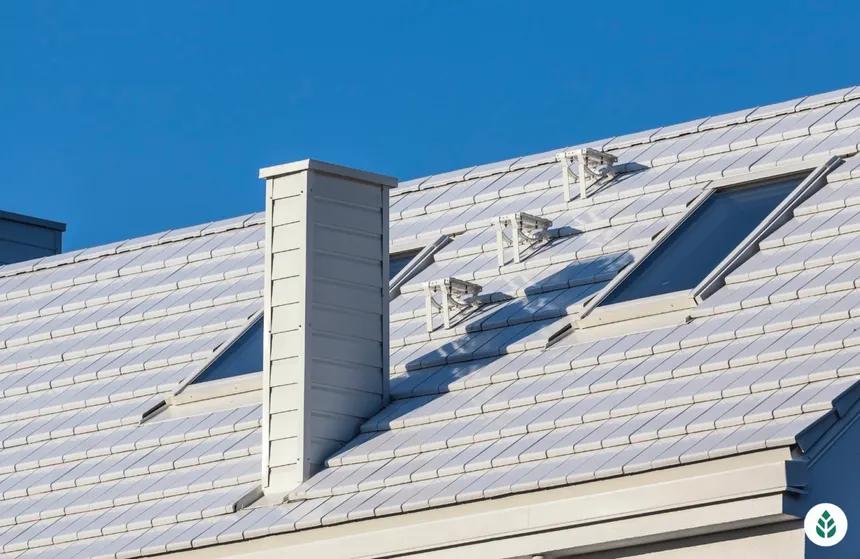
A large, steep roof with many angles, skylights, or valleys will usually require more labor and more materials than a simple, low-slope roof. Different materials can also change the final number, especially when you factor in the underlayment, flashing, and any code-required upgrades.
Permits and inspections are also part of the picture. Local rules require permits, and inspectors will check that the work meets the Florida Building Code. Working with a licensed, insured roofing contractor helps reduce the risk of failed inspections or missed code items that can cause delays and extra work.
How Florida Insurance Policies Shape What You Pay
The next big factor is how your insurance policy is written. Two policies with the same company can treat the same roof very differently.
Here are three areas to read closely:
- Actual cash value vs replacement cost
- Hurricane and wind deductibles
- Exclusions and age limits
An actual cash value policy pays what your roof is worth today, after age and wear, not what it costs to put on a brand-new roof. A replacement cost policy is designed to pay the cost of replacing the damaged roof with similar materials, up to policy limits, after your deductible.
Hurricane and wind deductibles in Florida are often listed as a percentage of your dwelling coverage, not a flat dollar amount. That means your share of the bill when a named storm damages your roof can feel much higher than the regular deductible you see for other claims.
Many policies also have rules about roof age. Once a roof passes a certain age, coverage may be reduced or limited. If your roof is older, the insurance payment might be smaller, and you will pay more of the replacement cost yourself.
Wind Mitigation Credits That Can Lower Roof Costs Over Time
Wind mitigation is all about how your roof and home stand up to high wind. Certain features can make a big difference when a storm hits and can also affect your insurance premium.
Common wind mitigation features include:
- Strong roof-to-wall connections, like clips or straps
- A secondary water barrier under the main roof covering
- Roof decking attached with specific fasteners
- Roof coverings that meet current Florida Building Code
When you get a wind mitigation inspection, the inspector looks for these features and reports them to your insurance company. If your home scores well, you may qualify for credits that lower your premium. Over time, the savings can help balance out the cost of a higher-quality roof replacement.
During a roof replacement, upgrades such as better underlayment, improved decking attachment, and stronger connections between the roof and walls can often be added. These are the kinds of details that can improve your wind mitigation report and may help reduce long-term insurance costs.
Calculating How Much You Really Pay Out of Pocket
So how does this all come together when you are trying to figure out how much roof replacement costs in Florida for your situation?
Start with the contractor estimate. A typical replacement quote might include:
- Tear-off and disposal of the old roofing
- New underlayment and roof covering
- Flashing, vents, and other accessories
- Labor and project management
- Permits and any code-required upgrades
Then look at your insurance policy. If the roof damage is covered, the insurance company will compare the contractor estimate to your coverage, subtract depreciation if you have an actual cash value policy, and apply your deductible.
For example, with a percentage hurricane deductible, your share of the cost during a named storm event may be higher than you expect. If your policy also factors in depreciation on an older roof, that further shifts part of the bill back to you.
Do not forget possible extra costs like emergency tarping after a storm, repairs to damaged decking found once the old roof comes off, and any schedule pressure during the busy storm season that can affect timing and availability.
How Deductibles and Timing Impact Your Cash Flow
Your deductible is one of the most important choices you make when you set up your policy. A higher deductible usually means a lower premium, but it also means paying more out of pocket when the roof is damaged.
When thinking about your deductible, ask:
- If a storm hit tomorrow, could I comfortably pay this amount?
- Do I have savings set aside for a roof claim?
- How does the higher deductible compare to what I save on premiums each year?
Timing also plays a big role in how stressful a roof project feels. Planning a replacement before peak storm season can help you avoid emergency work, extra interior damage from leaks, and tighter schedules. When you have time to plan, it is easier to review your policy, arrange inspections, and decide which upgrades make sense.
Some homeowners choose to bundle a needed roof replacement with a fresh wind mitigation inspection and code-compliant upgrades. Done together, these steps can line up your roof project, possible policy credits, and your budget in a more predictable way.
Working with a Roofer Who Understands Florida Insurance
Roof replacement in Florida is not just about putting on new shingles or panels. It is about making sure the work, the paperwork, and the insurance side all line up.
When you work with a roofer who understands local insurance practices, you get help with:
- Clear photos and documentation of storm damage
- Detailed estimates that match what adjusters expect to see
- Explanations of code items that must be included in the scope
Transparent pricing is also key. A good proposal will spell out labor, materials, and code upgrades so you can see how your project compares to your coverage. At Energy Roofing Companies, we work on both residential and commercial roofs across Florida and nearby states, and we know how important it is to coordinate roof work with storm-damage claims and policy rules.
Taking time now to learn how your insurance, wind mitigation credits, and deductibles fit together can save you a lot of confusion when the next big storm passes through. When you combine that knowledge with a clear, detailed roof estimate, you are in a much stronger position to control your out-of-pocket costs and protect your home for the long run.
Protect Your Florida Home With a Trusted Roofing Partner
If you are asking yourself How much does roof replacement cost in Florida?, we can walk you through clear pricing and the options that fit your home and budget. At Energy Roofing Companies, we inspect your current roof, explain what truly needs attention, and provide a detailed, no-pressure estimate. Reach out today and let us help you plan a roof replacement that protects your home for years to come, or contact us to schedule your inspection.
Related posts
Apartment Complex Roofing Decisions Property Managers Regret

What Gainesville Roofers Recommend Before Your First Skylight Installation
Questioning Roof Coating Services for Florida Flat Roofs
Choosing Roof Replacement After Florida Hurricane Landfall
How Florida Insurance, Wind Mitigation Credits, and Deductibles Affect Roof
What Happens When Roof Leaks Reach Your Attic Insulation
.jpg)
Florida Rubber Roofing Myths Homeowners Should Stop Believing
Storm Damage Roof Repairs Florida HOAs Often Underestimate

Questioning Roof Cleaning Services in Florida’s Humid Climate

Smart Roof Maintenance Plans for Florida Apartment Complexes
Hidden Cost Drivers in Florida Roof Replacements: Permits, Codes, Fees

Early-Morning Roof Leak Repair in Gainesville Summer Storms
Is a Standing Seam Metal Roof Right for Florida Homes
Questioning Your Roof Warranty in Florida’s Storm Belt
How to Choose Roof Underlayment and Waterproofing for Florida Weather
.jpg)
Why Gainesville Homebuyers Need a Dedicated Roofing Company Partner

What Gainesville Homeowners Miss in Post-Storm Roof Inspections
.jpg)
Summer Roof Maintenance Plans for Florida Homes

Roof Financing Options Florida Homeowners Should Understand

Pre-Listing Roof Inspection Tips for Gainesville Sellers
Florida Cracked Roof Tiles That Look Minor but Leak Big
Why Gainesville Roof Vent Leaks Start in the Attic First

Signs Your Florida Flat Roof Needs Professional Repair

Roof Tarping Emergency Steps for Florida Storm Nights
Understanding Hail Damage Roof Claims in Florida
.jpg)

Roof Insurance Claim Help for Florida Storm Seasons

Roof Ventilation Problems Florida Homeowners Overlook

When to Consider Roof Replacement in the Florida Climate
Ridge Vent Installation Guide for Better Attic Ventilation
Modified Bitumen Roofing For Flat & Low-Slope Buildings
GAF Timberline Shingles: Features, Cost, and Benefits

GAF Timberline HDZ: Complete Guide For Homeowners
EPDM Rubber Roofing: Benefits, Costs, and Installation
Dimensional Shingles: Boost Curb Appeal And Roof Protection

Clay Tile Roofing: Benefits, Costs, And Lifespan Guide

Chimney Flashing Repair: Stop Chimney Leaks Fast

Built-Up Roofing Guide for Flat Commercial Roofs
Best Roofing Material for Florida Homes: 2026 Guide

Why Attic Ventilation Matters For A Healthier Home

Standing Seam Metal Roof: Benefits, Cost, and Installation

Same Day Roof Repair: Fast Emergency Solutions For Your Home
Roofing Contractors In Ocala, FL: How To Choose With Confidence
Roofing Company In Ocala, FL: How To Choose A Trusted Pro
Roofers Gainesville, FL: How To Choose A Trusted Pro

Roof Repair In Ocala, FL: How To Choose A Trusted Contractor

Roof Repair In Gainesville, FL: Fast Help For Storms

Metal Roofing In Gainesville, FL: Durable Roofs That Cut Bills
Why Hiring A GAF Master Elite Roofer Matters

Corrugated Metal Roofing: Durable, Affordable Roof Guide

Best Shingles for Florida: Top Hurricane-Resistant Options

Architectural Shingles: Durable, Stylish Roofing Guide
24/7 Roof Repair: Fast Emergency Help When You Need It

.svg)


.svg)
.svg)
.svg)
.svg)
