Questioning Roof Cleaning Services in Florida’s Humid Climate
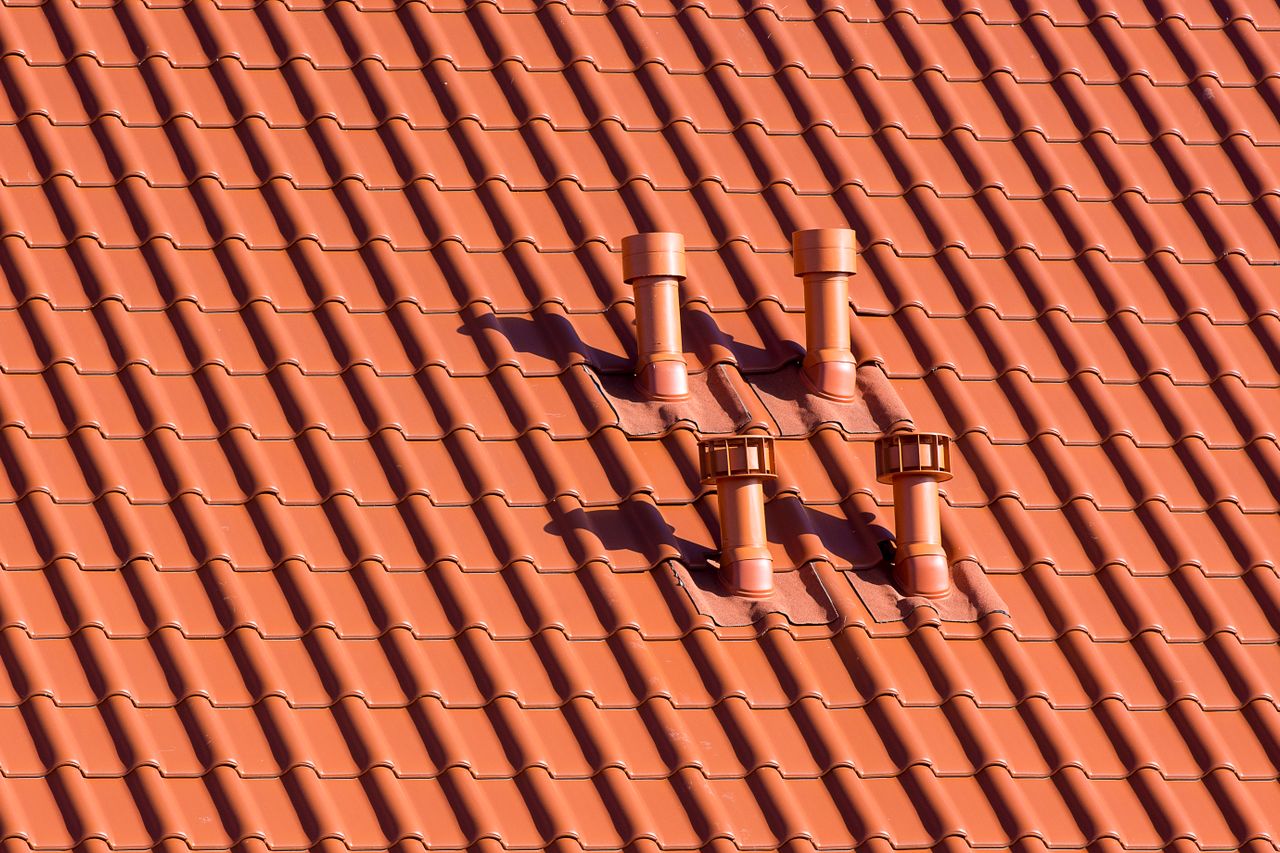
Is Roof Cleaning Really Helping Your Florida Roof?
Roof cleaning services sound simple. Your roof has black streaks, you call a company, they blast it clean, and everything looks fresh again. But in Florida’s hot, humid, stormy climate, the wrong kind of cleaning can quietly damage your roof, shorten its life, and even cause problems with your warranty.
In this post, we will sort out what those stains really mean, how different cleaning methods affect your roof, and when cleaning is smart versus when it is a bad idea. We will also look at safer options and how to decide between cleaning, repairing, or replacing, based on what we see every day across Florida, Georgia, and Alabama.
What Roof Stains Really Mean in Humid Climates
In our warm, humid region, roofs rarely stay spotless for long. Constant moisture, warm air, and shaded areas create a perfect home for organic growth. Those black streaks you see on many roofs are often algae, commonly called Gloeocapsa magma. You might also see mildew or even moss in damp, shaded spots.
Here is what stains usually tell you:
- Black streaks on shingles are often algae, not always mold
- Green patches or fuzzy growth can be moss or heavier algae
- Brown or dirty-looking areas might be a mix of dirt, pollen, and growth
Not all stains mean your roof is failing. Many times, they are mostly cosmetic. But stains can also be an early warning if you notice:
- Shingles lifting, curling, or looking distorted
- Soft or spongy spots in the decking when walked on
- Granules collecting in your gutters or at downspouts
- Damp marks on ceilings or in the attic after storms
Dark stains can slightly increase heat absorption on the roof surface, which can affect how hard your AC has to work during the hottest months. They also lower curb appeal, which matters if you are thinking about selling or getting ready for storm season. Cleaning can help appearance and reflectivity, but it must be done in a way that protects the roof system underneath.
The Hidden Risks of Harsh Roof Cleaning Services
High-pressure washing might look satisfying, but it can be rough on a roof. Many general pressure washing crews treat roofs like driveways, which is a big problem in our climate where roofs already take a beating from sun and storms.
High pressure on different roofing types can cause issues like:
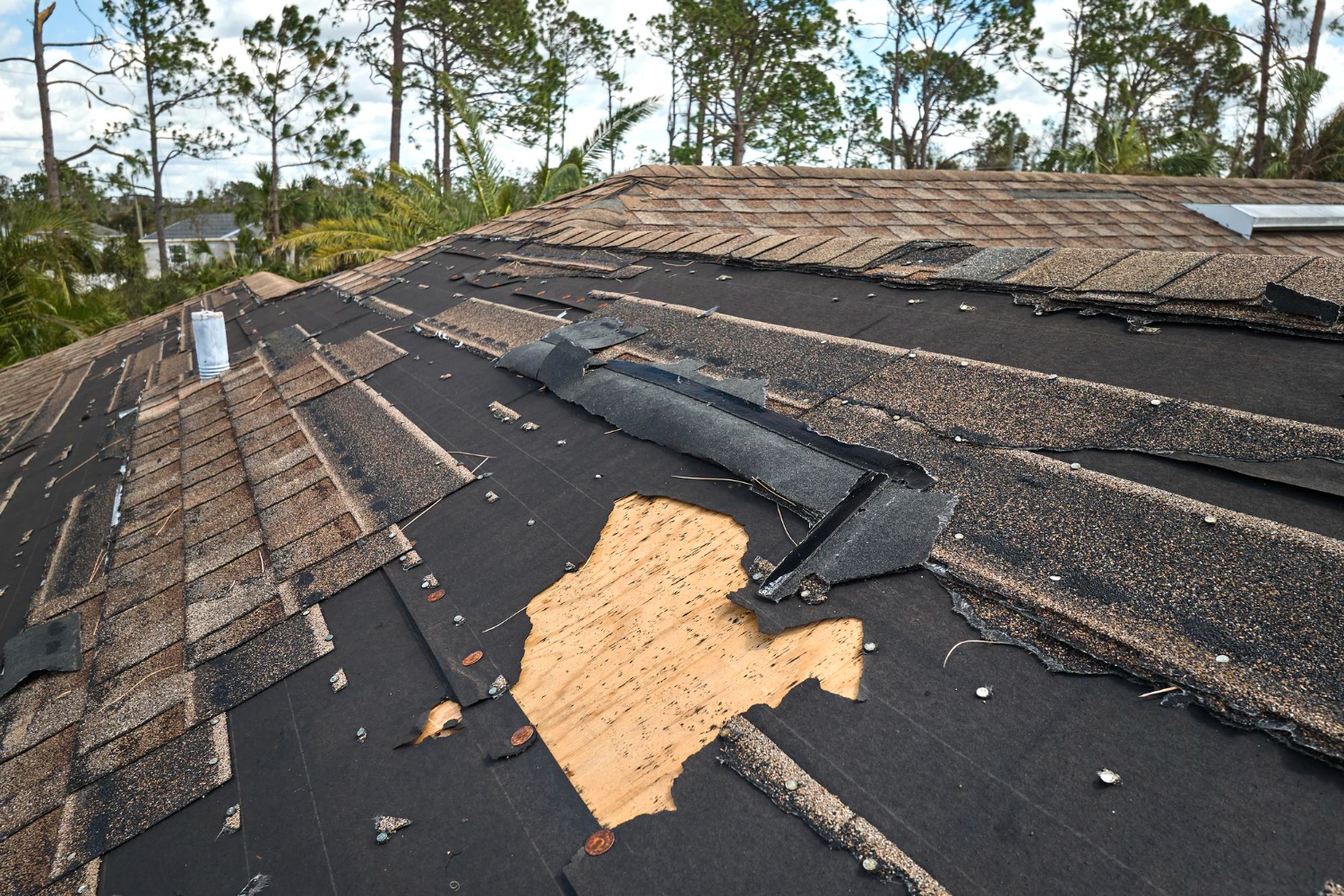
Asphalt shingles: stripped granules, exposed asphalt base, faster aging
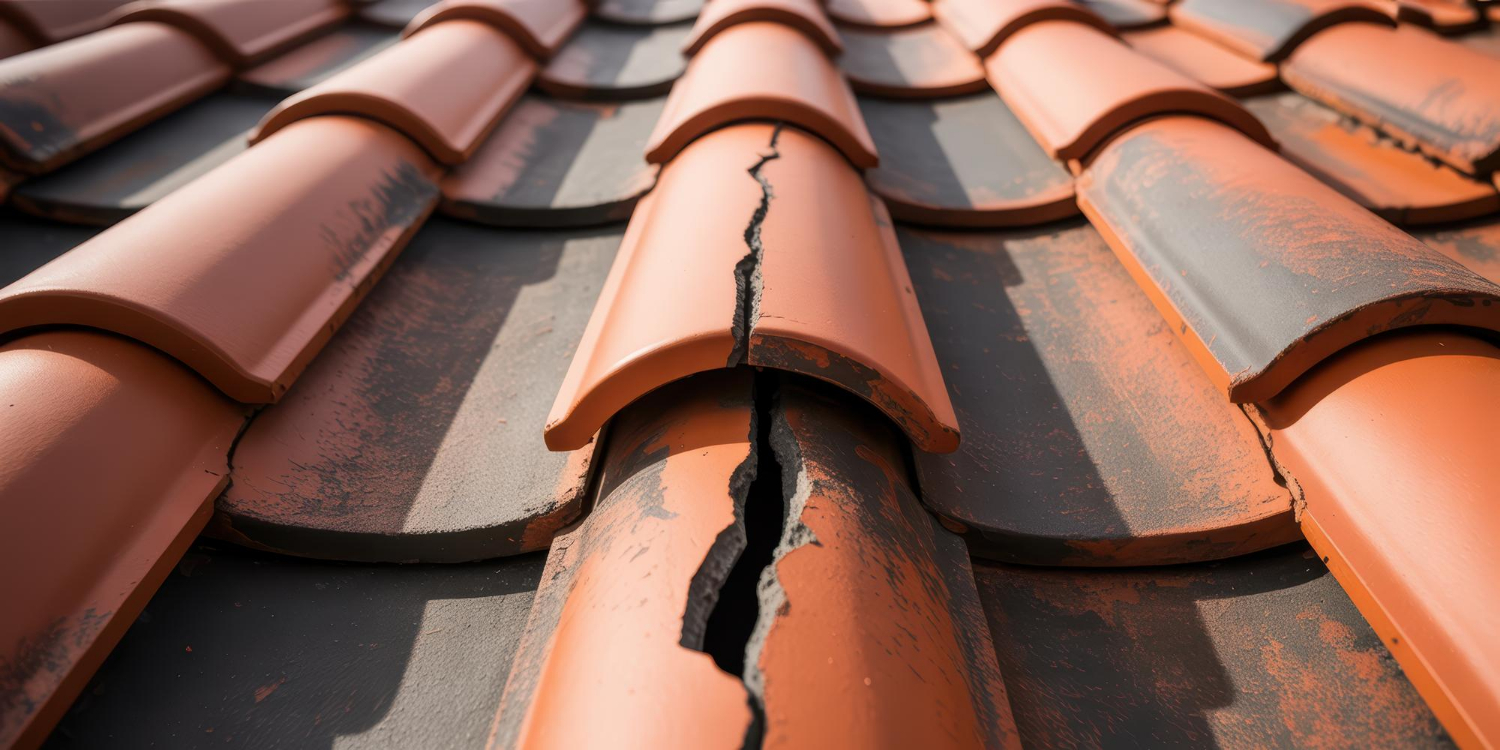
- Tile roofs: cracked or displaced tiles, broken edges, loosened mortar
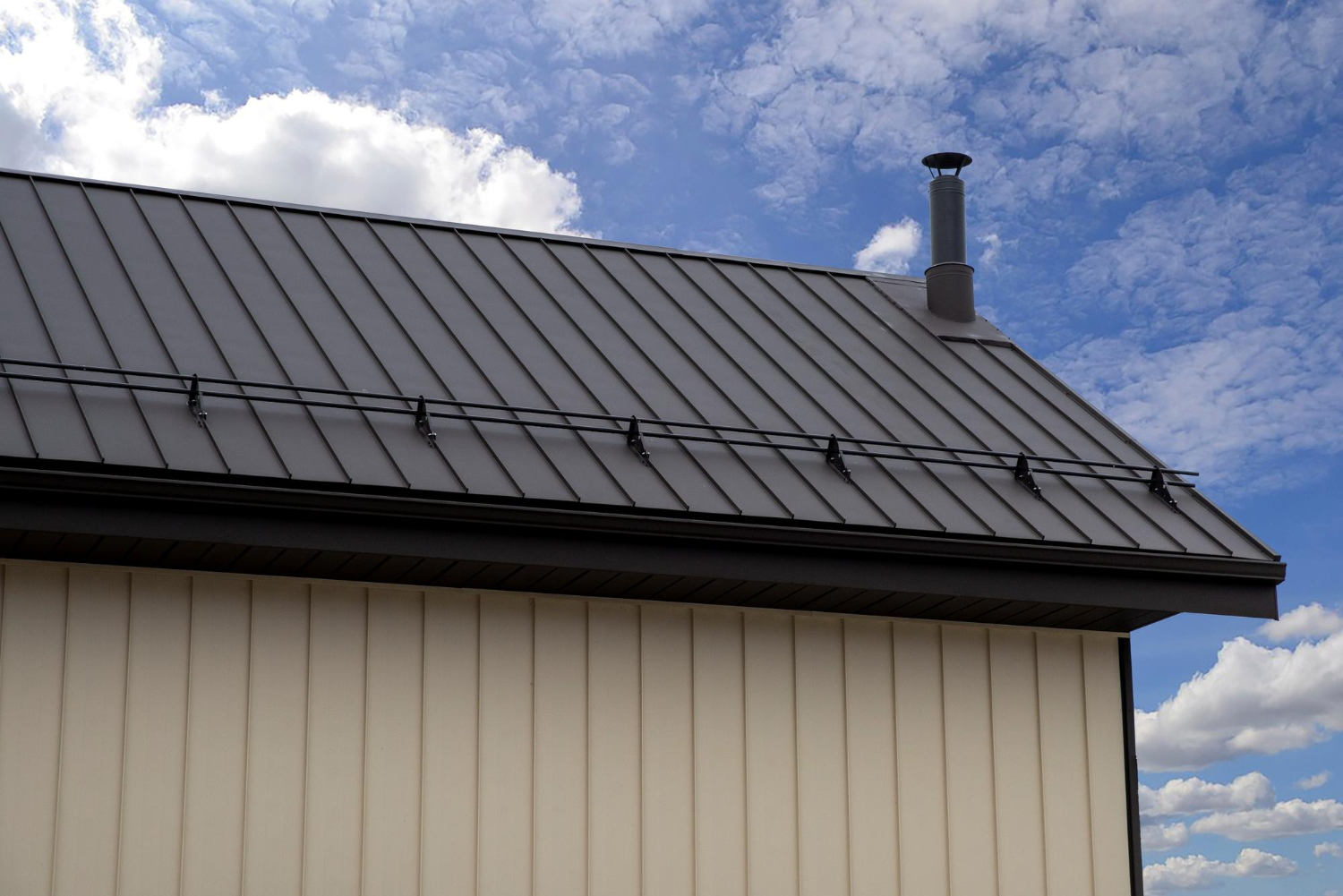
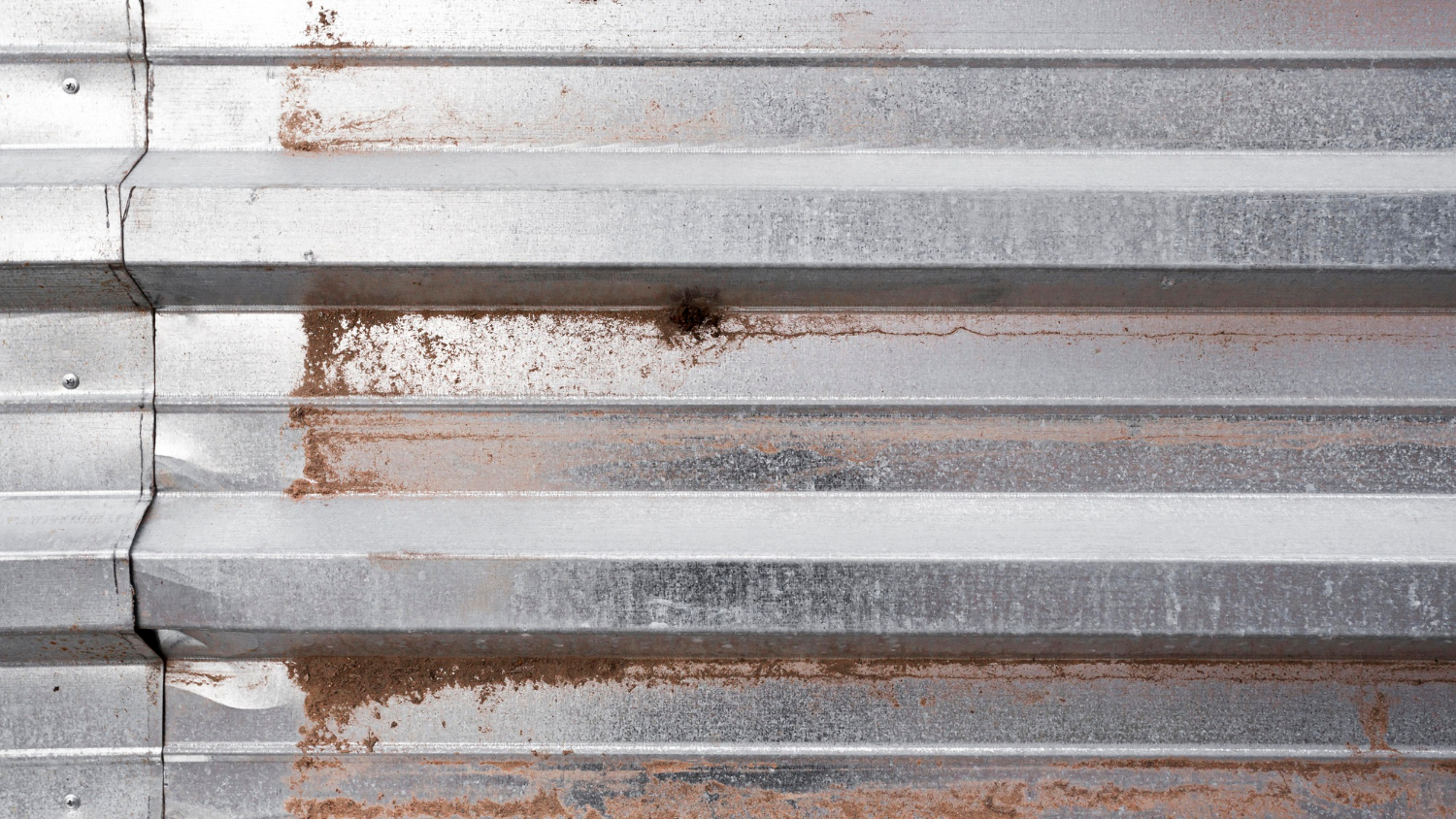
- Metal roofs: disturbed fasteners, damaged coatings, loosened seams
Once those protective layers are damaged, the Florida sun, heat, and afternoon storms can speed up wear. Water may work its way under shingles or around fasteners, and leaks might only show up when the next heavy rain hits.
Chemicals are another risk. Strong bleach mixes and unapproved cleaners might remove stains faster, but they can:
- React with roofing materials in ways the manufacturer does not support
- Dry out or weaken shingles and underlayment
- Affect nearby plants, paint, and outdoor surfaces
Using the wrong method can even create warranty issues. Many manufacturers explain how their products should be cleaned. If a cleaner ignores those instructions, you could lose protection you were counting on.
There are safety concerns too. Roofs get very slick when wet, especially with algae and soap on them. Untrained workers walking on brittle shingles, damaged tiles, or steep metal surfaces can:
- Slip and fall, leading to injury and liability headaches
- Crack or break roofing materials
- Put weight and pressure where the roof is already weak
Sometimes the damage they cause does not show until strong wind or a heavy storm hits, and by then, repair work is bigger and more urgent.
Safer Alternatives to Traditional Roof Cleaning
There are safer ways to clean a roof than blasting it with high pressure. Many roofs respond better to low-pressure or “soft wash” methods designed for delicate surfaces. The idea is to let the cleaner do the work, not the pressure.
Safer cleaning typically means:
- Low-pressure application that will not strip granules or crack tile
- Roof-safe cleaners that match manufacturer guidelines
- Controlled dwell time so stains loosen without soaking the roof
- Gentle rinsing that removes growth without tearing into the surface
Cleaning makes sense when:
- The roof is still relatively young and in good shape
- Shingles, tiles, or panels are intact with no signs of active leaks
- Stains are light to moderate and mostly cosmetic
- You want a cleaner look and a bit more reflectivity heading into peak heat
Before you hire anyone for roof cleaning services, ask direct questions:
- What pressure levels do you use on roofs?
- What chemicals are in your cleaners, and are they roof-safe?
- Are you licensed and insured to work on roofs, not just flat surfaces?
- How much experience do you have with my specific roof type?
Be cautious with anyone who treats every surface the same. A roof is not a driveway. It is a layered system that protects your home from intense sun, wind, and heavy rain.
Repair, Replace, or Clean Before Storm Season
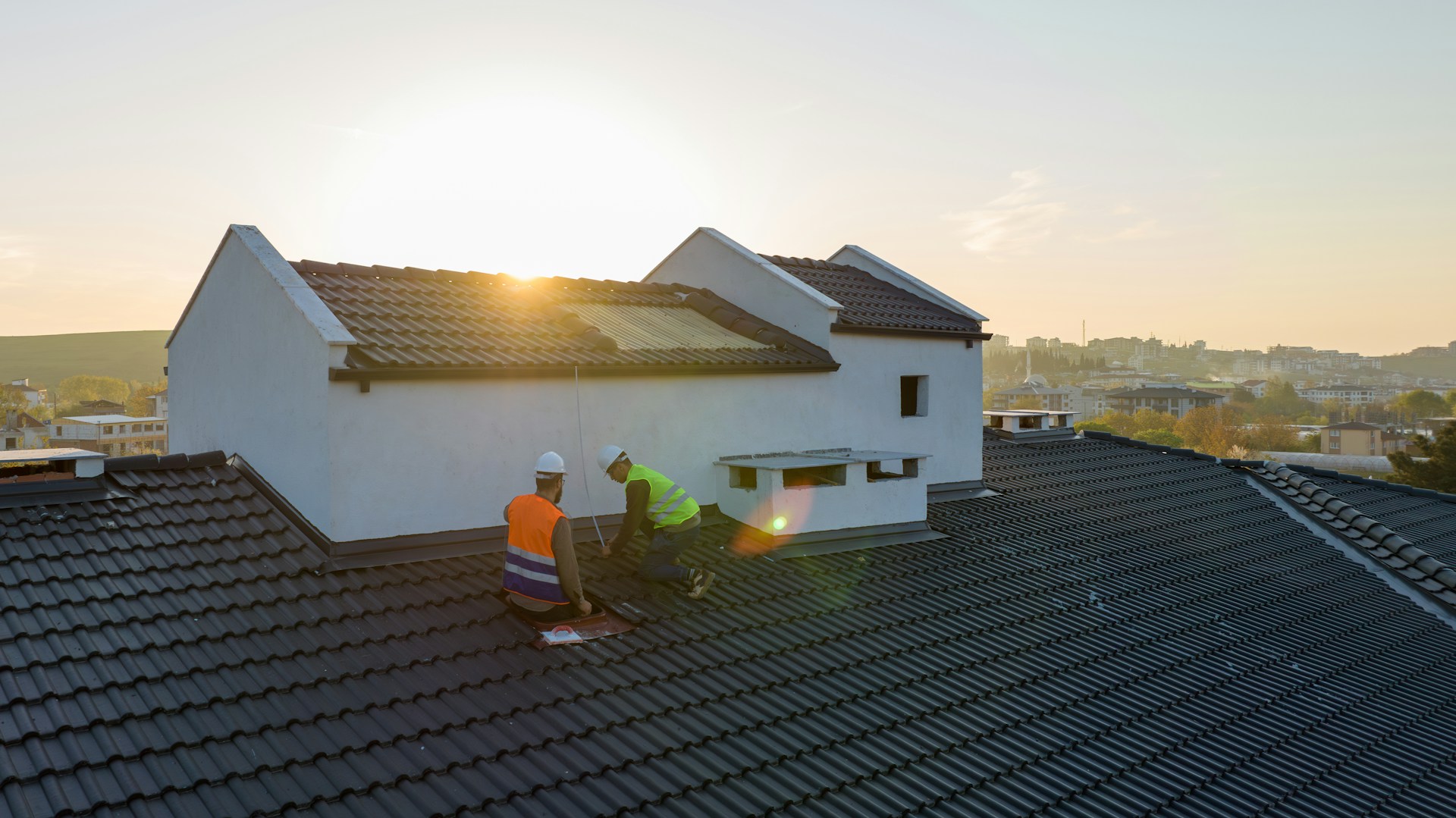
Before any cleaning, it is smart to know the true health of your roof. A professional roof inspection can spot trouble that cleaning will not solve. We often see:
- Cracked, missing, or loose shingles or tiles
- Loose or rusted flashing around chimneys, vents, and valleys
- Soft decking, especially near eaves or low spots
- Signs of leaks in the attic or around roof penetrations
If your roof has recurring stains in the same areas, sagging spots, multiple past repairs, or shingles curling from long-term heat, cleaning alone will not solve the problem. In those cases:
- Another cleaning can waste money on a roof near the end of its life
- Walking and spraying on a weak roof can cause more leaks
- You might end up paying for cleaning and then replacement soon after
Thinking long term, it often makes more sense to plan for repairs or replacement that improve both durability and energy performance. That might include:
- Roofing materials that reflect more sunlight
- Proper attic ventilation to reduce trapped heat
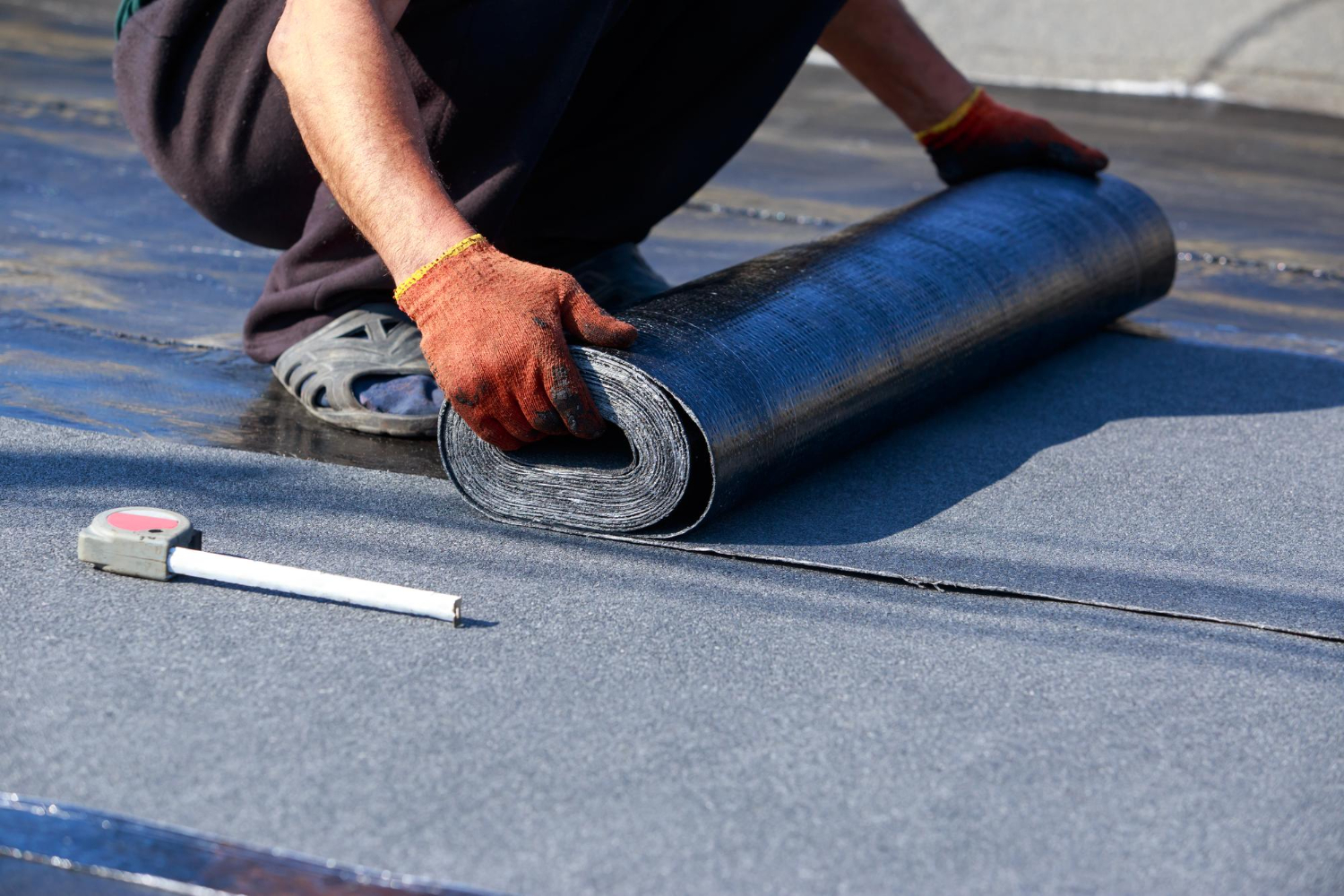
- Underlayment designed for our humid, storm-prone conditions
A clear plan can help you avoid emergency calls after a strong afternoon storm, when everyone else is scrambling for help at the same time.
Make a Smarter Move Than Just Cleaning Your Roof
Roof cleaning services are not always wrong, but they are not always right either. The smart move is to stop treating cleaning as an automatic chore and start treating it as one possible step in caring for your roof.
At Energy Roofing Companies, we help homeowners across Florida, Georgia, and Alabama decide whether cleaning, targeted repairs, energy-minded upgrades, or a full replacement makes the most sense for their specific roof in this humid, stormy climate. When you base your decision on a licensed inspection and roof science instead of just how the roof looks from the driveway, you give your home better protection, season after season.
Protect Your Roof And Restore Your Home’s Curb Appeal
If your shingles are streaked, stained, or covered in debris, our professional roof cleaning services can help extend the life of your roof and improve the look of your home. At Energy Roofing Companies, we use careful, proven methods tailored to your roofing material, so you get a thorough clean without damage. Reach out today to schedule an inspection or request a quote, or contact us with any questions about your roof’s condition.
Related posts
Apartment Complex Roofing Decisions Property Managers Regret
What Gainesville Roofers Recommend Before Your First Skylight Installation
Questioning Roof Coating Services for Florida Flat Roofs
Choosing Roof Replacement After Florida Hurricane Landfall
.jpg)
How Florida Insurance, Wind Mitigation Credits, and Deductibles Affect Roof
What Happens When Roof Leaks Reach Your Attic Insulation
.jpg)
Florida Rubber Roofing Myths Homeowners Should Stop Believing
Storm Damage Roof Repairs Florida HOAs Often Underestimate
Questioning Roof Cleaning Services in Florida’s Humid Climate
Smart Roof Maintenance Plans for Florida Apartment Complexes
Hidden Cost Drivers in Florida Roof Replacements: Permits, Codes, Fees

Early-Morning Roof Leak Repair in Gainesville Summer Storms
Is a Standing Seam Metal Roof Right for Florida Homes
Questioning Your Roof Warranty in Florida’s Storm Belt
How to Choose Roof Underlayment and Waterproofing for Florida Weather
.jpg)
Why Gainesville Homebuyers Need a Dedicated Roofing Company Partner

What Gainesville Homeowners Miss in Post-Storm Roof Inspections
.jpg)
Summer Roof Maintenance Plans for Florida Homes

Roof Financing Options Florida Homeowners Should Understand

Pre-Listing Roof Inspection Tips for Gainesville Sellers
Florida Cracked Roof Tiles That Look Minor but Leak Big
Why Gainesville Roof Vent Leaks Start in the Attic First

Signs Your Florida Flat Roof Needs Professional Repair

Roof Tarping Emergency Steps for Florida Storm Nights
Understanding Hail Damage Roof Claims in Florida
.jpg)

Roof Insurance Claim Help for Florida Storm Seasons

Roof Ventilation Problems Florida Homeowners Overlook

When to Consider Roof Replacement in the Florida Climate
Ridge Vent Installation Guide for Better Attic Ventilation
Modified Bitumen Roofing For Flat & Low-Slope Buildings
GAF Timberline Shingles: Features, Cost, and Benefits

GAF Timberline HDZ: Complete Guide For Homeowners
EPDM Rubber Roofing: Benefits, Costs, and Installation
Dimensional Shingles: Boost Curb Appeal And Roof Protection

Clay Tile Roofing: Benefits, Costs, And Lifespan Guide

Chimney Flashing Repair: Stop Chimney Leaks Fast

Built-Up Roofing Guide for Flat Commercial Roofs
Best Roofing Material for Florida Homes: 2026 Guide

Why Attic Ventilation Matters For A Healthier Home

Standing Seam Metal Roof: Benefits, Cost, and Installation

Same Day Roof Repair: Fast Emergency Solutions For Your Home
Roofing Contractors In Ocala, FL: How To Choose With Confidence
Roofing Company In Ocala, FL: How To Choose A Trusted Pro
Roofers Gainesville, FL: How To Choose A Trusted Pro

Roof Repair In Ocala, FL: How To Choose A Trusted Contractor

Roof Repair In Gainesville, FL: Fast Help For Storms

Metal Roofing In Gainesville, FL: Durable Roofs That Cut Bills
Why Hiring A GAF Master Elite Roofer Matters

Corrugated Metal Roofing: Durable, Affordable Roof Guide

Best Shingles for Florida: Top Hurricane-Resistant Options

Architectural Shingles: Durable, Stylish Roofing Guide
24/7 Roof Repair: Fast Emergency Help When You Need It

.svg)


.svg)
.svg)
.svg)
.svg)
