What Gainesville Homeowners Miss in Post-Storm Roof Inspections

Hidden Roof Damage After Spring Storms
Spring in Gainesville and North Florida brings long afternoons, pop-up thunderstorms, and loud nights of wind, hail, and heavy rain. The sky can be clear by morning, but your roof may have taken a beating while you were inside. What happens on your roof after those storms matters a lot for your home and your peace of mind.
Quick, accurate post-storm roof inspections help stop small problems before they turn into leaks, stains on ceilings, and damage inside your walls. They also help you catch issues before hurricane season, when storms tend to come more often and with stronger winds. Many insurance policies expect prompt reporting of damage, so knowing what is happening on your roof is not just smart; it can protect your coverage too.
The problem is that many homeowners walk outside, take a short look from the driveway, and check “roof” off the list. That fast glance can miss roof damage that only shows itself weeks or months later, often right when the next big storm hits. As a licensed residential and commercial roofing contractor working across Florida, we see the same hidden issues in Gainesville again and again, especially after spring storms.
Why a Quick Look From the Yard Is Not Enough
Most people do the same thing after a storm. They step outside, shield their eyes from the sun, and look up. If they do not see missing shingles, big tree branches, or a clear hole, they figure the roof is fine. From the ground, it really can look okay.
But a lot of storm damage hides in plain sight. At ground level, you are likely to miss things like:
- Shingles that lifted in the wind, then settled back down
- Small hail bruises that crack the shingle surface
- Loose or shifted flashing around walls or chimneys
- Heavy granule loss that ends up in gutters and downspouts
- Slight sagging or uneven areas that hint at deeper problems
These issues might not drip water into your living room right away, but they weaken your roof. In Gainesville, heat and humidity are tough on any roofing material. Once a shingle is bruised or a nail is loosened, hot sun and daily storms can make the problem worse in a hurry. What started as a tiny gap can turn into:
- Slow leaks that stain ceilings
- Damp spots that invite mold in attics and walls
- Wood rot in decking or rafters
By the time you notice a brown spot on the ceiling, the roof system above it may have been struggling for quite a while.
Overlooked Trouble Spots in a Post-Storm Roof Inspection in Florida
Some parts of the roof take more punishment than others, especially in Florida storms with wind-driven rain. These areas are easy to miss from the ground or during a quick walk around the house.
Common trouble spots include:
- Roof valleys, where two slopes meet and water naturally flows
- Skylight edges and seals
- Chimney and wall flashings
- Eaves, fascia, and soffits around the roof edge
- Roof penetrations, like vents, pipes, and exhaust fans
These locations are more likely to see:
- Wind pushing rain up under shingles
- Flashing bent, lifted, or pulled loose
- Sealant washed out or cracked
- Water collecting in low-slope or clogged areas
This is where a professional post-storm roof inspection in Florida really makes a difference. Instead of guessing from the ground, a trained inspector follows a checklist and moves carefully across the roof. They look for lifted edges, soft spots, missing sealant, and worn materials.
A thorough inspection does not stop outside, either. The attic tells part of the story. A pro will often check:
- The backside of the roof decking for dark stains or wet spots
- Insulation for damp, matted areas
- Nails or fasteners showing rust from moisture
- Any points where daylight is visible through the roof
These signs are easy to overlook but can show where water has already found a path inside.
The Insurance Clock Is Ticking After a Storm
After a strong storm, the roof is not the only thing on a timer. Your insurance coverage usually has deadlines too. Most policies expect you to report storm damage as soon as you reasonably can. If you wait too long and damage spreads, the company may say part of the problem came from delay or normal wear and tear.
That is a big issue with “invisible” damage. For example:
- A bruised shingle may not leak until the next big storm
- A loosened fastener might shift over time and open a gap
- A cracked flashing seal could let in just enough water to soak wood slowly
Months later, when you finally notice a stain or warped drywall, it can be harder to link that damage clearly to the original storm. Insurance adjusters may argue that the roof was already aging or that maintenance was missed.
A professional post-storm roof inspection in Florida creates a clear record close to the time of the event. A good inspection includes:
- Date-stamped photos of damage
- Notes on where and how the roof was affected
- A written summary and repair or replacement recommendations
All of this gives you a stronger base if you need to file a claim. It also helps you decide what needs attention now and what can be watched over time.
Choosing a Trusted Local Roofer Before Hurricane Season
After big storms, many homeowners see an explosion of roofing signs and door knockers. Some are local contractors, but some are short-term “storm chasers” who move from one damaged area to the next. They may offer fast, cheap fixes, then leave town before you realize something was not done correctly.
Red flags to watch for include:
- No real local address or history in the area
- Vague answers when you ask for references
- Pressure to sign on the spot
- Demands for large upfront payments
A better approach is to choose a Gainesville-area roofer before the next wave of storms, not during the rush right after. Look for:
- Proper licensing in Florida
- Proof of insurance
- Experience with both residential and commercial roofs
- A clear inspection and reporting process
When you work with an established roofing contractor like Energy Roofing Companies, you are not just hiring someone for a single visit. You are building a relationship with a team that understands local weather patterns and common roof types in our region. That continuity matters when you move from spring thunderstorms into the heart of hurricane season and may need everything from detailed inspections to repairs, full replacement, permitting, and warranty support over time.
Your Next Steps Before the Next Gainesville Storm
If your home has already gone through a few spring storms without a detailed look at the roof, this is a good time to act. A professional inspection can uncover small issues before they turn into big surprises during the next heavy rain or wind event.
Between storms, there are simple things you can watch for inside your home:
- New stains or yellow rings on ceilings and upper walls
- Musty smells in closets or the attic
- Peeling paint near the top of walls
- Extra granules collecting at the bottom of downspouts
Keeping your own basic records also helps. Many homeowners like to note each major weather event on a simple list and save phone photos of any yard or exterior changes. This timeline pairs well with professional inspection reports and can be a big help if insurance questions come up later.
By taking roof health seriously now, Gainesville homeowners can head into the stormier months with more confidence, less guesswork, and a home that is better protected from what the next round of thunder, wind, and rain may bring.
Protect Your Home With a Professional Roof Assessment Today
After a severe storm, even minor roof damage can quickly turn into costly repairs if it is not addressed right away. Schedule a thorough post-storm roof inspection in Florida so we can identify hidden issues and help keep your home safe and watertight. At Energy Roofing Companies, we carefully assess your roofing system and give you clear recommendations you can trust. If you are ready to move forward or have questions, simply contact us and we will help you take the next step.
Related posts
Apartment Complex Roofing Decisions Property Managers Regret

What Gainesville Roofers Recommend Before Your First Skylight Installation
Questioning Roof Coating Services for Florida Flat Roofs
Choosing Roof Replacement After Florida Hurricane Landfall
.jpg)
How Florida Insurance, Wind Mitigation Credits, and Deductibles Affect Roof
What Happens When Roof Leaks Reach Your Attic Insulation
.jpg)
Florida Rubber Roofing Myths Homeowners Should Stop Believing
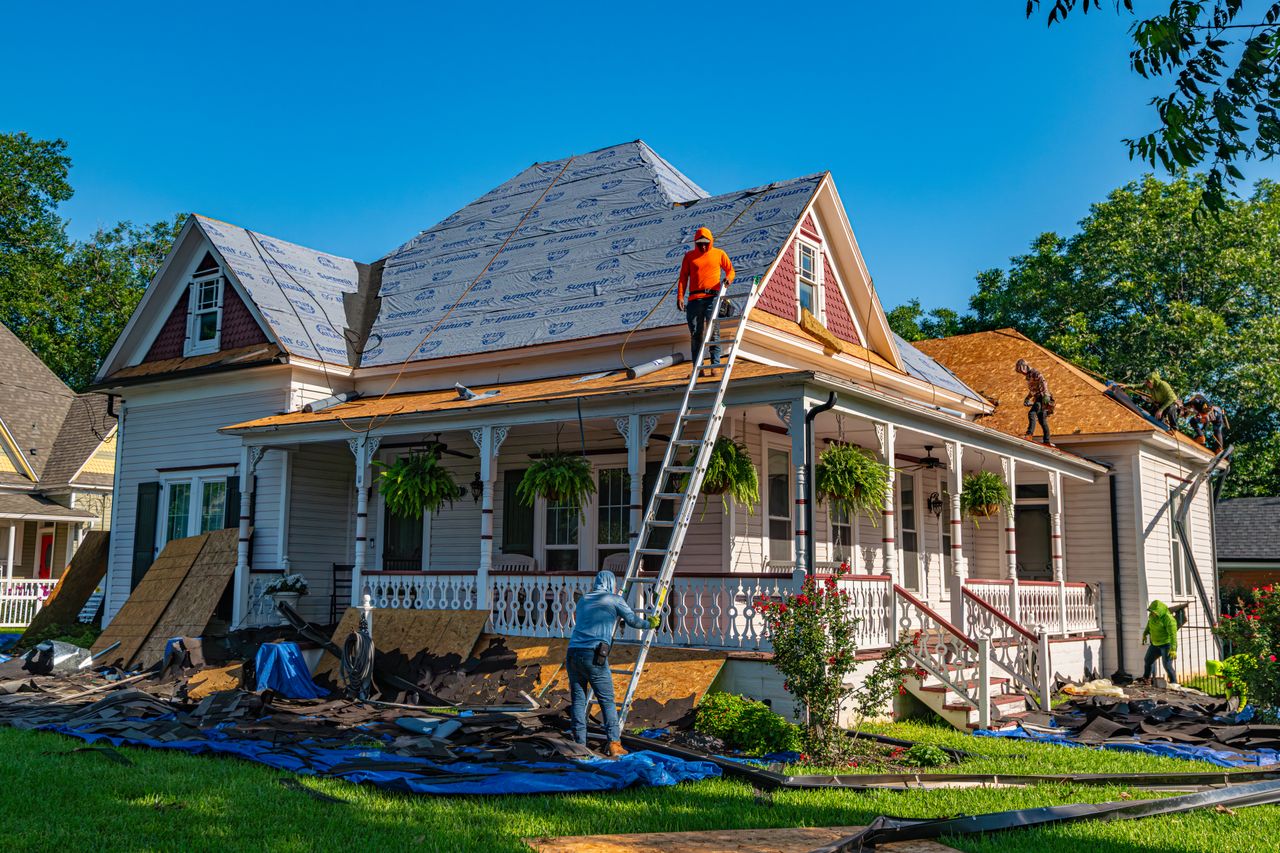
Storm Damage Roof Repairs Florida HOAs Often Underestimate
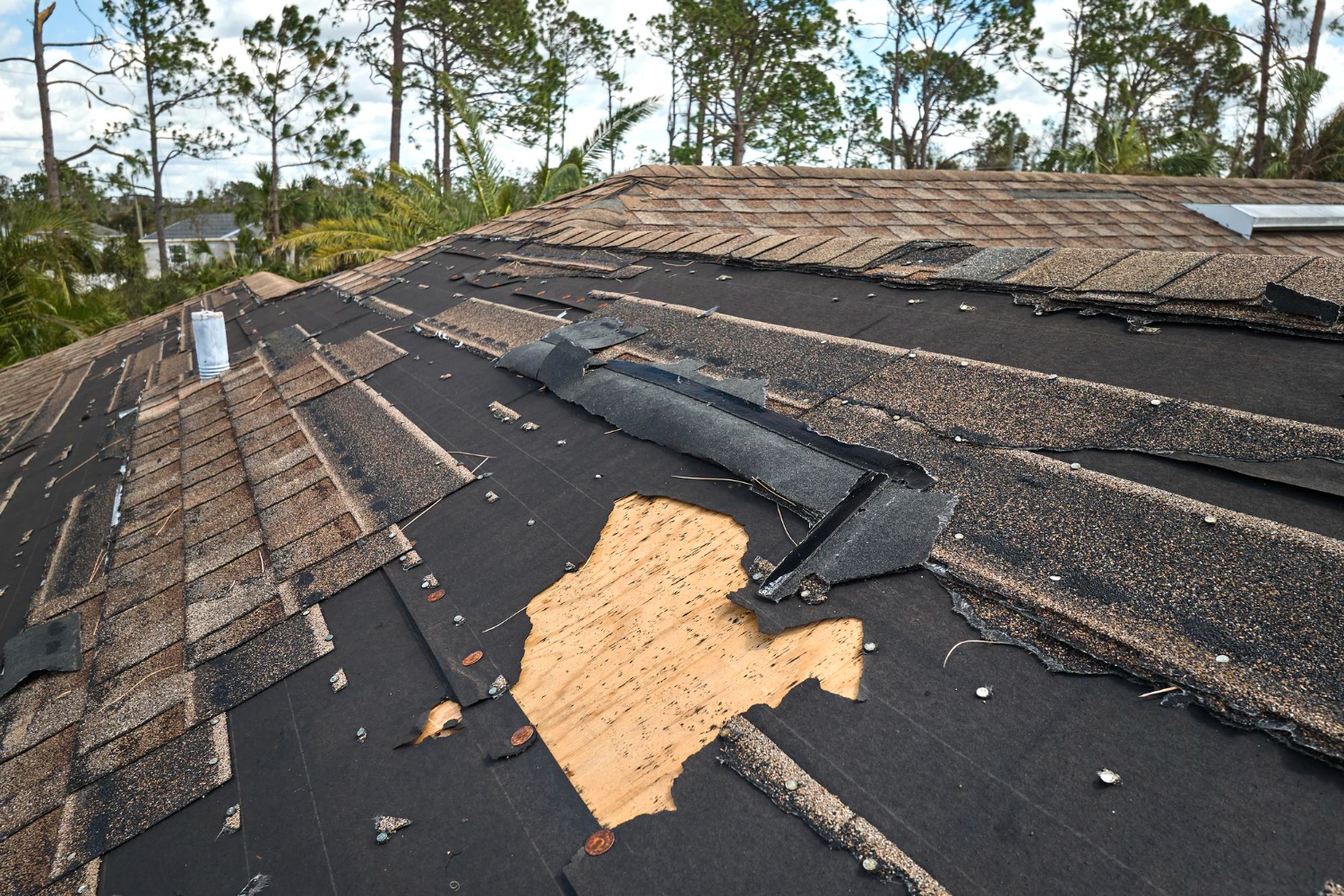
Questioning Roof Cleaning Services in Florida’s Humid Climate

Smart Roof Maintenance Plans for Florida Apartment Complexes
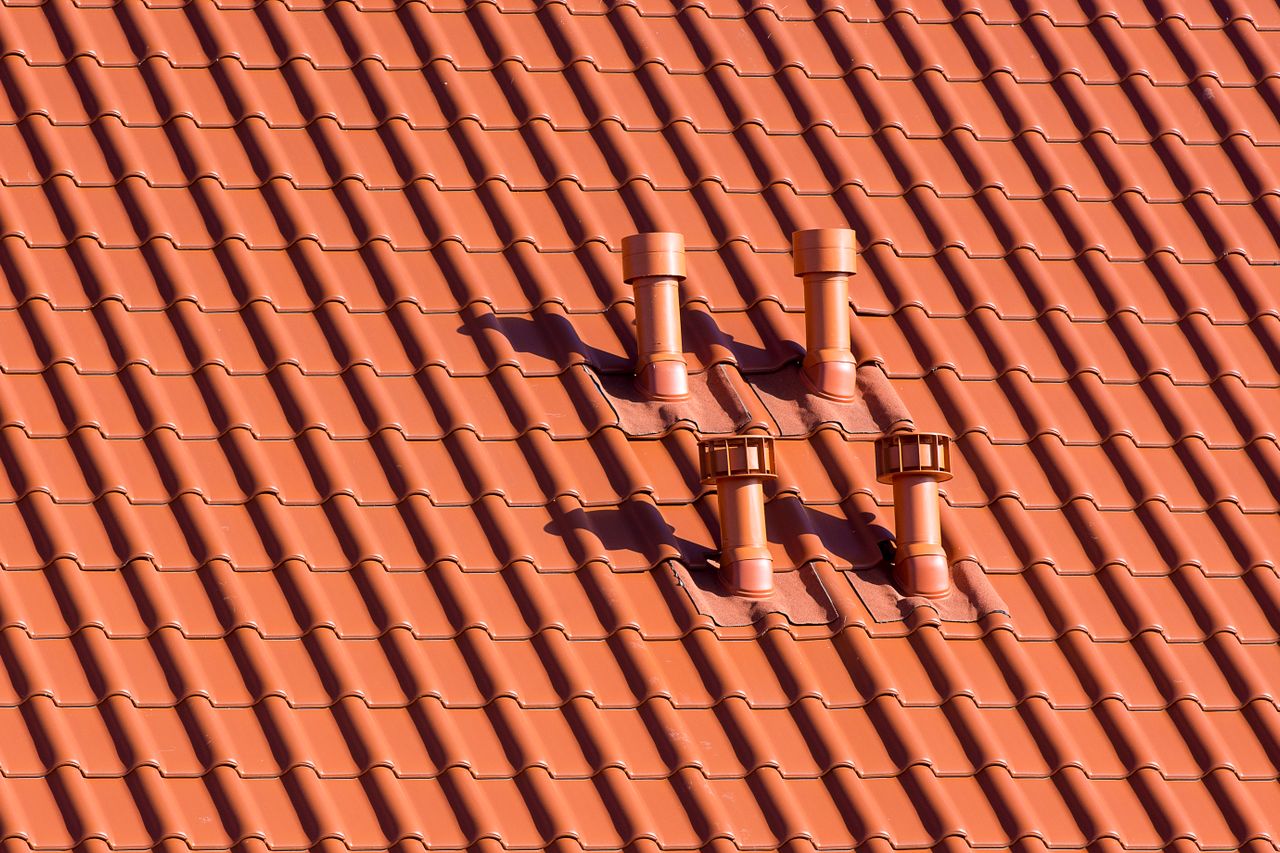
Hidden Cost Drivers in Florida Roof Replacements: Permits, Codes, Fees

Early-Morning Roof Leak Repair in Gainesville Summer Storms
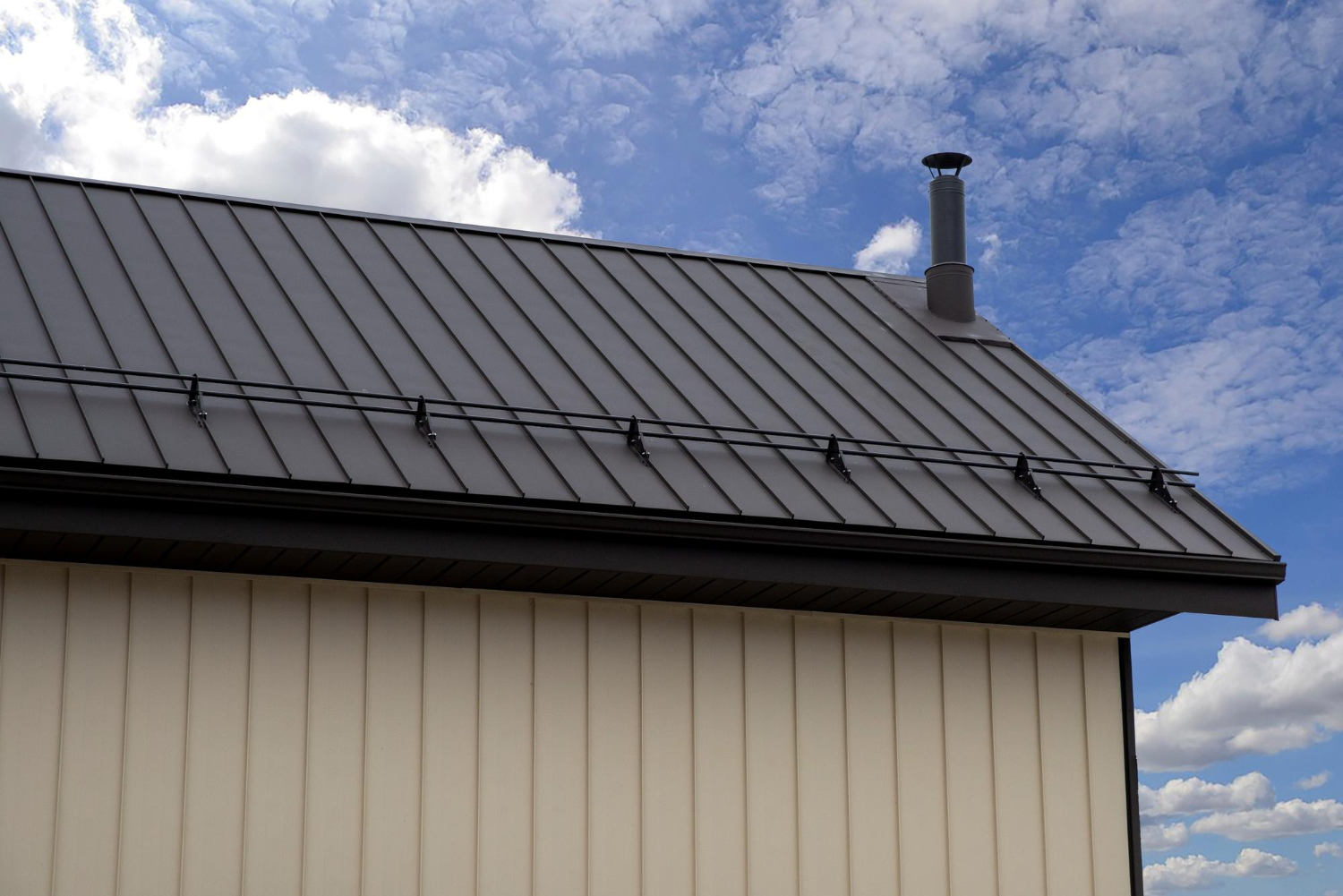
Is a Standing Seam Metal Roof Right for Florida Homes
Questioning Your Roof Warranty in Florida’s Storm Belt
How to Choose Roof Underlayment and Waterproofing for Florida Weather
.jpg)
Why Gainesville Homebuyers Need a Dedicated Roofing Company Partner
What Gainesville Homeowners Miss in Post-Storm Roof Inspections
.jpg)
Summer Roof Maintenance Plans for Florida Homes

Roof Financing Options Florida Homeowners Should Understand

Pre-Listing Roof Inspection Tips for Gainesville Sellers
Florida Cracked Roof Tiles That Look Minor but Leak Big
Why Gainesville Roof Vent Leaks Start in the Attic First

Signs Your Florida Flat Roof Needs Professional Repair

Roof Tarping Emergency Steps for Florida Storm Nights
Understanding Hail Damage Roof Claims in Florida
.jpg)

Roof Insurance Claim Help for Florida Storm Seasons

Roof Ventilation Problems Florida Homeowners Overlook

When to Consider Roof Replacement in the Florida Climate
Ridge Vent Installation Guide for Better Attic Ventilation
Modified Bitumen Roofing For Flat & Low-Slope Buildings
GAF Timberline Shingles: Features, Cost, and Benefits

GAF Timberline HDZ: Complete Guide For Homeowners
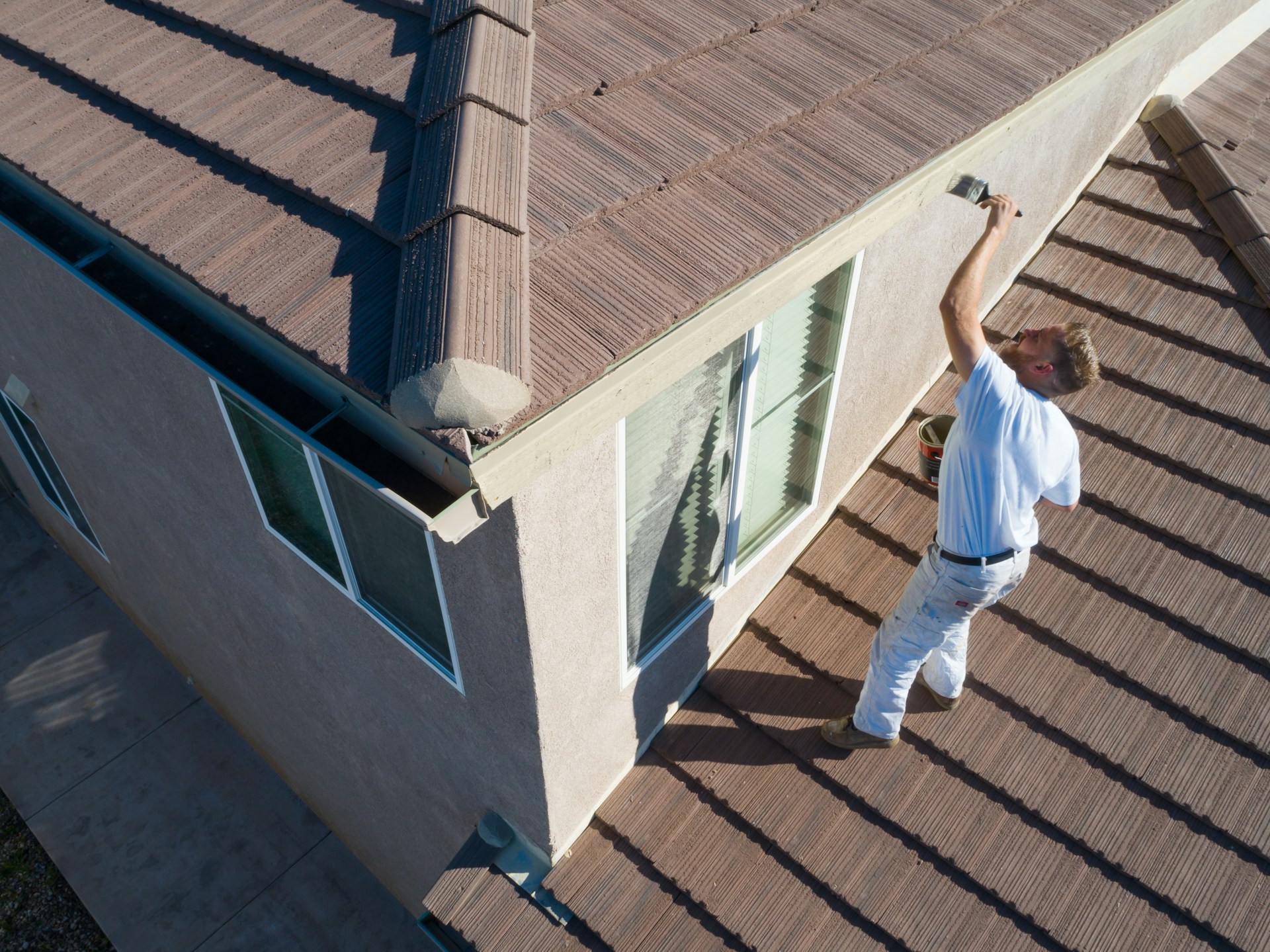
EPDM Rubber Roofing: Benefits, Costs, and Installation
Dimensional Shingles: Boost Curb Appeal And Roof Protection

Clay Tile Roofing: Benefits, Costs, And Lifespan Guide

Chimney Flashing Repair: Stop Chimney Leaks Fast

Built-Up Roofing Guide for Flat Commercial Roofs
Best Roofing Material for Florida Homes: 2026 Guide

Why Attic Ventilation Matters For A Healthier Home

Standing Seam Metal Roof: Benefits, Cost, and Installation

Same Day Roof Repair: Fast Emergency Solutions For Your Home
Roofing Contractors In Ocala, FL: How To Choose With Confidence
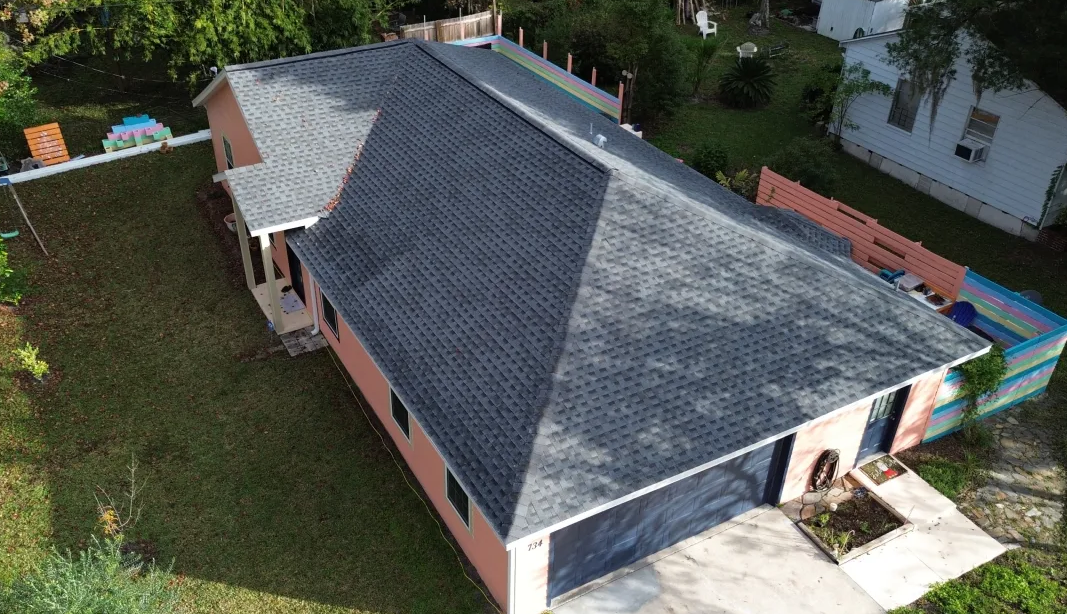
Roofing Company In Ocala, FL: How To Choose A Trusted Pro
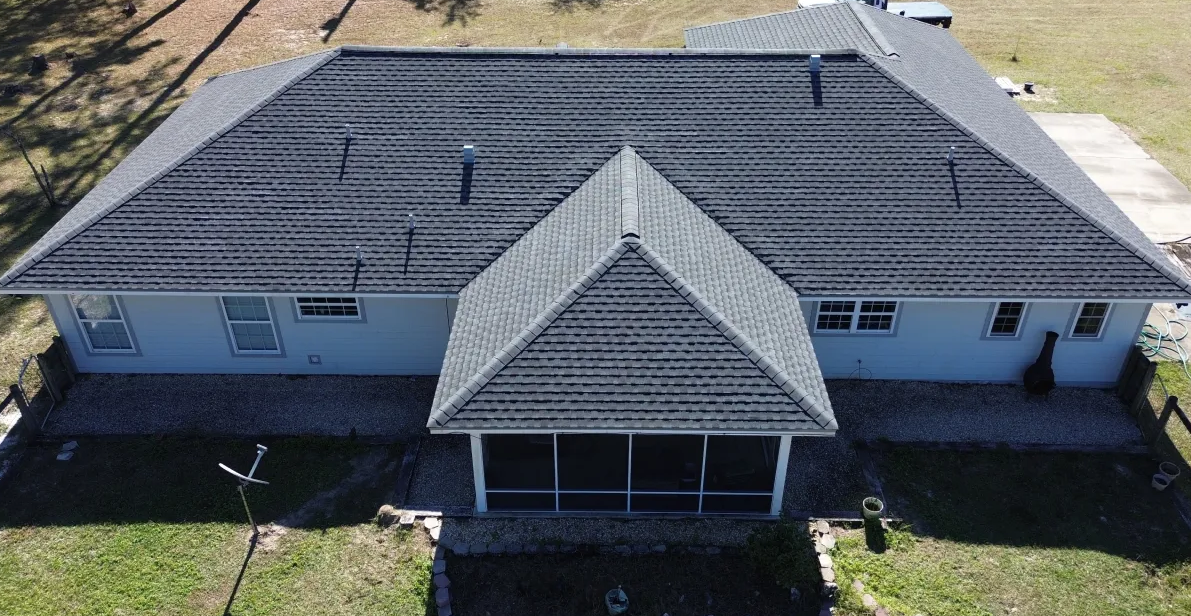
Roofers Gainesville, FL: How To Choose A Trusted Pro

Roof Repair In Ocala, FL: How To Choose A Trusted Contractor

Roof Repair In Gainesville, FL: Fast Help For Storms

Metal Roofing In Gainesville, FL: Durable Roofs That Cut Bills
Why Hiring A GAF Master Elite Roofer Matters

Corrugated Metal Roofing: Durable, Affordable Roof Guide

Best Shingles for Florida: Top Hurricane-Resistant Options

Architectural Shingles: Durable, Stylish Roofing Guide
24/7 Roof Repair: Fast Emergency Help When You Need It

.svg)


.svg)
.svg)
.svg)
.svg)
