Questioning Your Roof Warranty in Florida’s Storm Belt
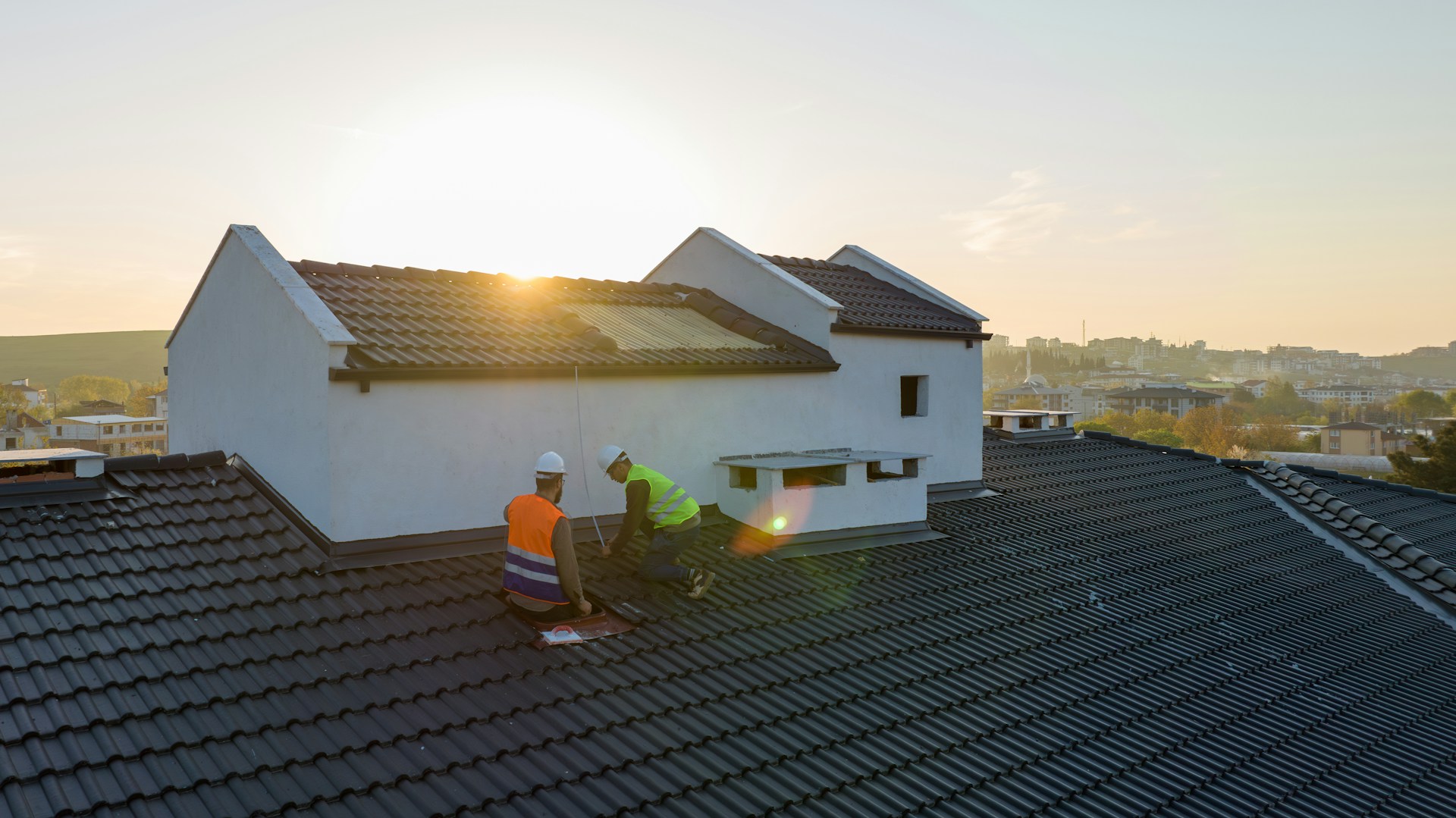
Is Your Roof Warranty Ready for Storm Season?
Your roof warranty matters most on the worst day, when the sky turns dark, the wind starts howling, and heavy rain soaks everything in its path. In Florida’s storm belt, that day comes often. June means long daylight hours, afternoon thunderstorms, and the early waves of hurricane season. If your roofing warranty in Florida is weak or unclear, you may find out the hard way that it does not cover what you thought it did.
Simply having a warranty is not enough in a high wind and heavy rain zone. Many homeowners learn that their coverage has big gaps at the exact moment they need help. In this article, we will break down what your roof warranty really covers, what it often leaves out, and how you can get it ready before the next major storm. Our team at Energy Roofing Companies works with homeowners across Florida, Georgia, and Alabama, and we see how smart planning can keep small roof issues from turning into huge out-of-pocket bills.
What Your Roofing Warranty Really Covers (and Does Not)
Most roofs do not have just one warranty; they have at least two. Knowing the difference is the first step.
You will usually see:
- Manufacturer material warranty: this covers the roofing products themselves, like shingles or membranes, against defects
- Contractor workmanship warranty: this covers the labor and installation, how your roof was actually put on your home
After a storm, these can apply in very different ways. For example, if the wind rips shingles off, the manufacturer may say the product worked as designed but the storm exceeded listed limits. The contractor may only cover issues tied to how the roof was installed.
Many warranties also have limits such as:
- Wind speed thresholds, coverage only up to a certain wind rating
- Hail size limits, damage from larger hail may be excluded
- Prorated terms, coverage may drop as the roof gets older
- Approved materials and methods, non-approved products can void part of the warranty
Then there are common exclusions that hit homeowners in storm zones the hardest. These often include:
- Damage from standing water or poor drainage
- Issues caused by lack of maintenance or ignored small leaks
- Pre-existing problems that were never fixed
- Repairs or patches done by unlicensed or unpermitted roofers
If your roofing warranty in Florida uses this type of language, it is important to understand what triggers coverage and what might shut it down.
Florida’s Storm Belt Risks Your Warranty May Not Mention
Living in Florida’s storm belt means your roof deals with more than just light rain. Strong thunderstorms, tropical systems, and hurricanes create stress that many generic warranties do not fully explain.
State and local building codes, including higher standards in certain high-velocity hurricane zones, affect:
- The type of roofing system allowed
- Nail patterns and fastener types
- Underlayment and secondary water barrier requirements
If your roof is not installed to current code, some warranties may be harder to enforce. Code changes over time, so a roof that met older rules may not give you the same comfort level today.
Real storms also create messy, mixed damage that does not fit into neat boxes. You may see:
- Wind-driven rain that finds weak spots and pushes water under shingles
- Flying debris that chips, cracks, or punctures roofing materials
- Fallen limbs that damage the roof structure and surface at the same time
Insurers, manufacturers, and contractors may classify each part of this damage differently. Some may see it as storm impact; others as wear and tear or maintenance issues.
Roof age also matters. An older roof with past repairs, patches, or previous insurance claims can raise questions:
- Was that leak ever fixed correctly?
- Was the repair done with approved materials?
- Did past damage weaken the roof so new storms caused more harm?
In many parts of Florida, both coastal and inland, roofs are hit again and again. That repeated stress can affect how long your coverage stays strong.
Fine Print That Can Void Your Roofing Protection
Many homeowners think a warranty is automatic. In reality, most warranties ask you to do certain things to keep coverage in place. Some of these rules hide in the fine print.
Common homeowner responsibilities include:
- Regular inspections, often yearly or after major storms
- Prompt leak reporting, not waiting months to address stains or drips
- Debris removal, clearing branches, leaves, and clutter that hold moisture
- Proper attic ventilation, to limit heat and moisture that can damage materials
If these tasks are ignored, a company may argue that the problem was preventable, not covered.
Unapproved changes to your roof can also cause trouble. This might include:
- Solar panel installations attached without proper flashing
- Satellite dishes or antennas screwed directly into the roof surface
- Added skylights or vents that were not part of the original design
- DIY patch jobs with leftover materials or hardware store sealants
Each of these can give a manufacturer or installer a reason to deny a claim. They can say the system they warranted is no longer the same system on your home.
Because of that, documentation becomes your best friend. Keep a simple folder with:
- Date-stamped photos of the roof, especially before and after storms
- Inspection reports from licensed contractors
- Invoices and receipts for any repairs or maintenance
- Notes about when you first noticed a leak or stain
When a big storm hits, this proof can show that you did your part and followed the rules of your roofing warranty in Florida.
How to Storm-Proof Your Roof Warranty Before Landfall
You cannot stop a storm, but you can get your warranty into the best shape possible before the season ramps up. The first step is a pre-season roof inspection with a licensed contractor.
During this visit, a pro can:
- Document your roof’s current condition
- Flag minor issues before they turn into big openings
- Confirm that your installation and materials match warranty terms
This is also a good time to talk about upgrades that help both performance and coverage. Stronger roofing systems may handle high winds and heavy rains better, and some products are specifically designed for storm-prone areas.
Helpful improvements can include:
- Energy-efficient roofing systems that reduce heat gain and stress on materials
- Better underlayments that add a second water barrier
- Impact-resistant shingles or panels that can stand up to debris and hail
For many homeowners, the hardest part is timing and budget. Working with a roofing company that offers emergency leak repair and roof financing options can make it easier to complete key upgrades before the peak of hurricane activity later in the season.
Work with a Roofing Partner Who Defends Your Warranty
A good next step is simple: pull out your roofing paperwork. Look for the sections on wind coverage, exclusions, maintenance, and what can void the warranty. Then compare those words to the real storm risks where you live in Florida, whether that is the coast, a river area, or an inland storm corridor.
At Energy Roofing Companies, we help homeowners across Florida, Georgia, and Alabama align their roofs and their warranties with local storm and code conditions. By pairing a professional inspection with clear documentation and smart upgrades, you can head into the heart of hurricane season knowing your roof, your coverage, and your budget are better prepared for whatever the next storm brings.
Protect Your Home With Florida’s Strongest Roofing Warranty
If you are ready to secure your investment with a dependable roofing warranty in Florida, our team at Energy Roofing Companies is here to help you take the next step. We will walk you through your options, explain the coverage details in plain language, and recommend the best solution for your home and budget. Reach out today and let us answer your questions and schedule a convenient time to review your roof, or simply contact us to get started.
Related posts
Apartment Complex Roofing Decisions Property Managers Regret

What Gainesville Roofers Recommend Before Your First Skylight Installation
Questioning Roof Coating Services for Florida Flat Roofs
Choosing Roof Replacement After Florida Hurricane Landfall
.jpg)
How Florida Insurance, Wind Mitigation Credits, and Deductibles Affect Roof
What Happens When Roof Leaks Reach Your Attic Insulation
.jpg)
Florida Rubber Roofing Myths Homeowners Should Stop Believing
Storm Damage Roof Repairs Florida HOAs Often Underestimate
Questioning Roof Cleaning Services in Florida’s Humid Climate

Smart Roof Maintenance Plans for Florida Apartment Complexes
Hidden Cost Drivers in Florida Roof Replacements: Permits, Codes, Fees

Early-Morning Roof Leak Repair in Gainesville Summer Storms
Is a Standing Seam Metal Roof Right for Florida Homes
Questioning Your Roof Warranty in Florida’s Storm Belt
How to Choose Roof Underlayment and Waterproofing for Florida Weather
.jpg)
Why Gainesville Homebuyers Need a Dedicated Roofing Company Partner

What Gainesville Homeowners Miss in Post-Storm Roof Inspections
.jpg)
Summer Roof Maintenance Plans for Florida Homes

Roof Financing Options Florida Homeowners Should Understand

Pre-Listing Roof Inspection Tips for Gainesville Sellers
Florida Cracked Roof Tiles That Look Minor but Leak Big
Why Gainesville Roof Vent Leaks Start in the Attic First

Signs Your Florida Flat Roof Needs Professional Repair

Roof Tarping Emergency Steps for Florida Storm Nights
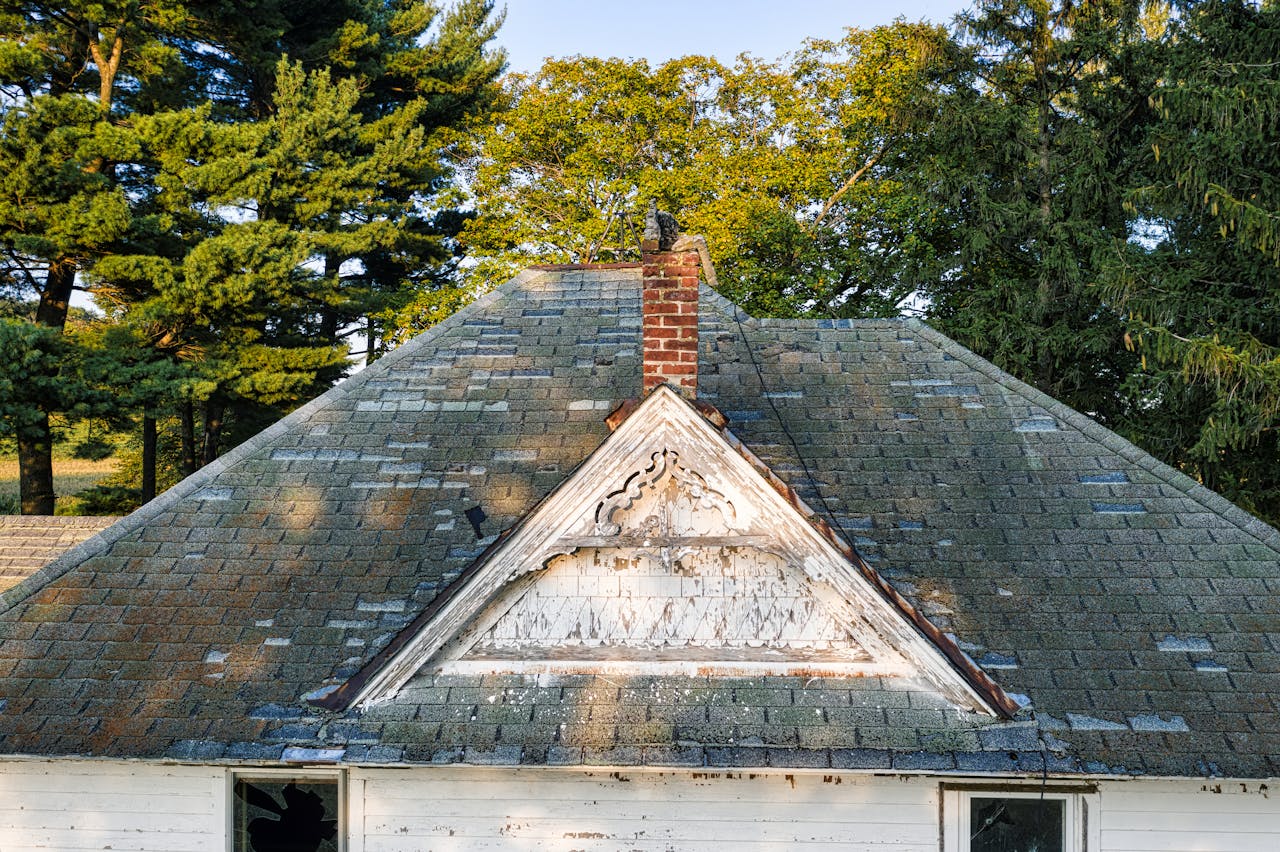
Understanding Hail Damage Roof Claims in Florida
.jpg)

Roof Insurance Claim Help for Florida Storm Seasons

Roof Ventilation Problems Florida Homeowners Overlook

When to Consider Roof Replacement in the Florida Climate
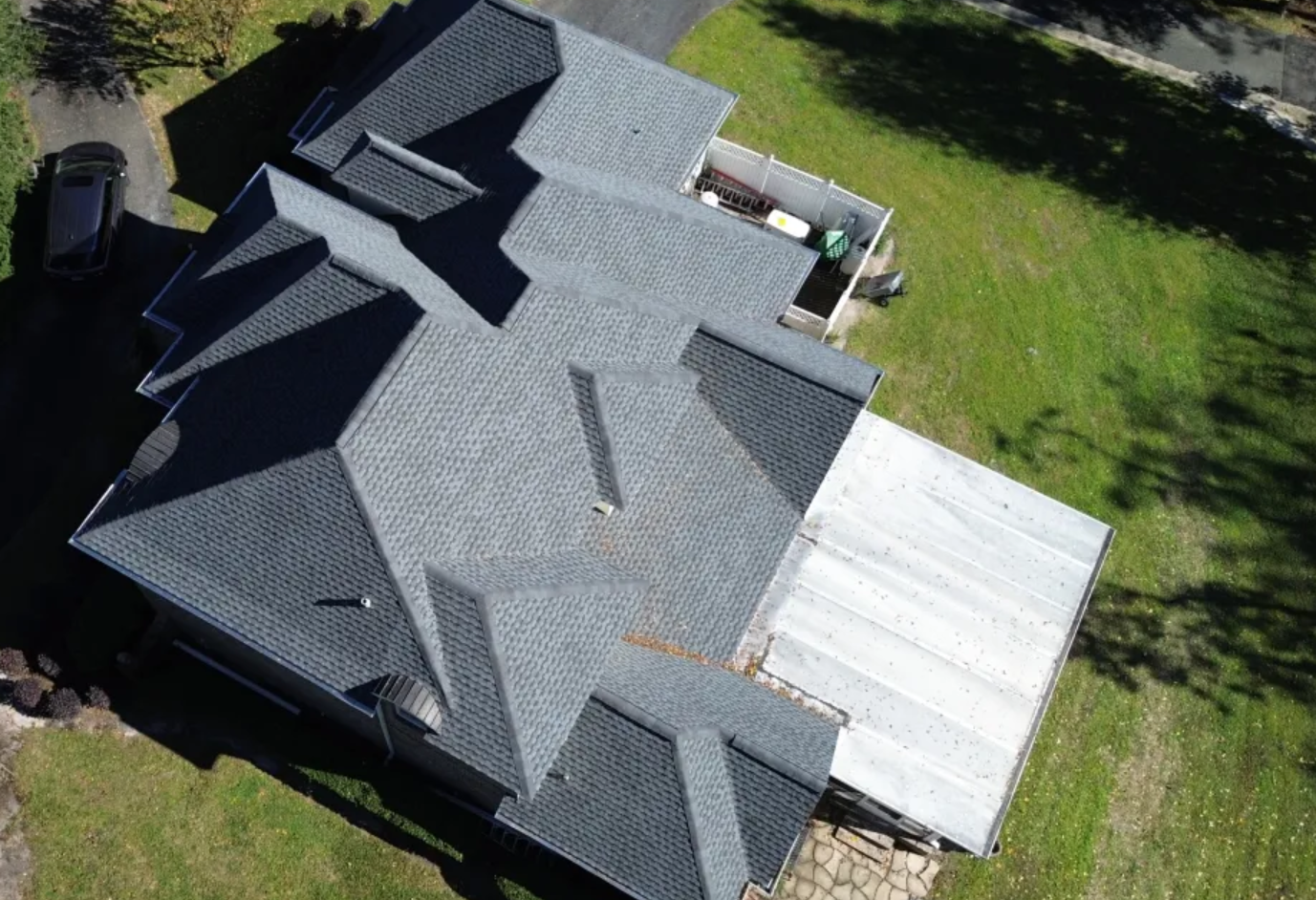
Ridge Vent Installation Guide for Better Attic Ventilation
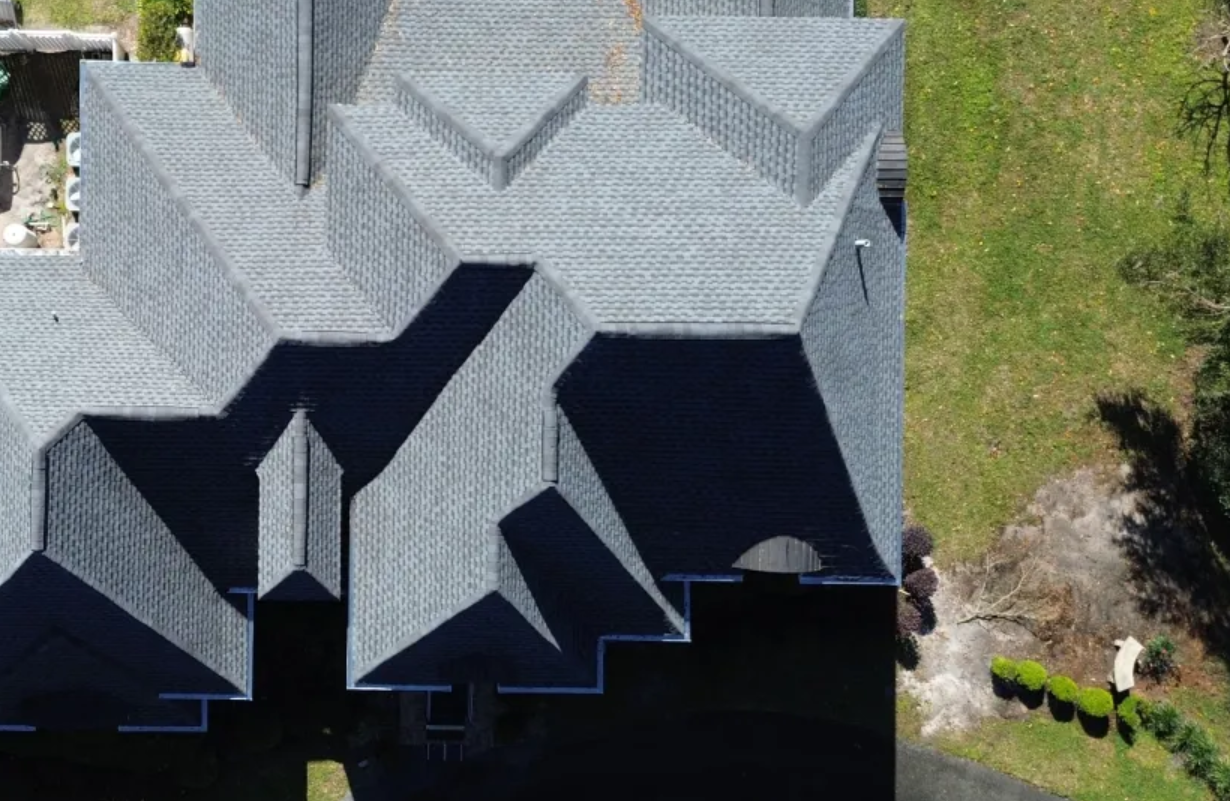
Modified Bitumen Roofing For Flat & Low-Slope Buildings
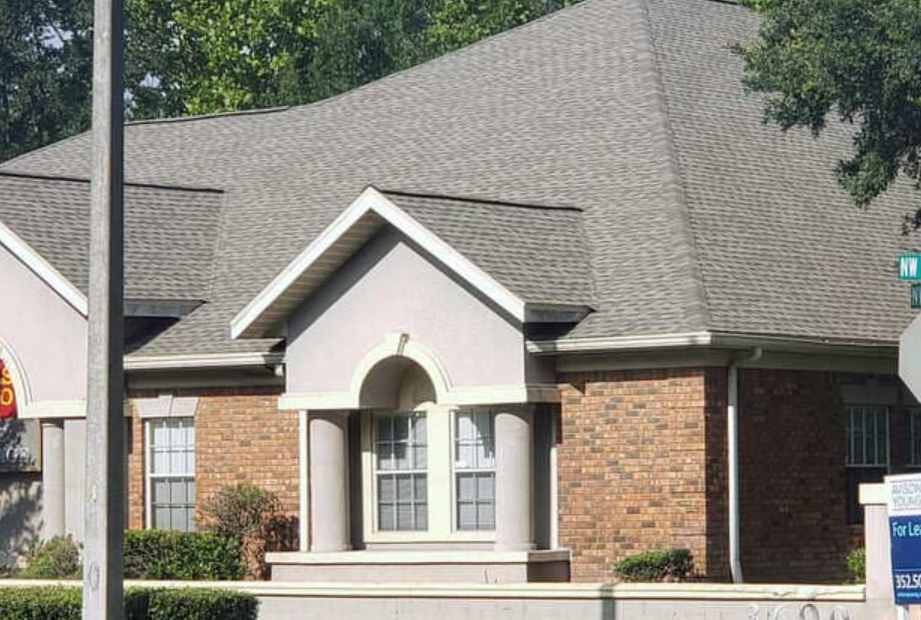
GAF Timberline Shingles: Features, Cost, and Benefits

GAF Timberline HDZ: Complete Guide For Homeowners
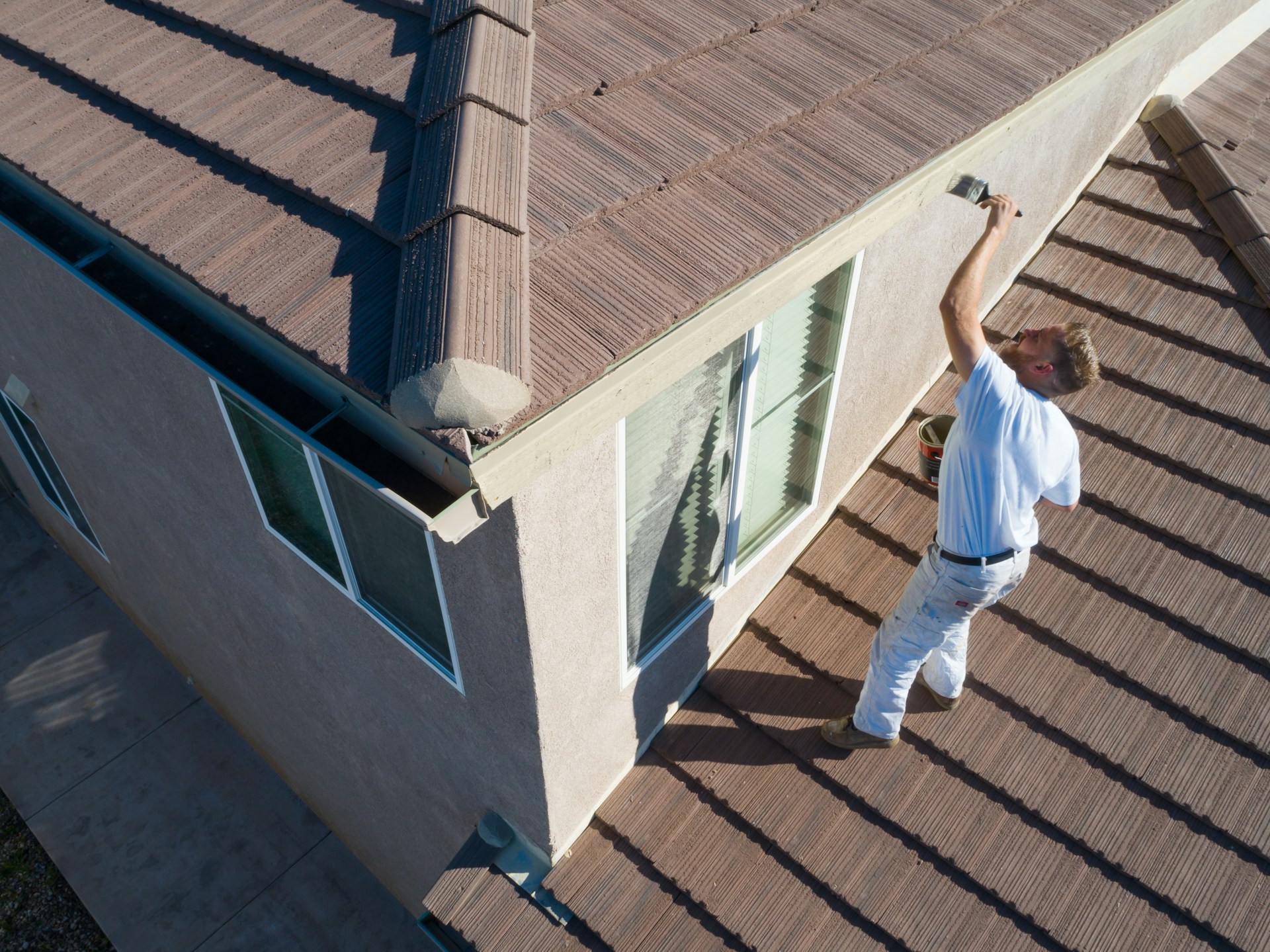
EPDM Rubber Roofing: Benefits, Costs, and Installation
Dimensional Shingles: Boost Curb Appeal And Roof Protection

Clay Tile Roofing: Benefits, Costs, And Lifespan Guide

Chimney Flashing Repair: Stop Chimney Leaks Fast

Built-Up Roofing Guide for Flat Commercial Roofs
Best Roofing Material for Florida Homes: 2026 Guide

Why Attic Ventilation Matters For A Healthier Home

Standing Seam Metal Roof: Benefits, Cost, and Installation

Same Day Roof Repair: Fast Emergency Solutions For Your Home
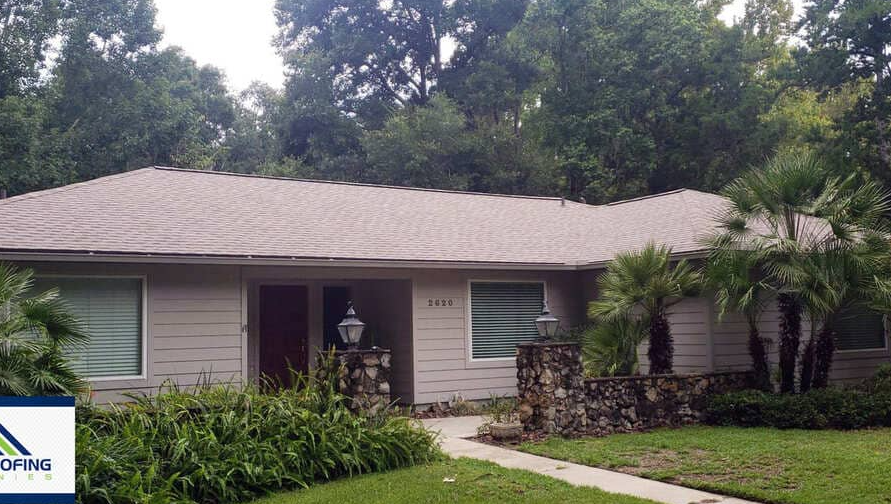
Roofing Contractors In Ocala, FL: How To Choose With Confidence
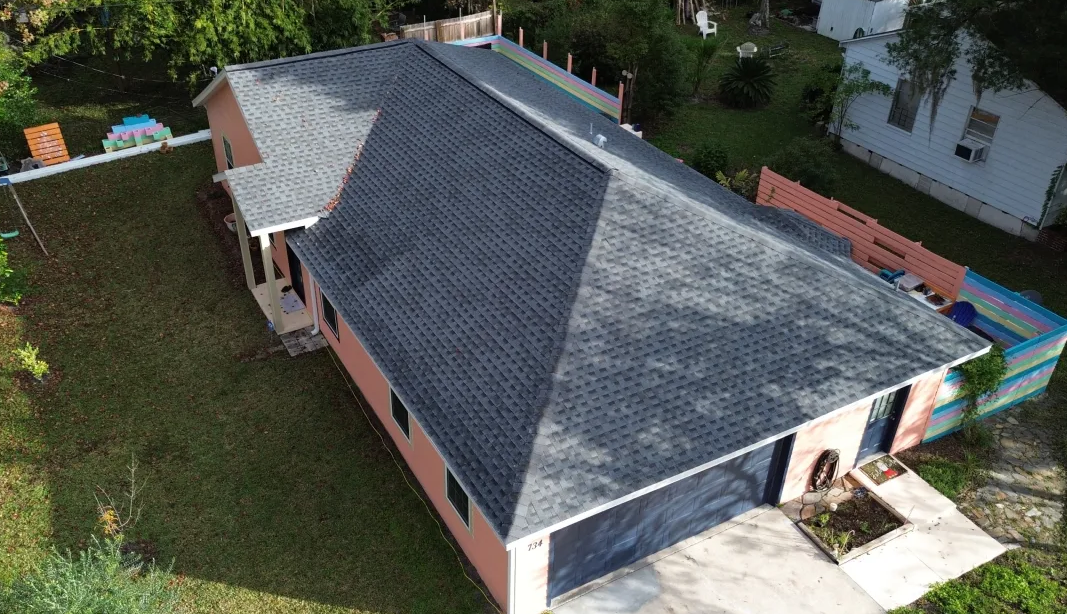
Roofing Company In Ocala, FL: How To Choose A Trusted Pro
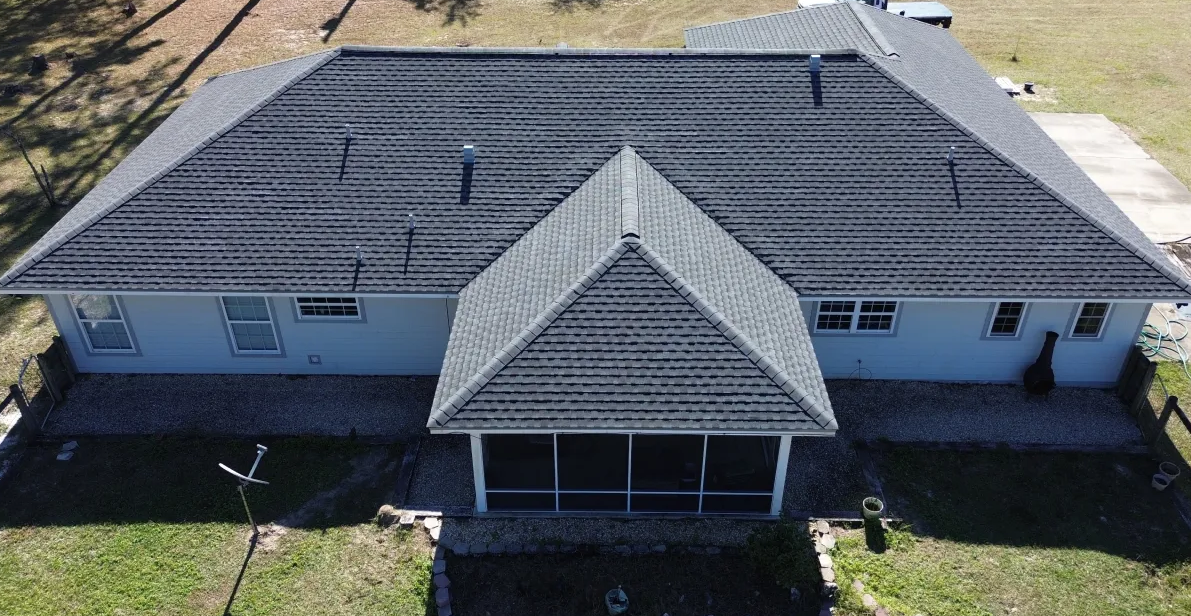
Roofers Gainesville, FL: How To Choose A Trusted Pro

Roof Repair In Ocala, FL: How To Choose A Trusted Contractor

Roof Repair In Gainesville, FL: Fast Help For Storms

Metal Roofing In Gainesville, FL: Durable Roofs That Cut Bills
Why Hiring A GAF Master Elite Roofer Matters

Corrugated Metal Roofing: Durable, Affordable Roof Guide

Best Shingles for Florida: Top Hurricane-Resistant Options

Architectural Shingles: Durable, Stylish Roofing Guide
24/7 Roof Repair: Fast Emergency Help When You Need It

.svg)


.svg)
.svg)
.svg)
.svg)
