Apartment Complex Roofing Decisions Property Managers Regret
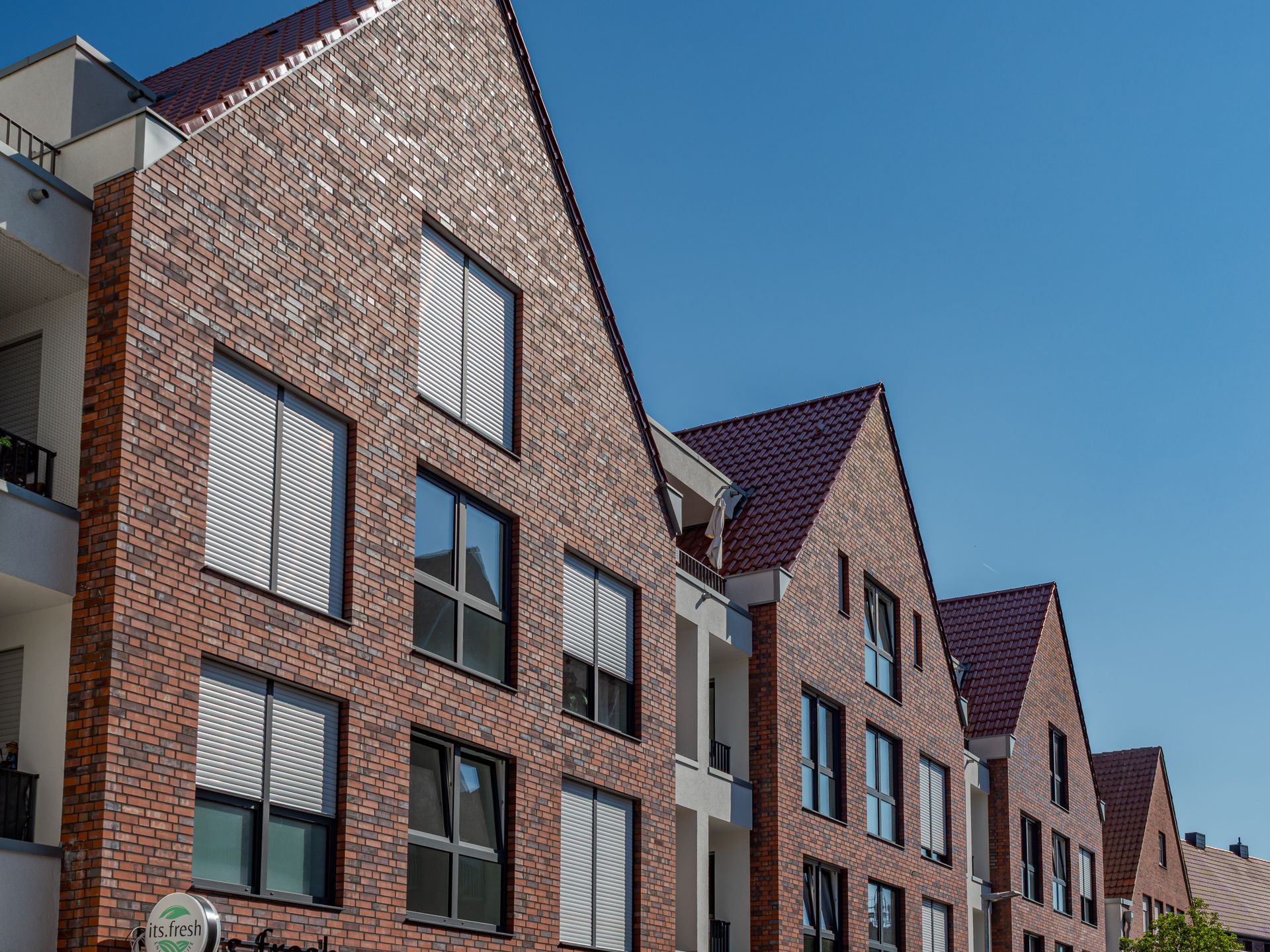
Costly Roofing Choices That Haunt Property Managers
Apartment complex roofing is not just another line on a maintenance list. It touches almost everything you care about as a property manager: budgets, tenant comfort, safety, and your own stress level. When the roof is wrong, everyone feels it.
Many managers later regret roofing decisions that seemed small at the time. A leak that starts in one unit can spread to hallways and common areas. Emergency repairs cut into reserves and throw off plans for upgrades. Tenants get tired of buckets in their living rooms and stained ceilings, and they start looking for a different place to live.
Roof choices affect:
- Long-term operating costs
- Insurance headaches and claims
- Resident satisfaction and renewals
- How often you deal with complaints and work orders
From our work across Florida, Georgia, and Alabama, we see the same patterns again and again. Problems usually come from choosing the wrong roofing system for the climate, underestimating maintenance, chasing the lowest bid, or waiting too long to replace a failing roof. The good news is, with better planning, you can avoid most of these regrets.
Underestimating Sun and Storm Damage in the Southeast
In the Southeast, the roof over an apartment complex is under constant stress. Strong sun, steady heat, high humidity, and long storm seasons all take a toll. If a roof was picked only because it was cheap up front, it often starts breaking down much sooner than anyone expected.
Common regrets we hear from managers include:
- Picking dark, non-reflective roofs that trap heat and raise AC use
- Choosing systems that are not rated for strong wind uplift
- Ignoring how driving rain finds weak spots around edges and penetrations
- Forgetting about hail and flying debris during strong storms
Roof materials that might work fine in mild, dry weather can fail quickly in our region. Shingles curl and crack. Flat roofs hold standing water that seeps into seams. Sealants dry out under the sun and open gaps around vents and walls.
Timing also matters. Waiting until late summer, right when storms and the busy move-in season ramp up, often means roof work has to be done under pressure. A smarter approach is to:
- Plan inspections before storm season
- Address small issues during drier months
- Tackle big upgrades during shoulder periods when schedules are easier to manage
When the roof is ready before storm season, everyone sleeps better, including you.
Relying on the Lowest Bid vs. Roof Life Cycle Value
Choosing the lowest bid can feel like a win in the short term. You can show ownership that you kept costs down and got the project done. But with apartment complex roofing, the cheapest number on paper often leads to the highest number over time.
Low bids can hide:
- Thinner, lower-quality materials
- Limited or confusing warranty language
- Less experienced installers
- Skipped details like flashings, ventilation, and underlayment
For a large apartment community, those small shortcuts show up later as constant repair calls. You may find yourself dealing with:
- Recurring leaks in the same spots
- Water stains in multiple units
- Frequent patch jobs that never quite solve the problem
Life cycle value looks at the full picture. Instead of asking, “What is the cheapest way to cover this roof right now?” it asks, “Which roof system will give us the fewest problems and the best performance over its full life?” Better materials and workmanship can mean fewer leaks, fewer resident claims, and more predictable budgets over many years.
A clear, honest proposal should spell out:
- Scope of work, in plain language
- Product types and performance ratings
- Warranty terms and what is and is not covered
- Safety plans and clean-up expectations
When everything is transparent, you can compare real value, not just the bottom line.
Delaying Replacement Until Leaks Force Emergency Work
One of the biggest regrets we hear from property managers is waiting too long to replace a failing roof. It often starts with a few small leaks. Patches seem to work for a while, so replacement gets pushed off again and again.
Over time, this can lead to:
- Repeated leaks in multiple units
- Interior damage to ceilings, walls, and flooring
- Mold concerns that upset residents and owners
- Last-minute roof work that disrupts tenants during peak leasing periods
Common signs a roof is near the end of its life include:
- Frequent work orders for roof-related leaks
- Soft or sagging areas on walkways
- Granules from shingles collecting in gutters
- Ponding water that lingers on flat roofs
Waiting until just before or during hurricane season makes everything harder. Vendors are busier, weather windows are shorter, and a single strong storm can turn a “maybe next year” roof into an emergency teardown.
A better plan is to:
- Schedule regular inspections so you know where things stand
- Build roofs into your capital reserve forecasting
- Plan major repairs or replacement in late winter or spring, before storm season peaks
This shifts you from reacting to crises to managing your property with confidence.
Skipping Preventive Maintenance and Documentation
Another regret that hits hard is not having a steady maintenance routine. Without preventive care, small problems stay hidden until they become major leaks. Warranties can also be at risk if basic upkeep was not performed.
A simple maintenance plan for apartment complex roofing usually includes:
- Biannual inspections, plus extra checks after big storms
- Cleaning debris from roofs, gutters, and drains
- Checking seams, flashings, and penetrations around vents and equipment
- Fixing small cracks, lifted edges, or loose fasteners right away
This kind of routine work helps catch issues early, often in minutes, before they lead to damage inside units. It also shows owners that you are protecting their investment instead of just responding when something goes wrong.
Documentation is just as important as the work itself. Keeping organized records gives you leverage when you need it. Useful documentation includes:
- Dated photos of roof surfaces and trouble spots
- Service records and invoices for all roof work
- Inspection reports that note conditions and recommendations
These records help with warranty claims, support you during insurance discussions after storms, and make future budgeting more accurate.
Partnering with a Roofing Expert Before the Next Storm Season
Property managers who feel the least stress about their roofs usually have one thing in common. They have a trusted roofing partner who understands multifamily properties and the local climate, and they involve that partner before trouble starts.
Smart next steps often look like this:
- Get a full roof assessment before spring, including photos and a written summary
- Review any existing warranties and see what is required to keep them in good standing
- Build a multi-year roofing plan that lines up with your budget cycles and lease periods
For apartment communities across Florida, Georgia, and Alabama, we at Energy Roofing Companies work with property managers to create that kind of long-term plan. Our goal is simple: fewer regrets, fewer surprises, and roofing systems that protect your residents and your bottom line year after year.
Get Started With Your Project Today
If your property is ready for a roofing upgrade or repair, our team at Energy Roofing Companies is here to help you plan the best solution for long-term performance and curb appeal. Explore our specialized apartment complex roofing services to see how we protect multiple units efficiently and safely. Reach out today so we can assess your roof, provide a clear estimate, and schedule work around your residents’ needs, or contact us with any questions about your specific building.
Related posts
Apartment Complex Roofing Decisions Property Managers Regret
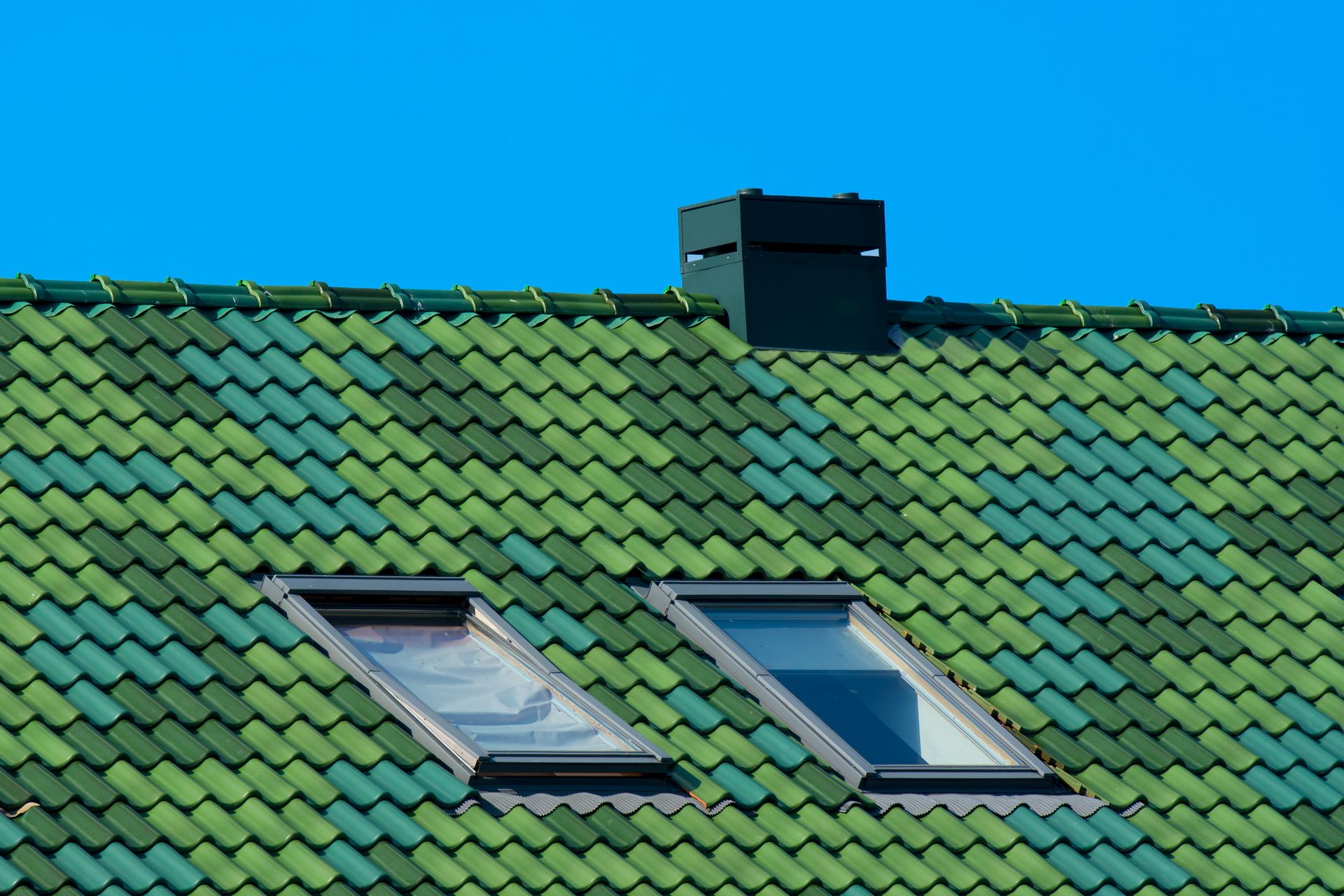
What Gainesville Roofers Recommend Before Your First Skylight Installation
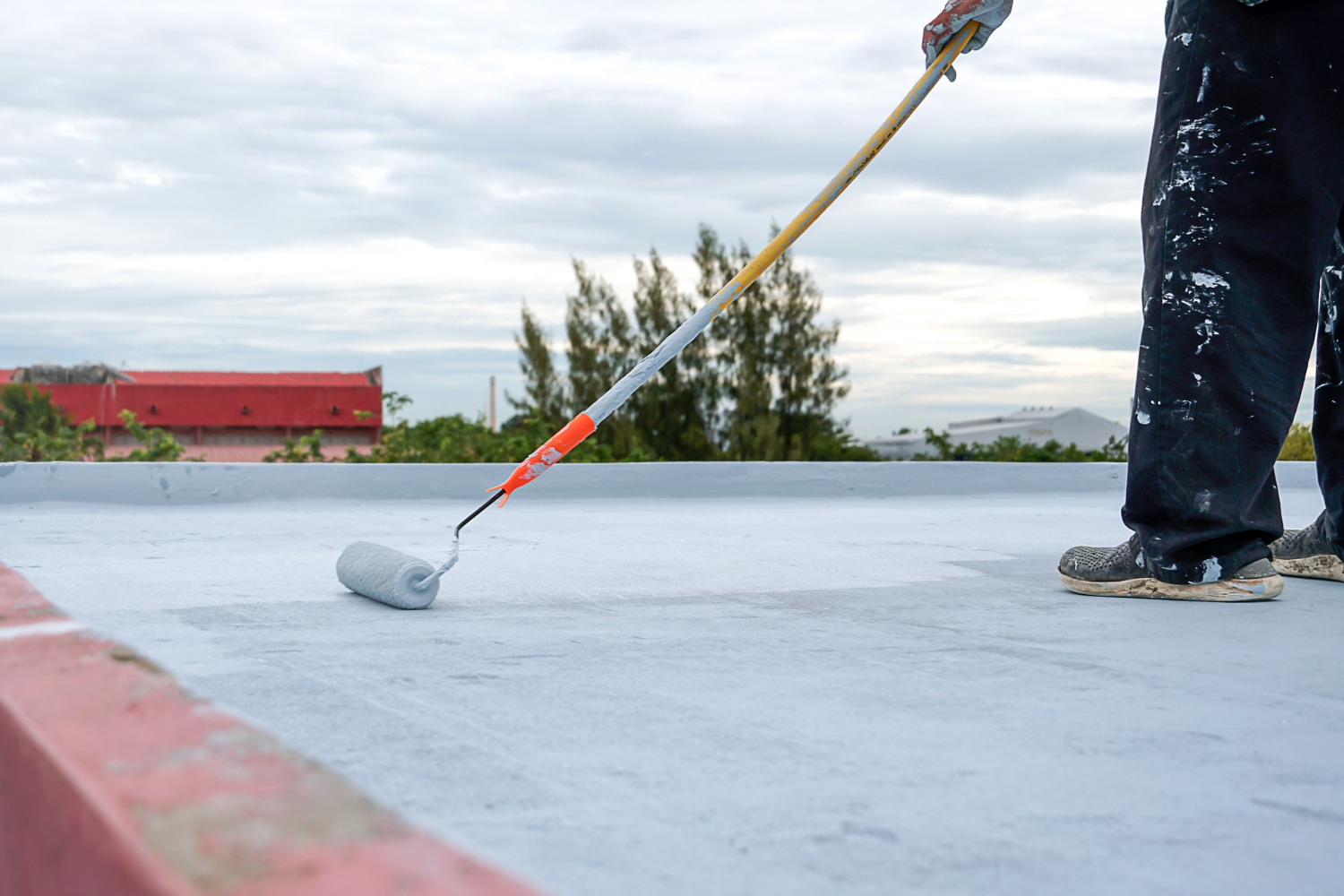
Questioning Roof Coating Services for Florida Flat Roofs
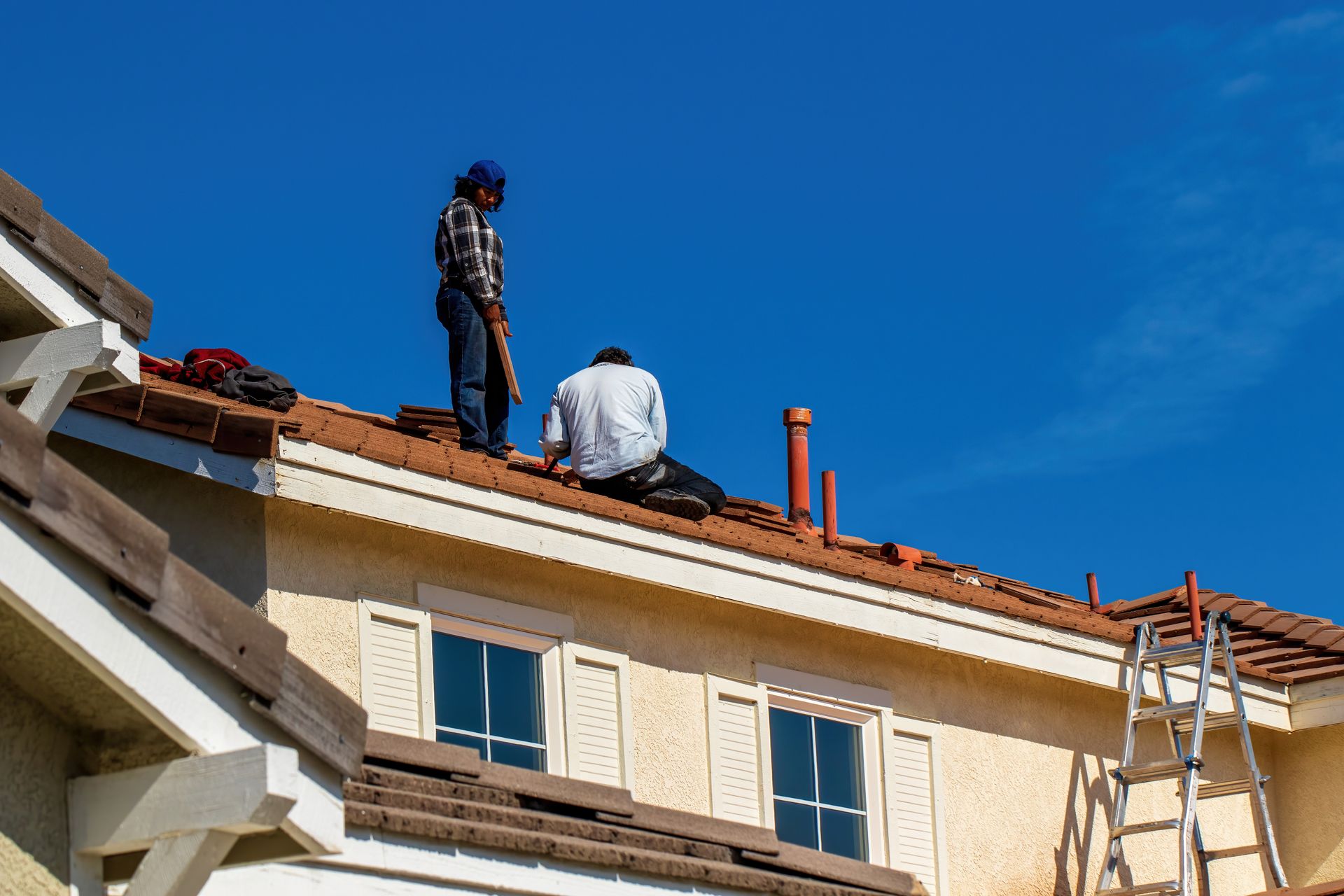
Choosing Roof Replacement After Florida Hurricane Landfall
.jpg)
How Florida Insurance, Wind Mitigation Credits, and Deductibles Affect Roof
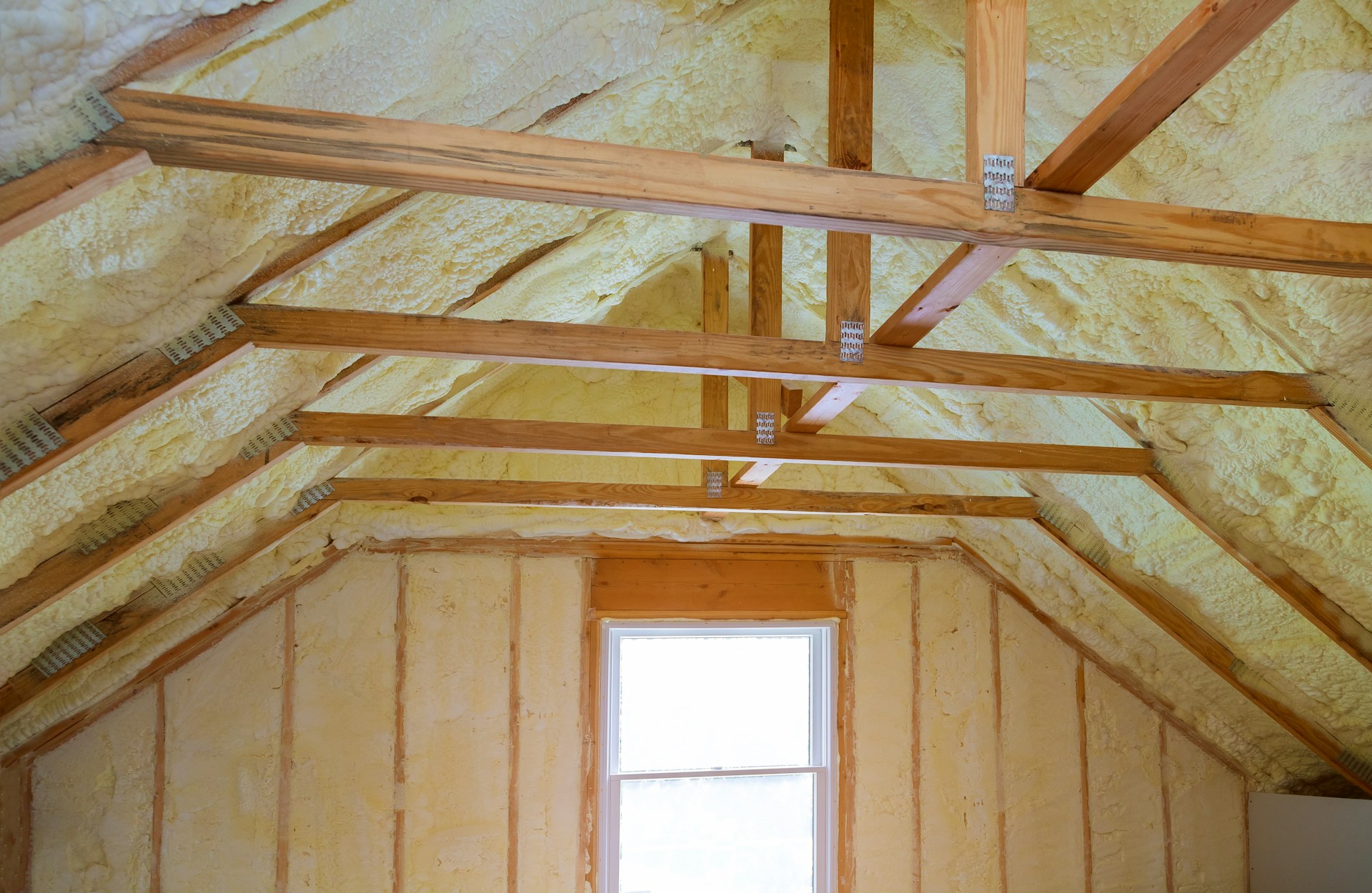
What Happens When Roof Leaks Reach Your Attic Insulation
.jpg)
Florida Rubber Roofing Myths Homeowners Should Stop Believing
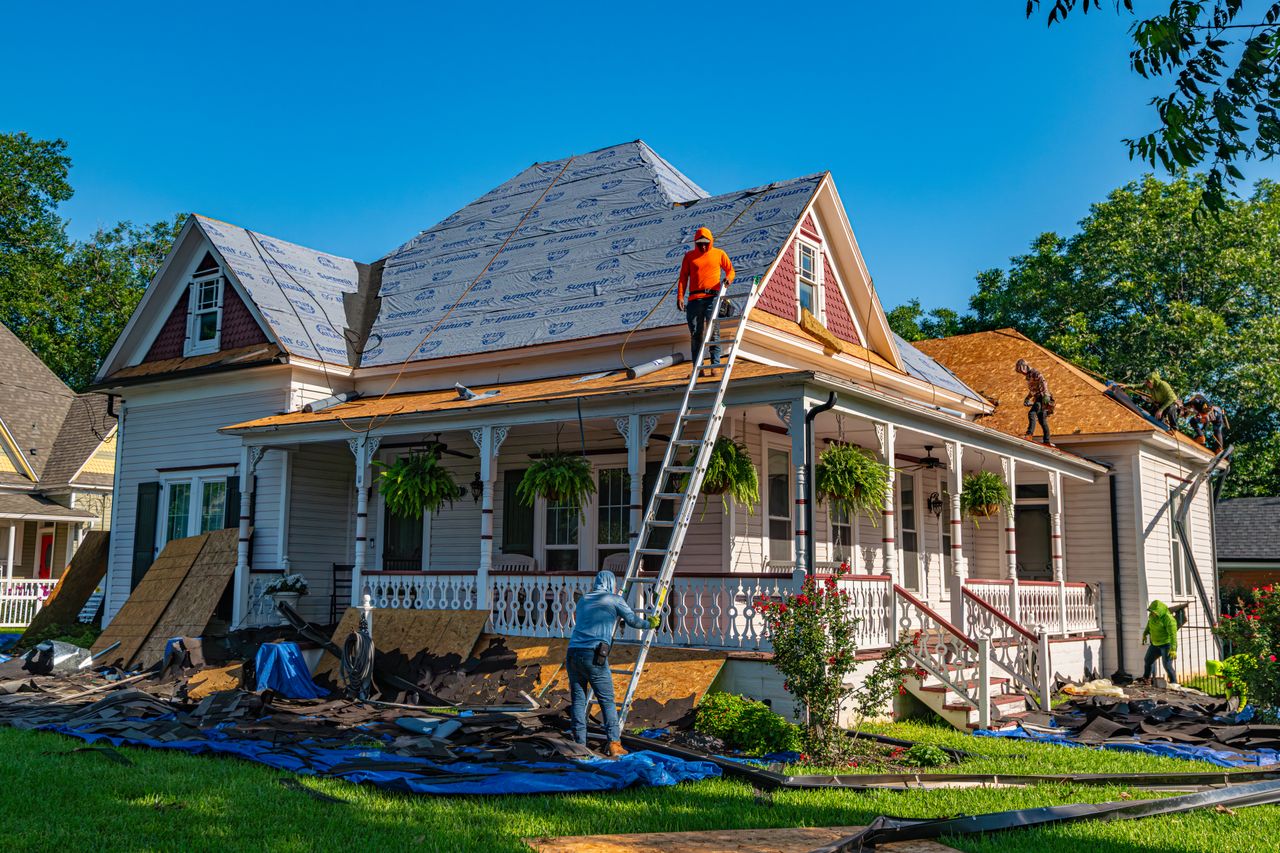
Storm Damage Roof Repairs Florida HOAs Often Underestimate
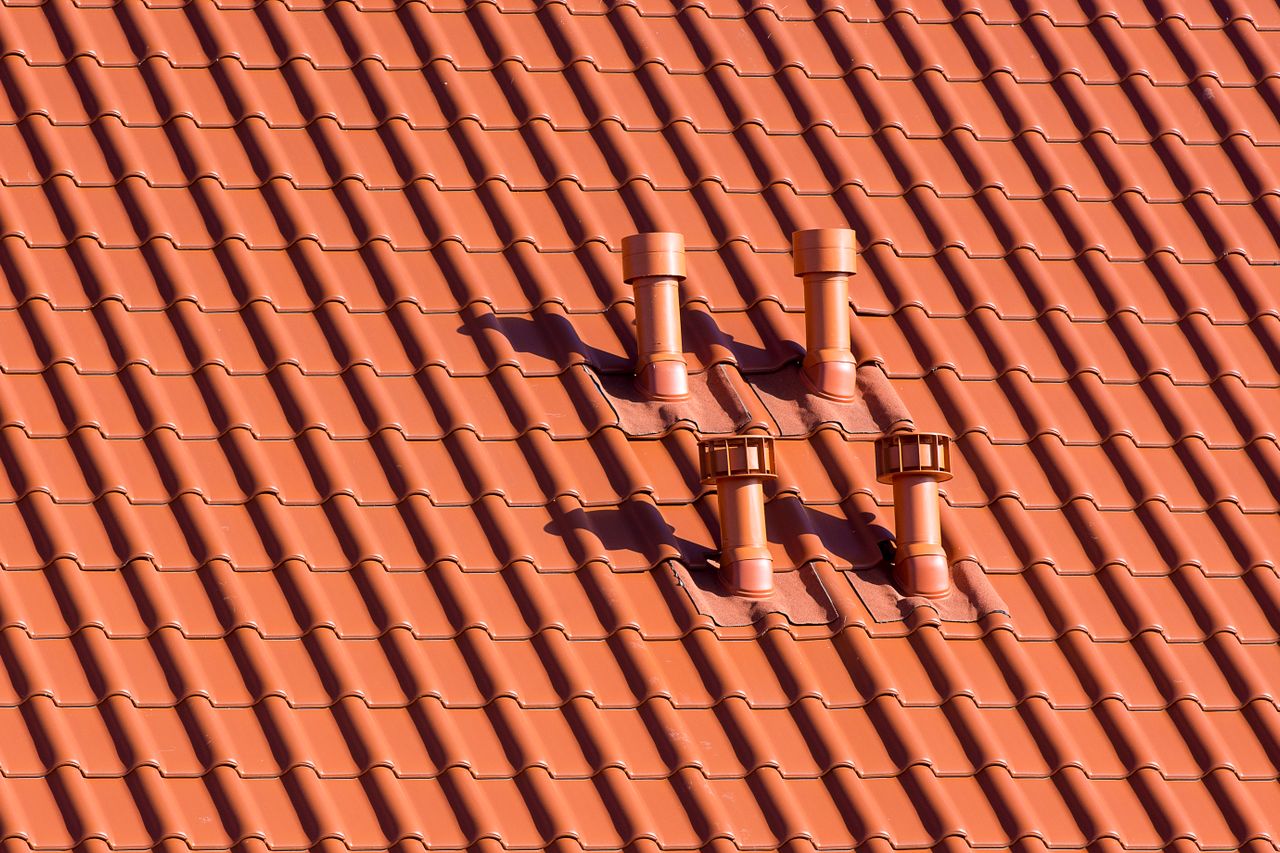
Questioning Roof Cleaning Services in Florida’s Humid Climate
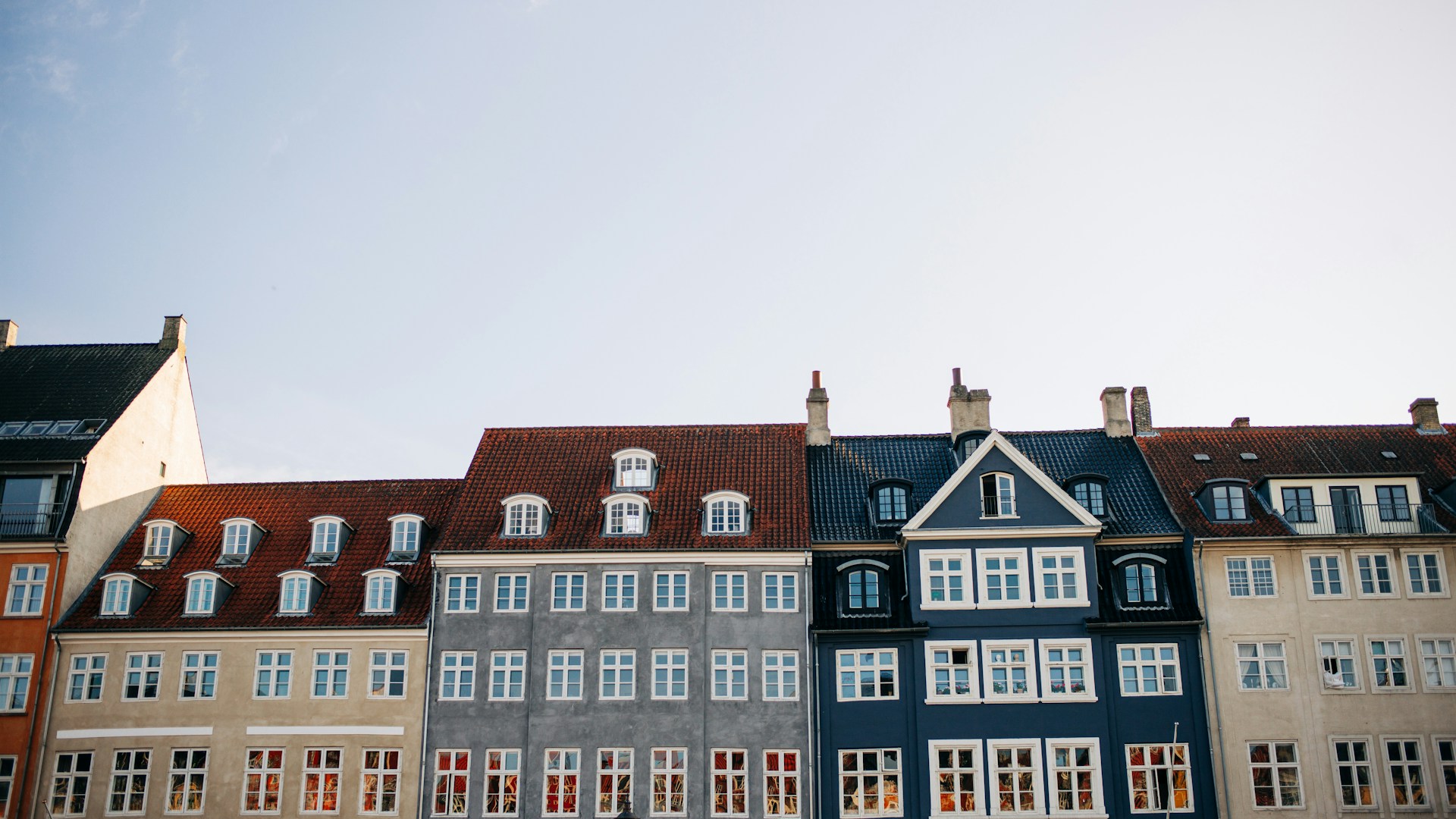
Smart Roof Maintenance Plans for Florida Apartment Complexes
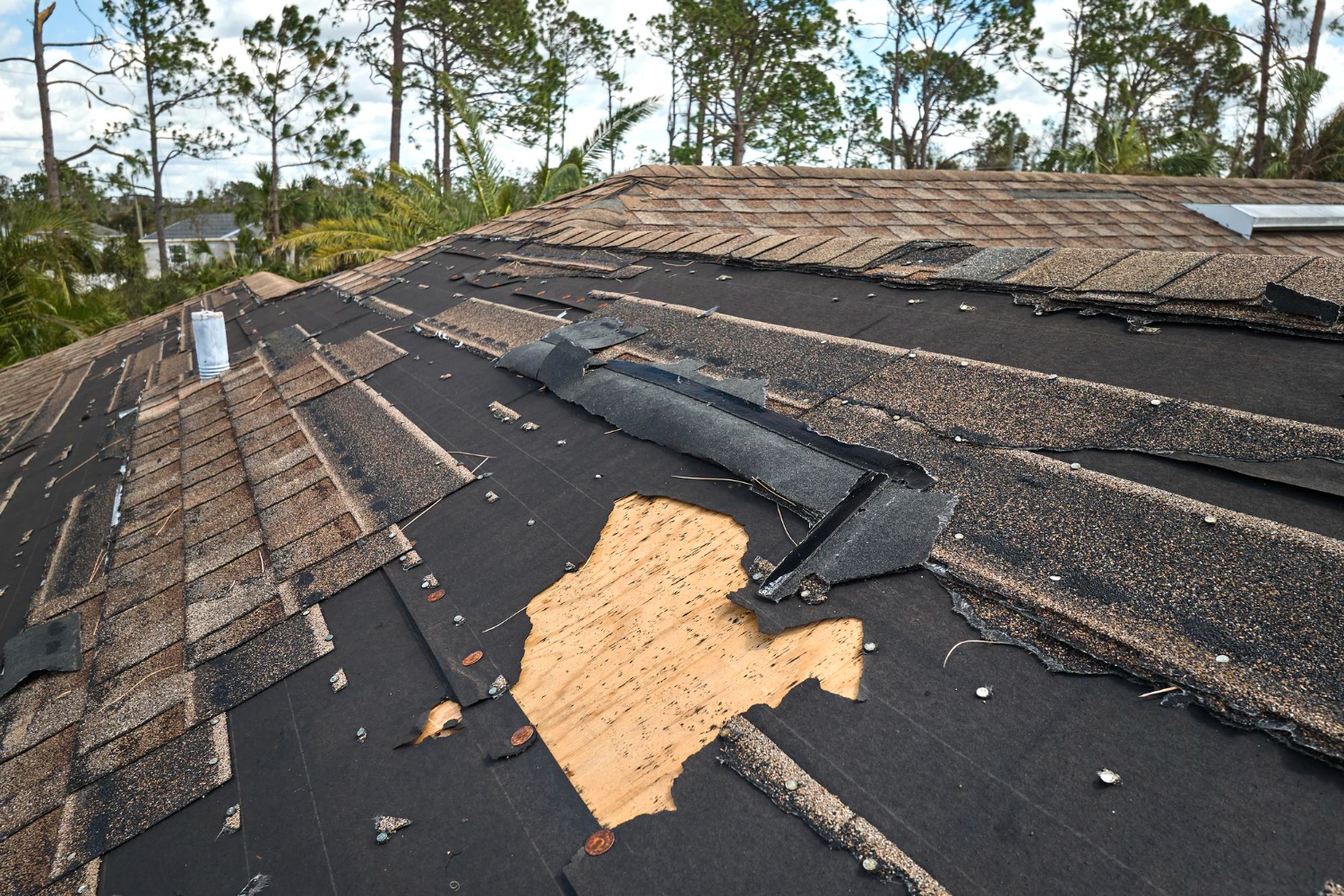
Hidden Cost Drivers in Florida Roof Replacements: Permits, Codes, Fees

Early-Morning Roof Leak Repair in Gainesville Summer Storms
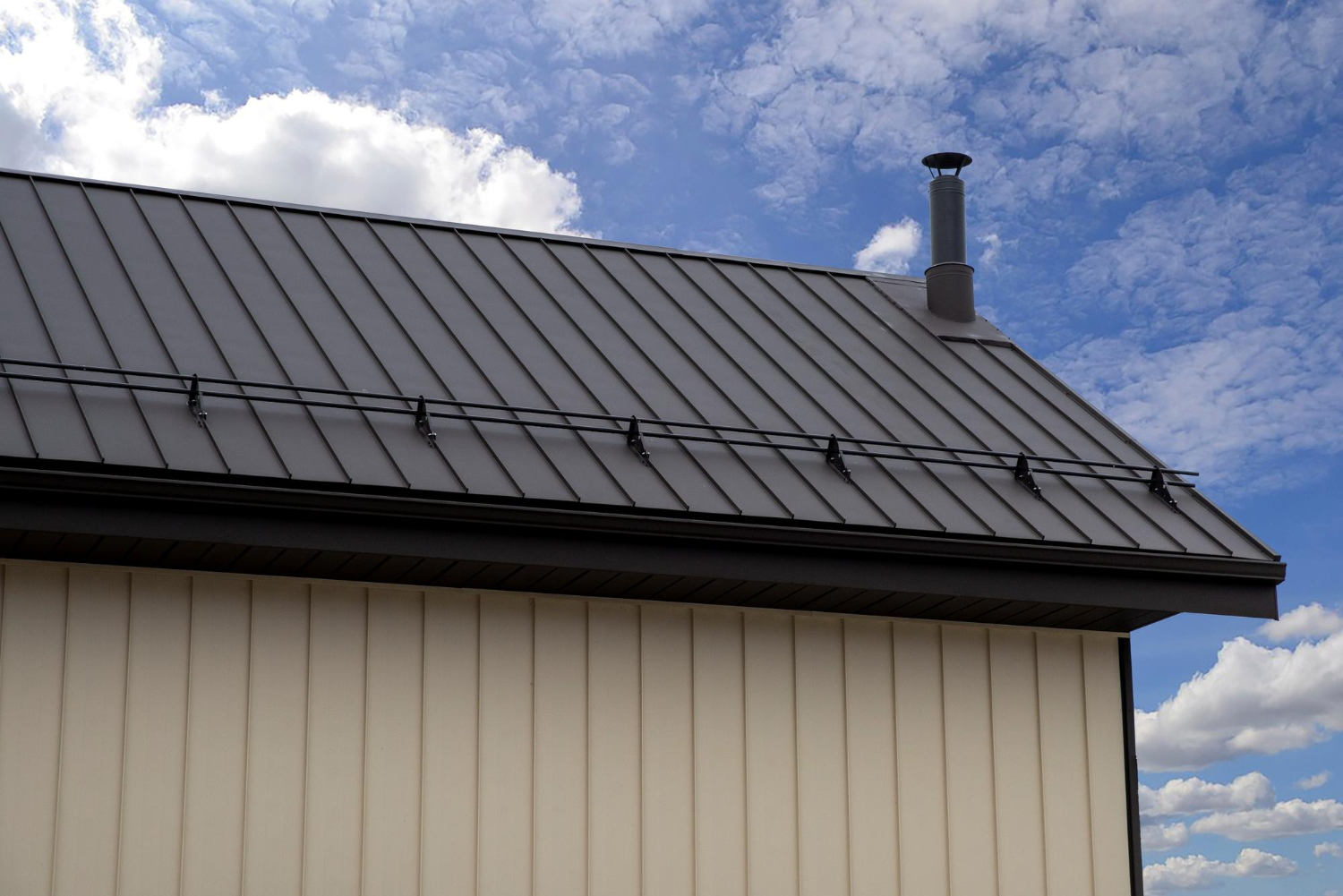
Is a Standing Seam Metal Roof Right for Florida Homes
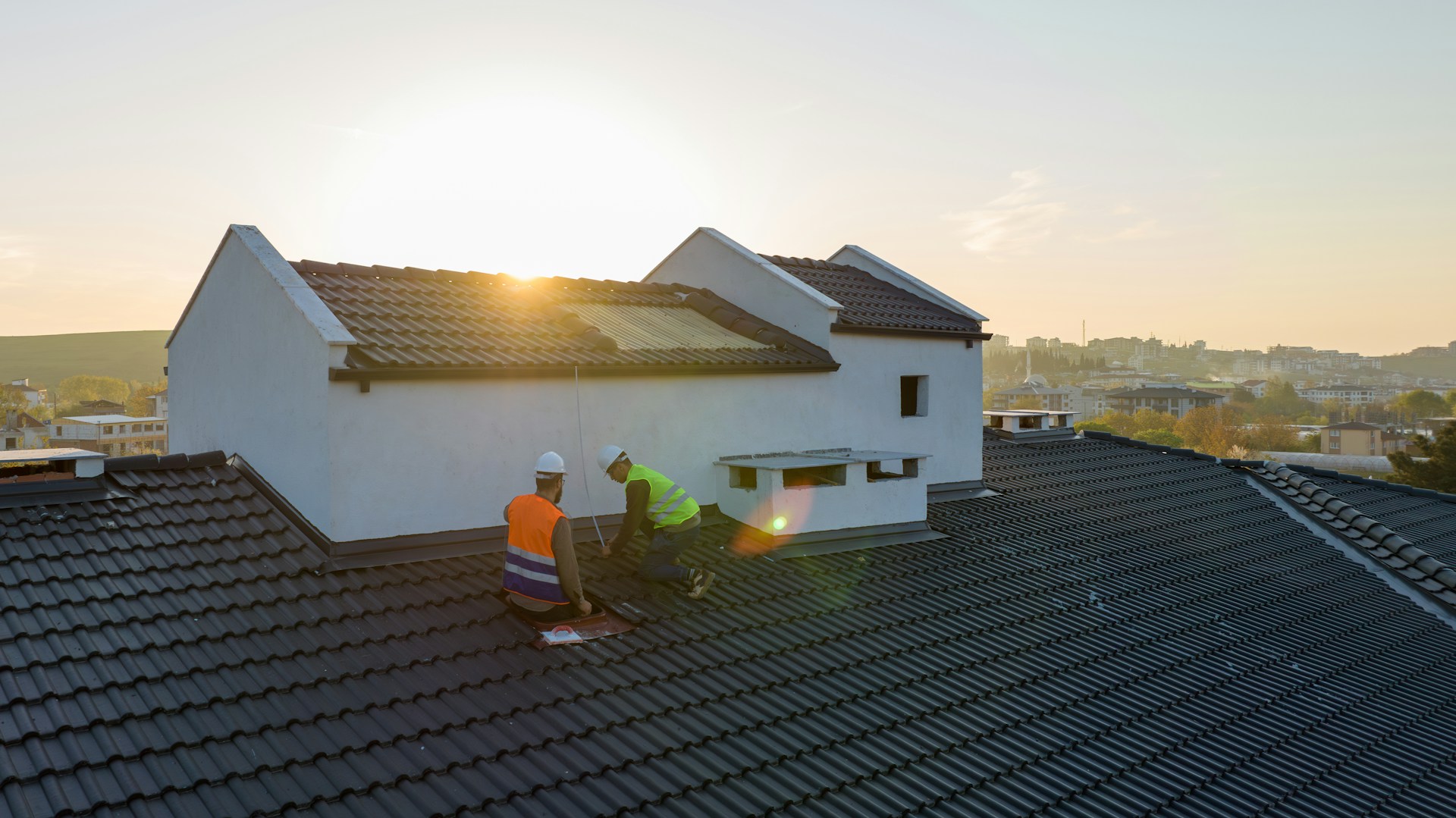
Questioning Your Roof Warranty in Florida’s Storm Belt
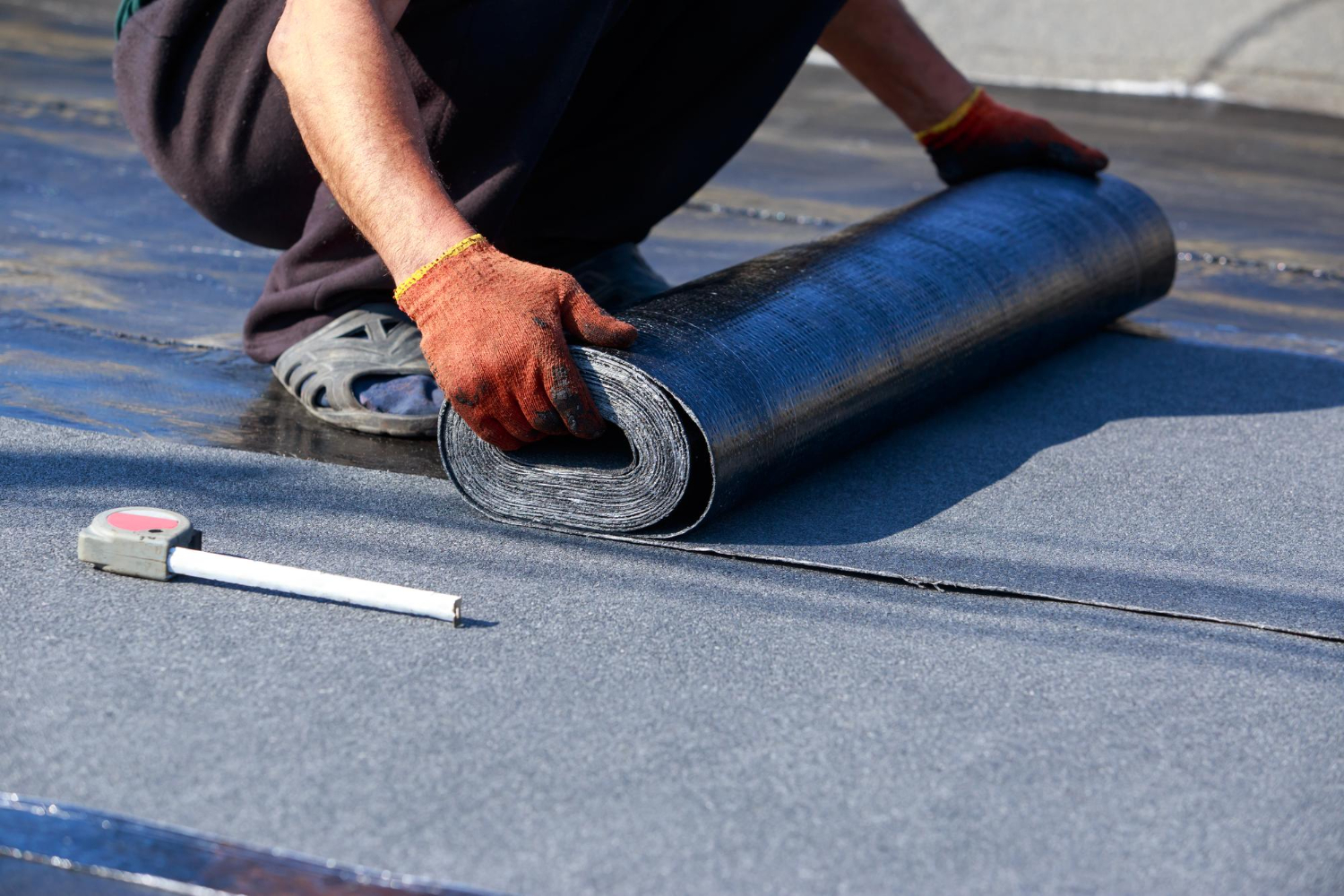
How to Choose Roof Underlayment and Waterproofing for Florida Weather
.jpg)
Why Gainesville Homebuyers Need a Dedicated Roofing Company Partner

What Gainesville Homeowners Miss in Post-Storm Roof Inspections
.jpg)
Summer Roof Maintenance Plans for Florida Homes

Roof Financing Options Florida Homeowners Should Understand

Pre-Listing Roof Inspection Tips for Gainesville Sellers
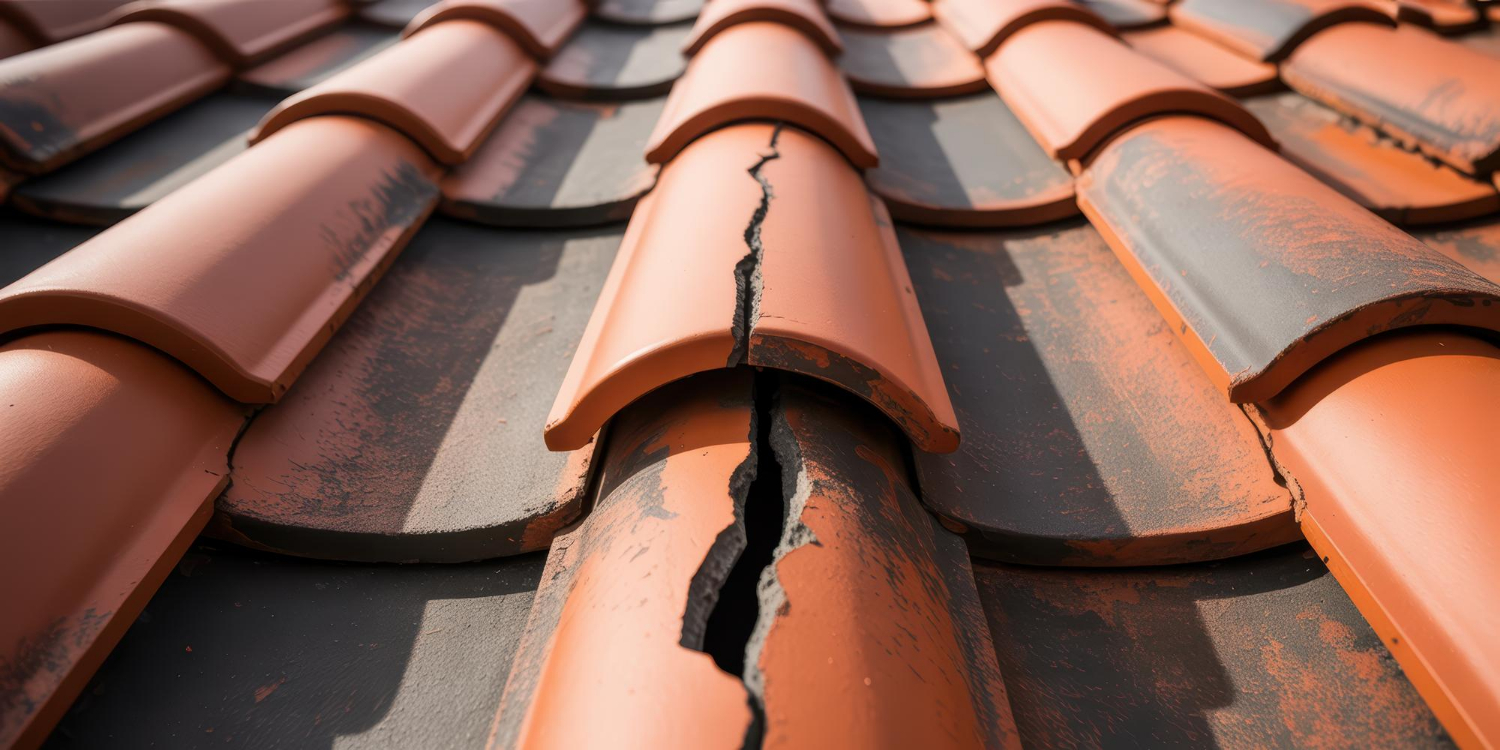
Florida Cracked Roof Tiles That Look Minor but Leak Big
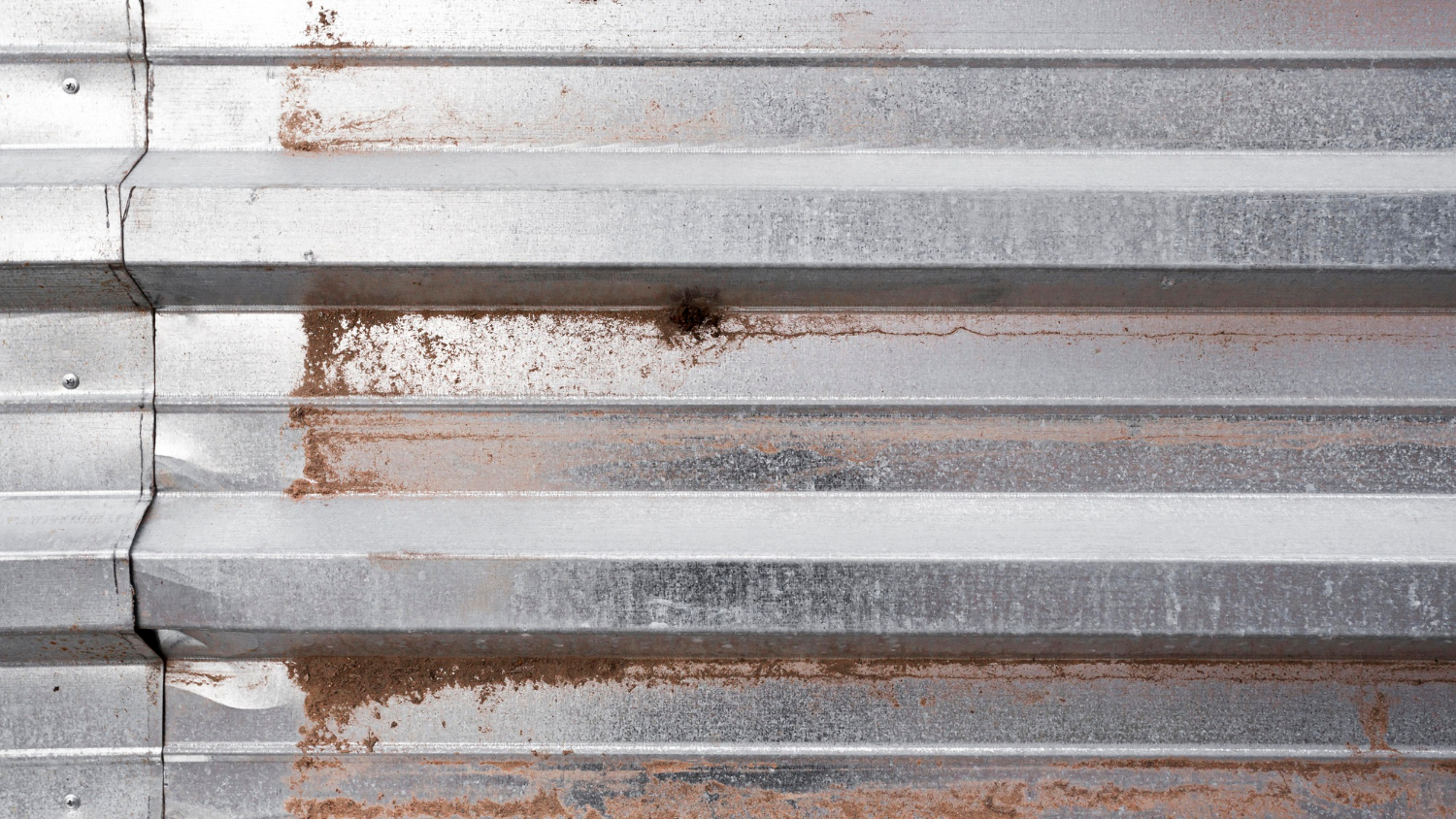
Why Gainesville Roof Vent Leaks Start in the Attic First

Signs Your Florida Flat Roof Needs Professional Repair

Roof Tarping Emergency Steps for Florida Storm Nights
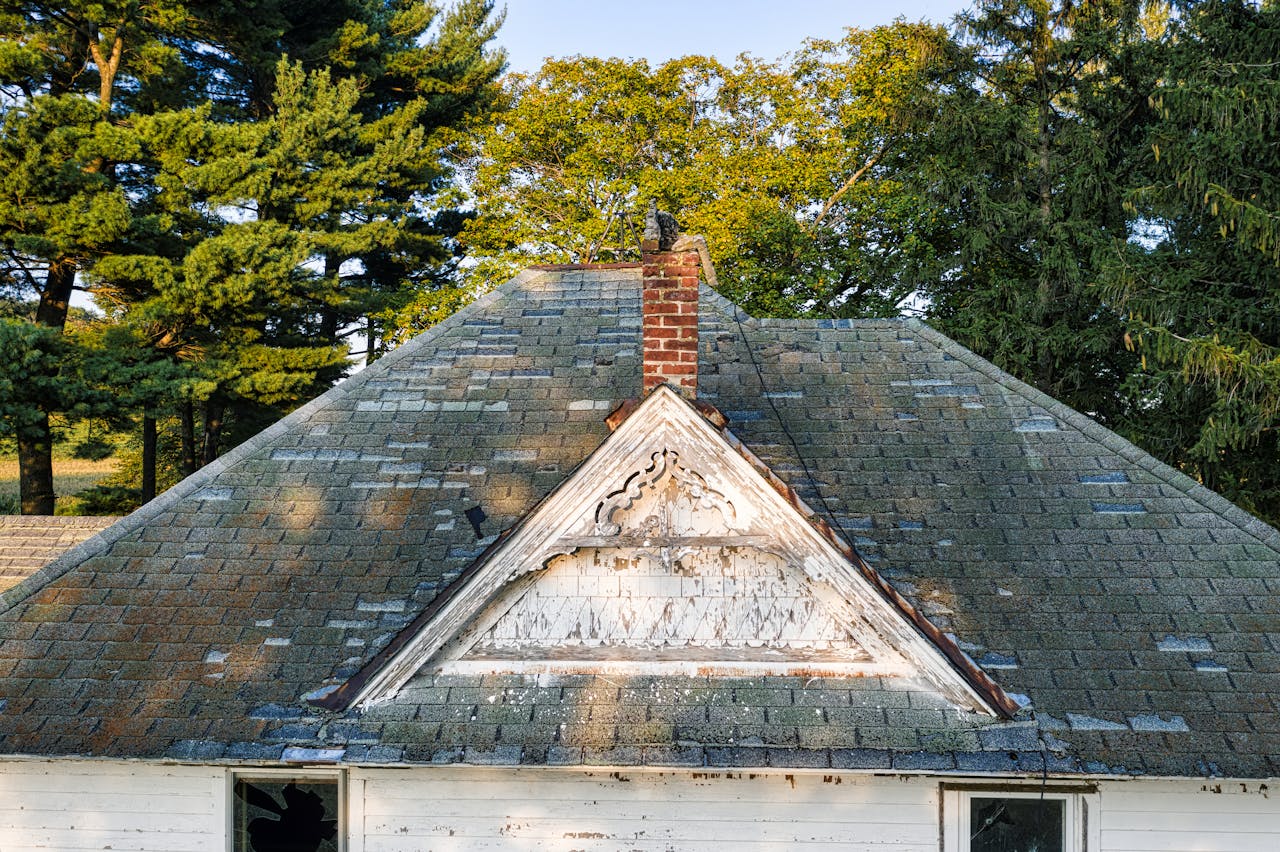
Understanding Hail Damage Roof Claims in Florida
.jpg)

Roof Insurance Claim Help for Florida Storm Seasons

Roof Ventilation Problems Florida Homeowners Overlook

When to Consider Roof Replacement in the Florida Climate
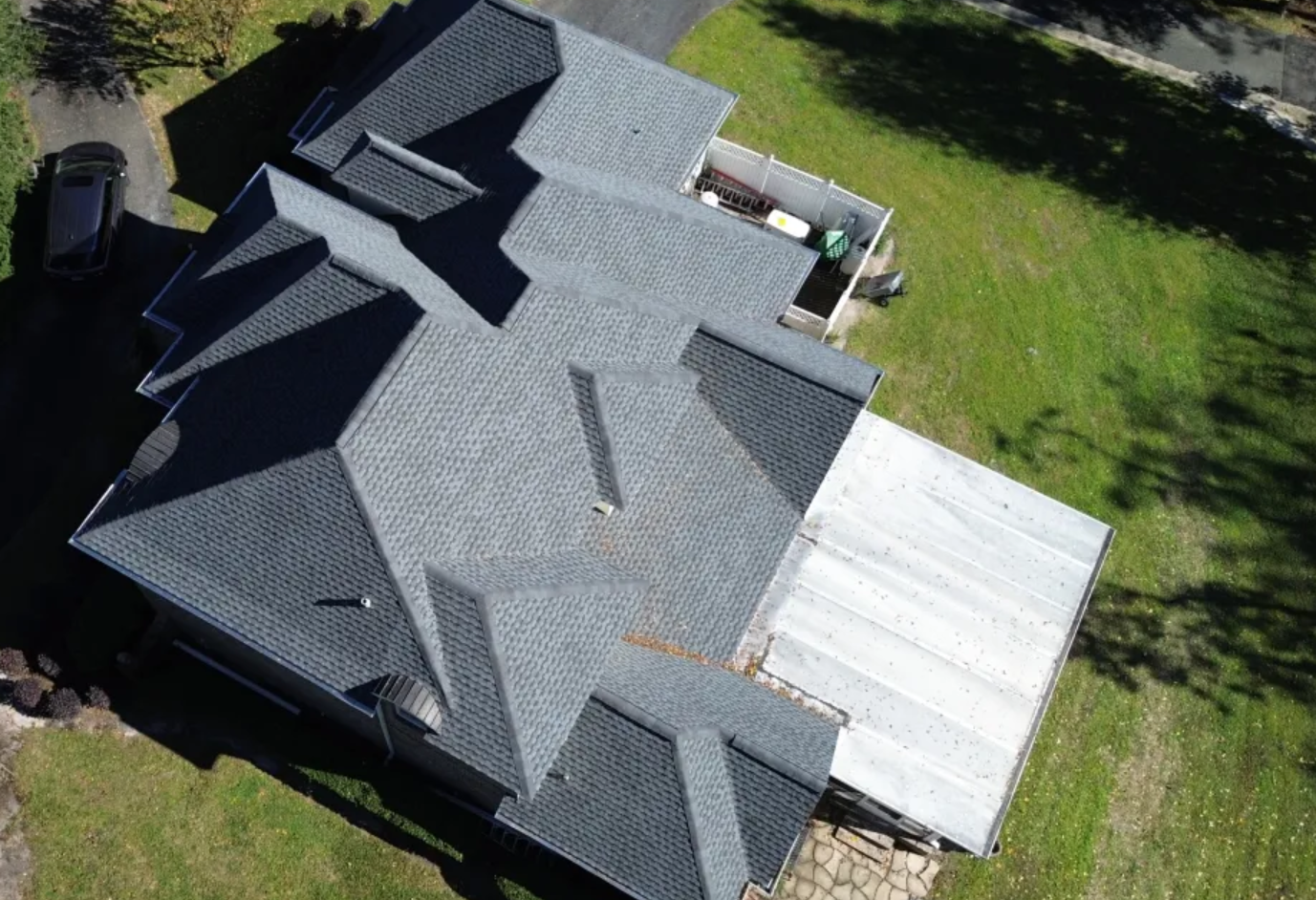
Ridge Vent Installation Guide for Better Attic Ventilation
Modified Bitumen Roofing For Flat & Low-Slope Buildings
GAF Timberline Shingles: Features, Cost, and Benefits

GAF Timberline HDZ: Complete Guide For Homeowners
EPDM Rubber Roofing: Benefits, Costs, and Installation
Dimensional Shingles: Boost Curb Appeal And Roof Protection

Clay Tile Roofing: Benefits, Costs, And Lifespan Guide

Chimney Flashing Repair: Stop Chimney Leaks Fast

Built-Up Roofing Guide for Flat Commercial Roofs
Best Roofing Material for Florida Homes: 2026 Guide

Why Attic Ventilation Matters For A Healthier Home

Standing Seam Metal Roof: Benefits, Cost, and Installation

Same Day Roof Repair: Fast Emergency Solutions For Your Home
Roofing Contractors In Ocala, FL: How To Choose With Confidence
Roofing Company In Ocala, FL: How To Choose A Trusted Pro
Roofers Gainesville, FL: How To Choose A Trusted Pro

Roof Repair In Ocala, FL: How To Choose A Trusted Contractor

Roof Repair In Gainesville, FL: Fast Help For Storms

Metal Roofing In Gainesville, FL: Durable Roofs That Cut Bills
Why Hiring A GAF Master Elite Roofer Matters

Corrugated Metal Roofing: Durable, Affordable Roof Guide

Best Shingles for Florida: Top Hurricane-Resistant Options

Architectural Shingles: Durable, Stylish Roofing Guide
24/7 Roof Repair: Fast Emergency Help When You Need It

.svg)


.svg)
.svg)
.svg)
.svg)
