Hidden Cost Drivers in Florida Roof Replacements: Permits, Codes, Fees
Stop Cost Surprises Before Your Florida Roof Replacement
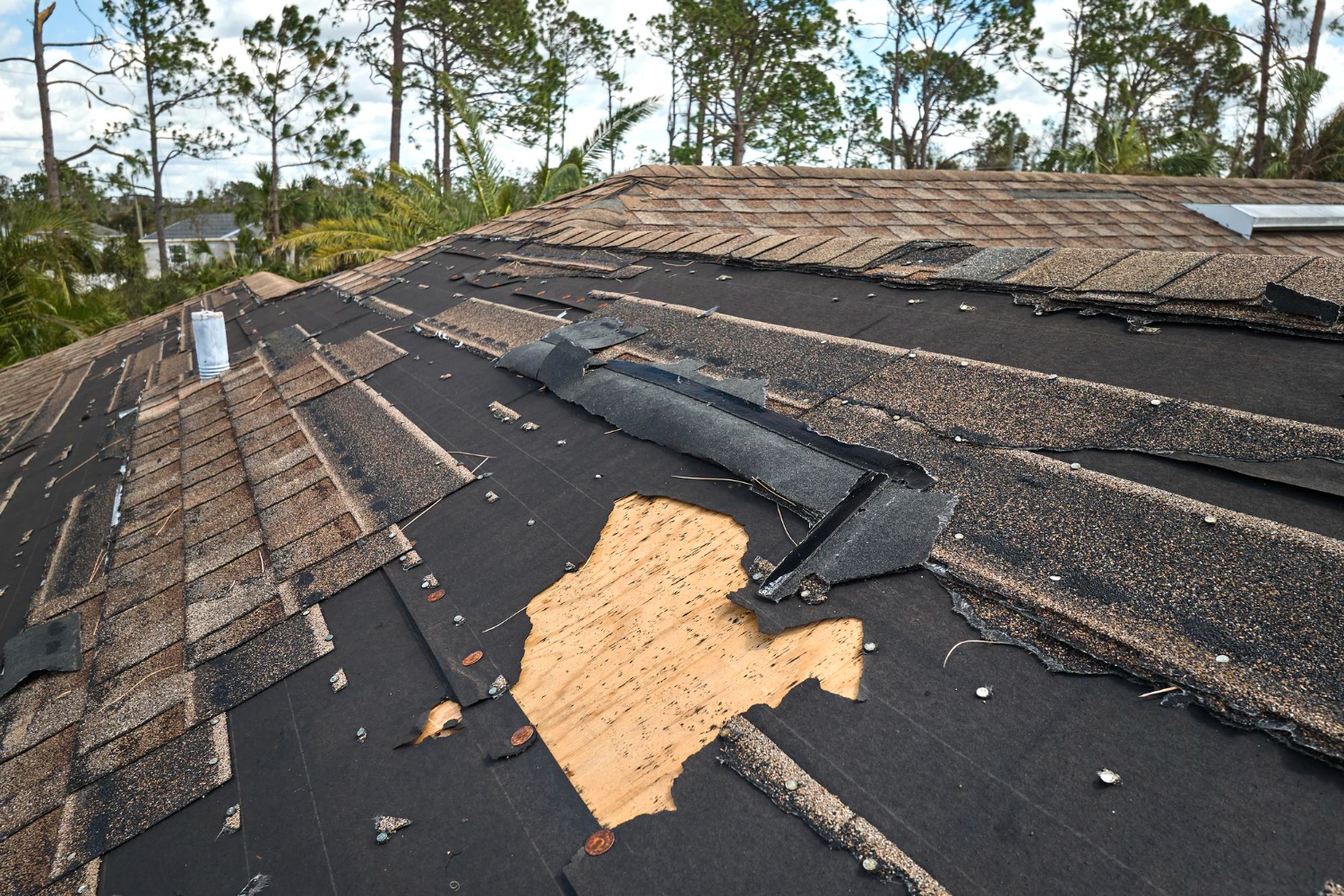
A Florida homeowner gets a roof quote that looks simple and clean. Work starts, the old roof comes off, and then the phone rings. Now there are permit add-ons, code upgrades, rotten wood, and disposal charges that were not part of the plan.
When people ask, "How much does roof replacement cost in Florida?", they usually think about shingle versus metal and maybe the size of the roof. The honest answer is bigger than that. There are hidden cost drivers that many quick calculators and rough estimates leave out, and those can change the final bill in a big way.
We want to break down the most common extra costs that show up once a roof project starts, especially in Florida. We will talk about permits, code-required upgrades, wood and decking replacement, and disposal fees, why they matter so much in our climate, and how to plan for them before hurricane season picks up. As a licensed contractor working across Florida, and also in Georgia and Alabama, we focus on bringing these details to the surface during inspections and written scopes so you are not surprised later.
Why Florida Roof Quotes Vary More Than You Think
Roof quotes in Florida can look very different, even for homes that seem alike from the street. A big reason is the Florida Building Code and how it is enforced in different areas. Coastal zones and high-wind regions can have stricter rules that affect how a roof must be installed.
Seasonal timing plays a role too. As summer rolls on and we get closer to the heart of hurricane season, more homeowners rush to get their roofs ready. That extra demand can change labor availability, permit wait times, and how quickly hidden issues must be handled once the old roof is removed.
Price is not only about materials. The real answer to "How much does roof replacement cost in Florida?" depends on things like:
- Age of the home and roof
- Past storm damage or patch jobs
- How many layers are already on the roof
- Whether earlier work met code at the time
A thorough pre-job inspection is one of the best tools you have. That should include a careful look at the roof surface and, when possible, an attic check. For older homes and coastal properties, this step is especially important, because it can reveal weak decking, poor ventilation, or missing components that are likely to trigger add-on work.
Permits and Inspections That Add to Your Final Bill
Roofing permits are not just paperwork. In Florida, Georgia, and Alabama, permits are required for most roof replacements and many larger repairs. A licensed contractor usually pulls the permit, and the local building department sets the rules and fees based on roof size, location, and project type.
Permit and inspection costs can change by city or county. Some areas, especially along the coast or in high-wind zones, can also ask for extra engineering notes or added documentation for certain roof systems. All of this affects how much time and administrative work goes into your project.
Inspections are part of the permit process. When an inspection fails, it can cause:
- Re-inspection fees from the building department
- Delays that stretch the job timeline
- Added labor and overhead while crews wait
Common reasons for failed inspections include improper nailing patterns, missing or wrong underlayment, or lack of a required secondary water barrier. These are not small details in a storm-prone state. To plan ahead, ask your contractor to itemize:
- Permit costs for your address
- Expected inspection stages
- Any known re-inspection charges in your area
When you see those items written out, they become part of a clear budget instead of a surprise line.
Code Upgrades That Turn a Basic Job Into a Big One
After major storms, building codes often tighten up. Florida has added stronger rules over time to help roofs stand up better to high winds and heavy rain. That means older roofs might not match current standards, and when you replace that roof, certain upgrades become mandatory.
Common code-related changes during replacement can include:
- Higher nail counts or specific nail patterns
- Different or extra underlayment in key areas
- Updated vents or roof accessories
- Proper drip edge at all eaves and rakes
- Better flashing at walls, chimneys, and valleys
These code-required upgrades are not upsells. Inspectors look for them, and passing inspection often depends on having them in place. This is why they can have such a big effect on the real answer to "How much does roof replacement cost in Florida?", especially if your home was built before newer code editions took effect.
To plan for code upgrades, it helps to:
- Ask for a written list of likely code items based on the first inspection
- Find out which items are mandatory and which are more optional improvements
- Talk with your insurance agent about possible wind mitigation credits for certain features
When you know ahead of time what the code is likely to demand on your home, it is much easier to shape a realistic roofing plan.
Decking, Rotten Wood, and Disposal Fees You Cannot Ignore
One of the biggest wild cards in a roof project is hidden wood damage. The roof decking and fascia often stay out of sight until the old shingles or other roofing materials come off. Once that layer is removed, weak, rotten, or warped wood can show up and must be fixed before a new roof goes on.
Signs that wood replacement might be needed include:
- Long-term roof leaks or stains on ceilings
- Sagging or uneven spots on the roof
- Dark staining or soft spots visible in the attic
- Past storm damage that was only patched on the surface
Contractors usually price decking replacement by the sheet and fascia or other trim by the linear foot. Having those unit rates in writing gives you a way to plan an allowance for wood repair, even if the final amount is not known until tear-off.
Disposal is another often forgotten cost driver. Removing an old roof is dirty, heavy work, and the materials have to go somewhere. Disposal-related charges can include:
- Tear-off labor for the crew
- Dumpster or hauling fees
- Landfill or recycling charges
- Extra weight costs for tile or multiple shingle layers
A simple way to protect yourself is to ask for clear per-unit pricing on wood replacement and disposal before signing. Also ask your contractor to use photos to document any wood they remove and replace during the job. That way, you have a clear record of what was done and why.
Building a Realistic Roof Budget Before Hurricane Season
Permits, code upgrades, wood replacement, and disposal are not side issues. They are part of any honest answer to the question, "How much does roof replacement cost in Florida?" If you only look at the surface material and square footage, you will almost always miss the pieces that tend to surprise homeowners once work starts.
A simple action list can help you build a better roof budget before late-summer storms pick up:
- Set up a detailed roof inspection ahead of peak storm months
- Ask for a written estimate that clearly lists possible add-ons
- Confirm who is responsible for permits and what they cost
- Review likely code upgrades for your area and your home’s age
- Build an allowance for wood replacement and disposal into your plan
By slowing down a bit before you sign a contract and asking the right questions, you can turn a “mystery quote” into a clear, step-by-step plan. At Energy Roofing Companies, we focus on detailed inspections and line-by-line proposals across Florida, Georgia, and Alabama so you can head into hurricane season with a roof budget that matches the real work your home needs.
Get Started With Your Project Today
If you are asking yourself How much does roof replacement cost in Florida, we are ready to walk you through real numbers based on your home and roofing needs. At Energy Roofing Companies, we start with a straightforward inspection and estimate so you understand your options before committing to any work. Our team will explain materials, timelines, and financing options in clear terms so you can make a confident decision. Have questions or want to schedule an appointment now, just contact us and we will follow up promptly.
Related posts
Apartment Complex Roofing Decisions Property Managers Regret
What Gainesville Roofers Recommend Before Your First Skylight Installation
Questioning Roof Coating Services for Florida Flat Roofs
Choosing Roof Replacement After Florida Hurricane Landfall
.jpg)
How Florida Insurance, Wind Mitigation Credits, and Deductibles Affect Roof
What Happens When Roof Leaks Reach Your Attic Insulation
.jpg)
Florida Rubber Roofing Myths Homeowners Should Stop Believing
Storm Damage Roof Repairs Florida HOAs Often Underestimate

Questioning Roof Cleaning Services in Florida’s Humid Climate

Smart Roof Maintenance Plans for Florida Apartment Complexes
Hidden Cost Drivers in Florida Roof Replacements: Permits, Codes, Fees

Early-Morning Roof Leak Repair in Gainesville Summer Storms
Is a Standing Seam Metal Roof Right for Florida Homes
Questioning Your Roof Warranty in Florida’s Storm Belt
How to Choose Roof Underlayment and Waterproofing for Florida Weather
.jpg)
Why Gainesville Homebuyers Need a Dedicated Roofing Company Partner

What Gainesville Homeowners Miss in Post-Storm Roof Inspections
.jpg)
Summer Roof Maintenance Plans for Florida Homes

Roof Financing Options Florida Homeowners Should Understand

Pre-Listing Roof Inspection Tips for Gainesville Sellers
Florida Cracked Roof Tiles That Look Minor but Leak Big
Why Gainesville Roof Vent Leaks Start in the Attic First

Signs Your Florida Flat Roof Needs Professional Repair

Roof Tarping Emergency Steps for Florida Storm Nights
Understanding Hail Damage Roof Claims in Florida
.jpg)

Roof Insurance Claim Help for Florida Storm Seasons

Roof Ventilation Problems Florida Homeowners Overlook

When to Consider Roof Replacement in the Florida Climate
Ridge Vent Installation Guide for Better Attic Ventilation
Modified Bitumen Roofing For Flat & Low-Slope Buildings
GAF Timberline Shingles: Features, Cost, and Benefits

GAF Timberline HDZ: Complete Guide For Homeowners
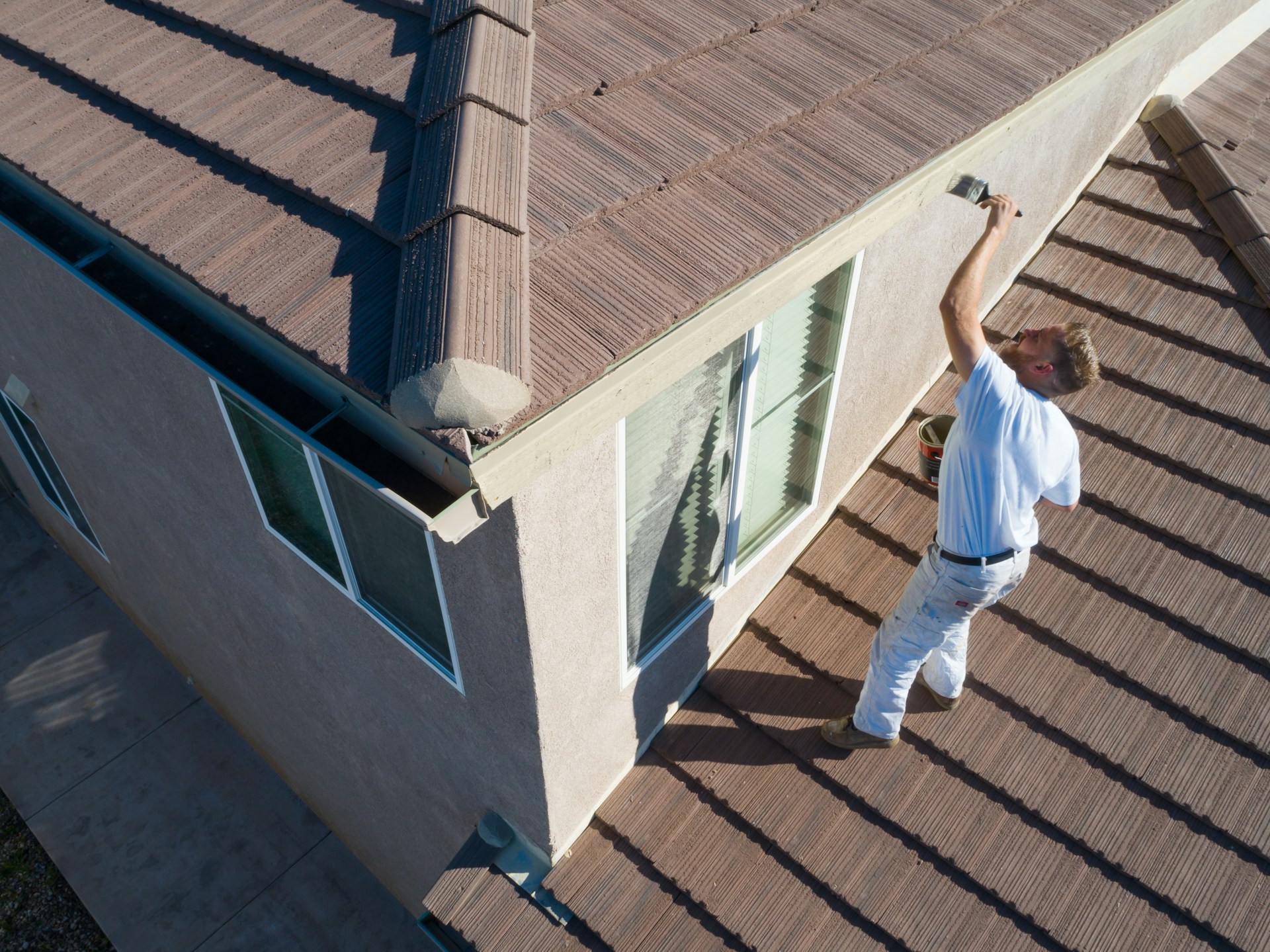
EPDM Rubber Roofing: Benefits, Costs, and Installation
Dimensional Shingles: Boost Curb Appeal And Roof Protection

Clay Tile Roofing: Benefits, Costs, And Lifespan Guide

Chimney Flashing Repair: Stop Chimney Leaks Fast

Built-Up Roofing Guide for Flat Commercial Roofs
Best Roofing Material for Florida Homes: 2026 Guide

Why Attic Ventilation Matters For A Healthier Home

Standing Seam Metal Roof: Benefits, Cost, and Installation

Same Day Roof Repair: Fast Emergency Solutions For Your Home
Roofing Contractors In Ocala, FL: How To Choose With Confidence
Roofing Company In Ocala, FL: How To Choose A Trusted Pro
Roofers Gainesville, FL: How To Choose A Trusted Pro

Roof Repair In Ocala, FL: How To Choose A Trusted Contractor

Roof Repair In Gainesville, FL: Fast Help For Storms

Metal Roofing In Gainesville, FL: Durable Roofs That Cut Bills
Why Hiring A GAF Master Elite Roofer Matters

Corrugated Metal Roofing: Durable, Affordable Roof Guide

Best Shingles for Florida: Top Hurricane-Resistant Options

Architectural Shingles: Durable, Stylish Roofing Guide
24/7 Roof Repair: Fast Emergency Help When You Need It

.svg)


.svg)
.svg)
.svg)
.svg)
