Choosing Roof Replacement After Florida Hurricane Landfall
Protecting Your Home After Hurricane Season
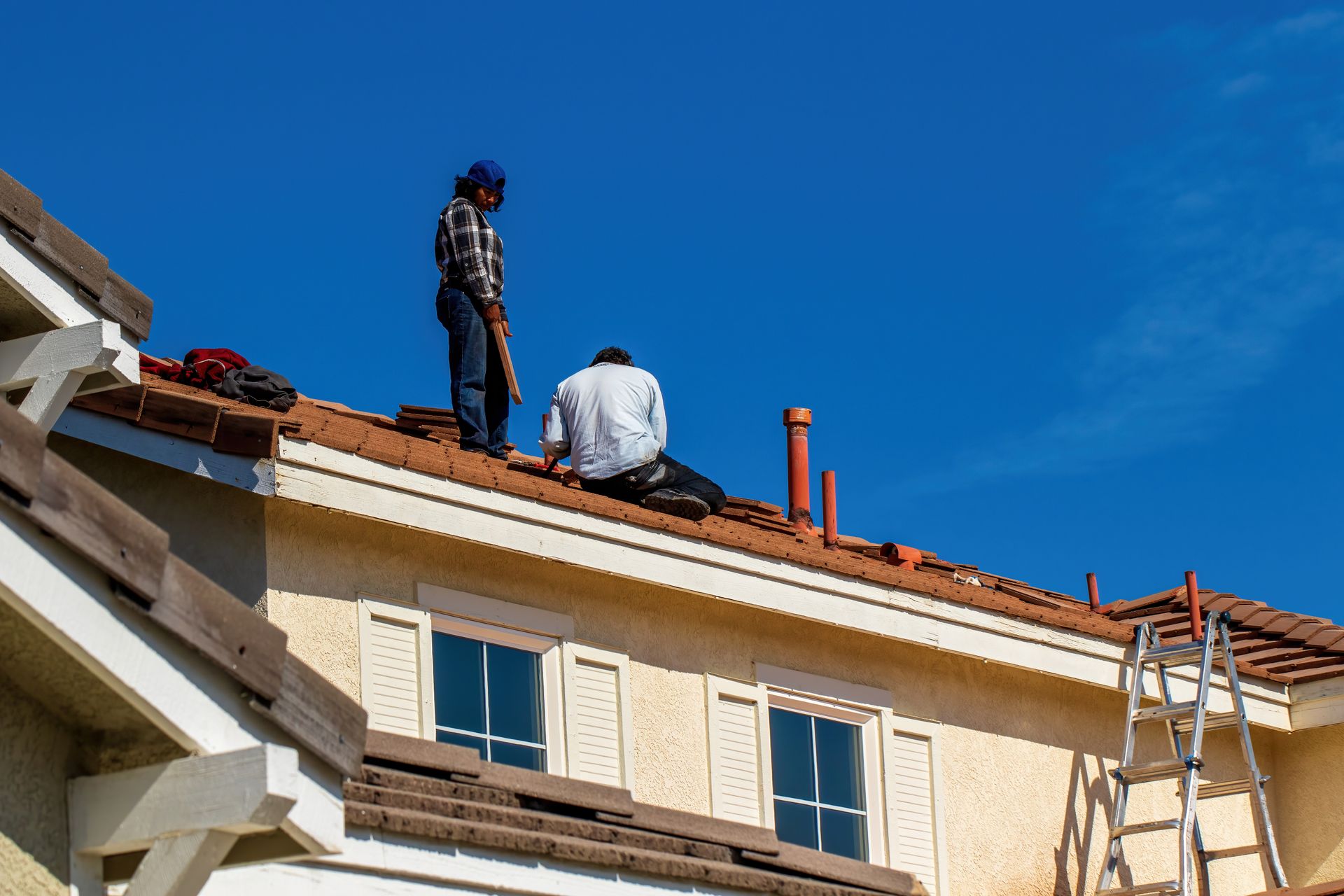
Roof replacement after a hurricane is not something anyone looks forward to, but it is one of the most important ways to protect your home. When storms hit Florida, the roof takes the first hit from wind and flying debris. If the roof is weak, everything under it is at risk.
Florida’s peak hurricane season runs through late August and September, so late July is the sweet spot for getting ready. This is the time to plan, get inspections, and decide if your roof could need a replacement after a storm. When you have a plan before landfall, you are not scrambling for help when everyone else is calling at the same time.
Acting quickly after a storm matters. Small leaks can turn into rotten wood, warped framing, and mold in walls and ceilings. Waiting too long can also cause trouble with insurance deadlines and documentation. You want records, photos, and a trusted roofing team lined up so you can move fast when you need to.
Our team at Energy Roofing Companies works on residential and commercial roofs across Florida, as well as in Georgia and Alabama. We deal with hurricane-related repairs, inspections, and full roof replacements, and we know how stressful storm season can be for property owners.
Knowing When Roof Repair Is Not Enough
Not all damage looks dramatic from the street. After a hurricane, some of the most serious problems are hidden until water starts showing up inside.
Common signs of roof damage after a storm include:
- Missing or lifted shingles
- Bent, loose, or missing flashing around chimneys, vents, and walls
- Soft or spongy spots on the roof deck
- Brown ceiling stains or peeling paint inside
- Sagging spots in the roofline
- Piles of shingle granules in gutters or at downspouts
Sometimes a small area can be repaired. Other times, repairs are only a bandage on a roof that is already worn out. Roof replacement after a hurricane usually makes more sense when:
- Damage covers a large section of the roof, not just a corner
- The roof is already near the end of its life
- There are leaks in more than one area of the house
- The deck has widespread soft or rotten spots
Safety rules and building codes are another big factor. After major storms, the Florida Building Code often ends up with tighter rules to improve wind resistance and fastening methods. Patching an older, damaged roof may not bring it up to the current code, while a full replacement gives a chance to install a system that meets newer standards and holds up better in future storms.
How to Assess Hurricane Damage Before Replacing
Right after a hurricane, safety comes first. If there are downed power lines, broken glass, or loose tree limbs, stay clear and wait for professionals. Once it is safe, homeowners can take a few simple steps from the ground.
Start with:
- Walking the yard and driveway and looking up at the roof
- Taking photos of visible damage, like missing shingles or fallen branches
- Checking soffits, gutters, and vents from the ground for bending or tearing
- Looking inside for water stains, drips, or damp spots on ceilings and walls
- Checking the attic, if safe, for wet insulation or daylight showing through the roof
These surface checks are helpful, but they do not tell the whole story. Hurricanes can cause wind uplift that loosens fasteners and cracks decking without obvious missing shingles. That is why a professional inspection from a licensed roofing contractor is so important. A trained roofer understands common storm failure points, like edges, ridges, and roof-to-wall connections.
When we inspect roofs after storms, we carefully document what we see. We take detailed photos, note problem areas, and prepare written findings that homeowners and commercial property owners can use when they speak with their insurance company. Clear, organized documentation makes the next steps a lot smoother.
Working With Insurance on Roof Replacement
Every policy is different, but hurricane-related claims in Florida usually have set timelines for reporting damage. That clock often starts at landfall or when the damage occurs. Waiting too long can mean missing a window in your policy.
A basic claim process often looks like this:
- Report the damage to your insurance carrier as soon as it is safe
- Get a claim number and write down the date and time you called
- Schedule an adjuster visit
- Arrange your own professional roof inspection
- Compare the adjuster’s report to your roofer’s findings
Many homeowners find it helpful to have their roofing contractor present when the adjuster comes. That way, any questions about wind damage, uplift, or code requirements can be answered on the spot. It also helps make sure small but important details are not missed.
It is also worth knowing the difference between actual cash value and replacement cost coverage in your policy. One is based on the roof’s age and wear, the other is based on what it costs to put on a new roof, subject to your policy terms. If anything is unclear, asking your insurer for an explanation in plain language is always a good move.
After big storms, unlicensed storm chasers may show up at your door, push you to sign paperwork fast, or make big promises. It is safer to work with a properly licensed local contractor and to read all documents fully before signing.
Choosing the Right Materials and Contractor
Once you know roof replacement after a hurricane is needed, the next question is what to put back on your home or building. Not all roofing systems perform the same way in strong winds.
Options that Florida owners often consider include:
- Architectural shingles with higher wind ratings
- Metal roofing systems designed for strong uplift resistance
- Flat roofing systems for commercial buildings that focus on secure attachment and drainage
The visible roof surface is only part of the story. A storm-ready roof is a complete system, including:
- Proper underlayment for water and wind protection
- Correct type and spacing of fasteners
- Flashing and sealants at all transitions and penetrations
- Ventilation that helps the roof handle heat and humidity
Choosing a contractor is just as important as choosing materials. A good roofing company should have:
- Proper state licensing and insurance
- Local experience and references
- Clear, written estimates and scope of work
- Written warranties for both materials and labor
Energy Roofing Companies provides roofing services across Florida, Georgia, and Alabama, and we focus on helping property owners put back stronger roofs after storms.
Preparing Your Property Before Roof Work Starts
Once your project is scheduled, a little prep on your end can help the job go smoother and protect your belongings. Roof replacement is active work, with crews, equipment, and debris removal.
Homeowners can get ready by:
- Clearing the driveway so trucks and trailers have space
- Moving vehicles away from the house
- Bringing in or covering outdoor furniture and grills
- Covering items in the attic that you want to keep free of dust
- Letting family members and neighbors know about the project a few days in advance
Summer in Florida comes with regular afternoon thunderstorms and quick changes in weather. Reputable roofing crews watch forecasts closely and plan tear-off and installation in sections so the home is not left exposed. If storms do pop up, work may pause, and areas in progress will be covered and secured until it is safe to continue.
During our projects, we take care to protect landscaping and outdoor spaces as much as possible. We use tarps and shields where needed, and once the job is finished, we clean the site and perform nail sweeps to pick up stray metal that could otherwise end up in tires or walkways.
Secure Your Next Roof Before the Next Storm
Hurricane season is stressful, but planning ahead gives you more control. Getting a professional roof inspection and estimate before the heart of the season helps you understand where you stand. That way, if a storm does hit, you already know who to call and what to expect from your roof.
A code-compliant, storm-ready roof protects more than just the structure. It helps guard your belongings, your business operations if you own commercial property, and your peace of mind. At Energy Roofing Companies, we work with Florida homeowners and property managers who want roofs that are ready for the next storm, not just the last one.
Protect Your Home With Fast, Professional Roof Recovery
If your home was hit hard this storm season, we can guide you through a safe and efficient roof replacement after a hurricane that restores your peace of mind. At Energy Roofing Companies, our team will assess the damage, explain your options, and handle the work with careful attention to every detail. Reach out today so we can schedule an inspection and help you move forward confidently, or contact us with any questions about your next steps.
Related posts
Apartment Complex Roofing Decisions Property Managers Regret
What Gainesville Roofers Recommend Before Your First Skylight Installation
Questioning Roof Coating Services for Florida Flat Roofs
Choosing Roof Replacement After Florida Hurricane Landfall
.jpg)
How Florida Insurance, Wind Mitigation Credits, and Deductibles Affect Roof
What Happens When Roof Leaks Reach Your Attic Insulation
.jpg)
Florida Rubber Roofing Myths Homeowners Should Stop Believing
Storm Damage Roof Repairs Florida HOAs Often Underestimate
Questioning Roof Cleaning Services in Florida’s Humid Climate

Smart Roof Maintenance Plans for Florida Apartment Complexes
Hidden Cost Drivers in Florida Roof Replacements: Permits, Codes, Fees

Early-Morning Roof Leak Repair in Gainesville Summer Storms
Is a Standing Seam Metal Roof Right for Florida Homes
Questioning Your Roof Warranty in Florida’s Storm Belt
How to Choose Roof Underlayment and Waterproofing for Florida Weather
.jpg)
Why Gainesville Homebuyers Need a Dedicated Roofing Company Partner

What Gainesville Homeowners Miss in Post-Storm Roof Inspections
.jpg)
Summer Roof Maintenance Plans for Florida Homes

Roof Financing Options Florida Homeowners Should Understand

Pre-Listing Roof Inspection Tips for Gainesville Sellers
Florida Cracked Roof Tiles That Look Minor but Leak Big
Why Gainesville Roof Vent Leaks Start in the Attic First

Signs Your Florida Flat Roof Needs Professional Repair

Roof Tarping Emergency Steps for Florida Storm Nights
Understanding Hail Damage Roof Claims in Florida
.jpg)

Roof Insurance Claim Help for Florida Storm Seasons

Roof Ventilation Problems Florida Homeowners Overlook

When to Consider Roof Replacement in the Florida Climate
Ridge Vent Installation Guide for Better Attic Ventilation
Modified Bitumen Roofing For Flat & Low-Slope Buildings
GAF Timberline Shingles: Features, Cost, and Benefits

GAF Timberline HDZ: Complete Guide For Homeowners
EPDM Rubber Roofing: Benefits, Costs, and Installation
Dimensional Shingles: Boost Curb Appeal And Roof Protection

Clay Tile Roofing: Benefits, Costs, And Lifespan Guide

Chimney Flashing Repair: Stop Chimney Leaks Fast

Built-Up Roofing Guide for Flat Commercial Roofs
Best Roofing Material for Florida Homes: 2026 Guide

Why Attic Ventilation Matters For A Healthier Home

Standing Seam Metal Roof: Benefits, Cost, and Installation

Same Day Roof Repair: Fast Emergency Solutions For Your Home
Roofing Contractors In Ocala, FL: How To Choose With Confidence
Roofing Company In Ocala, FL: How To Choose A Trusted Pro
Roofers Gainesville, FL: How To Choose A Trusted Pro

Roof Repair In Ocala, FL: How To Choose A Trusted Contractor

Roof Repair In Gainesville, FL: Fast Help For Storms

Metal Roofing In Gainesville, FL: Durable Roofs That Cut Bills
Why Hiring A GAF Master Elite Roofer Matters

Corrugated Metal Roofing: Durable, Affordable Roof Guide

Best Shingles for Florida: Top Hurricane-Resistant Options

Architectural Shingles: Durable, Stylish Roofing Guide
24/7 Roof Repair: Fast Emergency Help When You Need It

.svg)


.svg)
.svg)
.svg)
.svg)
