What Happens When Roof Leaks Reach Your Attic Insulation
When a Small Roof Leak Becomes a Big Attic Problem
A small brown spot on the ceiling after a summer storm might not look like a big deal. Many homeowners in Florida, Georgia, and Alabama see a mark like that and hope it just dries up. The real problem often starts long before that stain shows up. Water usually sneaks through the roof, soaks the roof deck, then settles into the attic before it ever touches your ceiling paint.
Once that water reaches your attic insulation, things change fast. Wet insulation can hurt your comfort, raise your AC bills, and affect the air you breathe. In our hot, humid climate, leaks and trapped moisture can spread quickly, especially with regular afternoon storms and tropical systems rolling through. We want to walk you through what happens when roof leaks hit your attic insulation, how to spot the warning signs, and why professional attic leak repair keeps your home safer and more comfortable.
How Roof Leaks Invade Your Attic Space
Roof leaks rarely show up right where the water first gets in. They often start at small weak points that are easy to miss from the ground. Common entry points include:
- Cracked or missing shingles
- Loose or damaged flashing around chimneys and vents
- Punctures from branches or wind-blown debris
- Worn sealant around pipes, skylights, and other roof openings
Once water finds a way in, it usually does not drip straight down like a faucet. It behaves more like a slow, sneaky trail. It can:
- Slide under shingles and across the roof deck
- Run along rafters and nails
- Pool on top of or inside your attic insulation
Because of this, the first sign may not be a ceiling leak at all. The attic can act like a sponge. Fiberglass or cellulose insulation can soak up moisture for quite a while. During that time, more storms pass, more water sneaks in, and the wet area spreads.
In hot, storm-prone states like ours, regular summer downpours and tropical systems can turn a tiny roof opening into a big moisture problem in just a few weeks. What starts as a slow drip can become widespread dampness that hides in insulation, wood framing, and around roof fasteners. By the time you notice a stain or a musty smell, the leak may already have a head start.
What Wet Attic Insulation Is Doing to Your Home
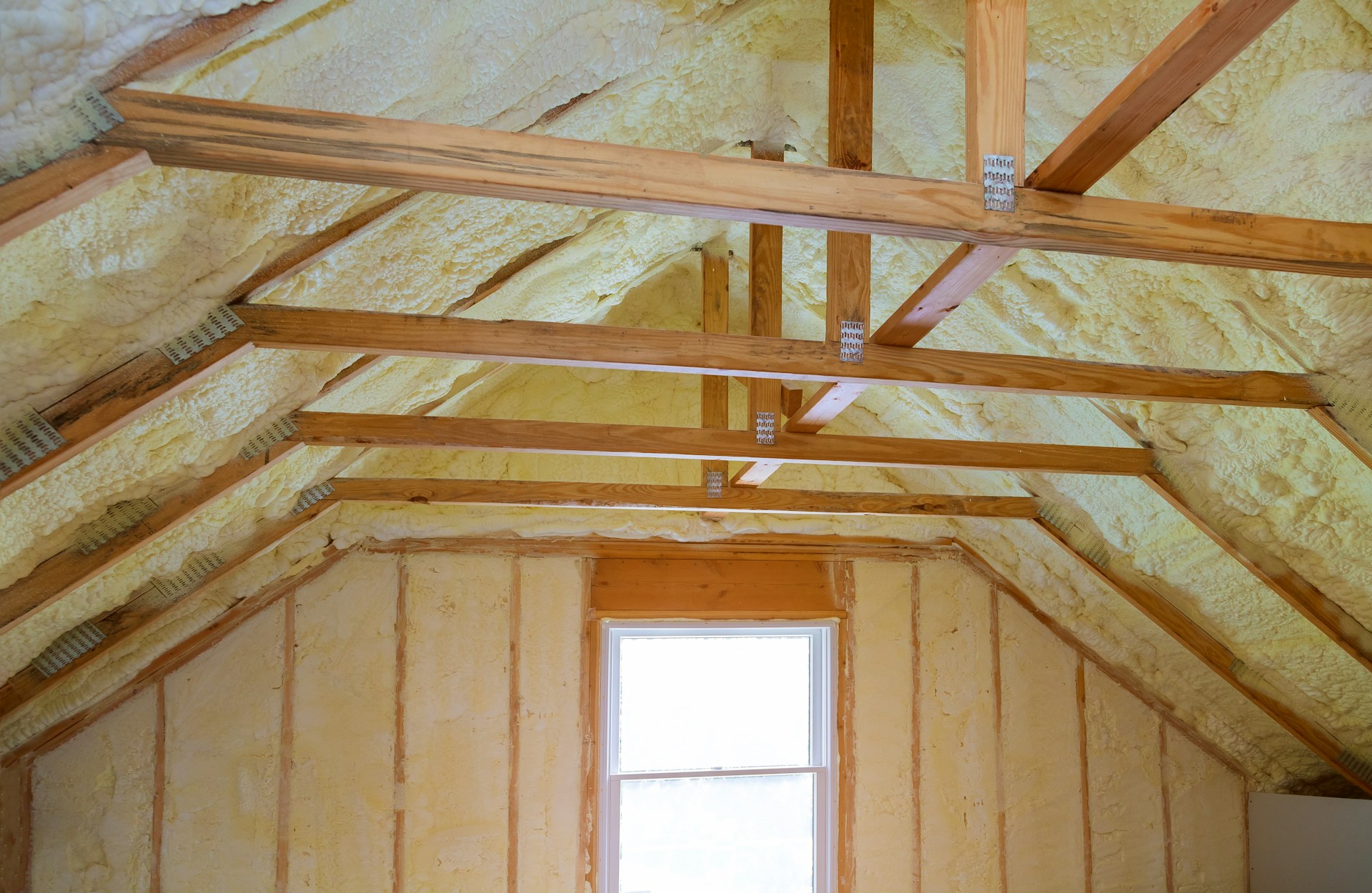
Insulation works by trapping pockets of air. Those little air pockets are what help slow down heat moving into your home. When insulation gets wet, those pockets collapse. The material can flatten, clump, or sag, and it stops doing its job.
Here is what that means in real life:
- Your AC runs longer because more heat is sneaking in from the attic
- Upstairs rooms feel hotter and harder to cool
- Some spaces feel stuffy while others feel almost normal
Different insulation types react to water in different ways:
- Fiberglass batts can sag between joists, lose thickness, and become a place where mold can grow on dust and debris
- Blown-in fiberglass can clump together, leaving bare spots and uneven coverage
- Cellulose, which is made from paper products, can mat down, stay damp longer, and start to break down if it stays saturated
The damage does not stop with insulation. Prolonged dampness can speed up wood rot in rafters, trusses, and roof decking. Wet wood can also attract pests and weaken parts of your roof system over time.
There is also the health side. Damp, dark areas with poor airflow are friendly spaces for mold and mildew. When they grow on or around insulation and wood, they can release spores into the air. Those spores can get pulled into your living areas through tiny gaps, light fixtures, and ductwork, which can bother people who have allergies, asthma, or other breathing issues.
Hidden Warning Signs of Attic Leak Damage
Many homeowners only think about the roof when they see water dripping from a ceiling. By that point, attic insulation may have been wet for a while. There are earlier, more subtle warning signs that can point to a leak reaching your attic.
Around the house, pay attention to:
- Musty or damp odors that seem stronger after a rain
- Rooms, especially upstairs, that feel warmer than usual
- Sudden jumps in AC use even though your habits have not changed
You might also notice visible clues indoors:
- Small, light brown stains on ceilings, especially near corners
- Peeling or bubbling paint where the wall meets the ceiling
- Discoloration or faint rings around ceiling light fixtures
If you safely look in the attic, with proper lighting and caution where you step, some red flags include:
- Insulation that looks dark, matted down, or clumped in spots
- Visible mold or mildew on rafters, decking, or the insulation surface
- Rusty roofing nails sticking through the roof deck
- Pinpoints of daylight shining through where roofing should be solid
Seasonal inspections are very helpful in our area. After heavy summer thunderstorms or when a tropical system passes through, it is a smart time to have a professional check the roof and attic. Catching a small wet patch early is much easier than dealing with rotted wood, ruined insulation, and indoor air problems later.
Professional Attic Leak Repair and Cleanup Steps
Once you suspect a leak has reached the attic, the most important step is finding and stopping the source at the roof. A licensed roofing contractor will typically:
- Inspect the roof surface for damaged shingles, flashing, or punctures
- Trace water paths from the roof deck into the attic
- Check insulation, wood framing, and decking for moisture and decay
Proper attic leak repair usually includes more than just patching the visible hole. Depending on what is found, repairs may involve:
- Replacing missing or damaged shingles
- Repairing or reinstalling flashing around vents and chimneys
- Sealing or rebuilding problem areas around roof penetrations
- Fixing sections of roof decking that are soft, rotted, or moldy
- Addressing ventilation problems that allow heat and moisture to build up
Then comes the cleanup inside the attic. When insulation has been soaked or shows signs of mold, a careful approach is important. Typical steps can include:
- Safely removing saturated or contaminated insulation
- Treating affected wood surfaces if needed
- Allowing the area to dry thoroughly with proper airflow
- Installing new, dry insulation at a proper depth for your home
DIY fixes might seem tempting, but they can cause bigger issues. Covering a ceiling stain with paint without repairing the roof only hides the symptom. Disturbing moldy insulation without proper protection and containment can spread spores. Quick sealants that look fine during a light shower may fail during the next strong storm.
Act Before the Next Storm Hits Your Roof
Our region sees plenty of afternoon downpours and storm systems, especially in late summer and early fall. That seasonal pattern gives small leaks many chances to grow. Taking action before the next round of heavy rain helps protect your comfort, your roof structure, and your indoor air.
Homeowners can start by paying closer attention to what their home is telling them. Take note of musty smells after rain, rooms that never quite cool down, or new ceiling marks. If it is safe, a quick look into the attic for obvious wet spots or matted insulation can give more clues, but the next step should be a professional inspection from a licensed roofing contractor who understands attic leak repair in our climate.
At Energy Roofing Companies, we work with residential and commercial roofs across Florida, Georgia, and Alabama, so we see daily how fast small leaks can turn into major attic problems. When roof leaks reach your attic insulation, they affect comfort, energy use, and the health of your home. Acting early keeps issues smaller, repairs more manageable, and your home better protected when the next storm rolls through.
Protect Your Home With Fast, Reliable Attic Leak Solutions
If you see stains, damp insulation, or dripping in your attic, now is the time to act before the damage spreads. Our team at Energy Roofing Companies can quickly inspect the problem and provide expert attic leak repair tailored to your home and roof. We will walk you through the findings, explain your options, and complete the work with long-term protection in mind. To schedule your inspection or ask a question, simply contact us today.
Related posts

Apartment Complex Roofing Decisions Property Managers Regret

What Gainesville Roofers Recommend Before Your First Skylight Installation
Questioning Roof Coating Services for Florida Flat Roofs
Choosing Roof Replacement After Florida Hurricane Landfall
.jpg)
How Florida Insurance, Wind Mitigation Credits, and Deductibles Affect Roof
What Happens When Roof Leaks Reach Your Attic Insulation
.jpg)
Florida Rubber Roofing Myths Homeowners Should Stop Believing
Storm Damage Roof Repairs Florida HOAs Often Underestimate

Questioning Roof Cleaning Services in Florida’s Humid Climate

Smart Roof Maintenance Plans for Florida Apartment Complexes
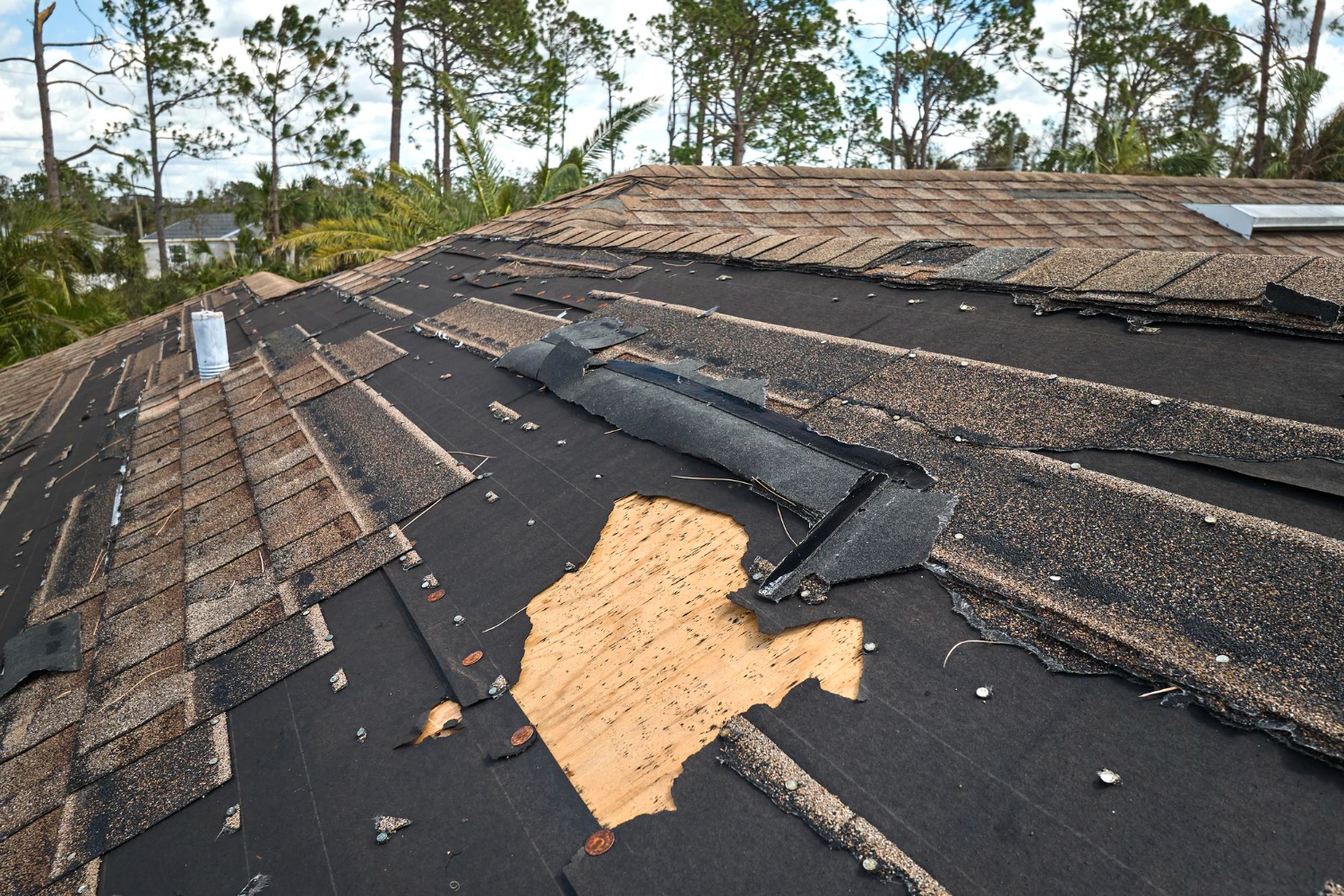
Hidden Cost Drivers in Florida Roof Replacements: Permits, Codes, Fees

Early-Morning Roof Leak Repair in Gainesville Summer Storms
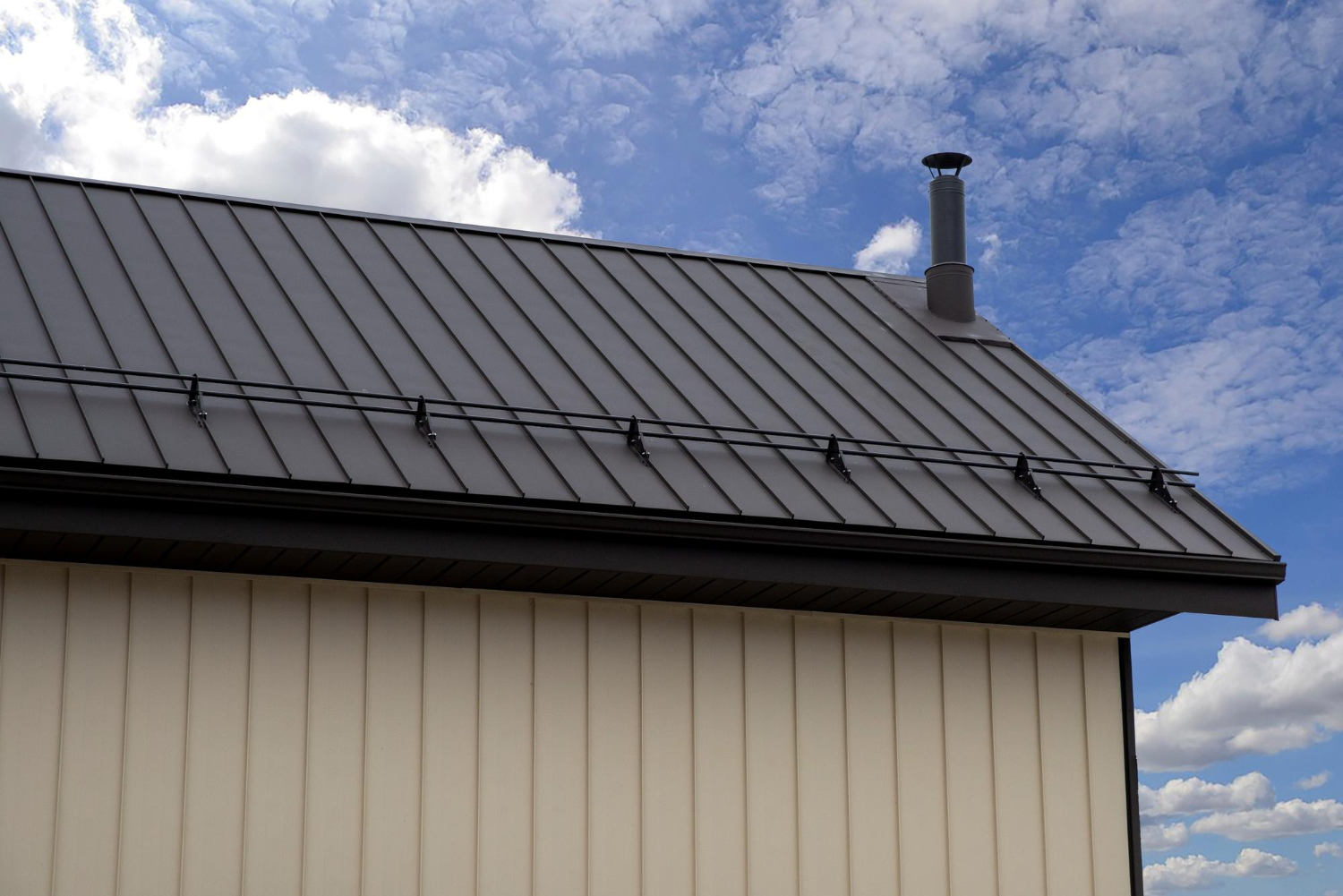
Is a Standing Seam Metal Roof Right for Florida Homes
Questioning Your Roof Warranty in Florida’s Storm Belt
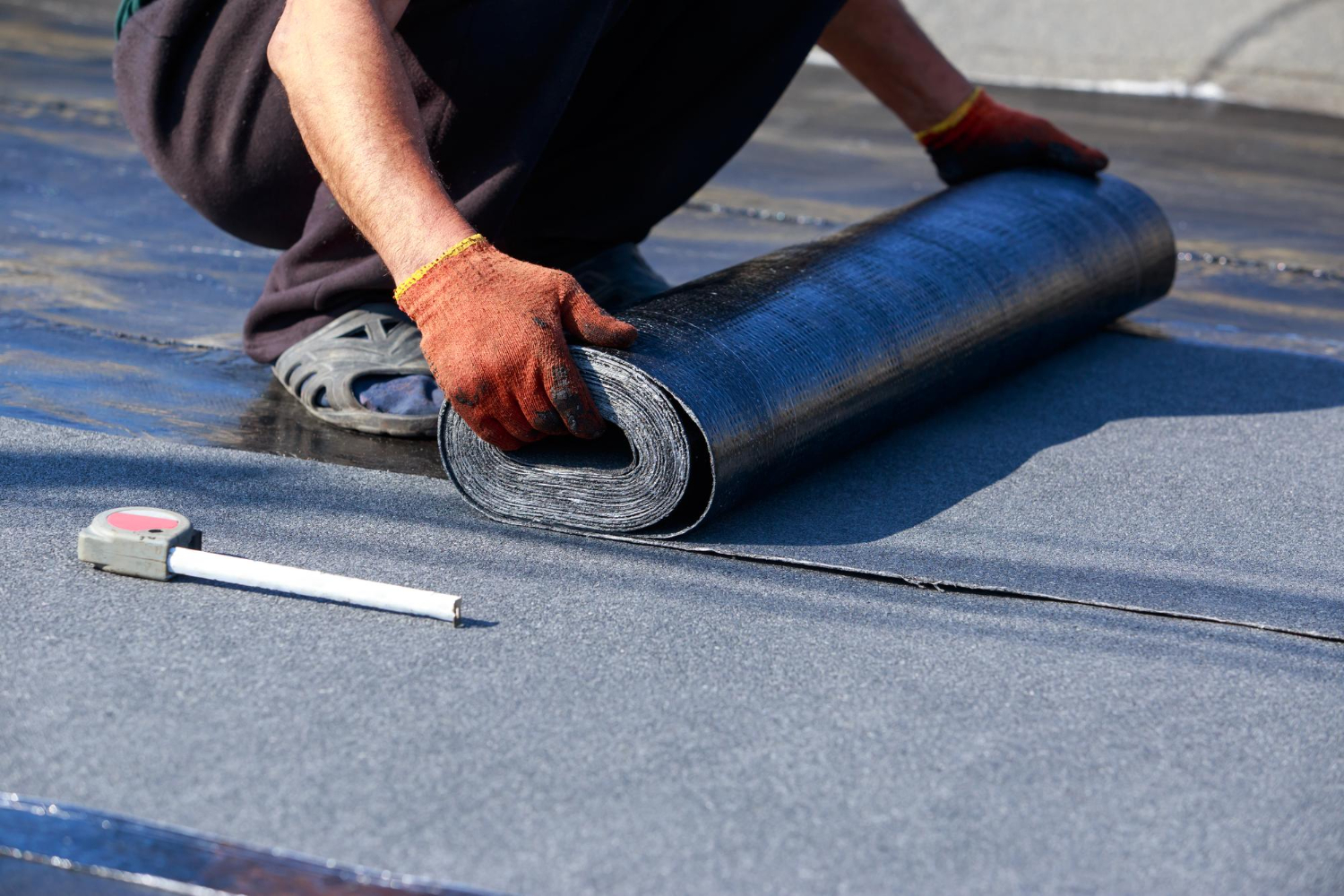
How to Choose Roof Underlayment and Waterproofing for Florida Weather
.jpg)
Why Gainesville Homebuyers Need a Dedicated Roofing Company Partner

What Gainesville Homeowners Miss in Post-Storm Roof Inspections
.jpg)
Summer Roof Maintenance Plans for Florida Homes

Roof Financing Options Florida Homeowners Should Understand

Pre-Listing Roof Inspection Tips for Gainesville Sellers
Florida Cracked Roof Tiles That Look Minor but Leak Big
Why Gainesville Roof Vent Leaks Start in the Attic First

Signs Your Florida Flat Roof Needs Professional Repair

Roof Tarping Emergency Steps for Florida Storm Nights
Understanding Hail Damage Roof Claims in Florida
.jpg)

Roof Insurance Claim Help for Florida Storm Seasons

Roof Ventilation Problems Florida Homeowners Overlook

When to Consider Roof Replacement in the Florida Climate
Ridge Vent Installation Guide for Better Attic Ventilation
Modified Bitumen Roofing For Flat & Low-Slope Buildings
GAF Timberline Shingles: Features, Cost, and Benefits

GAF Timberline HDZ: Complete Guide For Homeowners
EPDM Rubber Roofing: Benefits, Costs, and Installation
Dimensional Shingles: Boost Curb Appeal And Roof Protection

Clay Tile Roofing: Benefits, Costs, And Lifespan Guide

Chimney Flashing Repair: Stop Chimney Leaks Fast

Built-Up Roofing Guide for Flat Commercial Roofs
Best Roofing Material for Florida Homes: 2026 Guide

Why Attic Ventilation Matters For A Healthier Home

Standing Seam Metal Roof: Benefits, Cost, and Installation

Same Day Roof Repair: Fast Emergency Solutions For Your Home
Roofing Contractors In Ocala, FL: How To Choose With Confidence
Roofing Company In Ocala, FL: How To Choose A Trusted Pro
Roofers Gainesville, FL: How To Choose A Trusted Pro

Roof Repair In Ocala, FL: How To Choose A Trusted Contractor

Roof Repair In Gainesville, FL: Fast Help For Storms

Metal Roofing In Gainesville, FL: Durable Roofs That Cut Bills
Why Hiring A GAF Master Elite Roofer Matters

Corrugated Metal Roofing: Durable, Affordable Roof Guide

Best Shingles for Florida: Top Hurricane-Resistant Options

Architectural Shingles: Durable, Stylish Roofing Guide
24/7 Roof Repair: Fast Emergency Help When You Need It

.svg)


.svg)
.svg)
.svg)
.svg)
