How to Choose Roof Underlayment and Waterproofing for Florida Weather
Protect Your Home From Florida’s Toughest Weather
Florida roofing has it rough. The sun beats down almost all year, the air stays sticky, and when storms roll in, they bring sheets of rain and strong winds. Your roof is the first thing that takes that hit every single day.
Most people think about shingles, metal panels, or tiles first. Those are important, but what sits underneath them matters just as much. Underlayment and waterproofing work like your roof’s backup system, catching water and blocking heat when the surface covering gets stressed or damaged.
In this article, we will walk through how to choose the right underlayment and waterproofing system for Florida’s heat, humidity, and hurricane rains. Our goal is to help you protect your home, extend the life of your roof, and get ready before late summer storm season really picks up, especially when you are choosing the best roofing materials for the Florida climate.
Why Florida’s Climate Demands Smarter Roof Choices
Florida roofs deal with three main stressors that can slowly wear them out from the inside if they are not built right.
- Intense UV and heat from long, bright days
- High humidity that lingers around the roof and attic
- Wind-driven rain from storms, tropical systems, and hurricanes
UV rays and heat can dry out some underlayments. They can get brittle, curl, or crack while they sit under the roof covering, especially if parts of the roof are exposed for a while during work. Humid air can creep in and stay trapped, and if water finds a small path under the surface, it can stay there and weaken the deck below.
During storms, rain does not just fall straight down. It blows sideways, gets pushed under shingles or panels, and looks for any small opening around nails, vents, and valleys. If the wrong underlayment is used, it can tear or shift, and water can end up inside the home instead of staying on the outside where it belongs.
By picking materials that are built for this kind of climate, you can:
- Reduce the chances of sudden leaks during heavy storms
- Help your attic stay cooler and dryer, which supports better energy use
- Cut down on emergency repair calls and repeat problems
When people talk about the best roofing materials for the Florida climate, they are not just talking about what you see from the street. The underlayment and waterproofing system have to match the sun, humidity, and storm pattern too.
Comparing Roof Underlayment Types for Florida Homes
There are three main underlayment types you will hear about when a roof is being replaced or installed. Each one behaves a little differently in Florida weather.
Traditional asphalt-saturated felt is the old classic. It is often:
- Lower in cost upfront
- Reasonable for short-term or basic applications
- Used under some shingle or tile systems where code allows
But in high heat and humidity, felt can wrinkle, absorb moisture, and break down faster. If it stays exposed to sun or gets wet before the roof is finished, it can lose strength. It may still work for some lower-risk areas, but it is not always the best choice for long-term performance in tough coastal or storm zones.
Synthetic underlayments are made from plastic based materials instead of paper. For Florida homes, they often offer:
- Better tear resistance under foot traffic and wind
- Stronger UV resistance if left exposed for a short time during work
- Improved “grip” or walkability for installers on steep or hot roofs
These features make synthetic underlayment a strong match for our hot, sunny, storm-prone environment. It tends to stay flatter, repel water instead of absorbing it, and hold together better when gusty winds tug at the roof covering.
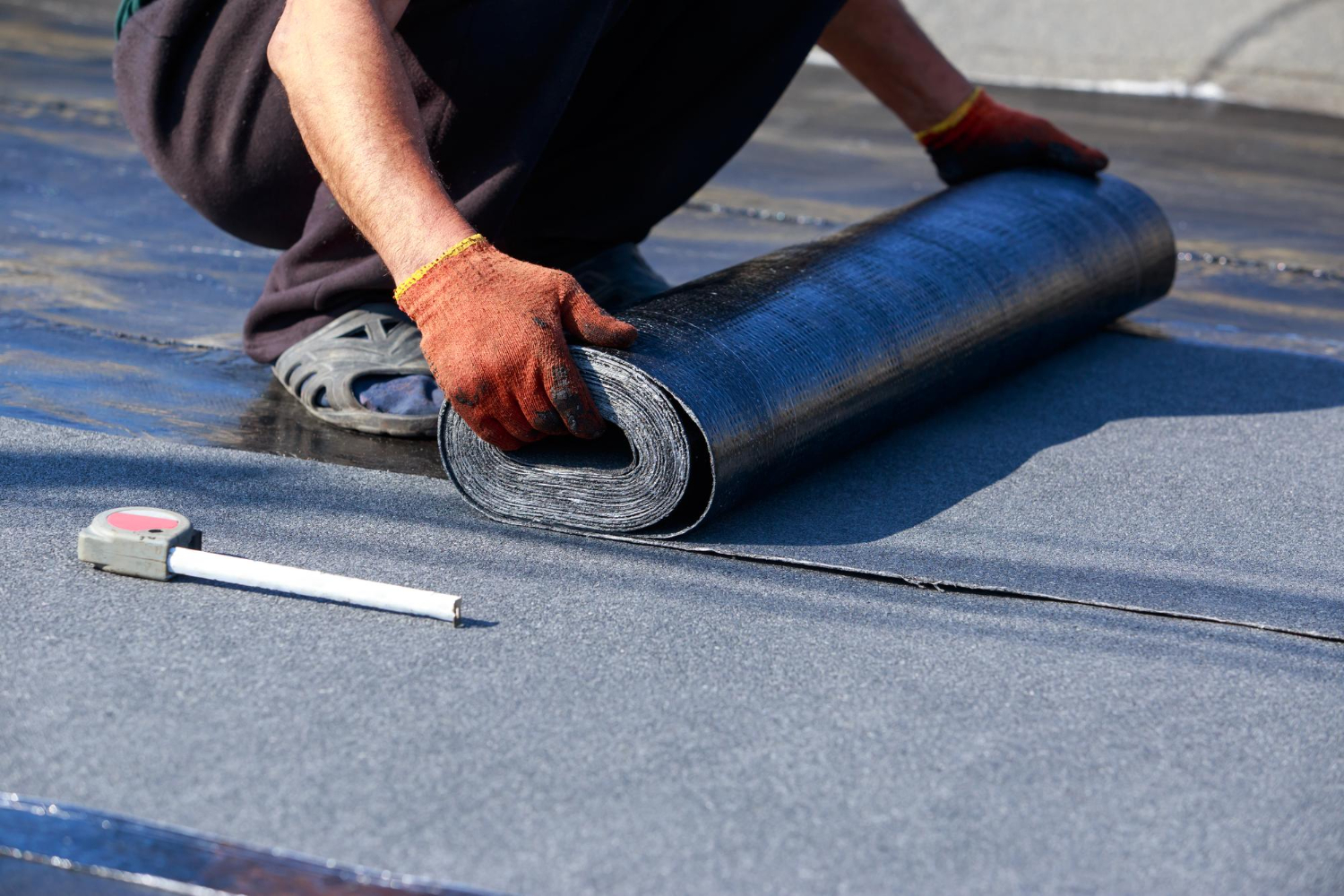
Self-adhered (peel-and-stick) membranes take things a step further. They stick directly to the roof deck and seal around nails and fasteners. That gives you:
- A true secondary water barrier under the main roof
- Better protection against wind-driven rain that tries to work under the surface
- A path to meet or go beyond many building code rules in coastal and high-risk hurricane areas
In parts of Florida with stronger wind requirements, self-adhered products are often used across the entire deck or in key zones. When paired with the right surface material, they form a tight system that stands up much better when storms push rain sideways.
Waterproofing Systems That Stand Up to Hurricane Rains
A full roof waterproofing system is more than just a single layer of underlayment. It is a set of parts that all work together to move water off your home.
A complete system usually includes:
- Underlayment over the roof deck
- Flashing around chimneys, vents, skylights, and walls
- Sealants in joints and around fasteners
- Careful detailing in valleys, eaves, and roof-to-wall connections
Secondary water barrier options are a big help in hurricane country. These can include:
- Fully adhered underlayment across the entire deck
- Peel-and-stick strips in valleys, hips, and ridges
- Extra waterproofing at eaves, around dormers, and near low-slope areas
When this design is done well, with the best roofing materials for the Florida climate, water has a much harder time getting inside, even if shingles or tiles get cracked or blown off during a storm. That lowers the chance of soaked drywall, damaged flooring, and mold growth. It can also reduce the risk of big insurance claims after a major system passes through.
Balancing Energy Efficiency, Code, and Budget
The right underlayment does more than stop leaks. It can also work with cool roof coverings to help control attic heat. When heat is reflected off the surface and the underlayment resists extra heat transfer, your attic can stay more stable, especially during long hot afternoons.
The Florida Building Code has clear rules for underlayment and secondary water barriers in many areas. Some of the key points your contractor should be able to explain include:
- Required underlayment layers for your roof type
- Approved secondary water barrier methods in wind-borne debris regions
- Fastening patterns and overlap rules for your wind zone
Meeting minimum code is the starting line, not the finish line. Many owners choose to go beyond code with upgraded synthetic or peel-and-stick systems. While there is more cost upfront, those options often come with longer expected life, better warranty terms, and in some cases the chance for insurance benefits when paired with other storm-ready features.
How Professional Installation Protects Your Warranty
Even the strongest materials can fail if they are installed the wrong way. Underlayment needs:
- Correct nail or fastener type and spacing for your wind zone
- Proper overlaps so water always drains over, never behind
- Clean, well-bonded surfaces for self-adhered products
Manufacturers usually tie their warranties to these steps. If fasteners are spaced too far apart or seams are left open, that can affect coverage if a problem shows up later. Insurance reviews after storms may also look at how well the roof system was put together, not just what products were used.
Working with a licensed roofing contractor that understands local codes in Florida, Georgia, and Alabama helps your roof system perform the way it was designed. A team that sees storm damage up close on a regular basis knows where underlayments tend to fail, which details matter most, and how to build a system that holds up when the weather turns rough.
Getting Your Roof Storm-Ready Before the Next Downpour
Before peak hurricane season, it is smart to have a professional inspection of your roof. A trained eye can look for lifted shingles, worn flashing, soft spots in the deck, and signs that the underlayment or waterproofing may be failing underneath.
Good questions to ask your roofing contractor include:
- What type of underlayment is on my roof right now?
- Is there any secondary water barrier in valleys, eaves, or over the full deck?
- Are there options to upgrade from basic felt to synthetic or peel-and-stick on my next roof?
- How will this system meet my local wind and waterproofing code rules?
At Energy Roofing Companies, we focus on building climate-smart roofing systems for homes and businesses across our region. When you are choosing the best roofing materials for the Florida climate, we can help you match the right underlayment and waterproofing to your roof style, location, and storm risk so your property is ready long before the next big downpour hits.
Protect Your Florida Home With The Right Roofing Choice
Choosing the right roof is the first step to keeping your home cooler, drier, and better protected year-round. Our team at Energy Roofing Companies can help you evaluate the best roofing materials for the Florida climate based on your home, budget, and long-term goals. If you are ready to replace or upgrade your roof, contact us so we can schedule an expert assessment and provide a clear, detailed proposal. Let us help you install a roof that performs in Florida’s heat, humidity, and storms.
Related posts
Apartment Complex Roofing Decisions Property Managers Regret
What Gainesville Roofers Recommend Before Your First Skylight Installation
Questioning Roof Coating Services for Florida Flat Roofs
Choosing Roof Replacement After Florida Hurricane Landfall
.jpg)
How Florida Insurance, Wind Mitigation Credits, and Deductibles Affect Roof
What Happens When Roof Leaks Reach Your Attic Insulation
.jpg)
Florida Rubber Roofing Myths Homeowners Should Stop Believing
Storm Damage Roof Repairs Florida HOAs Often Underestimate
Questioning Roof Cleaning Services in Florida’s Humid Climate

Smart Roof Maintenance Plans for Florida Apartment Complexes
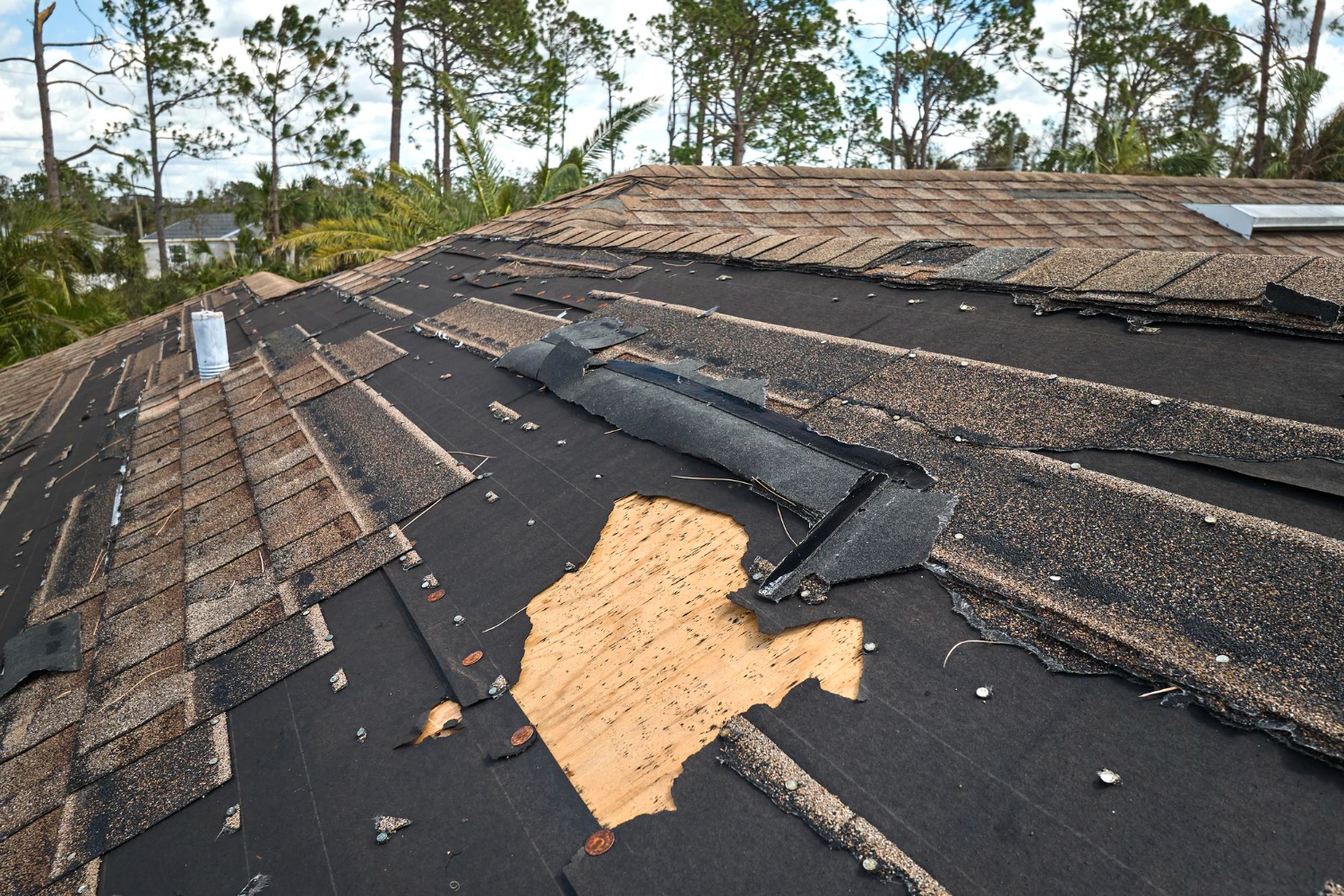
Hidden Cost Drivers in Florida Roof Replacements: Permits, Codes, Fees

Early-Morning Roof Leak Repair in Gainesville Summer Storms
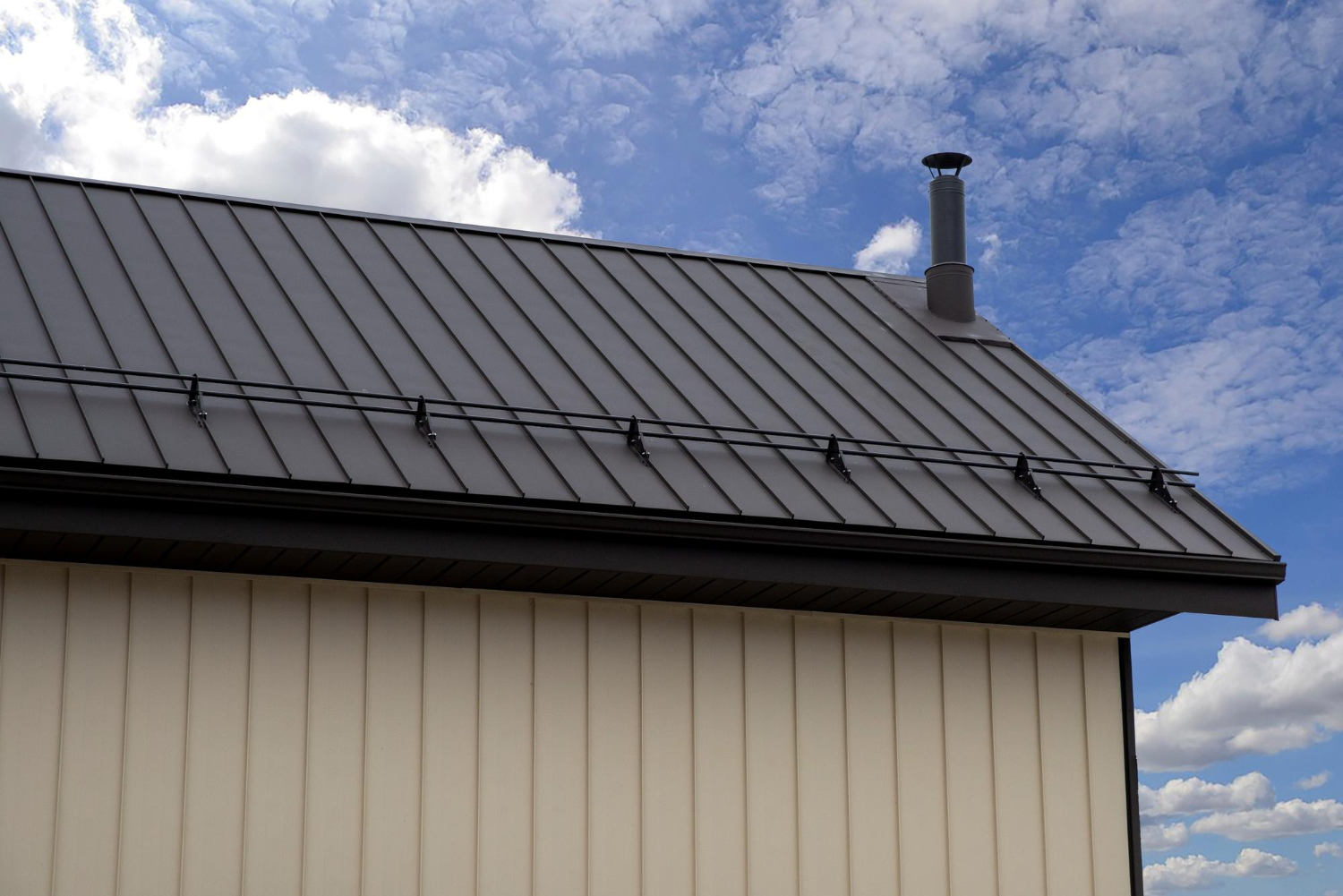
Is a Standing Seam Metal Roof Right for Florida Homes
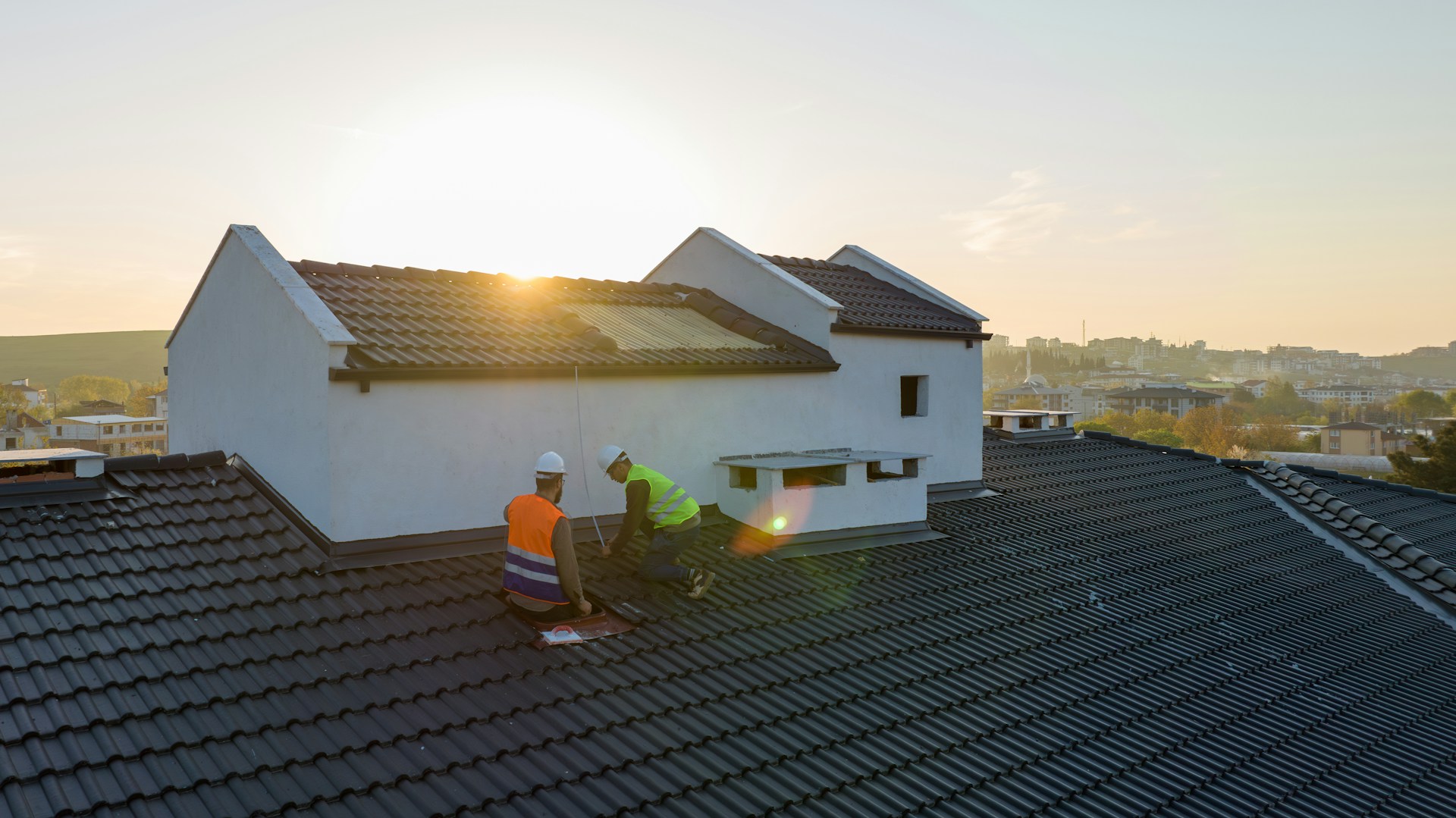
Questioning Your Roof Warranty in Florida’s Storm Belt
How to Choose Roof Underlayment and Waterproofing for Florida Weather
.jpg)
Why Gainesville Homebuyers Need a Dedicated Roofing Company Partner

What Gainesville Homeowners Miss in Post-Storm Roof Inspections
.jpg)
Summer Roof Maintenance Plans for Florida Homes

Roof Financing Options Florida Homeowners Should Understand

Pre-Listing Roof Inspection Tips for Gainesville Sellers
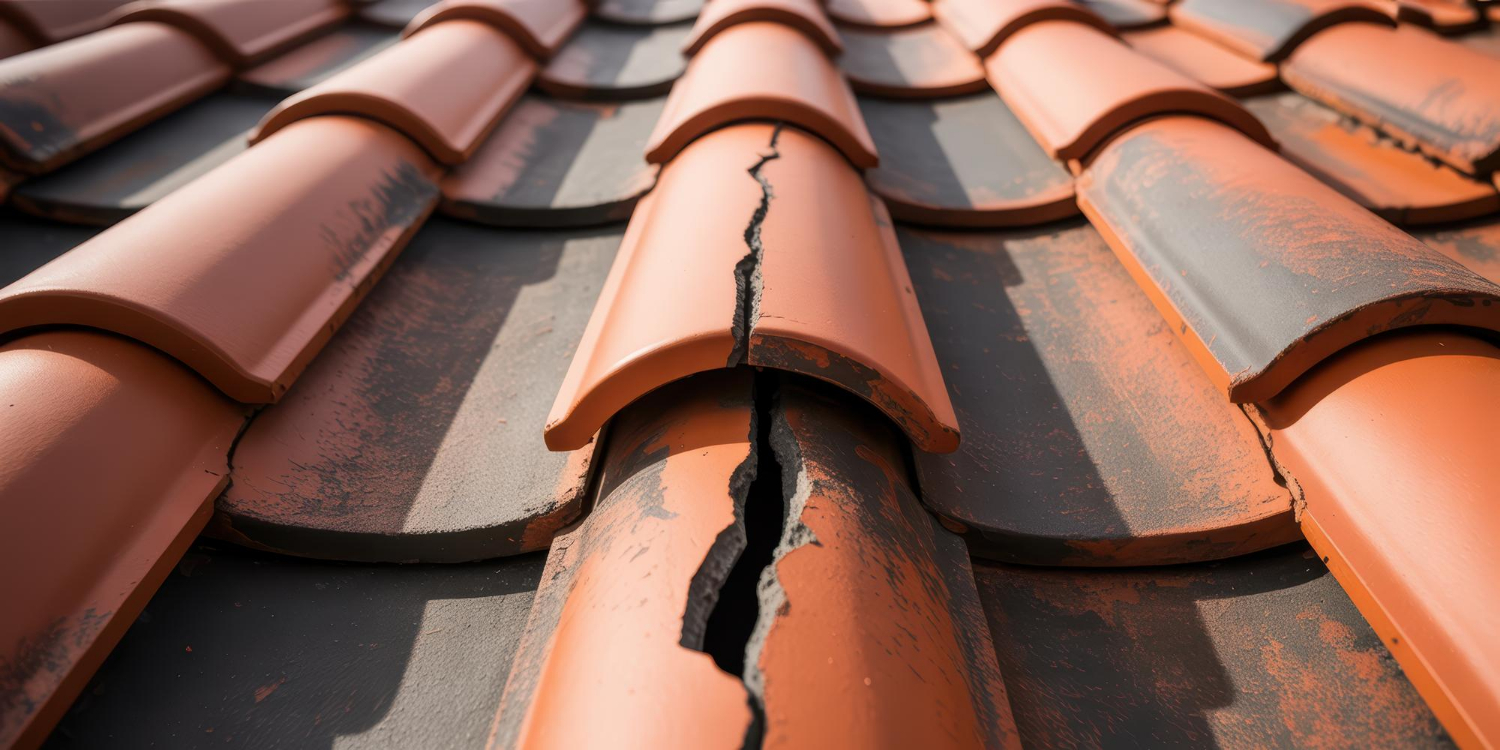
Florida Cracked Roof Tiles That Look Minor but Leak Big
Why Gainesville Roof Vent Leaks Start in the Attic First

Signs Your Florida Flat Roof Needs Professional Repair

Roof Tarping Emergency Steps for Florida Storm Nights
Understanding Hail Damage Roof Claims in Florida
.jpg)

Roof Insurance Claim Help for Florida Storm Seasons

Roof Ventilation Problems Florida Homeowners Overlook

When to Consider Roof Replacement in the Florida Climate
Ridge Vent Installation Guide for Better Attic Ventilation
Modified Bitumen Roofing For Flat & Low-Slope Buildings
GAF Timberline Shingles: Features, Cost, and Benefits

GAF Timberline HDZ: Complete Guide For Homeowners
EPDM Rubber Roofing: Benefits, Costs, and Installation
Dimensional Shingles: Boost Curb Appeal And Roof Protection

Clay Tile Roofing: Benefits, Costs, And Lifespan Guide

Chimney Flashing Repair: Stop Chimney Leaks Fast

Built-Up Roofing Guide for Flat Commercial Roofs
Best Roofing Material for Florida Homes: 2026 Guide

Why Attic Ventilation Matters For A Healthier Home

Standing Seam Metal Roof: Benefits, Cost, and Installation

Same Day Roof Repair: Fast Emergency Solutions For Your Home
Roofing Contractors In Ocala, FL: How To Choose With Confidence
Roofing Company In Ocala, FL: How To Choose A Trusted Pro
Roofers Gainesville, FL: How To Choose A Trusted Pro

Roof Repair In Ocala, FL: How To Choose A Trusted Contractor

Roof Repair In Gainesville, FL: Fast Help For Storms

Metal Roofing In Gainesville, FL: Durable Roofs That Cut Bills
Why Hiring A GAF Master Elite Roofer Matters

Corrugated Metal Roofing: Durable, Affordable Roof Guide

Best Shingles for Florida: Top Hurricane-Resistant Options

Architectural Shingles: Durable, Stylish Roofing Guide
24/7 Roof Repair: Fast Emergency Help When You Need It

.svg)


.svg)
.svg)
.svg)
.svg)
